
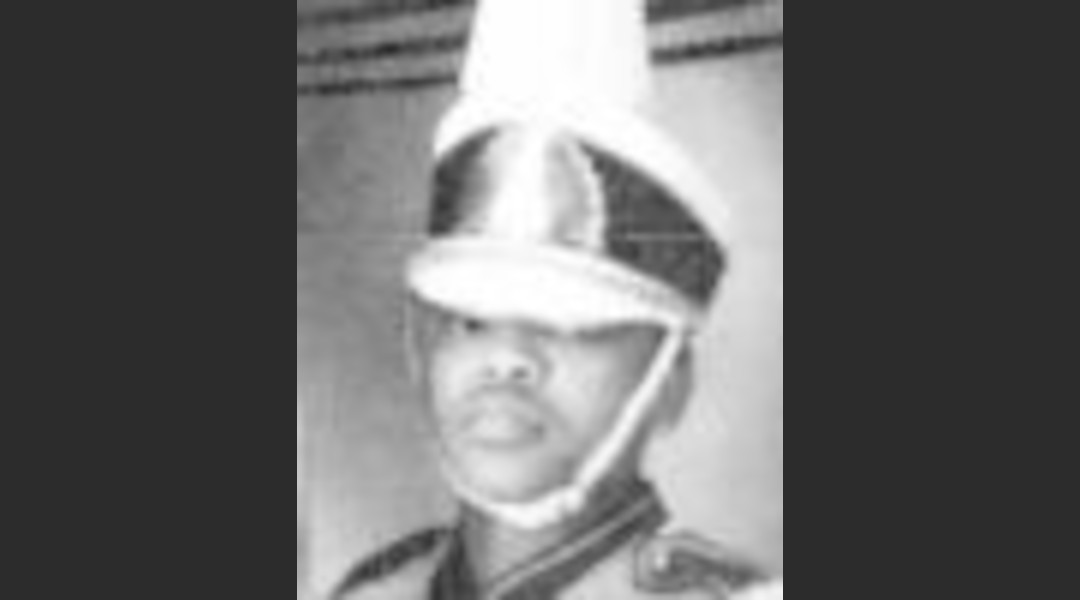
Norman Briscoe Killed Close to Home in New Orleans Louisiana
Norman Louis “Errol” Briscoe was 19 years old when his life was taken in New Orleans, Louisiana. He was killed on March 18, 2013, in the Algiers neighborhood, a historic part of the city located on the west bank of the Mississippi River. His death became another painful example of gun violence leaving a family with grief, unanswered questions and a lasting search for justice.
Norman was more than a name in a case file. He was a son, brother, relative and loved one whose future was cut short before he had the chance to fully step into adulthood. At 19, he was at an age when many young people are still discovering who they are, building independence and figuring out what life might become. His murder ended those possibilities in a sudden and violent way.
The shooting happened in the early morning hours, when much of the city was quiet. Police were called to the 800 block of Elmira Street after reports of gunfire. When officers arrived, they found Norman inside a residence suffering from gunshot wounds. He was transported to a local hospital, but he did not survive.
The details publicly available about the case are limited, but the impact of the crime was enormous for those who knew him. His death left behind sorrow, frustration and questions that remained unanswered.
The Early Morning Shooting
The murder of Norman Louis “Errol” Briscoe happened around 3:00 a.m. on March 18, 2013. That time of night often creates challenges for investigators. Streets may be less active, witnesses may be asleep and the people who do hear or see something may hesitate to come forward.
Police responded after gunfire was reported in the area of Elmira Street. The 800 block became the center of the investigation. Officers entered or approached the residence and found Norman wounded inside.
He had been shot. The circumstances leading up to the shooting have not been fully explained in public accounts. It is unclear whether Norman was targeted, whether there had been an argument, whether more than one person was involved or whether the shooter was someone he knew.
After being found, Norman was taken to a hospital for emergency treatment. Despite efforts to save him, he was pronounced dead.
A shooting inside a residence raises many investigative questions. Detectives would need to determine who was present before the gunfire, how the shooter entered or approached the home, whether there were signs of forced entry, and whether anyone fled the scene. They would also need to determine whether the shooting began inside the home or whether bullets were fired from outside into the residence.
Those answers have not been widely disclosed, leaving the public record of the case incomplete.
The Location on Elmira Street
The 800 block of Elmira Street is located in Algiers, a section of New Orleans with deep roots, residential neighborhoods and a strong sense of local identity. Algiers has long been part of the city’s cultural and social fabric, but like many urban neighborhoods, it has also experienced the effects of violence, poverty and public safety concerns.
Norman was found inside a home in that area. The fact that he was indoors may have made the case more troubling for loved ones. A home is supposed to be a place of safety. When violence enters or erupts inside a residence, it can leave people feeling that no place is fully protected.
The location may have offered potential evidence. Investigators would have looked for shell casings, bullet holes, blood evidence, fingerprints, possible weapons and other physical clues. They may have spoken with neighbors to learn whether anyone heard voices, saw a vehicle, noticed someone running or observed anything unusual before or after the shooting.
In a neighborhood shooting, even small details can matter. A car leaving the block at a specific time, a person seen near the home or a sound heard moments before gunfire can help detectives reconstruct what happened.
However, when fear is present in a community, witnesses may not always feel safe speaking openly. That silence can make a homicide harder to solve.
Norman’s Identity And Family
Norman Louis Briscoe was also known by the nickname “Errol.” His obituary remembered him by both his full name and nickname, showing that he was known and loved personally, not only formally.
He came from a family that mourned him deeply. Funeral notices described surviving relatives, including parents, siblings and extended family members. The number of people listed reflected the wide circle affected by his death.
A homicide does not only take one life. It changes the lives of everyone connected to the victim. Parents lose a child. Siblings lose someone they grew up with. Friends lose someone who shared their memories. Grandparents, cousins, aunts and uncles lose part of the family’s future.
For Norman’s loved ones, March 18, 2013, became a date tied forever to pain. Instead of watching him continue into adulthood, they were forced to prepare a funeral and bury someone who should have had many years ahead.
His services were held in New Orleans, with burial in Gretna. Those final arrangements gave family and friends a place to gather, grieve and honor him, but they could not answer why he was killed or who was responsible.
A Homicide With Limited Public Answers
Public information about Norman’s murder identifies the basic facts. He was 19 years old. He was shot. The shooting occurred on March 18, 2013. Police found him inside a residence in the 800 block of Elmira Street in New Orleans. He later died at a hospital.
Beyond those details, many questions remain. Public reports do not provide a clear motive. They do not identify a suspect. They do not describe an arrest. They do not explain whether detectives believed the crime was connected to a dispute, robbery, personal conflict or another cause.
That lack of information can be deeply painful for a family. When a case remains unresolved, loved ones are left to live with both grief and uncertainty. They may wonder whether someone close to the case knows the truth, whether a witness is afraid to speak or whether evidence was missed in the early stages of the investigation.
In many unsolved homicides, detectives may know more than they release publicly. They may withhold details to protect the investigation, test witness statements or avoid compromising a future prosecution. Still, from the outside, the silence can feel like nothing is happening.
For families, every year without answers can feel like another loss.
The Challenge of Solving Gun Violence Cases
Gun violence cases can be difficult to solve when there are few cooperative witnesses. A shooting may happen quickly, and the person responsible may leave within seconds. If no one is willing or able to identify the shooter, investigators must rely heavily on physical evidence, forensic testing and circumstantial clues.
In 2013, surveillance cameras were not as widespread as they are today. Some homes and businesses had cameras, but many did not. Even when cameras existed, footage could be grainy, poorly angled or erased before investigators obtained it.
Cell phone evidence can sometimes help, but only if investigators know whose phones to examine and can connect those records to the crime. Ballistics can link shell casings to a weapon, but only if the weapon is recovered or connected to another crime.
Witness cooperation is often the key. Someone may know who had a conflict with the victim. Someone may have heard the shooter speak about the crime. Someone may have seen a vehicle leave the area. Someone may have been inside or near the residence when the shooting happened.
But fear, distrust of police and concerns about retaliation can prevent people from coming forward. In neighborhoods affected by repeated violence, silence can become a form of survival.
That silence protects the person responsible and prolongs the suffering of the victim’s family.
New Orleans in 2013
Norman’s murder took place during a period when New Orleans was continuing to struggle with violent crime. The city has a long history of resilience, culture and community strength, but it has also faced persistent challenges involving homicide, poverty, illegal firearms and strained relations between residents and law enforcement.
Every homicide adds to that burden. Each killing affects not only the immediate family, but also neighbors, schools, churches and local communities. People become more cautious. Parents worry more about their children. Young people may grow up believing violence is unavoidable.
For a 19 year old to be killed inside a home in the early morning hours reflects the kind of tragedy that many New Orleans families have endured. It is not simply a statistic. It is a life interrupted.
The city’s homicide cases often involve complex social factors, but every case still comes down to a human loss. Norman’s death was not just part of a broader trend. It was a specific act of violence against a specific person with a name, a family and a future.
The Pain of an Unsolved Case
When a homicide remains unsolved, families are forced to live in a difficult emotional space. They know their loved one is gone, but they do not know the full truth. They may not know who pulled the trigger, who helped, who stayed silent or why the violence happened.
That uncertainty can make grief harder to process. A trial, conviction or confession can never bring someone back, but it can provide a measure of accountability. Without that, families may feel that the person responsible continued life while their loved one was denied a future.
Unsolved cases can also create fear. If the shooter has not been arrested, relatives may wonder whether that person remains nearby. Witnesses may worry about speaking. Community members may feel that violence can happen without consequence.
For Norman’s family, the unanswered questions likely remained heavy. Who killed him? Was he targeted? Did he know the shooter? Was there a warning sign before the attack? Could someone have prevented it? Did anyone see what happened?
Those questions matter because accountability matters.
Remembering Norman Beyond the Crime
It is important to remember Norman Louis “Errol” Briscoe as a person, not only as a victim of violence. His life did not begin or end with the crime scene on Elmira Street.
He had a family that loved him. He had people who knew his voice, his habits, his personality and his presence. He had relationships that cannot be captured in a short case summary.
When young victims are discussed only through the circumstances of their deaths, their humanity can be overshadowed by violence. Norman deserves to be remembered as someone whose life mattered before it was taken.
His nickname, “Errol,” reflects the personal side of his identity. It is the kind of name people use when they know someone closely. It suggests familiarity, affection and connection.
The people who mourned him did not lose a headline. They lost Norman.
The Importance of Community Information
In cases like Norman’s, information from the community can be critical. Even years later, a case can move forward when someone decides to share what they know.
A person may have heard someone confess. A former friend of the shooter may no longer feel loyal. Someone who was afraid in 2013 may feel safer years later. A witness who did not understand the importance of a detail at the time may eventually realize that it matters.
Cold cases often depend on changed circumstances. Relationships end. People move away. Fear decreases. Technology improves. Detectives revisit evidence with fresh eyes.
Even one credible tip can shift an investigation. It can identify a suspect, confirm a timeline or point detectives toward evidence they did not have before.
For Norman’s loved ones, any person with knowledge has the power to help bring long delayed answers.
Justice And Accountability
Justice in Norman’s case would mean identifying the person or people responsible for his murder and holding them accountable through the legal system. It would mean giving his family a clearer understanding of what happened on March 18, 2013.
Accountability also serves the wider community. When a homicide goes unsolved, it can send a dangerous message that violence has no consequence. When a case is solved, it can restore some measure of trust that victims are not forgotten.
Justice does not erase grief. It does not return the years Norman lost. It does not undo the trauma of the phone calls, hospital news, funeral arrangements or anniversaries.
But justice can affirm that his life had value and that taking it was not something society will ignore.
Families of homicide victims often speak of needing both truth and accountability. They want to know what happened, and they want the person responsible to face consequences.
Norman’s case deserves that same pursuit.
A Life Cut Short on March 18, 2013
The murder of Norman Louis “Errol” Briscoe on March 18, 2013, remains a painful story from New Orleans. He was only 19 years old when he was shot inside a residence in the 800 block of Elmira Street in Algiers.
The early morning violence ended his life and left his family to carry the weight of grief. Public information about the case identifies the location, date and manner of death, but many details remain unknown.
No publicly reported motive has fully explained why Norman was killed. No public record clearly identifies a person convicted for the crime. The case stands as a reminder of the unresolved pain that follows many homicides.
For his family and the people who loved him, Norman’s name still matters. His life should not be reduced to the place where he was found or the violence that took him. He was a young man with loved ones, memories and a future that should have continued.
The search for answers remains important because every victim deserves truth. Every family deserves to know what happened. Every community deserves safety from violence and accountability for those who take lives.
Norman Louis “Errol” Briscoe was killed in New Orleans, but his story continues through the people who remember him and through the unanswered call for justice.
Discover more from City Towner
Subscribe to get the latest posts sent to your email.