4-Year Old Oakley Carlson Returns to Biological Parents and Goes Missing in Oakville Washington
Oakley Carlson was a young girl from Oakville, Washington, whose disappearance became one of the most troubling missing child cases in the state. She was last confirmed seen by someone outside her immediate household on February 10, 2021, but she was not reported missing until December 6, 2021. That long gap created deep concern for investigators, child welfare advocates and the public.
Oakley was only a child when she vanished. Her case involved difficult questions about family, foster care, child protection, missed warning signs and the struggle to find answers when a child disappears without immediate public notice.
Oakville is a small community in Grays Harbor County, Washington. In a town where people often know their neighbors and families, the idea that a child could disappear for months without a clear explanation shocked many who followed the case.
Oakley’s disappearance did not begin with a frantic emergency call from a parent saying she was lost. Instead, the alarm was raised by school officials who became concerned after repeated attempts to locate or see her. By the time deputies began investigating, many months had passed since anyone outside the household could confirm seeing her alive.
Oakley’s Early Life And Foster Care
Oakley Carlson spent part of her early childhood away from her biological parents. She had been removed from their care and placed with foster parents, where she reportedly lived for a significant period before being returned to her biological family.
Her former foster family later became some of the strongest public voices calling for answers. They remembered Oakley as a bright, loving and energetic child who had bonded with them during her time in their home.
The decision to return Oakley to her biological parents later became one of the most controversial parts of the case. Many people questioned whether state agencies had enough information to determine that the home was safe for her.
Oakley’s return to her parents was not simply a private family matter. It became part of a larger public debate over child welfare systems, foster placements and how agencies respond when concerns are raised about children after reunification.
For Oakley’s former foster family and supporters, the tragedy was not only that she vanished, but that there may have been opportunities to protect her before she disappeared.
The Last Confirmed Sighting
The most widely cited date in Oakley Carlson’s case is February 10, 2021. That date is considered her last confirmed sighting by someone outside the household.
This does not necessarily mean that something happened to Oakley on that exact day. It means that after February 10, 2021, investigators were unable to publicly confirm that anyone outside her biological parents’ home saw her alive.
That distinction is important. Missing child cases often depend on narrowing the timeline as much as possible. When a child is reported missing quickly, investigators can search recent locations, interview fresh witnesses and gather time-sensitive evidence. In Oakley’s case, the gap between the last confirmed sighting and the missing person report was nearly 10 months.
During that time, memories could fade, physical evidence could disappear and records could become harder to interpret. Investigators were left trying to reconstruct months of a child’s life after the fact.
The lack of confirmed sightings after February 10, 2021, became one of the clearest signs that something was deeply wrong.
Life in Oakville Before the Report
Oakley was living with her biological parents, Jordan Bowers and Andrew Carlson, in the Oakville area before she was reported missing. Her siblings were also part of the household.
Public reports later described troubling allegations involving the home environment. Some of those allegations came from statements attributed to children in the household and from court records connected to later criminal proceedings involving Oakley’s parents.
There were claims that Oakley had been mistreated, isolated and kept away from others. Some reports alleged that she had been placed in confined spaces and that her siblings made disturbing comments about what may have happened to her.
These claims have been central to public concern, but it is important to separate allegations from proven facts. Oakley’s parents have not been convicted in connection with her disappearance, and no one has been charged with causing her death.
Still, the reported conditions and statements raised serious questions about what was happening inside the home before the welfare check took place.
The School Principal’s Concern
The investigation into Oakley’s disappearance began after a school principal became worried. The principal had contact with Oakley’s family and noticed that Oakley herself had not been seen.
School staff play an important role in child safety because they may be among the few adults outside a family who regularly see a child. When a child stops appearing or cannot be accounted for, teachers and principals may become the first people to notice something is wrong.
In Oakley’s case, concerns grew after school officials reportedly heard troubling information from one of Oakley’s siblings. The sibling allegedly made statements suggesting that Oakley was gone and gave unusual explanations about what happened to her.
Those comments were alarming enough that a welfare check was requested on December 6, 2021.
When deputies arrived and began asking questions, Oakley was not there. Her biological parents reportedly could not provide a clear and verified explanation of where she was.
That welfare check changed the case from a concern into an active missing child investigation.
The Missing Report on December 6, 2021
Oakley Carlson was officially reported missing on December 6, 2021. By then, the last confirmed outside sighting dated back to February 10, 2021.
This delay became one of the most disturbing aspects of the case. Most missing child investigations begin within hours or days of a child being missing. Oakley’s case began months after investigators believe she may have already been gone.
Authorities searched for evidence and questioned those connected to the household. They also examined statements made by family members and looked for anyone who could confirm Oakley had been alive after February 2021.
The search did not produce Oakley. No confirmed public evidence placed her safely with another caregiver, relative or family friend.
Her disappearance became suspicious almost immediately because there was no believable public explanation for why a young child had been unseen for so long.
Statements And Conflicting Accounts
Investigators reportedly received conflicting information from Oakley’s parents. They were asked where Oakley was, but the explanations did not resolve the central question.
In missing child cases, the people last known to have custody or control of the child often become key figures in the investigation. That does not automatically mean they are guilty of a crime, but it does mean their statements, movements and actions are carefully examined.
Authorities eventually described Jordan Bowers and Andrew Carlson as persons of interest. That designation reflected their central role in the case and the unanswered questions surrounding Oakley’s whereabouts.
Public reports have stated that the parents gave accounts that investigators found inconsistent or false. However, neither parent has been charged with murder or manslaughter in Oakley’s disappearance.
The lack of charges has frustrated many people following the case, especially because Oakley has never been found. Prosecutors often face major obstacles in cases where there is no body, no confirmed cause of death and limited physical evidence.
Allegations of Abuse And Neglect
As the case developed, disturbing allegations emerged about Oakley’s life before she vanished.
Some reports described claims that Oakley had been kept locked away or placed in an enclosed area. Others described statements from siblings suggesting she had been harmed or was no longer alive.
There were also allegations that Oakley had suffered abuse after a fire at the family home. The details surrounding the fire and its connection to Oakley remain part of the broader public discussion, but the key issue is that investigators believed the household held information that had not been fully disclosed.
Oakley’s siblings reportedly made statements that deeply concerned investigators. Children’s statements in criminal investigations must be handled carefully because children can be influenced, confused or frightened. Still, when children make comments about another child being harmed or missing, investigators must take those statements seriously.
The allegations painted a picture of a vulnerable child who may have been isolated from people who could have helped her.
Criminal Cases Involving Her Parents
Although Oakley’s parents have not been charged in her disappearance, they have faced criminal charges in other matters.
Jordan Bowers and Andrew Carlson were accused of child endangerment involving another child in the household. The case was related to the withholding of necessary medication from that child, not Oakley’s disappearance itself.
Jordan Bowers also faced unrelated legal trouble involving identity theft. These cases added to public scrutiny of the parents, but they did not answer the central question of what happened to Oakley.
For the public, it can be difficult to understand how parents can face convictions or sentences in related household matters while no charges are filed in the missing child case. The legal reason is that each charge must be supported by evidence proving specific elements beyond a reasonable doubt.
In Oakley’s case, investigators may strongly suspect that something happened inside the household, but suspicion alone is not enough for a homicide charge.
The Search for Oakley
Authorities, volunteers and advocates searched for Oakley after she was reported missing. Searches focused on areas connected to the family home and places where evidence might be found.
Because so much time had passed, search teams faced serious challenges. Weather, terrain, changing seasons and the passage of months can make it difficult to locate physical evidence.
Investigators also had to determine whether Oakley might have been hidden, moved or taken somewhere outside the immediate area. Without a reliable timeline, searches could expand in many possible directions.
A missing child investigation depends heavily on details. What was the child wearing? Who last saw her? What vehicle was used? Was there a phone record, camera recording, witness account or digital trail? In Oakley’s case, many of those answers were unclear or missing.
Despite extensive attention, Oakley’s remains have not been found.
A Community Searching for Answers
Oakley’s disappearance affected more than her immediate family. It created grief and anger among former caregivers, neighbors, child advocates and people across Washington who followed the case.
Her former foster family became especially vocal. They participated in public efforts to keep Oakley’s name visible and called for accountability from the systems that had been involved in her life.
Supporters created campaigns, shared missing posters and demanded that the case remain active. A reward was offered for information that could help locate Oakley or explain what happened to her.
For many people, Oakley’s case symbolized the fear that vulnerable children can disappear behind closed doors when warning signs are not acted upon quickly enough.
Child Welfare Questions
One of the most significant parts of Oakley Carlson’s case is the scrutiny of Washington’s child welfare system.
Oakley had previously been removed from her biological parents and placed in foster care. She was later returned to them. After her disappearance became public, many people asked whether reports, warnings or red flags had been missed.
Child welfare agencies are often responsible for making difficult decisions with incomplete information. They must balance the goal of family reunification with the responsibility to protect children from danger.
In Oakley’s case, critics argued that the system failed her. Reports later examined how agencies handled concerns involving the family and whether better communication, documentation or follow up might have changed the outcome.
The case became part of a broader conversation about how many warnings should be required before stronger intervention occurs.
The Legal Declaration of Death
Years after Oakley disappeared, she was legally declared deceased. That legal declaration did not mean her body had been found. It meant that a court accepted that, based on the circumstances, she was presumed dead.
A legal declaration of death can allow certain legal proceedings to move forward, but it does not close a criminal investigation. Oakley’s case remains important because no one has been held criminally responsible for her disappearance or presumed death.
For her supporters, the declaration was painful but not surprising. Many had long feared that Oakley was no longer alive.
Still, a legal declaration does not provide the answers her advocates seek. It does not reveal where she is, how she died or who may have been involved.
The case remains unresolved because the truth of what happened to Oakley has not been publicly established.
Why the Case Remains Difficult
Oakley Carlson’s case is difficult because of the long delay before she was reported missing. The timeline between February 10, 2021, and December 6, 2021, is the heart of the mystery.
Investigators must determine whether Oakley was alive after February 10 and, if so, for how long. They must also determine who saw her, who cared for her and what happened inside the home during those months.
Without a body, investigators may not have a cause of death. Without a cause of death, prosecutors may have difficulty proving exactly how a crime occurred. Without witnesses willing or able to testify clearly, the case becomes even harder.
The investigation may depend on statements from children, physical evidence from the home, digital records, searches of property and admissions from adults who may know more than they have said.
Cases like this can take years to build. Sometimes they are solved only after a witness comes forward, a person changes their story or new evidence is discovered.
The Public Demand for Justice
Oakley’s disappearance led to widespread public outrage. Many people wanted to know how a child could be missing for months before authorities were alerted.
The case drew attention from true crime communities, child safety advocates and local news organizations. Supporters shared Oakley’s photograph and demanded that her name not be forgotten.
The public demand for justice has focused on two main goals. The first is finding Oakley and determining what happened to her. The second is making sure that child welfare systems are improved so other children do not fall through the cracks.
For Oakley’s supporters, justice is not only about punishment. It is also about truth, accountability and prevention.
Remembering Oakley as a Child
Behind every court document, search warrant and news report was a little girl.
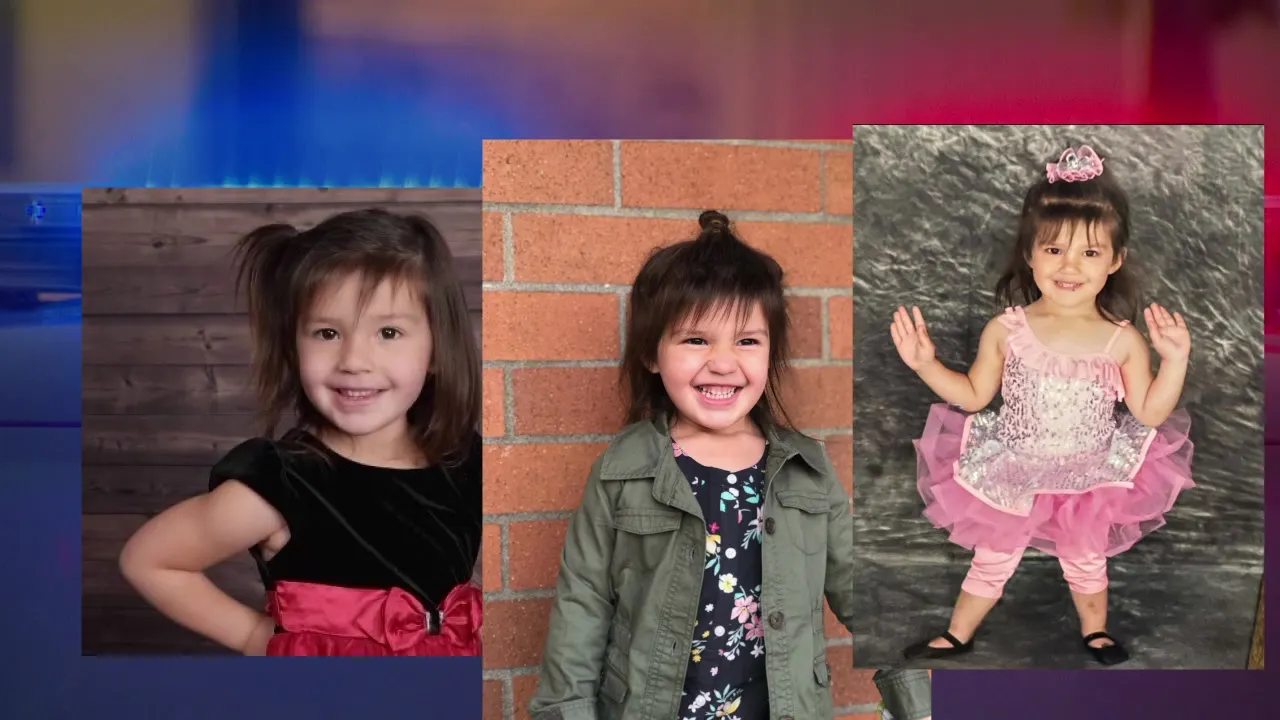
Oakley Carlson was not just the subject of an investigation. She was a child with a personality, a smile and people who loved her. Her former foster family remembered her as affectionate and full of life.
It is easy for missing child cases to become defined by adults, agencies and legal language. But at the center of this case was Oakley, a young girl who depended on adults for protection.
Her disappearance reminds people that missing children must be seen as individuals, not only as case numbers.
Every year that passes without answers deepens the pain for those who loved her and raises new questions about why the truth has not yet been revealed.
The Unanswered Questions
Many questions remain unanswered in Oakley Carlson’s disappearance.
What happened to her after February 10, 2021? Was she alive during the months before the welfare check? Why could no one outside the household confirm seeing her? What did her parents know? Were there missed opportunities by child welfare officials or other adults? Could someone who was close to the family still come forward with information?
Investigators have not publicly answered these questions in a way that resolves the case.
The absence of Oakley’s remains makes every question harder. Without finding her, it is difficult to determine exactly what happened and where.
Her supporters continue to believe that someone knows the truth.
A Case That Still Needs Answers
The disappearance of Oakley Carlson on February 10, 2021, in Oakville, Washington, remains one of the most painful unresolved child cases in the region.
Although she was not reported missing until December 6, 2021, the last confirmed outside sighting places the beginning of the mystery months earlier. That delay remains central to understanding why the case has been so difficult to solve.
Oakley was living with her biological parents when she vanished. Authorities later identified them as persons of interest, but no one has been charged with causing her disappearance or presumed death.
Her case raised serious questions about child welfare decisions, warning signs, family reunification and the protection of vulnerable children.
Oakley has been legally declared deceased, but that declaration is not the same as justice. Her remains have not been found, and the full story of what happened to her has not been publicly revealed.
Until the truth is known, Oakley Carlson’s name will remain a call for accountability, compassion and answers.
Her disappearance is a reminder that every missing child deserves urgency. Every warning sign deserves attention. Every unanswered question deserves pursuit.
Oakley’s case is not over for the people who loved her, the investigators still seeking answers or the advocates determined to make sure she is never forgotten.
Discover more from City Towner
Subscribe to get the latest posts sent to your email.