
The Unsolved Murder of Martell Tolbert: Detroit’s Lingering Heartache
On August 5, 2011, 21-year-old Martell Tolbert became another tragic entry in Detroit’s long list of unsolved homicides. His death, the result of force and violence, left a family shattered and a community searching for answers. Over a decade later, the question remains: Who killed Martell Tolbert, and why?
Who Was Martell Tolbert?
Martell Tolbert was born on December 17, 1989. By all accounts, he was a young man with hopes and dreams, a member of a close-knit family, and a resident of Detroit, Michigan. At just 21 years old, his life was cut short in a senseless act of violence that still haunts his loved ones.
He is remembered as a son, brother, and friend. Martell’s family recalls his smile, his energy, and the ordinary joys of a life that should have stretched out ahead of him. His final resting place is Lincoln Memorial Park in Clinton Township, Macomb County, Michigan—a quiet memorial for a life ended far too soon.
Martell was known for his generosity and his willingness to help others. Friends remember him as someone who would offer support without hesitation, whether it was helping a neighbor or cheering up a friend in need. He enjoyed music, sports, and spending time with his family, especially during holidays and gatherings that brought everyone together. His absence is still deeply felt at these occasions, where his laughter and presence are missed.
The Night of August 5, 2011: What Happened?
The details of Martell Tolbert’s murder are sparse, a reflection of both the secrecy that often cloaks violent crime and the challenges Detroit law enforcement faces in solving such cases. What is known is that Martell was the victim of a “death by force”—a phrase that, in police terminology, points to homicide. The specifics of the attack have not been widely publicized, but the outcome is tragically clear: Martell Tolbert was killed in Detroit on that summer night.
Police responded to the scene, but the investigation quickly hit a wall. There was no immediate arrest, and no clear suspect emerged from the initial flurry of activity. Over time, the case grew cold, joining the ranks of Detroit’s many unsolved murders. The lack of public details has made it difficult for the community to piece together what happened, but it is believed that Martell was targeted, and his death was not random. The silence surrounding the case only deepens the pain for his family, who have repeatedly called for anyone with information to come forward.
Some reports suggest that there may have been witnesses in the area at the time of the crime, but for reasons that remain unclear, no one has provided the decisive information needed to solve the case. The uncertainty and the lack of closure have left the Tolbert family in a state of limbo, unable to fully grieve or move forward.
Family Grief and a Community’s Plea for Justice
For Martell’s family, the pain of his loss is compounded by the lack of answers. His brother, Michael Harris, described the agony of looking at Martell’s photos, feeling an “empty feeling” rather than the comfort of cherished memories. His mother, Betty Tolbert-Carey, has spoken publicly about her heartbreak, asking, “Why? My heart is empty right now.”
Other family members have echoed these sentiments, asking when the cycle of violence will end. “When is it going to be enough? When are we going to stop killing each other like this?” one relative asked, expressing a frustration that resonates in many Detroit neighborhoods touched by violence.
“I just want somebody to tell me why,” Tolbert-Carey said. “Why? My heart is empty right now.”
The family has organized vigils and memorials, lighting candles and sharing stories in Martell’s memory. These gatherings are bittersweet, offering comfort in community but also serving as a reminder that justice has yet to be served. The Tolberts have been outspoken in their appeals to the public, urging anyone with knowledge of the crime to come forward. They hope that keeping Martell’s story alive will eventually lead to a breakthrough in the case.
Community leaders and local activists have also lent their voices to the call for justice, emphasizing the broader impact of unsolved homicides on Detroit’s neighborhoods. Each unsolved case erodes trust in the justice system and perpetuates a cycle of fear and silence. Martell’s story is just one of many, but his family’s determination to seek answers has inspired others to speak out about their own losses.
The Investigation: Leads and Challenges
Detroit police released surveillance video of a possible person of interest in the aftermath of Martell’s murder. The footage, captured in the early hours, showed a man moving through the area near Tolbert’s home. The hope was that someone would recognize the individual and come forward with information. Yet, as of today, no arrests have been made and no one has been publicly identified as a suspect.
Martell’s case is emblematic of the difficulties law enforcement faces in Detroit and other major cities. Witnesses are often reluctant to speak out, either out of fear of retaliation or a lack of trust in the justice system. Evidence can be scarce or inconclusive. As time passes, memories fade and leads dry up, making it even harder to bring closure to grieving families.
Investigators have revisited the case several times, reviewing old evidence and attempting to generate new leads through public appeals. However, without fresh information or advances in forensic technology, the case remains at a standstill. Law enforcement officials have emphasized the importance of community cooperation, noting that even the smallest detail could prove crucial in solving the case.
Why Do So Many Homicides Go Unsolved?
- Lack of Witness Cooperation: Many murders happen in communities where distrust of police is high, resulting in few people coming forward.
- Resource Constraints: Detroit’s police force has faced budget cuts and understaffing, limiting their ability to pursue every lead thoroughly.
- Evidence Challenges: Forensic evidence is not always available or usable, especially when scenes are contaminated or witnesses are absent.
- Retaliation Fears: In neighborhoods plagued by cycles of violence, witnesses may fear for their safety if they testify.
- Case Backlogs: High numbers of violent crimes can overwhelm investigators, leading to delays and missed opportunities in cold cases.
The Tolbert family’s experience reflects the broader reality faced by countless families in Detroit and across the country. The frustration of waiting for answers, coupled with the knowledge that someone in the community may hold the key to solving the case, can be overwhelming.
Remembering Martell Tolbert
Beyond the headlines and police reports, Martell Tolbert was a young man with a future. His family has worked to keep his memory alive, gathering for vigils and speaking to the media in hopes of keeping public attention on his case. They remember his laughter, his kindness, and the ordinary moments that are now precious memories.
The pain of an unsolved murder is unique. It is not simply the loss of a loved one, but the ongoing agony of not knowing why, or who is responsible. For Martell’s family, every day without answers is another day of unresolved grief.
In the years since Martell’s death, his friends and relatives have organized community events in his honor, including charity drives and awareness campaigns about unsolved homicides. These efforts aim not only to remember Martell but also to encourage others to come forward with information about unsolved crimes in Detroit. By keeping his story in the public eye, the family hopes to prevent similar tragedies and inspire a greater sense of responsibility within the community.
Martell’s legacy lives on through the memories of those who loved him. His story serves as a reminder of the importance of compassion, resilience, and the ongoing fight for justice in the face of adversity.
The Broader Context: Detroit’s Unsolved Murders
Detroit has long struggled with high rates of violent crime. In the years surrounding Martell’s death, the city saw hundreds of homicides annually. Many of these cases remain unsolved, a reflection of the systemic challenges facing law enforcement and the communities they serve.
Efforts have been made to improve clearance rates, including community outreach, investments in technology, and partnerships with organizations dedicated to solving cold cases. Yet, for families like the Tolberts, progress feels slow and uneven.
Organizations such as Crime Stoppers of Michigan and local advocacy groups have played a crucial role in encouraging anonymous tips and supporting victims’ families. These groups work closely with law enforcement to create a safer environment for witnesses to come forward. Additionally, advances in forensic science, such as DNA analysis and digital evidence recovery, have provided new tools for investigators, though resource limitations often hamper their widespread use.
What Can Be Done?
- Community Engagement: Building trust between police and residents is critical. Community policing initiatives and open forums can help bridge divides.
- Anonymous Tip Lines: Programs like Crime Stoppers allow people to share information without fear of identification or retaliation.
- Victim Advocacy: Supporting families through counseling, advocacy, and public awareness campaigns keeps cases in the spotlight and pressures authorities to act.
- Cold Case Units: Dedicated teams that revisit unsolved murders with fresh eyes and new technology can sometimes crack cases that once seemed hopeless.
- Public Awareness: Media coverage and social media campaigns can help keep cold cases in the public consciousness and encourage those with information to come forward.
Detroit’s experience is not unique. Cities across the United States face similar challenges in solving homicides, particularly in underserved neighborhoods. Addressing these issues requires a collaborative approach, involving law enforcement, community organizations, and the public at large.
How You Can Help
Martell Tolbert’s family continues to hope that someone will come forward with information that leads to an arrest and conviction. If you have any knowledge about the events of August 5, 2011, or the person responsible for Martell’s death, Detroit police urge you to speak up. Even the smallest detail could make a difference.
Tips can often be submitted anonymously through local tip lines or national organizations dedicated to solving violent crimes. Your information could help bring closure to a family that has waited far too long for justice.
In addition to sharing information, community members can support the Tolbert family and others affected by violent crime by participating in local advocacy efforts, attending awareness events, and supporting organizations that work to solve cold cases. By standing together, Detroit residents can help break the cycle of silence and create a safer, more just community for all.
Conclusion: Seeking Justice, Honoring Memory
The unsolved murder of Martell Tolbert is a painful reminder of the human cost of violence and the deep wounds left by unanswered questions. For his family, and for Detroit as a whole, justice remains elusive. But the hope endures that someone, somewhere, knows the truth—and that one day, Martell’s killer will be brought to account.
If you have information about Martell Tolbert’s death, consider reaching out to local authorities or crime tip lines. Every piece of information matters. In the meantime, remembering Martell and sharing his story helps ensure that his life—and the lives of so many others lost to violence—are never forgotten. By fostering awareness and encouraging community involvement, Detroit can continue to honor the memory of those lost and work toward a future where justice is possible for every family.
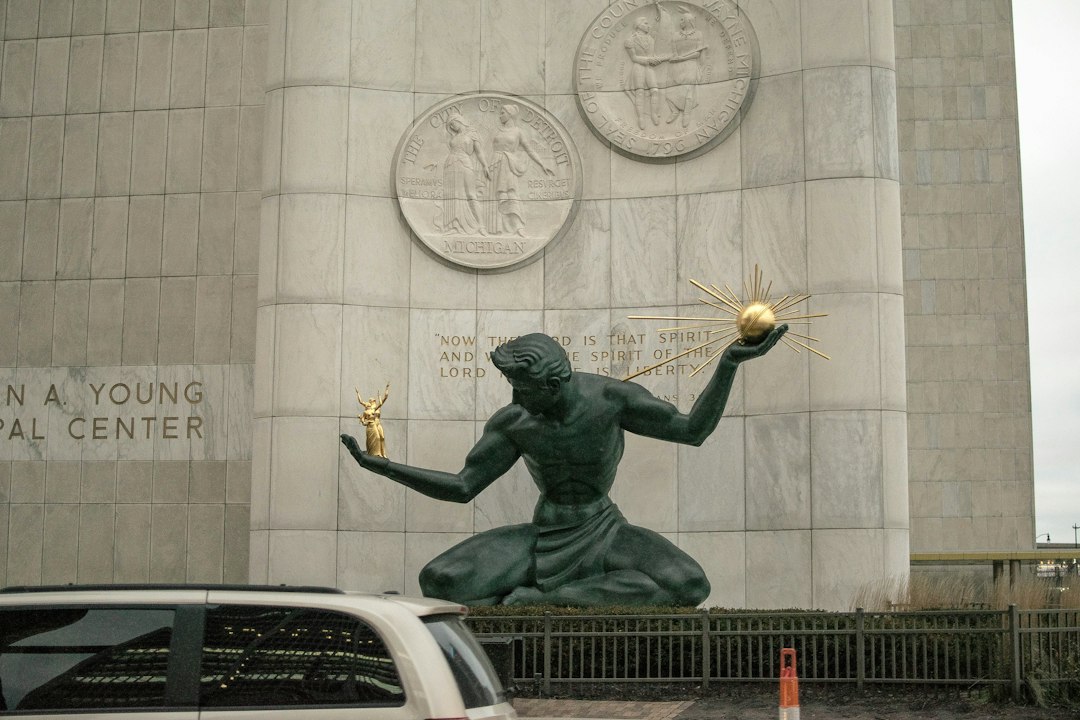
Photo by Matthew Moloney on Unsplash
Discover more from City Towner
Subscribe to get the latest posts sent to your email.