History of Irving Texas
Irving, Texas, a vibrant city nestled within the Dallas-Fort Worth (DFW) Metroplex, has a rich history marked by significant growth and development. Known for its modern amenities and business hubs, Irving’s journey began with a vision of creating a thriving community that bridges heritage and progress. This article delves into Irving’s history, exploring how it evolved from a small settlement to a key player in North Texas.
Founding of Irving
Irving was founded in 1903 by J.O. Schulze and Otis Brown, two real estate developers who saw potential in this area along the Texas Central Railroad. It was officially incorporated on April 14, 1914, marking its transformation from an agricultural village into a recognized municipality. The founders aimed to create a planned city with infrastructure that could support both residential and commercial growth. Schulze and Brown’s vision was rooted in fostering a balanced, community-centered environment that accommodated early settlers’ needs.
Development in the 20th Century
In the early 1900s, Irving experienced slow but steady growth. Its location along the Texas Central Railroad facilitated trade and communication, which attracted settlers interested in both agriculture and small business ventures. The city’s first decades were characterized by limited industrial activity, focusing instead on establishing schools, churches, and essential services. As the 20th century progressed, however, Irving began to witness substantial expansion.
Impact of the Railroad
The presence of the Texas Central Railroad was instrumental in Irving’s initial growth. The railroad provided a vital link to other Texan cities and helped facilitate trade, making Irving a convenient stop for both goods and passengers. Early settlers, mainly farmers and merchants, took advantage of this connectivity to trade crops, livestock, and other essential goods. The railroad’s impact on Irving’s growth was profound, as it served as the main artery that connected the community to broader economic opportunities.
Agriculture in Early Irving
Agriculture formed the backbone of Irving’s early economy. The fertile soil of North Texas allowed for diverse farming, including the cultivation of crops like cotton, corn, and wheat, as well as livestock rearing. Farmers leveraged the railroad to transport their products to markets across Texas, creating a steady income for the city’s early settlers. As urban development expanded, the role of agriculture began to decline, yet its contributions to Irving’s initial growth remain a significant part of the city’s history.
Boom Period of the 1950s
The 1950s marked a major turning point in Irving’s history, driven by a post-World War II economic boom. Irving experienced rapid population growth as families from across the country moved to Texas, attracted by job opportunities and affordable suburban living. Residential subdivisions began sprouting across the city, catering to the growing demand for housing. The construction of amenities such as shopping centers, schools, and recreational facilities further enhanced Irving’s appeal.
Establishment of Major Highways
The construction of major highways in the 1950s and 1960s, including State Highway 183 and Interstate 635, accelerated Irving’s growth by improving accessibility. These highways connected Irving to Dallas and Fort Worth, making it an attractive location for both residents and businesses. The improved road network not only facilitated commuting but also attracted industries seeking logistical advantages. It also fostered suburban development, as more people found Irving an ideal place to live and work.
Diversification in the 1970s-1980s
The 1970s and 1980s saw Irving transition from an agriculture-based economy to a more diversified business environment. The city attracted various industries, from manufacturing to financial services, contributing to sustained economic growth. Irving’s proximity to the DFW International Airport, which opened in 1974, was a pivotal factor in this transformation. The airport’s presence made Irving an attractive hub for businesses seeking international connectivity.
Cultural Transformation
Irving’s growth wasn’t limited to economic factors; the city also evolved culturally. The development of venues like the Irving Arts Center, established in 1980, marked the city’s commitment to nurturing arts and culture. Music festivals, theater productions, and community events became integral parts of Irving’s identity, drawing residents and tourists alike. Additionally, the city’s diverse population brought new cultural influences, further enriching its social fabric.
Role in the DFW Metroplex
As a part of the DFW Metroplex, Irving has played a crucial role in the region’s overall growth. Its strategic location between Dallas and Fort Worth has made it a convenient place for businesses, leading to increased job opportunities and population growth. Irving’s infrastructure, amenities, and commitment to economic development have contributed significantly to making the DFW Metroplex one of the fastest-growing metropolitan areas in the United States.
Introduction of Las Colinas
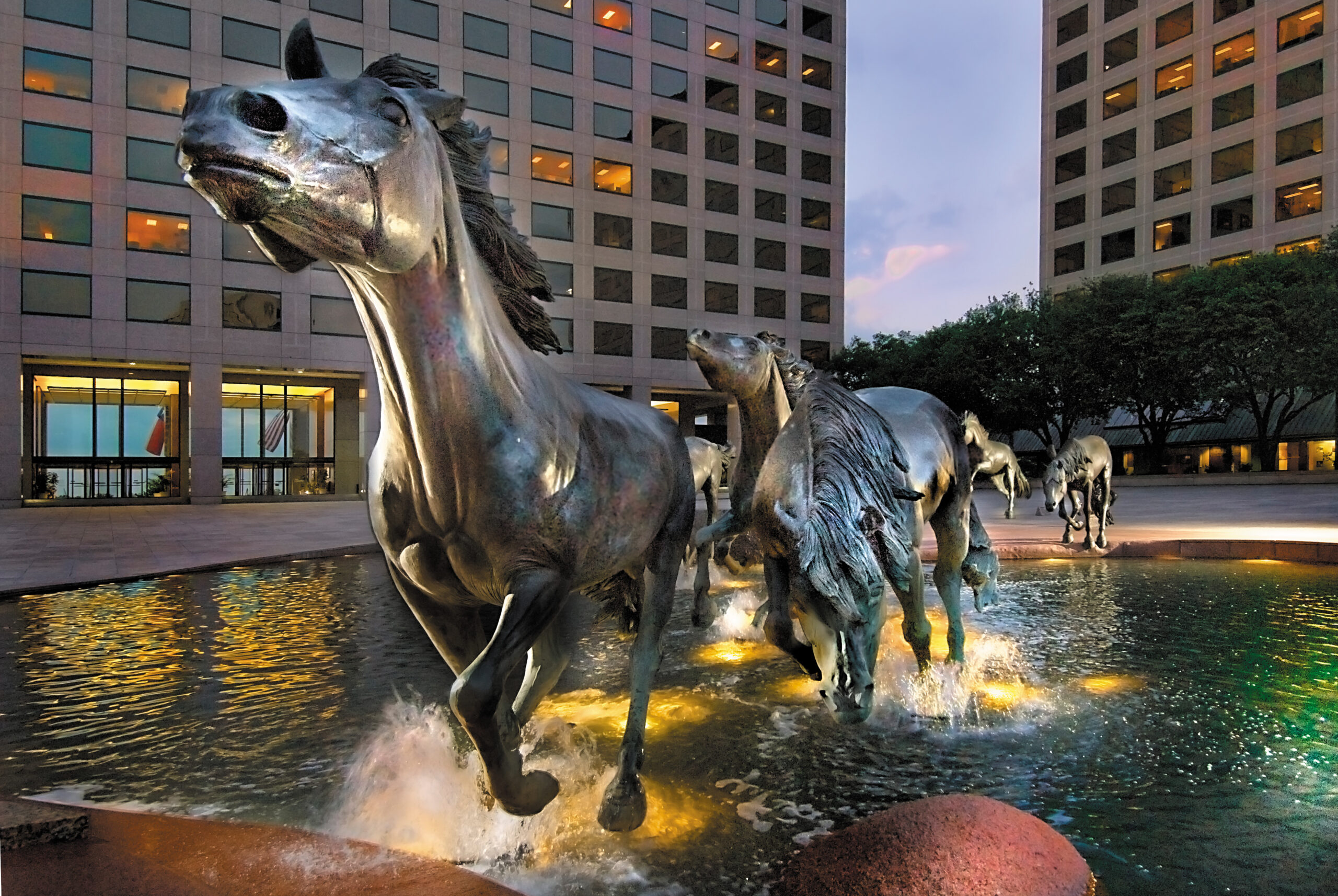
One of Irving’s most notable developments is the creation of Las Colinas in the 1970s, a master-planned community envisioned by Ben Carpenter. Las Colinas became a symbol of urban sophistication, with office buildings, luxury residences, golf courses, and the renowned Mandalay Canal Walk. It attracted major corporations and established Irving as a premier business destination, reinforcing its role in the region’s economic landscape.
Growth of the Business Sector
Over the decades, Irving has become home to the headquarters of numerous Fortune 500 companies, such as ExxonMobil and Kimberly-Clark. This business growth has created thousands of jobs, boosting the local economy and making Irving a key player in the Texas business community. The city’s business-friendly environment and infrastructure have encouraged both new enterprises and established companies to invest in Irving.
Educational Advancements
Education has always been a priority for Irving, with the city investing in schools, colleges, and vocational training programs. The Irving Independent School District (IISD) and institutions like North Lake College have contributed to a well-educated workforce. Programs focused on science, technology, engineering, and mathematics (STEM) have positioned Irving as a city that values academic excellence and innovation.
Modern Irving
Today, Irving is a dynamic city with a population of over 250,000 residents. It boasts a diverse community, modern infrastructure, thriving business centers, and vibrant cultural hubs. The city continues to evolve with developments in technology, green spaces, and sustainable initiatives, making it a desirable place for both residents and visitors. Irving’s story is one of constant growth, adaptation, and a vision for a prosperous future.
Conclusion
The history of Irving, Texas, reflects a city that has continually adapted to change while maintaining a strong sense of community. From its early days as a small agricultural settlement to its current status as a thriving business and cultural hub within the DFW Metroplex, Irving’s past is marked by resilience, vision, and a commitment to progress. As Irving looks toward the future, it remains an integral part of North Texas’s success story.
Discover more from City Towner
Subscribe to get the latest posts sent to your email.