The Disappearance of Virginia Sue Pictou-Noyes in Bangor Maine
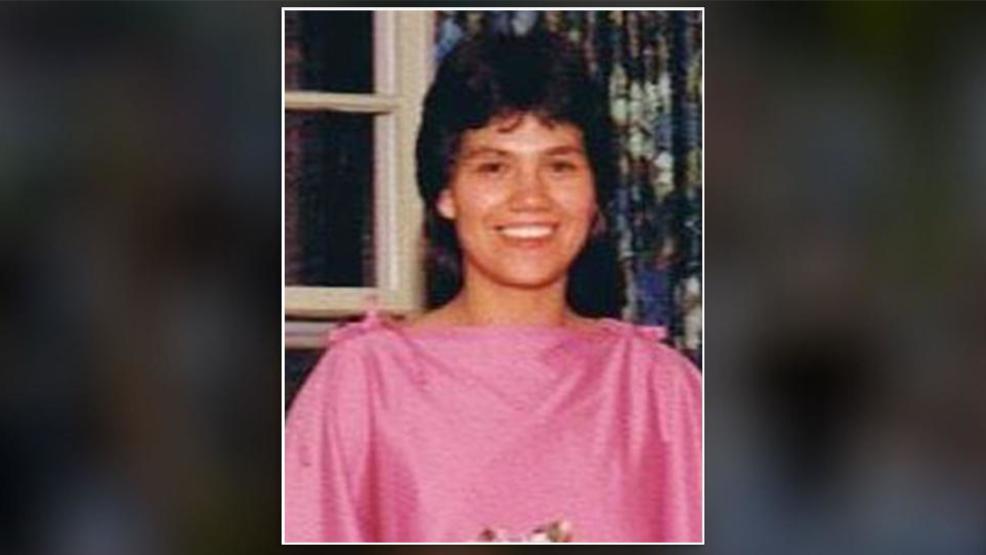
Virginia Sue Pictou-Noyes was 26 years old, a young mother from Easton, Maine, with a family that depended on her and a daily life shaped by responsibility. People close to her have consistently described her as devoted to her children and rooted in her community. That sense of duty matters in this case because what happened in Bangor was not a quiet disappearance that began with planning or distance. It began with chaos, injury, and an urgent need to get home.
In the early 1990s, Northern Maine could feel far from everything, even inside the same state. Travel between small towns and Bangor was common for errands and appointments, but it was still a long road, especially without reliable transportation or a safe support system. On April 27, 1993, Virginia ended up in Bangor under circumstances that quickly turned dangerous.
The Bangor Trip That Turned Violent
On April 27, 1993, Virginia traveled to Bangor with her husband, Larry Noyes, and others. At some point during the night, heavy drinking took over the situation. What had started as a night out turned into a domestic violence incident that escalated into a law enforcement response.
Virginia was assaulted. Police became involved, and Larry was arrested for domestic assault. The event was not just an argument or a misunderstanding. It was serious enough that Virginia needed medical attention and was brought to Eastern Maine Medical Center in Bangor.
This is the first critical hinge in the timeline. The case is not only about a missing person. It is about the narrow window after violence, when a victim is injured, disoriented, and trying to make decisions under stress while the person accused of harming them is moving through the criminal justice process.
Eastern Maine Medical Center And A Desperate Need To Get Home
At Eastern Maine Medical Center, Virginia repeatedly said she needed to get back to her children in Easton. That statement shows up again and again in how the case is described, and it gives the disappearance its emotional center. She was injured, had just endured an assault, and was still focused on the people waiting for her at home.
Virginia did not complete her medical evaluation. She left the hospital before her checkup was finished. There are a few ways to interpret a choice like that, but the simplest is often the most human. She was scared, overwhelmed, and desperate to return to what felt familiar, even if home carried its own dangers. She may also have felt pressure about time, childcare, money, or the fear of what would happen next.
Once she walked out, the case moved from documented events to uncertainty. Hospitals have routines and records. Streets at night have shadows and gaps. After Virginia left the hospital, the question became painfully basic: how did she try to get from Bangor back to Northern Maine, and who crossed her path during that attempt.
The Disappearance Timeline And The Problem Of The Last Confirmed Sighting
Virginia’s disappearance is commonly dated to April 27, 1993, tied to the Bangor events, the hospital visit, and the immediate aftermath. From there, accounts point to a likely path north, as if she was trying to work her way back toward Easton by any ride she could find.
Investigators later expressed the belief that Virginia received a ride to a truck stop in Houlton, Maine. That detail matters because it shifts the disappearance from Bangor to Aroostook County, placing her much closer to home but still not safely there. Some reporting also describes her being last seen walking away from the truck stop area, and the trail goes cold after that.
There have also been references to the idea that she may have made it to Mars Hill and used a phone booth, suggesting she was still actively trying to reach help or arrange a ride. But like many long running missing person cases, the farther you get from the first official reports, the more the story becomes a mix of confirmed facts and pieces that are harder to lock down.
Houlton, Mars Hill, And The Harsh Geography Of Getting Home
To understand the danger Virginia faced, you have to picture the distance and the terrain. Bangor is a regional hub, but Easton sits far north near the border. Houlton is a gateway town in Aroostook County, and Mars Hill is another stop on the route that could plausibly appear in an improvised journey home.
Even today, trying to move between those towns without a car can be risky. In April, the weather can still be cold, the nights long, and the roads unforgiving. A person traveling on foot, hitchhiking, or relying on strangers is vulnerable. Add injuries, fear, and fatigue, and the vulnerability multiplies.
If Virginia did reach the Houlton area and left on foot, she may have been exposed to multiple dangers at once: hypothermia, exhaustion, an accident on the roadway, or the threat of encountering someone willing to exploit a desperate situation. The case has never offered a single confirmed answer for which danger became real.
Domestic Violence Context And Why The Hours After Matter Most
This case cannot be separated from domestic violence. The assault was not background information. It was the event that placed Virginia in Bangor, brought her to the hospital, and set the stage for everything that followed.
The period immediately after a domestic violence incident is often one of the most dangerous times for a victim. Emotions are heightened, decisions are rushed, and control dynamics can intensify. It is also a time when a victim may try to leave, reconcile, hide, or simply get home without fully thinking through risk. Virginia’s repeated insistence that she had to return to her children suggests she may have been weighing safety against responsibility and choosing what felt necessary in the moment.
Larry eventually made bail and was released. That fact is another hard edge in the timeline, because it raises unavoidable questions about where he went, who he contacted, and whether anyone else was involved in the days and hours after Virginia vanished.
The Investigation, The Suspicions, And The Long Silence
Over the years, Virginia’s family has pushed for answers and kept her name in the public eye. Like many families in unresolved cases, they have had to live with a kind of double life: ordinary days on the outside, constant uncertainty underneath.
Public discussion of the case has often included suspicion of foul play. Some narratives have pointed toward people in Virginia’s orbit and have questioned whether she could have been intercepted after leaving medical care, especially given the earlier violence and the fact that her disappearance did not match how loved ones understood her character.
What makes the case especially difficult is that the most important window is also the least documented: the stretch between her leaving Eastern Maine Medical Center and the last reported sighting in the Houlton area. That is where a witness, a receipt, a security camera, or a confirmed phone record could have changed everything. In 1993, many of the tools that help solve cases today were not available or were not widely used.
The Human Question At The Center Of The Case
Virginia Sue Pictou-Noyes did not vanish from a wilderness trail or a distant highway. She disappeared after a night that began with drinking, turned violent, and ended with her walking out of a hospital while focused on getting back to her children.
That image is why the case has endured. It is not only a mystery. It is a portrait of a person trying to navigate fear and responsibility at the same time, and then being swallowed by the gap between one town and the next.
Her disappearance remains unresolved. What happened after April 27, 1993 is still the unanswered question, and the pain of that unknown has lasted far longer than the night that started it.
Discover more from City Towner
Subscribe to get the latest posts sent to your email.