
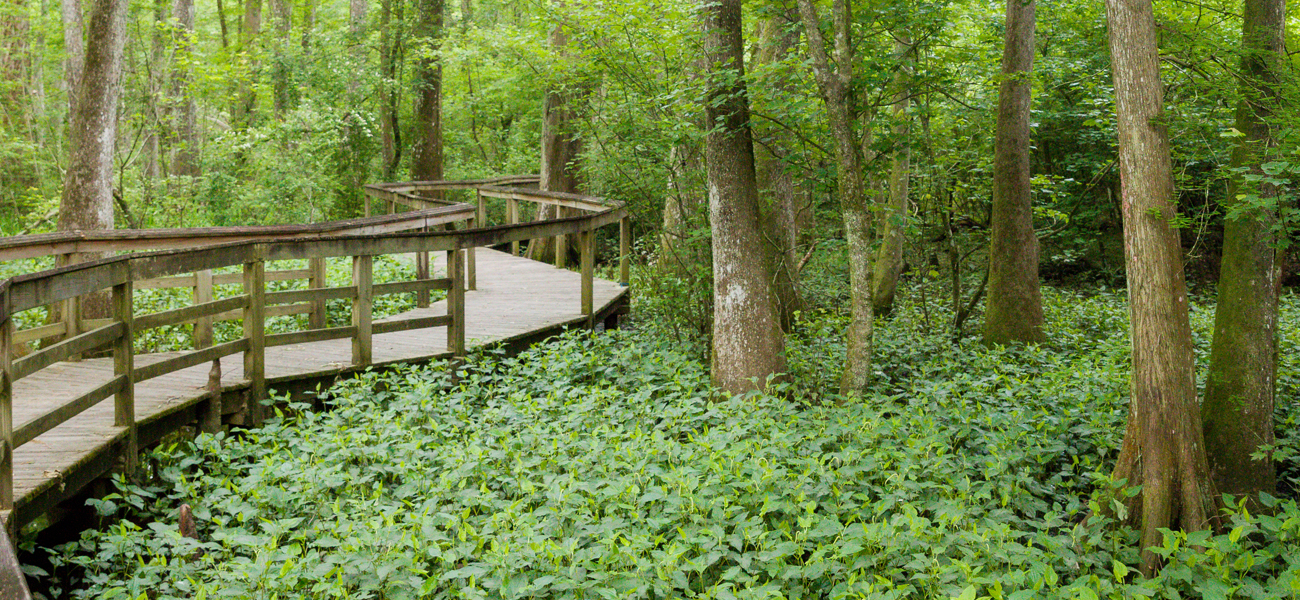
Bluebonnet Swamp Nature Center in Baton Rouge Louisiana
Bluebonnet Swamp Nature Center is one of the most distinctive outdoor destinations in Baton Rouge, Louisiana because it offers visitors a chance to step into a preserved swamp landscape without leaving the city. Managed by BREC, the site spans 103 acres and combines conservation, education, recreation, and tourism in a setting that feels both peaceful and deeply rooted in Louisiana’s natural identity. The nature center is located on North Oak Hills Parkway in Baton Rouge and has become a well known place for locals, school groups, nature lovers, photographers, and families looking to experience native habitats up close.
What makes Bluebonnet Swamp Nature Center especially appealing is the contrast it creates. Baton Rouge is a capital city with busy roads, government buildings, neighborhoods, and university activity, yet inside this preserve visitors find cypress and tupelo swamp, hardwood forest, quiet trails, boardwalks, and opportunities to observe wildlife. That change in atmosphere gives the site a special value. It feels like a place where the pace slows down and the landscape begins to tell its own story.
The center is more than a scenic stop. It was created to connect people with Louisiana’s ecosystems and to help them understand the natural world through direct experience. The site includes trails, observation decks, habitat variety, and indoor exhibits, which means a visit can be both relaxing and educational. For many people in Baton Rouge, Bluebonnet Swamp Nature Center represents one of the easiest and most rewarding ways to experience the beauty of South Louisiana nature close to home.
The Setting and Landscape of the Swamp
The landscape at Bluebonnet Swamp Nature Center reflects the ecological richness that makes Louisiana so visually and biologically distinctive. Official descriptions of the site note that more than a mile of gravel paths and boardwalks connect multiple habitat types, including cypress tupelo swamp, beech magnolia areas, and hardwood forest. This variety is one of the center’s strongest features because it allows visitors to experience several different natural environments during a single trip.
Boardwalks are especially important in a place like this because they let visitors move through wet and sensitive terrain while still protecting the habitat. Walking along these raised paths gives people a close look at the swamp without requiring them to disturb it. The result is an experience that feels immersive but still respectful of the environment. Water, trees, undergrowth, and changing light all shape the mood of the area, and different times of day or seasons can make the same trail feel entirely different.
The swamp also serves as a reminder that Louisiana’s identity is not just cultural or historical but ecological. Wetlands, forest edges, bird habitats, and swamp environments are central to the region’s character. Bluebonnet Swamp Nature Center preserves a piece of that landscape inside Baton Rouge and makes it accessible to people who may not be able to travel far into more remote conservation areas. That accessibility is part of what gives the site such lasting value.
A Place Built for Conservation and Education
Bluebonnet Swamp Nature Center is not simply a park with a walking path. It was designed as a conservation and education focused facility. Official tourism and BREC related descriptions emphasize that the site is dedicated to conservation, education, recreation, and tourism, which shows how broad its mission really is. It exists not only to preserve land but also to help visitors understand what they are seeing and why it matters.
That educational mission is visible in the center’s indoor spaces as well as on the trails. The facility includes an award winning building of about 9,500 square feet with live animal exhibits, photographic presentations, displays of flora and fauna, natural artifacts, mineral displays, and a carved waterfowl decoy collection. Periodic ecology and art exhibits add even more depth to the experience. This means a visit can begin indoors with interpretation and context, then continue outside where the habitats and wildlife bring those lessons to life.
For children, school groups, and families, that blend of learning and exploration can be especially powerful. Instead of only reading about wetlands or viewing them in a documentary, visitors can actually walk through a swamp environment, hear the sounds around them, and connect abstract environmental ideas to a real place. That direct relationship between education and experience is one of the reasons nature centers like this remain important in urban and suburban communities.
Wildlife and the Appeal of the Outdoors
One of the main reasons people visit Bluebonnet Swamp Nature Center is the opportunity to see wildlife. Official descriptions highlight the abundance of birds at the site, including seasonal migrants and year round residents. For birders, that alone makes the swamp a rewarding destination. A place that supports hundreds of bird species during different times of the year offers a dynamic experience because no two visits are exactly the same.
Beyond birds, the center’s indoor exhibits include live animals, and outside the trails create opportunities to observe the kinds of small creatures, insects, reptiles, and amphibians that thrive in wetland habitats. Because this is Louisiana, the natural setting itself feels full of life. Visitors are not only looking at trees and water. They are entering an ecosystem where movement, sound, and subtle changes in the environment reward patience and attention.
This wildlife appeal also changes with the seasons. Migration periods can bring different bird activity, while weather, water levels, and temperature can shift what visitors notice on the trails. That means the site encourages repeat visits. Someone who comes once in cooler weather may return in warmer months and encounter a different rhythm, different vegetation patterns, and different wildlife behavior. In that sense, Bluebonnet Swamp Nature Center is not a one time attraction but a place that can continue to reveal new details over time.
Trails Boardwalks and Visitor Experience
The trail system is one of the most important parts of the Bluebonnet Swamp experience. Official materials note that the site features more than a mile of gravel paths and boardwalks, and the published trail map shows trailheads, observation decks, a pond, boardwalk access points, and other visitor areas. These elements make the preserve easier to navigate while encouraging visitors to pause and absorb the setting rather than rush through it.
Observation decks add another layer to the visit because they create places for stillness. In a swamp environment, stillness matters. It allows people to notice reflections in the water, the shape of the trees, bird movement above the trails, and the quiet details that can be missed when walking too fast. These viewing points help make the site feel contemplative as well as educational.
The layout also suggests that the center is meant to welcome a range of visitors, from casual walkers to more dedicated nature enthusiasts. Some may come for a short afternoon walk. Others may move more slowly, taking photographs or studying the habitat. The mix of boardwalks, decks, and pathways helps accommodate those different styles of exploration. That flexibility is part of why Bluebonnet Swamp Nature Center appeals to both first time visitors and returning locals.
The History and Development of the Site
Bluebonnet Swamp Nature Center has a meaningful place in Baton Rouge’s park and conservation history. BREC identifies the swamp as a 103 acre conservation area and describes current planning work as the first of its kind since the site opened in 1997. Other reference material also identifies May 17, 1997 as the opening date and notes that it was BREC’s first nature conservation based park. Together, those sources show that Bluebonnet Swamp Nature Center was an important step in expanding how Baton Rouge approached nature education and conservation access.
The broader BREC history page shows that the organization purchased land for Bluebonnet Swamp and that the site later faced challenges including impacts from Tropical Storm Allison. BREC’s improvements page also says the swamp has faced a range of ecological and accessibility challenges since its conception. Those details help explain why preservation and planning continue to matter there. A swamp preserve is not static. It is a living landscape affected by weather, hydrology, maintenance needs, and public use.
That ongoing evolution adds depth to the site’s story. Bluebonnet Swamp Nature Center is not only a preserved landscape but also a long term community investment. Baton Rouge has continued to treat it as a place worth maintaining, studying, and improving. That continuing commitment suggests the center has become an established and valued part of the city’s identity.
Why Bluebonnet Swamp Matters to Baton Rouge
In a growing city, places like Bluebonnet Swamp Nature Center serve multiple purposes at once. They provide recreation, environmental education, habitat protection, and a sense of escape. For Baton Rouge, that matters because the city is known for government, industry, neighborhoods, and LSU, yet Bluebonnet Swamp offers a different kind of local experience. It gives residents and visitors a chance to reconnect with the natural side of Louisiana without traveling far from the urban landscape.
The center also helps preserve a sense of regional identity. Louisiana’s swamps, wetlands, and forests are central to how people imagine the state, but not everyone regularly interacts with those environments. By making them visible and approachable, Bluebonnet Swamp Nature Center keeps that ecological identity close at hand. It helps people remember that Baton Rouge is part of a larger environmental story shaped by water, forests, wildlife, and wetland systems.
There is also a civic value in having a place that invites curiosity across age groups. Children can learn basic environmental lessons there. Adults can walk the trails for reflection and exercise. Birders can follow seasonal movement. Families can spend time together outdoors. In that sense, the center supports not just conservation but also community wellbeing.
Planning a Visit
Current official hours listed by BREC are Tuesday through Saturday from 9:00 a.m. to 5:00 p.m. and Sunday from noon to 5:00 p.m. BREC also states that last admission to the trails is at 4:15 p.m., the site closes at 5:00 p.m., and the facility is closed on Mondays. The trail map repeats the same last admittance and closing details. Because hours can change for holidays or special circumstances, it is wise to check the official BREC page before visiting.
The nature center is located at 10503 North Oak Hills Parkway in Baton Rouge, which places it within the southern part of the parish and makes it relatively accessible for residents and visitors already staying in the city. The published map shows parking, trail access, the pond, observation decks, and the education building, all of which suggest a visit can be comfortably planned around either a short stop or a longer outing.
Because the experience centers on outdoor trails and a swamp habitat, a thoughtful visit usually means allowing enough time to slow down. This is not a place best rushed. The setting rewards people who pause, listen, and observe. A calm walk, a look at the exhibits, and time on the decks can turn a simple outing into something much more memorable. That is really the strength of Bluebonnet Swamp Nature Center. It offers not spectacle but immersion.
Final Thoughts on Bluebonnet Swamp Nature Center
Bluebonnet Swamp Nature Center stands out because it captures something essential about Louisiana in a form that is accessible, educational, and deeply atmospheric. It is a preserved natural area, a learning space, a wildlife destination, and a place for reflection all at once. The site’s 103 acres, varied habitats, trails, exhibits, and long standing role in Baton Rouge’s park system make it one of the city’s most meaningful attractions.
For visitors, the center offers a chance to experience Baton Rouge from a different angle. Instead of focusing only on politics, sports, or city life, Bluebonnet Swamp reveals the quieter environmental character of the region. It shows that Baton Rouge is not only a capital city and university town but also part of a living Louisiana landscape shaped by wetlands, forests, and native wildlife.
That is why Bluebonnet Swamp Nature Center continues to matter. It reminds people that nature does not have to be distant to be meaningful. Sometimes one of the best ways to understand a place is to walk through its trees, listen to its birds, and watch its water move. In Baton Rouge, Bluebonnet Swamp Nature Center offers exactly that kind of experience.
Discover more from City Towner
Subscribe to get the latest posts sent to your email.