
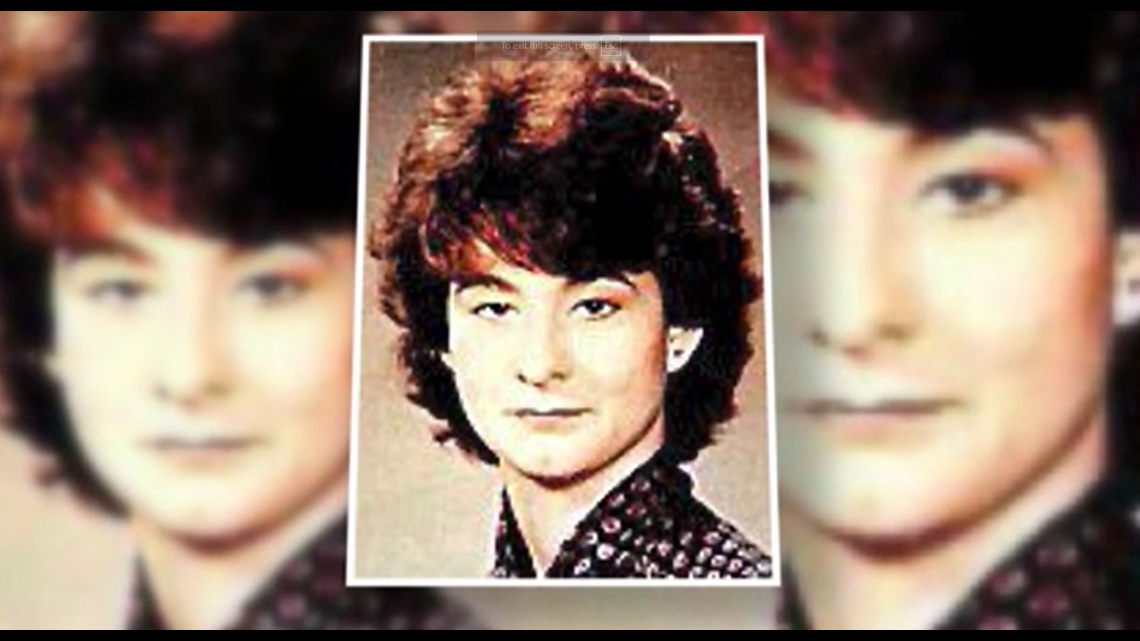
Leichia Reilly Disappeared in West Seneca New York
On January 31, 1985, 21 year old Leichia Reilly disappeared in West Seneca, New York, leaving behind a mystery that has never been solved. Her case has remained one of the most troubling unsolved disappearances connected to the Buffalo area, not only because of her young age, but also because of the circumstances surrounding the last time she was seen. Decades later, the questions that haunted her family, investigators, and the public still remain.
Disappearance cases often become harder to understand as the years pass. Memories fade, evidence grows cold, and the details that once seemed sharp begin to blur. Yet some cases continue to stand out because of how unsettling the final known moments appear. Leichia Reilly’s disappearance is one of those cases. It was not a situation where someone simply left town and started over. It was a case in which a young woman vanished after a night out, and from the beginning there were troubling details that gave the story a dark and disturbing tone.
The passage of time has not erased interest in what happened to her. Instead, it has deepened the sadness and mystery of the case. Every year that passes makes the silence feel heavier. Her name is still remembered because her story never reached a proper ending. There was no reunion, no clear explanation, and no justice that could bring peace to those who cared about her.
The Night Leichia Reilly Was Last Seen
Leichia Reilly was last seen in the early morning hours of January 31, 1985, after being at the Pierce Arrow in West Seneca. At the time, the Pierce Arrow was a known local establishment, and for many people it would have been an ordinary place to spend part of an evening. Nothing about going out that night would have suggested that it would become the setting for the final confirmed chapter of a young woman’s life.
According to the known timeline, Leichia was last seen around 3:00 a.m. That hour has become central to every retelling of the case because it marks the point where normal activity gave way to uncertainty. Many disappearances hinge on a small window of time, and in this case that narrow gap became critical. What happened after she left has never been fully explained.
Cases like this are often shaped by the final sighting because it becomes the foundation for every later theory and investigation. Once the last verified moment is identified, everything afterward becomes a matter of reconstruction. That is what makes Leichia’s case so haunting. There is a known place, a known approximate time, and known people connected to those last moments. Yet despite that, the truth remains out of reach.
A Disappearance That Raised Immediate Questions
From the start, Leichia Reilly’s disappearance did not appear to be ordinary. When a young woman vanishes after a night out and never returns home, concern naturally rises quickly. That concern grows even stronger when the circumstances involve conflicting accounts, uncertain movements, and no confirmed trace of the missing person after the last sighting.
One of the reasons the case has remained so compelling is that suspicion and unanswered questions emerged early. This was not a disappearance in which there were no leads at all. Instead, it was a case where the existing leads seemed troubling, but they never led to a conclusive resolution. For the public, that has always made the story feel especially frustrating. There were details to examine, people to question, and timelines to compare, but even with those elements in place, the case remained open and unresolved.
That tension between having some information and still not having enough is what makes certain cold cases feel almost unbearable. It creates the sense that the truth may have been close enough to grasp at one point, but somehow slipped away. In Leichia’s case, that feeling has followed the story for decades.
The Importance of the Last Known Timeline
In any missing persons case, the timeline is everything. Investigators try to pin down where the person was, who they were with, when they were seen, and what happened next. A timeline can either narrow the focus or widen the field of uncertainty. In Leichia Reilly’s disappearance, the last known timeline became the center of the entire case.
The early morning setting matters because it naturally limits the number of witnesses and increases vulnerability. At that hour, fewer people are around, visibility is lower, and ordinary activity slows down. If something suspicious happens, there may be fewer people who see it clearly or remember it accurately. That reality has likely played a role in why the case has remained so difficult to solve.
A timeline is only as strong as the reliability of the people connected to it. When accounts differ or leave gaps, the timeline becomes less solid. In a disappearance case, even a small contradiction can become deeply important. A few missing minutes, a disputed conversation, or uncertainty about who left with whom can change the direction of an investigation. That appears to be one of the enduring problems in Leichia Reilly’s case. There were key details, but the clarity needed to turn those details into a solved case never fully arrived.
The Human Cost Behind the Mystery
It is easy for old cases to become lists of dates, locations, and unanswered questions, but behind every missing persons case is a person whose absence changed many lives. Leichia Reilly was not just a name in a file. She was a daughter, a young woman with a future, and someone whose disappearance created a wound that never fully closed.
Families of missing persons endure a special kind of pain because they are denied certainty. In a confirmed death, as devastating as it is, there is at least an end point that allows grief to take a recognizable shape. In a disappearance, families are left between hope and despair. They may imagine rescue one day and fear the worst the next. That emotional back and forth can continue for years, even decades.
For those who knew Leichia, every anniversary would have carried heavy meaning. January 31 would not simply be another date on the calendar. It would be a reminder of the moment when life split into before and after. Cases that remain unsolved create a cruel kind of permanence. Time moves on for the rest of the world, but for loved ones, part of life stays frozen at the moment the person vanished.
Why the Case Still Matters
A disappearance from 1985 might seem distant to some people, but cases like this still matter because they represent unfinished justice. The age of a case does not lessen its importance. If anything, the years can make the need for answers feel even stronger. Each passing year is another reminder that someone disappeared and the truth was never fully brought into the light.
Cold cases also matter because they test the limits of the justice system. They ask whether a case can survive the erosion of time. They raise questions about whether enough was done, whether witnesses were pressed hard enough, and whether overlooked evidence might still exist somewhere in old files, old memories, or forgotten leads. In that way, the disappearance of Leichia Reilly is not just about the past. It is also about the ongoing responsibility to seek truth even when the years have made the search harder.
Public memory plays an important role in keeping such cases alive. As long as people continue to speak her name and revisit the circumstances of her disappearance, the case resists being buried by time. That does not guarantee a solution, but it does prevent total silence. In many unsolved cases, silence is one of the greatest enemies because it allows distance to become indifference. Leichia Reilly’s case has never completely faded, and that continued attention matters.
The Shadow of Uncertainty
One of the most disturbing aspects of unsolved disappearances is that uncertainty becomes part of the story itself. In Leichia Reilly’s case, the lack of a clear conclusion has created a long shadow over everything connected to the final hours before she vanished. Even where there are details that seem suspicious or troubling, the absence of a definitive answer keeps the case in a painful gray area.
That uncertainty affects how people talk about the case. It leads to theories, speculation, and repeated attempts to fill in the blanks. Yet speculation can never truly replace evidence. It may reflect public suspicion, but it cannot deliver proof. That is why so many unsolved cases remain emotionally difficult long after the news coverage fades. People feel that something terrible likely happened, but likely is not the same as proven.
This gray area can be deeply frustrating for both investigators and the public. When a case seems to point in a troubling direction but still does not result in a solved outcome, it leaves a sense of unfinished business that never goes away. Leichia Reilly’s disappearance has carried that weight for decades.
The Challenge of Cold Case Investigations
Investigating a disappearance from the mid 1980s comes with obvious challenges. The technology available at the time was far more limited than what investigators can use today. Surveillance systems were not what they are now. Digital records did not exist in the same way. Cell phone location data was not available. Modern forensic methods that might help rebuild a person’s final movements were simply not part of the investigative toolbox in the same form.
Because of those limitations, older cases often depend heavily on witness statements, physical evidence collected at the time, and the quality of the initial investigation. If errors were made early, those mistakes can cast a long shadow. If key testimony was inconsistent, that inconsistency can become even harder to resolve years later. If evidence was missed or mishandled, the opportunity to learn from it may be gone forever.
At the same time, cold case work can still produce breakthroughs. Advances in forensic science, renewed public attention, and fresh review of old statements can sometimes uncover details that were once overlooked. That possibility is part of why families and advocates continue to hope. Even after many years, there is always the chance that one person may come forward, one overlooked detail may stand out, or one forgotten fact may shift the case in a meaningful way.
A Case That Lives in Memory
Some cases leave behind such a strong emotional mark that they become part of a community’s memory. Leichia Reilly’s disappearance is one of those cases. It is remembered not just because it is unsolved, but because it captures a larger fear that has always existed beneath stories of missing persons. A young woman goes out, is last seen in a public place, and then is simply gone. That kind of story lingers because it touches something deep and unsettling.
Communities remember these cases because they represent both loss and vulnerability. People imagine their own daughters, sisters, friends, or loved ones in the same situation. They think about how ordinary the night may have seemed before everything changed. They think about how easily a routine evening can turn into a lifelong mystery.
Memory also matters because it keeps pressure on institutions to continue caring about old cases. Once a case slips fully from public attention, the chances of renewed energy can decline. When a name remains known, there is always at least some possibility that interest will return, that investigators will revisit the file, or that someone with information will finally feel compelled to speak.
The Enduring Search for Answers
The disappearance of Leichia Reilly on January 31, 1985, in West Seneca, New York, remains a painful unsolved mystery. What should have been an ordinary winter night became the beginning of a decades long search for answers. The known facts provide a framework, but they do not provide closure. That gap between what is known and what is missing is exactly why the case continues to resonate.
Her story endures because it represents more than one vanished person. It represents the anguish of families waiting for answers, the difficulty of solving old cases, and the importance of refusing to let unresolved disappearances be forgotten. Even after so many years, the simple question remains as powerful as ever: what happened to Leichia Reilly?
Until that question is answered, her case will remain open not only in law enforcement records, but in the minds of those who still care. Every mention of her name is a reminder that someone disappeared and never came home. Every retelling is an act of memory. Every renewed discussion is a quiet refusal to let time erase her.
In the end, that may be one of the most meaningful things that can be done in an unsolved case. When certainty is absent, remembrance becomes its own form of dignity. Leichia Reilly’s disappearance still matters because her life mattered, and because a story without answers still deserves to be told with care, seriousness, and respect.
Discover more from City Towner
Subscribe to get the latest posts sent to your email.



I remember this case well, I worked for the main suspects defense attorney who died many years ago.