25 Fun Facts About Columbus Georgia
Columbus, Georgia, is one of the most interesting cities in the state because it blends riverfront beauty, military history, industrial heritage, Southern culture, outdoor adventure, and a strong sense of community. Located on the Chattahoochee River along the Alabama border, Columbus has been shaped by trade, transportation, manufacturing, war, civil rights, education, and modern redevelopment. It is a city where historic brick buildings, river rapids, museums, neighborhoods, military traditions, and arts venues all help tell the story of western Georgia.
Many people know Columbus because of its connection to Fort Moore, its downtown riverfront, or its location near the Georgia and Alabama line. But the city has many layers that make it more than a simple military town or regional business center. It has been a frontier settlement, a river trading hub, a textile powerhouse, a Civil War supply center, a music and arts community, and a modern destination for outdoor recreation. These 25 fun facts show why Columbus, Georgia, stands out as one of the South’s most distinctive cities.
1. Columbus Was Founded in 1828
Columbus was officially founded in 1828, making it one of Georgia’s historic planned cities from the early nineteenth century. Its location along the Chattahoochee River was chosen for trade, transportation, and future development. The city was laid out during a time when westward expansion and river commerce were shaping the growth of Georgia.
The founding of Columbus marked an important moment in the development of western Georgia. The city quickly became a gateway between Georgia and Alabama, connecting farms, markets, river routes, and settlers moving through the region.
2. The City Was Named After Christopher Columbus
Columbus, Georgia, was named after Christopher Columbus, reflecting the naming traditions of the era. Many American cities and towns founded during the eighteenth and nineteenth centuries were named after historical figures, political leaders, explorers, or patriotic symbols.
The name helped give the new city a sense of ambition and importance. Early leaders wanted Columbus to become a major commercial center, and the name fit the bold vision they had for the city’s future.
3. The Chattahoochee River Shaped the City
The Chattahoochee River is one of the most important features in Columbus history. The river provided transportation, water power, trade routes, natural beauty, and a boundary between Georgia and Alabama. Without the Chattahoochee, Columbus would not have developed in the same way.
For generations, the river supported commerce, industry, and recreation. Today, it remains central to the city’s identity. The riverfront is one of the most visited and recognizable parts of Columbus.
4. Columbus Sits on the Georgia and Alabama Border
Columbus is located directly across the Chattahoochee River from Phenix City, Alabama. This gives the city a unique cross state identity. People often live, work, shop, eat, and attend events on both sides of the river.
The Georgia and Alabama connection has shaped the city’s culture and economy. Columbus serves as a regional center not only for western Georgia but also for parts of eastern Alabama.
5. Columbus Became a Major River Trading City
During its early years, Columbus grew as a river trading city. Steamboats and river traffic helped move cotton, goods, people, and supplies along the Chattahoochee. The river connected Columbus to other markets and helped the city become an important commercial hub.
River trade brought merchants, warehouses, workers, and businesses to Columbus. It also helped the city grow into one of Georgia’s important economic centers during the nineteenth century.
6. The Fall Line Helped Power Early Industry
Columbus sits near the fall line, where the land changes from the Piedmont to the Coastal Plain. This natural feature creates rapids and water power, which made the location valuable for mills and factories.
The fall line helped Columbus become an industrial city. Water power from the Chattahoochee supported textile mills and other manufacturing operations. This natural advantage shaped the city’s economy for generations.
7. Columbus Was One of the South’s Important Textile Centers
Textile manufacturing played a major role in Columbus history. The city became known for its mills, factories, and industrial workforce. Cotton from the surrounding region helped supply the textile industry, while river power and later other energy sources supported production.
The textile industry created jobs, neighborhoods, mill villages, and commercial growth. Many old mill buildings still stand today, reminding residents and visitors of the city’s industrial past.
8. Columbus Played a Role in the Civil War
During the Civil War, Columbus was an important Confederate industrial and supply center. Its factories produced textiles, weapons, equipment, and other materials used in the war effort. Because of this, the city became strategically important.
Columbus was also the site of fighting near the end of the war. The Battle of Columbus took place on April 16, 1865, after Confederate General Robert E. Lee surrendered at Appomattox Court House on April 9, 1865. Because of its timing, it is often remembered as one of the last major land battles of the Civil War.
9. Columbus Has a Deep Military Connection
Columbus is closely connected to Fort Moore, formerly known as Fort Benning. The nearby military installation has shaped the city’s economy, culture, population, and identity for more than a century.
Military families, soldiers, veterans, civilian workers, and contractors are all part of the Columbus community. The presence of Fort Moore has made Columbus one of the most important military connected cities in the Southeast.
10. Fort Moore Has Brought People From Across the World
Because of Fort Moore, Columbus has welcomed people from all over the United States and beyond. Soldiers and families stationed nearby bring different backgrounds, traditions, accents, foods, and experiences to the city.
This has helped make Columbus more diverse and culturally varied than some people might expect. The military connection influences restaurants, schools, businesses, churches, neighborhoods, and community life.
11. Columbus Has One of the Longest Urban Whitewater Courses
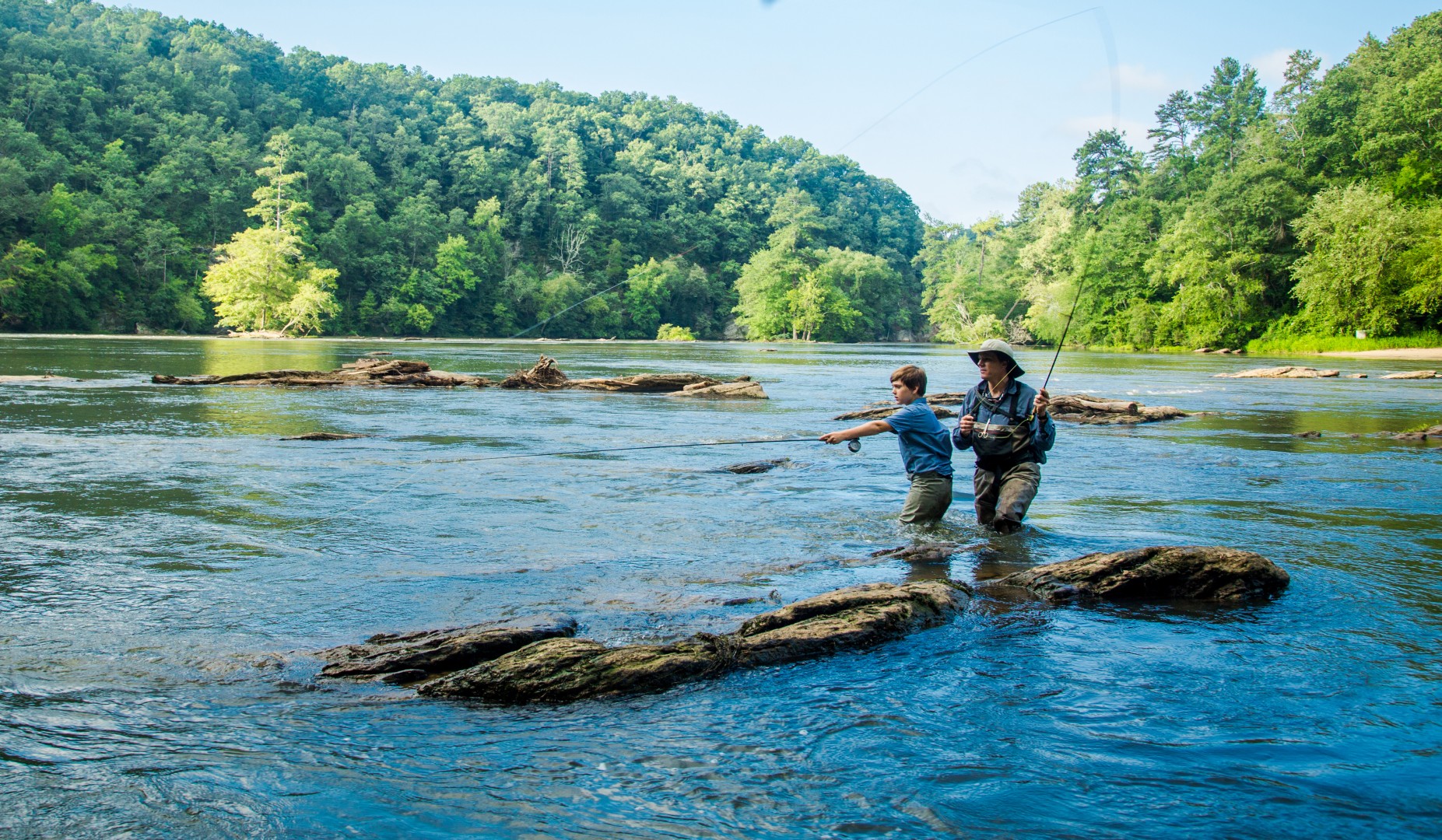
One of the most exciting modern attractions in Columbus is whitewater rafting on the Chattahoochee River. The city is known for having one of the longest urban whitewater courses in the world, bringing outdoor adventure directly into the downtown area.
This feature has helped transform the riverfront into a recreation destination. Visitors can experience rapids, river views, and downtown energy all in one place. It is one of the most unique things about Columbus.
12. The Chattahoochee RiverWalk Is a Local Treasure
The Chattahoochee RiverWalk is one of Columbus’s most popular public spaces. It stretches along the river and gives walkers, runners, cyclists, and visitors a scenic way to enjoy the city. The RiverWalk connects nature, history, recreation, and downtown life.
It is a favorite place for exercise, photography, family outings, and peaceful walks. The RiverWalk also helps reconnect the modern city to the river that shaped its founding and growth.
13. Downtown Columbus Has Seen Major Renewal
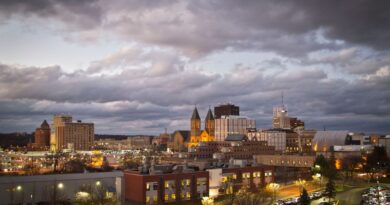
Downtown Columbus has gone through significant renewal over the years. Historic buildings, restaurants, apartments, entertainment venues, museums, public spaces, and riverfront attractions have helped bring new life to the area.
This renewal has made downtown one of the city’s most energetic districts. Visitors can enjoy food, nightlife, arts, events, river activities, and historic scenery in the same area.
14. Columbus Has a Strong Arts Scene
Columbus has a vibrant arts and culture community. The city supports theater, music, visual art, dance, museums, festivals, and public performances. Cultural venues help make Columbus more than a business or military city.
The arts scene adds creativity and energy to the community. It gives residents and visitors opportunities to enjoy performances, exhibitions, concerts, and educational programs throughout the year.
15. The City Has Historic Mill Buildings
Columbus’s old mill buildings are some of the most visible reminders of its industrial past. Many were built during the city’s textile era, when manufacturing was central to the local economy.
Some of these historic buildings have been preserved, restored, or adapted for new uses. They help give Columbus a distinctive architectural character and connect modern development to the city’s working class history.
16. Columbus Is Home to Important Museums
Columbus has several museums and cultural institutions that help preserve its history and identity. The city’s museums cover art, regional history, military history, science, and local culture.
These institutions make Columbus an educational destination. They help visitors understand the city’s past, from Native history and river trade to industry, war, civil rights, and modern growth.
17. The National Infantry Museum Is a Major Attraction
The National Infantry Museum near Fort Moore is one of the most important military museums in the region. It honors the history and service of the United States Army Infantry and attracts visitors from across the country.
The museum is especially meaningful for military families, veterans, history lovers, and anyone interested in understanding the role of infantry soldiers in American military history. It strengthens Columbus’s reputation as a city deeply connected to military service.
18. Columbus Has Strong Southern Food Traditions
Food is a big part of Columbus culture. The city has deep Southern food traditions, including fried chicken, barbecue, catfish, collard greens, macaroni and cheese, cornbread, biscuits, peach cobbler, sweet tea, and soul food favorites.
The local food scene also includes modern restaurants, brunch spots, coffee shops, bakeries, seafood restaurants, international cuisine, and downtown dining. Columbus offers a strong mix of comfort food and newer culinary energy.
19. Columbus Has a Connection to Coca-Cola History
Columbus has a notable connection to Coca-Cola history through Dr. John Stith Pemberton, the pharmacist credited with creating Coca-Cola. Pemberton spent part of his life in Columbus before the drink became famous around the world.
This connection gives Columbus a special place in the story of one of the most recognized beverage brands in history. It is one of the city’s most interesting claims to wider cultural fame.
20. The City Has Many Historic Neighborhoods
Columbus has historic neighborhoods with older homes, tree lined streets, churches, and architectural character. These neighborhoods reflect different periods of the city’s growth, from early settlement and Victorian influence to twentieth century expansion.
Historic neighborhoods help preserve the city’s sense of place. They show that Columbus is not only a modern riverfront city but also a community with deep residential roots.
21. Columbus State University Adds Energy to the City
Columbus State University plays an important role in the city’s educational, cultural, and economic life. The university brings students, faculty, performances, programs, and community partnerships to Columbus.
Its presence supports the arts, workforce development, research, athletics, and downtown activity. A university helps keep a city active and forward looking, and Columbus benefits from that influence.
22. Columbus Has a Strong Music and Performance Tradition
Music and live performance are important parts of Columbus culture. The city has hosted concerts, theater productions, church music, school performances, festivals, and community events for generations.
Southern cities often have strong musical roots, and Columbus reflects that tradition. From gospel and blues influences to classical performances and modern concerts, music helps bring people together throughout the city.
23. The City Blends Old Industry With Outdoor Adventure
One of the most interesting things about Columbus is the way it blends old industry with modern recreation. Historic mill buildings and industrial sites sit near river trails, whitewater rapids, parks, and public gathering spaces.
This combination gives Columbus a unique personality. The city has not erased its industrial past. Instead, it has turned parts of that history into a backdrop for recreation, tourism, dining, and downtown renewal.
24. Columbus Is a Gateway to Western Georgia
Columbus serves as an important gateway to western Georgia. Its location, size, economy, medical services, schools, shopping, and cultural attractions make it a regional center for surrounding communities.
People from smaller towns often come to Columbus for work, health care, entertainment, education, shopping, and dining. This regional role has helped the city remain important throughout different periods of Georgia history.
25. Columbus Continues to Reinvent Itself
Columbus has changed many times since its founding in 1828. It has been a Native homeland, frontier town, river trading center, industrial city, Civil War supply hub, textile city, military community, and modern riverfront destination. Each era has added another layer to its identity.
Today, Columbus continues to reinvent itself through downtown redevelopment, riverfront recreation, historic preservation, arts, education, military partnerships, and business growth. Its ability to adapt is one of the most important fun facts about the city. Columbus is not frozen in the past. It is a city that keeps building on its history while looking toward the future.
Why Columbus Georgia Stands Out
Columbus, Georgia, stands out because it has a rare mix of history, natural beauty, military importance, industry, culture, and outdoor adventure. Few cities can claim such a close relationship with a major river, a large military installation, historic textile mills, a revitalized downtown, and urban whitewater recreation all at once.
Its story is full of contrasts. Columbus is Southern and modern, historic and active, industrial and scenic, military connected and artistically creative. It has faced difficult chapters, including slavery, war, segregation, economic shifts, and urban decline, but it has also shown resilience through renewal, preservation, and community pride.
These 25 fun facts show that Columbus is more than a city on the map. It is a place where the Chattahoochee River still matters, where history remains visible, where military service shapes daily life, and where modern attractions continue to bring new energy to an old Georgia city.
Discover more from City Towner
Subscribe to get the latest posts sent to your email.