
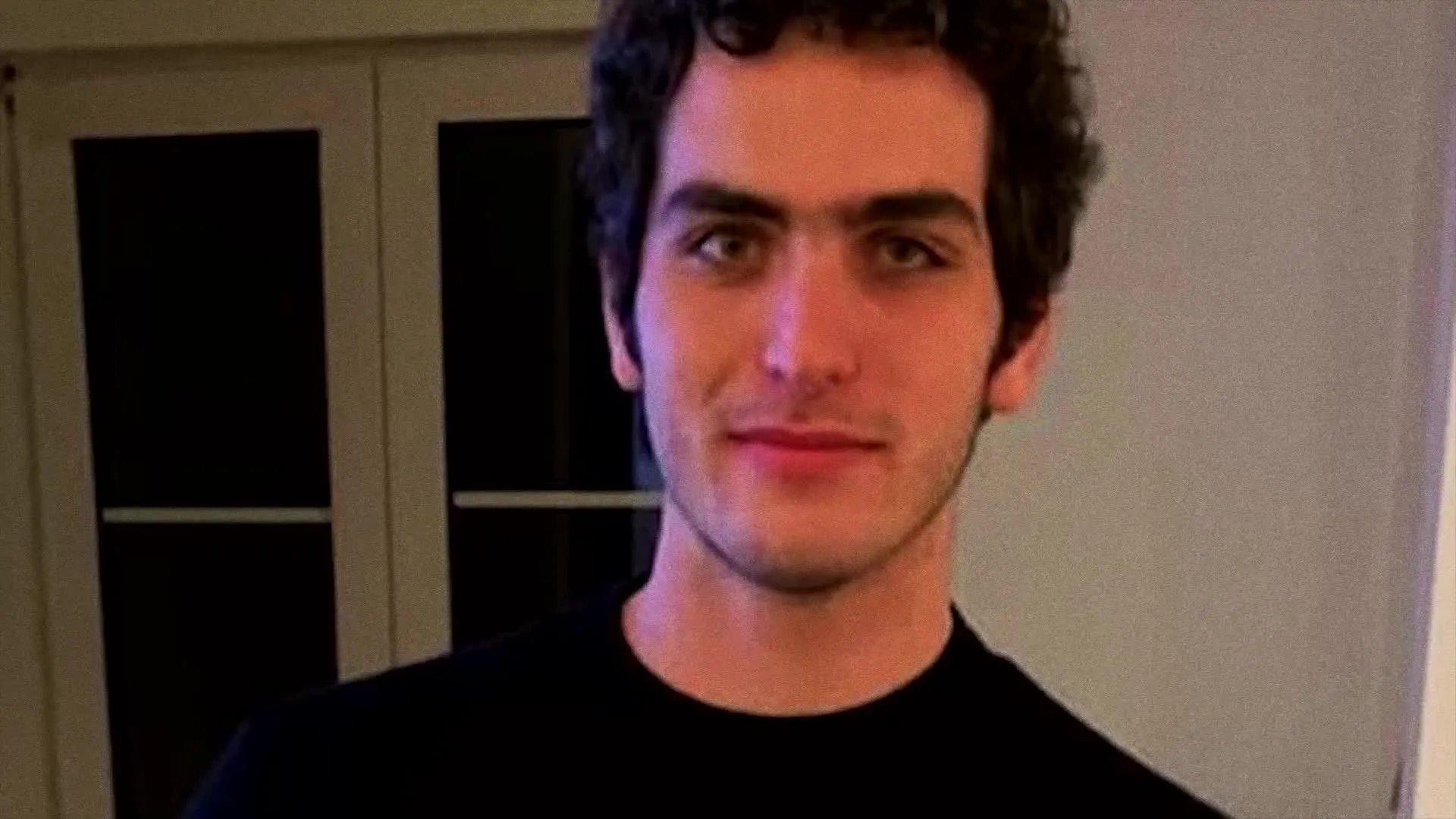
The Disappearance of Dane Bryan Elkins
The disappearance of Dane Bryan Elkins is an unsettling missing person case involving a young college student, gifted athlete, and beloved son whose life took a frightening turn in December 2020. Dane was 21 years old when he vanished, and his case has remained a painful mystery for his family, friends, and those who have followed the search for him. He was reported missing after a series of concerning events connected to Los Angeles, California, and the surrounding freeway areas north of the city.
Dane’s disappearance is often discussed in connection with December 21, 2020, a date tied to troubling accounts of his final known movements and the discovery of his vehicle. The circumstances have raised many questions about where he went, what he may have been experiencing, and why he has not been located. His case is especially difficult because it involves signs of possible emotional distress, an abandoned car, personal belongings left behind, and years of unanswered questions.
At the center of the case is a young man with a future that appeared full of potential. Dane was a student at the University of California, Santa Cruz, where he studied engineering. He was also known for his extraordinary success in racquetball, a sport in which he had achieved national recognition. His disappearance shocked those who knew him and left his family searching for clarity in a case where every detail matters.
Who Was Dane Bryan Elkins?
Dane Bryan Elkins was a 21-year-old man from California with a strong academic and athletic background. He was described as about 5 feet, 11 inches tall and weighing around 170 pounds, with brown hair and green eyes. These basic identifying details became part of missing person flyers and public alerts, but they only tell a small part of who he was.
Dane was widely recognized in the racquetball world. From a young age, he developed into a highly accomplished player and earned attention for his skill, discipline, and competitive success. Athletes who reach that level often spend years training, traveling, competing, and building the mental toughness required to perform under pressure. Dane’s achievements suggested focus and determination, qualities that made his disappearance feel even more shocking.
He was also a college student studying engineering, a demanding field that requires concentration and problem-solving ability. As a student at UC Santa Cruz, Dane was working toward a future that could have taken many paths. He was at an age when many people are learning who they are, building independence, and navigating the pressure of school, family expectations, personal goals, and adult responsibilities.
To his family, Dane was not a public case or a headline. He was their son, their loved one, and someone whose absence changed everything. His disappearance left them with the kind of uncertainty that can be more painful than almost anything else because there is no confirmed answer, no final explanation, and no way to stop wondering what happened.
What Happened on December 21, 2020?
The date December 21, 2020, is widely associated with the circumstances surrounding Dane Bryan Elkins’ disappearance. Accounts connected to the case describe Dane traveling by vehicle and later being connected to a frightening situation near a freeway area north of Los Angeles. During this period, he reportedly contacted his mother and expressed fear. He was also said to have contacted emergency services.
The details suggest that something was wrong. Dane reportedly sounded distressed and may have believed he or his family was in danger. When authorities became involved, his vehicle was eventually found abandoned. Inside the car, important personal items were reportedly left behind, including his phone, wallet, and laptop.
Those details are significant because they do not fit ordinary behavior. Most people do not willingly leave behind the items they need to communicate, identify themselves, access money, and continue daily life. A phone can provide directions, emergency contact, and a connection to loved ones. A wallet contains identification and financial resources. A laptop can be especially important for a college student. The fact that these belongings were reportedly left in the vehicle made the disappearance more alarming.
The abandoned vehicle became one of the most important known pieces of the case. It suggested that Dane may have left the car suddenly or under circumstances that were not planned. Whether he walked away, became disoriented, accepted a ride, encountered someone, or suffered some kind of crisis remains unknown. What is clear is that after this point, Dane was no longer safely accounted for.
Where the Case Unfolded
Dane Bryan Elkins’ disappearance is connected to Los Angeles, California, and the surrounding region. Los Angeles is a sprawling city with dense neighborhoods, heavy traffic, and many highways that connect to other parts of Southern California. In a missing person case, that geography can make tracking someone extremely difficult, especially if the person has access to a vehicle or leaves the immediate city area.
Much of the public discussion of Dane’s case has focused on the area near Interstate 5 and Templin Highway, close to Castaic, California. This area lies north of Los Angeles and has a different feel from the city itself. It includes freeway stretches, hills, open terrain, and areas that can become isolated quickly once someone leaves the road.
If a person exits a vehicle in that kind of location, the possibilities become broad and frightening. They could walk along the freeway, move toward nearby roads, enter brush or uneven land, or become difficult to spot from passing vehicles. At night, the danger increases. Darkness, traffic, weather, lack of communication, and confusion can all create serious risk.
The location matters because it helps explain why Dane’s case became so urgent. A missing person without a phone, wallet, or transportation may be vulnerable anywhere, but a freeway area near open terrain can be especially concerning. Searches in such places can be difficult, and even a short delay can allow a person to move far from the original location.
The Abandoned Car and the Items Left Behind
The discovery of Dane’s car remains one of the most haunting parts of the case. A vehicle can provide investigators and family members with clues, but it can also deepen the mystery when the clues do not explain where the person went. In Dane’s case, the car reportedly contained his phone, wallet, and laptop.
The phone is perhaps the most important item. In modern missing person investigations, a phone often helps establish a timeline. It may show calls, texts, app activity, location history, or the last people contacted. When the phone is left behind, the missing person becomes much harder to trace. They also lose their easiest way to call for help, contact family, use maps, or communicate with authorities.
The wallet is also important. Without identification, money, or cards, a missing person has fewer resources. If Dane had intended to leave voluntarily for an extended period, it would be unusual to leave his wallet behind. That does not prove what happened, but it suggests that his departure from the vehicle may have been sudden, confused, or driven by panic.
The laptop adds another layer. As an engineering student, Dane likely depended on his laptop for schoolwork and personal information. Like the phone and wallet, it was not something most students would abandon without reason. Taken together, the items left behind suggest that Dane was not simply beginning a planned trip away from home. The scene appeared to reflect distress or disruption.
Concerns About Dane’s State of Mind
One of the most sensitive parts of Dane Elkins’ disappearance involves concern about his mental and emotional state around the time he vanished. Public discussions of the case have included the possibility that he may have been experiencing a mental health crisis. This possibility is important, but it must be discussed with care and compassion.
A person in crisis may behave in ways that seem unusual or confusing to others. They may feel afraid, believe they are in danger, avoid help, leave familiar places, or make decisions they would not normally make. If Dane was experiencing this kind of distress, it could explain why he may have left his car and belongings behind. It could also explain why finding him became so difficult.
Mental health concerns do not make a missing person less responsible, less loved, or less worthy of urgent attention. In fact, they can make the search even more urgent. Someone who is frightened, confused, or disconnected from reality may be at greater risk of injury, exposure, exploitation, or accidental harm. They may not seek help even when they need it. They may avoid police, family, or strangers because they do not feel safe.
For Dane’s family, this possibility has likely made the case even more painful. They are left not only wondering where he is, but also wondering what he may have been feeling in his final confirmed moments. The thought that he may have been scared or alone is one of the most heartbreaking aspects of the case.
A Promising Life Interrupted
Before Dane vanished, he had already built a life marked by achievement. His racquetball accomplishments showed that he was not an ordinary competitor. Success at that level requires years of practice, sacrifice, and resilience. It often means giving up free time, traveling for tournaments, dealing with pressure, and learning how to win and lose in public.
Dane’s academic path also showed promise. Engineering is not an easy course of study. It requires structure, patience, and analytical thinking. For a young man balancing college with the legacy of athletic achievement, the future may have seemed full of possibilities. He could have continued in sports, pursued an engineering career, or followed an entirely different direction as adulthood unfolded.
That is part of what makes his disappearance so difficult to understand. Missing person cases often force the public to look at a person through one final event, but Dane’s life was much larger than the day he vanished. He had memories, relationships, goals, talents, and a family that loved him. His story should not be reduced only to mystery. It is also the story of a young man whose life mattered before the world knew him as missing.
The Search for Dane
After Dane disappeared, his family and supporters worked to keep attention on his case. Families of missing people often become investigators, advocates, organizers, and public voices all at once. They distribute flyers, speak with reporters, review tips, monitor possible sightings, and keep the person’s name alive long after the first wave of public attention fades.
The search for Dane has involved continued public awareness because someone may have seen something that did not seem important at the time. A person walking near a freeway, appearing confused, asking for help, entering a business, accepting a ride, or moving through another city could be remembered later. In missing person cases, small details can become important when connected to a timeline.
Possible sightings can also be emotionally difficult. Each lead brings hope, but also fear of disappointment. Families must decide which tips seem credible, which need follow-up, and which may be mistaken. Years can pass with no confirmed answer, but loved ones continue because stopping feels impossible.
The search for Dane reflects both love and determination. His family has not treated his disappearance as a closed story. They have continued looking, hoping that renewed attention might reach the one person who knows something useful.
Why This Case Remains Unresolved
Dane Bryan Elkins’ disappearance remains unresolved because the known facts do not provide a complete path from the abandoned vehicle to his final location. Investigators and family members have pieces of the story, but not the answer. They know he disappeared. They know his vehicle was connected to the case. They know important belongings were reportedly left behind. They know he may have been distressed. What they do not know is where he went next.
That gap is the heart of the mystery. Did Dane leave the area on foot? Did someone pick him up? Did he make it to another town? Did he become lost or injured in the surrounding terrain? Did he avoid contact because he was afraid? Was there an encounter that has never been reported? Each possibility raises more questions.
Missing adult cases can be especially complicated. Adults have the right to travel or leave voluntarily, but when the circumstances suggest danger or vulnerability, families often have to push hard for continued attention. Without clear evidence of a crime, cases can become difficult to classify. Yet the absence of evidence does not mean the absence of danger.
Dane’s case remains troubling precisely because the circumstances suggest he may not have been in a normal or safe state of mind. The personal items left behind and the reported distress make it hard to believe this was a simple voluntary disappearance. Still, without confirmed evidence, the case remains open and uncertain.
The Pain of Not Knowing
For the loved ones of a missing person, not knowing is its own kind of suffering. There is no clear grieving process when someone disappears. Families live between hope and fear. They may imagine reunions, but they may also fear the worst. They look at strangers in public places. They follow tips. They remember birthdays, holidays, and ordinary days with an absence that never becomes normal.
Dane’s family has had to live with that uncertainty since December 2020. Every year that passes adds weight to the case, but it does not erase the need for answers. Time can make leads harder to confirm, memories less clear, and records more difficult to recover. At the same time, time can also bring new attention. Someone who was afraid to speak before may come forward. Someone may recognize Dane from a renewed article, video, or flyer. A detail once overlooked may become meaningful.
The emotional burden of a case like this is hard to measure. Families are forced to keep telling the story because silence can make a missing person disappear a second time. By repeating Dane’s name and sharing the facts, they continue to insist that he matters and that his case deserves attention.
Remembering Dane Bryan Elkins
Dane Bryan Elkins should be remembered as more than a missing person. He was a son, a student, an athlete, and a young man with a future. His racquetball achievements reflected dedication, but his value was never limited to what he accomplished. He was loved by people who continue to search for him and hope for answers.
His disappearance on December 21, 2020, in the Los Angeles, California, area remains one of those cases where the known details are deeply concerning but incomplete. An abandoned vehicle, personal belongings left behind, and possible signs of distress all point to a young man who may have needed help. Yet the final answer remains unknown.
The continued search for Dane is a reminder that missing person cases require public attention long after the first reports fade. People can help by remembering his name, recognizing his face, and understanding the basic facts of the case. A single credible tip can change an investigation. A remembered encounter can help build a timeline. A small piece of information can matter.
Until Dane is found, his disappearance remains an open wound for those who love him. His story is not finished, and his family’s search for answers continues.
Discover more from City Towner
Subscribe to get the latest posts sent to your email.