The Suspicious Death of Dawn Pasela in Parma Ohio
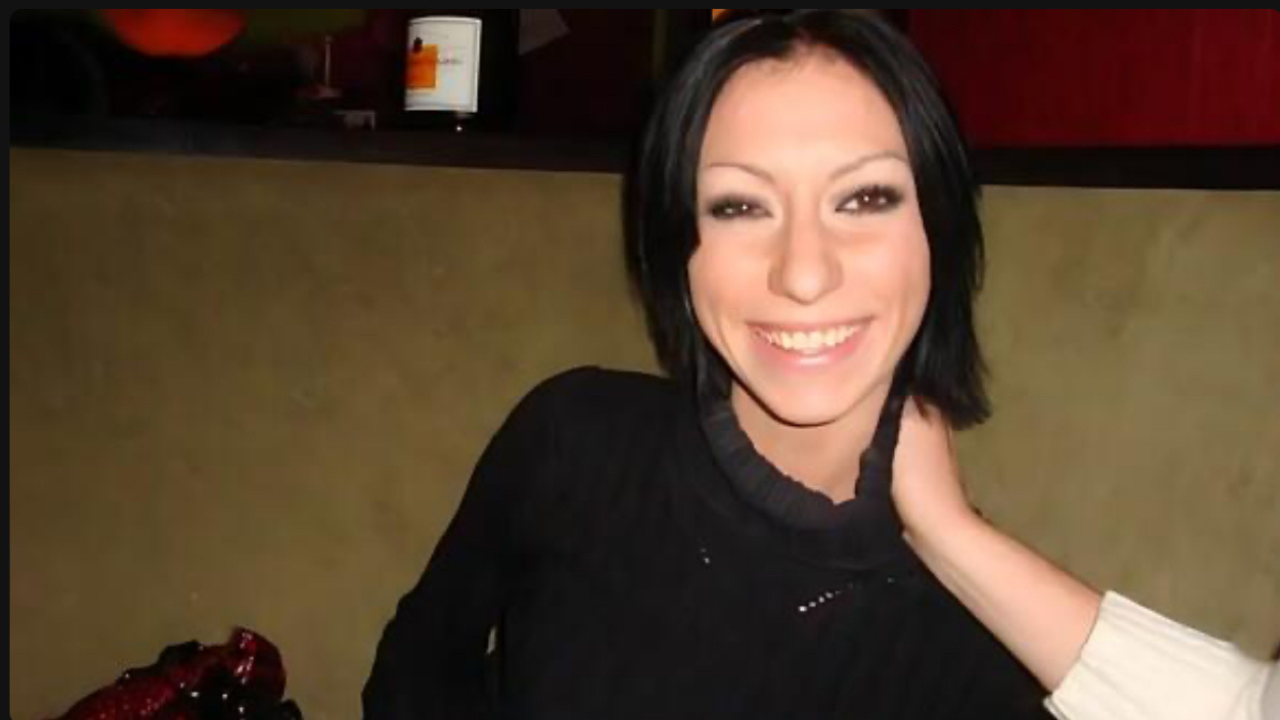
The death of Dawn Marie Pasela has remained one of those cases that continues to trouble people long after the official paperwork was finished. On April 25, 2012, the 26 year old Parma, Ohio woman was found dead in her apartment during what began as a welfare check. What should have become a straightforward explanation of a sudden death instead grew into a deeply controversial case that has lingered in the minds of loved ones, supporters, and community members for years.
At the center of the story is a young woman whose family has never fully accepted that the circumstances of her death were properly understood or properly investigated. Over time, Dawn’s case has come to represent more than a private family tragedy. It has become a symbol of the frustration that can follow when relatives believe key questions were never answered and important investigative steps were either missed or not taken seriously enough.
Cases like this endure because they sit in an uneasy space between official conclusions and public doubt. In Dawn Pasela’s case, that tension has only grown stronger with time. Her name continues to resurface because the people who loved her believe the story of her death does not add up, and because the questions surrounding that day have never truly gone away.
Who Was Dawn Marie Pasela
Dawn Marie Pasela was a young woman from Parma whose death at age 26 cut short a life that many around her believed still held tremendous promise. Public remembrances described her as beloved by her family and mourned by a wide circle of relatives and friends. Her obituary reflected the traditional language of grief, love, and loss, but behind that simple public tribute was a much more complicated aftermath.
To those closest to her, Dawn was not just another name in a file or a line in an obituary. She was a daughter, a sister, a relative, and someone whose life mattered far beyond the moment of her death. That is part of why the case has had such staying power. Families do not usually spend years pressing for renewed attention unless they feel something remains unresolved at the core of the loss.
Over the years, Dawn’s story has become increasingly public. Supporters have argued that she was not simply the victim of tragic personal circumstances, but someone whose death may deserve a much closer look. Whether those suspicions can ever be fully proven is another matter, but the persistence of those claims has kept her case alive long after many others would have faded from memory.
What Happened on April 25, 2012
On April 25, 2012, Dawn Pasela was found dead in her Parma apartment after police responded to a welfare check. That is the basic framework of the event and the point on which public reporting generally agrees. What happened before police arrived, however, remains the source of the lasting controversy.
The official determination that emerged from the case pointed to alcohol as the cause of death. That conclusion shaped the early handling of the matter and influenced how authorities understood the event. From an official standpoint, the case appeared to have an explanation. Yet for Dawn’s family and later supporters, the explanation did not settle the central problem. Instead, it opened the door to more questions.
Those questions centered on the surrounding circumstances rather than the bare fact that she died. Loved ones and advocates have argued that the context of her death was not fully explored, that details around the apartment and the investigation did not receive the attention they deserved, and that there were reasons to doubt whether the matter should have been treated so simply. In suspicious death cases, it is often not one dramatic fact that keeps people unsettled. It is the accumulation of smaller concerns, the things that seem incomplete, inconsistent, or left hanging.
That appears to be what happened here. Dawn’s death was not just mourned. It was scrutinized. The more it was scrutinized, the more some people came to believe that the official version of events did not offer a complete picture.
Why the Death Is Described as Suspicious
The word suspicious carries enormous weight, especially in a death investigation. It does not automatically mean murder, and it does not prove a crime occurred. What it signals is doubt. In Dawn Pasela’s case, that doubt has survived for years because her family and supporters believe important parts of the story were either overlooked or never fully addressed.
One reason the case has remained controversial is the gap between the official ruling and the emotional certainty of those who knew her. Families often struggle with sudden loss, but this situation appears to have moved beyond ordinary grief. Public efforts to revisit the case suggest that Dawn’s loved ones believe there are concrete reasons to question how the investigation was handled.
A suspicious death case often grows stronger in the public mind when it includes unanswered questions about evidence, interviews, timelines, or the actions that followed discovery of the body. In Dawn’s case, those kinds of concerns have repeatedly surfaced in discussions around the investigation. Supporters have argued that the available explanation did not satisfy the facts as they understand them, and that more should have been done to examine the circumstances surrounding her final hours.
That does not make every allegation true, and it does not erase the need for caution when discussing a real person’s death. But it does explain why this case continues to be described as suspicious by people who believe the original conclusions left too much unresolved.
The Official Conclusion and the Public Doubts
One of the most important tensions in this case is the difference between what officials concluded and what Dawn’s family continues to believe. Official conclusions carry institutional weight. They shape whether a case stays active, how it is categorized, and whether further resources are devoted to it. Once a death is viewed as explained, it becomes much harder to reopen public attention around it.
That is exactly why families in cases like this often feel powerless. If the official system says the matter has been settled, relatives are left trying to overcome the force of that decision with persistence, advocacy, and public pressure. Dawn Pasela’s loved ones appear to have spent years doing just that. Their position suggests they believe the conclusion reached in 2012 did not reflect the full reality of what happened.
Public doubt tends to grow when an official ruling appears too neat for a messy situation. That does not mean the ruling was wrong, but it does mean that confidence in it can erode over time, especially when additional details emerge or public attention returns. Once people begin asking whether critical steps were missed, every unanswered question becomes more significant.
In Dawn’s case, the official conclusion did not bring lasting closure. Instead, it seems to have marked the beginning of a longer battle over how her death should be remembered and whether it should be reexamined.
A Family’s Refusal to Let the Case Fade
For many families, time softens public attention but not private grief. In Dawn Pasela’s case, the passage of time appears to have had the opposite effect on her loved ones. Rather than moving them away from the case, the years seem to have deepened their determination to seek more answers.
That persistence says a great deal. Families who push for renewed investigation after more than a decade are often driven by a belief that their loved one has been failed not only by fate, but by process. Their efforts are usually grounded in the feeling that something essential was missed and that silence would amount to surrender.
The public calls to revisit Dawn’s death show that her case remains emotionally raw for the people closest to her. They are not simply mourning the loss of a young woman who died in 2012. They are also mourning what they see as a lack of clarity, accountability, and final truth. That second kind of grief can be just as painful as the first because it leaves families trapped between memory and uncertainty.
There is also something powerful about the way such families keep a name alive. Dawn Pasela is remembered not only because she died young, but because those who loved her continue to insist that her life and death deserve closer attention.
Parma and the Weight of Place
Place matters in any suspicious death case. Dawn died in Parma, Ohio, a city that became permanently tied to her story the moment she was found dead there. When a death occurs in a home or apartment, the place itself often becomes part of the mystery. It holds the final setting, the unanswered timeline, and the lingering sense that something happened behind closed doors that no one can now fully reconstruct.
Parma is not just a backdrop in this case. It is the location where the welfare check happened, where Dawn’s life ended, and where questions about the investigation have continued to echo. Communities remember these events in uneven ways. Some residents move on, while others carry the story as an unresolved chapter in local memory. Cases involving young victims often remain especially difficult to forget because they feel unfinished in every possible sense.
The connection between Dawn and Parma has only strengthened as efforts to revisit the case have continued. Her death is no longer only a personal tragedy. It is part of a larger public conversation about whether enough was done and whether institutions respond adequately when families insist something is wrong.
Why Unresolved Cases Continue to Matter
Suspicious death cases endure because they challenge a basic human need for narrative closure. People want to know what happened, why it happened, and whether the explanation can be trusted. When those answers remain disputed, the case takes on a life beyond the event itself.
Dawn Marie Pasela’s death continues to matter because it sits at the intersection of grief, doubt, and public accountability. The case forces difficult questions. Was the original investigation thorough enough. Were all reasonable steps taken. Did officials reach their conclusion too quickly. Could a renewed review uncover something that was missed years ago. These are not abstract questions. They go to the heart of whether a family can ever feel peace.
The longer a case remains contested, the more it becomes about institutional trust as well as personal loss. People begin to see not just a tragedy, but a test of whether the system can correct itself when doubts remain. That is part of what gives Dawn’s story continuing force. It is not just about one day in April 2012. It is also about the long aftermath that followed.
The Lasting Shadow Over Dawn Pasela’s Death
More than a decade after Dawn Marie Pasela was found dead in Parma, the shadow over her death has not lifted. The official conclusion may still stand, but the questions surrounding her final hours continue to shape how the case is viewed by those closest to it. For her family and supporters, time has not erased suspicion. It has preserved it.
That is what makes her story so haunting. It is not only the loss of a 26 year old woman, but the sense that certainty never arrived. Even now, her case remains defined by competing understandings of what happened and whether the truth was fully uncovered. In that sense, Dawn’s death did not end on April 25, 2012. Its impact has stretched across years of grief, advocacy, and unanswered questions.
Whether the case is ever formally reopened or not, Dawn Marie Pasela’s name remains attached to a story that many believe is still incomplete. For families in similar situations, that kind of incompleteness can feel like its own wound. It keeps the past from staying in the past. It keeps the search for meaning alive. And it ensures that the death of a young woman in Parma, Ohio will continue to be remembered not just as a tragedy, but as a mystery that many believe still deserves closer scrutiny.
Discover more from City Towner
Subscribe to get the latest posts sent to your email.