Debra Jayne Bennett Goes Missing and Later Found Murdered in Madison Wisconsin
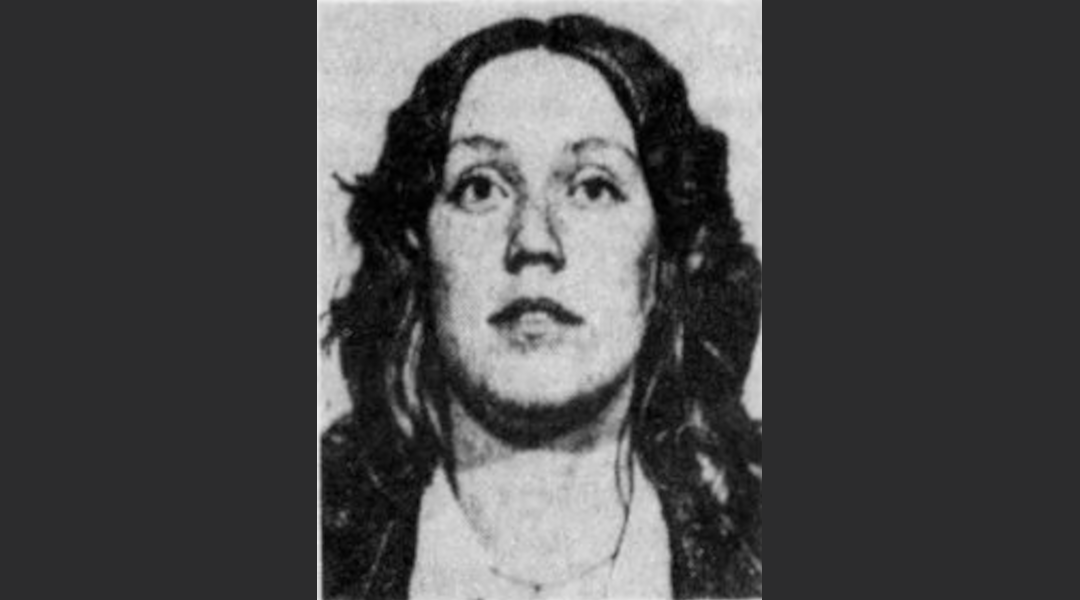
Debra Jayne Bennett was a 20 year old woman whose life ended under mysterious and deeply troubling circumstances in the summer of 1976. Originally from Ridgeway, Wisconsin, Debra had grown up in a small community before eventually moving to Madison in search of independence, opportunity and a new beginning.
She graduated from Dodgeville High School in 1973 and was remembered as a friendly and trusting young woman. Like many people her age, Debra was trying to establish herself as an adult while adjusting to the responsibilities of living away from her family. Madison offered possibilities that were not available in a smaller town, but the transition was not easy.
By July 1976, Debra was experiencing financial problems. She was unemployed and facing the loss of her apartment at 1421 Loftsgordon Avenue. Although she had rented a room at the Cardinal Hotel in downtown Madison, investigators later questioned whether she had ever actually moved into or occupied the room.
Some of Debra’s clothing and personal belongings remained at the Loftsgordon Avenue apartment. Those possessions suggested that her move was incomplete and that she may have been uncertain about where she would stay next.
Her situation made her vulnerable. She needed housing, employment and stability, but nothing indicated that she intended to disappear permanently or abandon everyone she knew.
The Final Sighting on July 8, 1976
Debra was last reliably seen on July 8, 1976, leaving the apartment building on Loftsgordon Avenue in Madison.
The reported sighting occurred at approximately 7:15 p.m. She was walking away from the residence barefoot and wearing blue jeans. She carried a blue denim jacket and a brown shoulder purse.
That ordinary scene became the final confirmed image of Debra alive.
Her destination remains uncertain. She may have been headed toward the Cardinal Hotel, visiting a friend, looking for transportation or planning to meet someone. Investigators were unable to establish where she went after leaving the apartment.
The fact that Debra was barefoot has attracted attention over the years. It may have reflected a casual summer evening, or it may have indicated that she planned to travel only a short distance. There is no public evidence showing whether her shoes were left in the apartment, carried with her or later recovered.
No confirmed witness publicly reported seeing Debra enter a vehicle, arrive at the hotel or meet another person. Somewhere between Loftsgordon Avenue and her unknown destination, she vanished.
The Cardinal Hotel Mystery
Debra had rented a room at the Cardinal Hotel in downtown Madison around the time she disappeared. The hotel was expected to provide temporary housing after she lost access to her apartment.
Investigators were never certain that Debra actually stayed in the room.
Her belongings had not been fully moved from Loftsgordon Avenue, and there was little publicly available evidence proving that she had settled into the hotel. The uncertainty created questions about whether she rented the room for herself, planned to meet someone there or changed her plans before arriving.
The hotel became even more important after Debra’s death because the key to her room later appeared under unusual circumstances.
Approximately three weeks after her body was found, the room key was anonymously mailed back to the Cardinal Hotel. The envelope reportedly contained no note and no return address.
The person who mailed the key was never publicly identified.
The anonymous mailing raised disturbing possibilities. Debra may have had the key with her when she disappeared. If so, someone who encountered her during her final hours may have taken possession of it.
The sender may have been the person responsible for her death, an acquaintance who had been with her, someone who found the key or a person afraid of becoming involved in the investigation.
Whatever the explanation, someone possessed a piece of Debra’s property and waited until after her remains were discovered before returning it.
Debra’s Disappearance
It is unclear when Debra’s family or friends first realized she was missing. Her uncertain living arrangements and financial difficulties may have delayed recognition that something serious had happened.
A person moving between an apartment and hotel could easily appear temporarily unavailable. Friends might have assumed she was staying somewhere else, while hotel employees may not have known whether she intended to arrive immediately.
This lack of a clear routine created a dangerous gap. Debra could disappear without anyone immediately knowing where she was expected to be.
Investigators later attempted to reconstruct her movements, but there was no publicly confirmed timeline after she left Loftsgordon Avenue.
It remains unknown whether she traveled willingly with someone, accepted a ride, entered a bar or restaurant, visited an acquaintance or encountered a stranger.
There was also no confirmed evidence showing where she spent the night of July 8 or whether she remained alive for several days after her disappearance.
The Discovery Near Cross Plains
On July 21, 1976, two land surveyors were working in a rural area west of Madison when they discovered human remains.
The body was located in a ditch or gully along Old Sauk Pass Road near Cross Plains in Dane County. The secluded site was approximately 14 miles west of Madison and about four miles east of Cross Plains.
The remains were badly decomposed and had been severely burned.
The condition of the body made immediate identification difficult. Investigators had to rely on dental records and other physical information to establish that the victim was Debra Jayne Bennett.
A previously fractured collarbone reportedly helped support the identification.
The discovery ended the uncertainty surrounding Debra’s location but began a homicide investigation filled with unanswered questions.
The Condition of Debra’s Body
Debra’s body had been exposed to fire and the summer environment before it was discovered.
The burning was extensive enough to damage evidence that might have revealed how she died. Decomposition further complicated the examination.
An autopsy was performed, but medical examiners could not determine a definite cause of death.
That uncertainty has remained one of the central problems in the case. Debra’s death was clearly suspicious, but investigators could not publicly establish whether she had been strangled, beaten, stabbed, shot, poisoned or killed through another method.
It was also unclear whether she died at the Old Sauk Pass Road location or was killed elsewhere and transported there.
The isolated site would have allowed someone to leave her body without immediately being noticed. The killer or person responsible may have selected the area because it was rural, concealed and far enough from Madison to make discovery less likely.
The Use of Fire
Investigators believed an accelerant may have been used to burn Debra’s body.
If the fire was deliberately set, it was likely intended to destroy evidence, delay identification or conceal injuries. Burning a body can damage fingerprints, biological material, fibers and other traces that might connect a victim to another person or location.
The fire may also have been an attempt to make the death appear accidental or prevent authorities from determining the cause.
The amount of planning involved remains unknown. The person responsible may have transported fuel to the site, or an accelerant may have been readily available in a vehicle.
It is also possible that more than one person was involved in moving and burning the body. Transporting a deceased or incapacitated person from Madison to a rural area could have required time, a vehicle and knowledge of secluded roads.
The burning suggested fear of discovery. Whoever left Debra there may have believed she carried evidence that could identify the person responsible.
Items Found Near the Scene
Reports indicated that cans, bottles and a striped bedsheet were recovered near Debra’s body.
It was not publicly established whether any of those objects belonged to Debra or were connected to her death. Rural roadside areas can accumulate discarded items over time, making it difficult to determine which objects were relevant.
The sheet may have been especially important if it was used to wrap, carry or conceal the body. However, there is no publicly confirmed information showing that forensic testing linked it to Debra or another individual.
The cans and bottles may have indicated that people used the area for drinking, social gatherings or other private activities. They could also have been unrelated litter.
Investigators had to consider every possibility while avoiding assumptions about items that may have been at the location before Debra arrived.
Uncertainty About the Time of Death
The autopsy indicated that Debra may have been dead for at least 10 days before her body was found.
If that estimate was accurate, she may have died shortly after she was last seen on July 8, 1976. However, decomposition and fire made precise timing difficult.
The uncertain time of death created a broad window for investigators.
Debra could have been killed on the night she disappeared, held somewhere for a period or remained alive for several days before her death.
Each possibility would have created a different investigative path.
If she died immediately, the focus would be on people she met or traveled with on July 8. If she survived longer, someone may have seen or housed her during the days that followed.
The absence of a precise timeline made it harder to identify witnesses, verify alibis and compare vehicle movements.
Early Investigation and Possible Suspects
Authorities questioned people who knew Debra and examined possible connections to her apartment, the Cardinal Hotel and the area where her body was found.
Historical reports indicate that at least one person may have been arrested or questioned in connection with the case in October 1976. However, no one was convicted of causing Debra’s death.
The publicly available record does not clearly explain why the individual attracted attention or why the investigation did not result in charges.
Without a confirmed cause of death, prosecutors would have faced major difficulties proving that a homicide occurred and linking a specific person to it.
The destroyed evidence and uncertain timeline further weakened the case.
Investigators may have developed suspicions, but suspicion alone could not establish guilt.
The Possibility of an Accidental Death
Although Debra’s case has often been described as a murder, the exact cause of her death was never medically established.
One possibility considered in similar cases is that a victim died accidentally while with another person. An overdose, fall, medical emergency or other unexpected event could have caused panic.
Someone afraid of arrest or public exposure might then have attempted to conceal the death by transporting and burning the body.
However, even if Debra’s initial death was accidental, the concealment and destruction of her remains would still have involved deliberate criminal actions.
The anonymous return of the hotel key also suggested that someone withheld information.
There is no evidence proving that Debra died accidentally, but the lack of a confirmed cause of death prevented investigators from publicly ruling out every possibility.
The Possibility of Deliberate Murder
The condition and location of Debra’s body strongly supported the theory that she was intentionally killed.
A person responsible for murder would have had several reasons to burn the remains. The fire could destroy evidence of sexual assault, physical trauma or contact with the killer.
The rural disposal site also suggested an effort to prevent discovery.
Debra may have known the person who killed her. Her unstable housing situation may have led her to rely on someone for transportation, shelter, employment or assistance.
A familiar person could have persuaded her to enter a vehicle without causing alarm.
A stranger may also have approached her while she walked through Madison. In 1976, hitchhiking and accepting rides were more common, especially among young people without reliable transportation.
Without witnesses or surviving physical evidence, investigators could not determine whether her final encounter began with trust, deception or force.
Possible Connections to Other Madison Cases
Debra’s death has often been discussed alongside a group of unsolved disappearances and killings involving women in and around Madison.
These cases are sometimes referred to as the Capital City Murders or Mad City Murders.
The victims were generally young women, and several disappeared before being found in rural, wooded or concealed locations. The similarities led some investigators and writers to question whether a serial offender operated in the region.
Debra’s case had both similarities and differences.
Like several other victims, she was young, vulnerable and found outside the city. However, her body had been burned, and her cause of death was unknown. Other victims suffered identifiable injuries such as stabbing, beating or strangulation.
No physical evidence has publicly linked Debra’s death to another Madison area case.
The serial killer theory remains possible but unproven.
The Henry Lee Lucas Claims
Serial killer Henry Lee Lucas was associated with hundreds of murder confessions across the United States.
At various times, his name was mentioned in connection with Wisconsin cases. However, many of his confessions were later shown to be false.
Lucas often claimed responsibility for crimes that occurred while he was incarcerated or hundreds of miles away. Investigators eventually determined that he enjoyed attention, travel and privileges that came with giving confessions.
There is no credible public evidence establishing that Henry Lee Lucas killed Debra Bennett.
His unreliable claims created confusion in many cold cases and sometimes distracted attention from more realistic suspects.
Evidence Problems in an Aging Case
Debra’s case was investigated during an era when forensic science was far less advanced than it is today.
DNA profiling did not exist in 1976. Investigators relied on fingerprints, witness statements, blood typing, fibers and traditional crime scene examination.
The fire likely destroyed or degraded much of the biological evidence that might have been useful today.
Reports concerning old Dane County cases have also raised concerns about missing or incomplete evidence. It is unclear exactly which items from Debra’s investigation remain available for modern testing.
If clothing, the hotel key envelope, the striped sheet or other objects were properly preserved, they could potentially contain fingerprints or DNA.
If those items were lost, contaminated or destroyed, the opportunity for modern analysis may be severely limited.
Debra’s Father and a Family Struck by Tragedy
Debra’s death brought additional heartbreak to the Bennett family.
Her father, William Bennett, was already seriously ill when his daughter disappeared. He died only days after her remains were identified.
Family accounts suggested that the shock and grief surrounding Debra’s death may have worsened his condition.
Debra and her father were reportedly honored during a joint funeral.
The family had to mourn two devastating losses at nearly the same time. They were forced to bury Debra without knowing how she died, who was with her or why her body was treated with such cruelty.
The absence of answers prevented any sense of closure.
Questions Surrounding the Mailed Hotel Key
The anonymous return of the Cardinal Hotel key remains one of the most compelling mysteries in the case.
Who mailed it?
Where had the key been between July 8 and the time it was returned?
Did Debra carry it when she was last seen?
Was the sender attempting to remove evidence, ease a guilty conscience or avoid being questioned?
The envelope may have contained a postmark that helped investigators determine where it was mailed, but no public information has shown that the clue led to a suspect.
Fingerprint technology in 1976 was limited compared with modern methods. If the envelope or stamp still exists, DNA testing might identify saliva or skin cells left by the sender.
However, handling by hotel employees, postal workers and investigators could have introduced contamination.
The key represents a direct connection between Debra’s planned living arrangement and an unknown person who had information after her death.
A Case Without a Clear Narrative
Many homicide cases develop a basic sequence of events even when the killer remains unidentified.
Debra’s case has never produced a complete narrative.
Investigators do not know where she went after leaving Loftsgordon Avenue, whether she reached the Cardinal Hotel, whom she met or where she died.
They do not know whether the fire was set immediately after her death or days later.
They do not know whether the body was wrapped in the sheet found nearby or whether that item was unrelated.
They do not know why the hotel key was anonymously returned.
Each missing piece creates several possible explanations, making it difficult to focus on one suspect or motive.
The Passage of Time
Nearly 50 years have passed since Debra disappeared.
Witnesses who saw her in 1976 may have died, moved away or forgotten important details. Buildings have changed, roads have been developed and records may no longer exist.
The person responsible may also be deceased.
Even so, cold cases can be solved decades later through DNA, renewed interviews or information from someone who was previously afraid to speak.
Relationships change over time. A person who once protected a spouse, friend or family member may no longer feel obligated to remain silent.
Someone may remember a vehicle, unusual behavior, a sudden disappearance or statements made after Debra’s body was found.
The anonymous sender of the hotel key may have told another person the truth.
Remembering Debra Jayne Bennett
Debra should be remembered as more than a victim in an unsolved case.
She was a young woman trying to create an independent life in Madison. She faced financial and housing difficulties, but she still had years of possibilities ahead of her.
Her death ended those possibilities and left her family with questions that were never answered.
The uncertainty surrounding her final days should not overshadow the fact that she had a family, a history and people who cared about her.
Her case continues to matter because someone knew what happened after she walked away from her apartment on July 8, 1976.
The Unanswered Questions
The most important questions remain unresolved.
Where was Debra going when she left Loftsgordon Avenue?
Did she ever arrive at the Cardinal Hotel?
Who gave her a ride or spent time with her that evening?
How did she die?
Where did the death occur?
Who transported her body to Old Sauk Pass Road?
Why was she burned?
Who mailed the hotel key back after her remains were discovered?
Was her death connected to another unsolved case in the Madison area?
Until those questions are answered, the full truth about Debra Jayne Bennett’s death remains hidden.
An Unsolved Madison Mystery
Debra Jayne Bennett was last seen in Madison on July 8, 1976. Thirteen days later, her badly burned and decomposed remains were found near Cross Plains.
Her exact cause of death could not be determined, but the disposal and burning of her body indicated that someone attempted to conceal what happened.
No person has been convicted of killing her or hiding her remains.
The anonymous hotel key, the uncertain timeline and the destruction of physical evidence have made the case one of Dane County’s most disturbing unsolved mysteries.
Debra’s family deserved to know who was responsible and why her life ended at only 20 years old.
Her case remains a reminder that the passage of time does not erase a crime, lessen a family’s loss or eliminate the possibility that someone still knows the truth.
Discover more from City Towner
Subscribe to get the latest posts sent to your email.