25 Fun Facts About Grand Prairie Texas
Grand Prairie, Texas, is one of the most interesting cities in the Dallas-Fort Worth Metroplex. Located between Dallas, Fort Worth, Arlington, and Irving, Grand Prairie has grown from open prairie land into a modern city known for entertainment, shopping, recreation, aviation history, industry, family neighborhoods, and cultural diversity. It is a city that often benefits from being close to larger neighbors, but it has also built a strong identity of its own.
The story of Grand Prairie is rooted in movement and transformation. The area began as prairie land used by Indigenous peoples long before permanent settlement. Later, settlers arrived, railroads helped create a town, farming shaped early life, aviation and industry brought jobs, and suburban growth turned Grand Prairie into a major North Texas community. Today, the city has lakes, parks, theaters, shopping centers, event venues, restaurants, neighborhoods, and businesses that serve residents and visitors across the Metroplex.
Grand Prairie is not only a place between Dallas and Fort Worth. It is a destination with its own history, attractions, and personality. These 25 fun facts show why Grand Prairie, Texas, is a city worth knowing.
1. Grand Prairie Was Originally Known as Dechman
Before it became Grand Prairie, the community was known as Dechman. The name came from Alexander McRae Dechman, an early settler and developer who acquired land in the area during the 19th century. Like many early Texas communities, the settlement began with hopes tied to land, transportation, and future growth.
The name Dechman reflected the vision of one man, but the community eventually took on a broader identity. As the settlement grew and became more connected to the surrounding region, the name Grand Prairie became more fitting because it described the wide-open land that defined the area.
This early name is an important reminder that Grand Prairie did not begin as a large suburban city. It started as a small settlement on prairie land with big potential.
2. The City’s Name Comes From the Prairie Landscape
Grand Prairie’s name reflects the natural environment that once dominated the area. Before highways, subdivisions, shopping centers, and entertainment venues, the land was part of a broad North Texas prairie. The phrase “Grand Prairie” captured the openness, grasslands, and wide skies that early settlers saw.
The name still connects the modern city to its original landscape. Even though much of the prairie has been developed, the city’s identity remains tied to that history. The name gives Grand Prairie a sense of place that is rooted in geography rather than just politics or business.
For a modern city in a fast-growing region, that connection to the land adds historical depth.
3. Grand Prairie Sits Between Dallas And Fort Worth
One of Grand Prairie’s most important facts is its location. The city sits between Dallas and Fort Worth, placing it in the heart of one of the largest metropolitan areas in the United States. It is also close to Arlington, Irving, and major regional attractions.
This location has shaped almost every part of Grand Prairie’s history. Railroads, highways, airports, industrial development, shopping, entertainment, and residential growth all benefited from the city’s central position.
Grand Prairie’s location makes it convenient for commuters, businesses, visitors, and families. Residents can access jobs, sports, concerts, airports, restaurants, and shopping throughout the Metroplex while still living in a city with its own identity.
4. Grand Prairie Is Part of Three Counties
Grand Prairie is unusual because it extends into parts of Dallas County, Tarrant County, and Ellis County. This gives the city a unique geographic footprint within North Texas.
Being part of multiple counties can make local government, services, school districts, development, and planning more complex. It also shows how much the city has grown beyond its original boundaries.
This three-county presence reflects Grand Prairie’s expansion from a smaller community into a large, spread-out city connected to multiple parts of the Metroplex.
5. Railroads Helped Grand Prairie Grow
Railroads played a major role in Grand Prairie’s early development. In the 19th century, towns with rail connections had a much better chance of growing because railroads moved people, crops, livestock, supplies, and manufactured goods.
Grand Prairie’s connection to rail transportation helped turn it from scattered prairie land into a more organized community. Businesses developed near rail lines, residents gained better access to markets, and the town became more connected to Dallas, Fort Worth, and other places.
This transportation history is one reason Grand Prairie later became attractive for industry and logistics. Movement has always been part of the city’s story.
6. Grand Prairie Was Incorporated in the Early 1900s
Grand Prairie became an incorporated city in the early 20th century. Incorporation gave the community a formal local government and helped residents manage growth, public services, roads, schools, utilities, and planning.
Becoming a city marked a major step in Grand Prairie’s development. It was no longer simply a settlement or rural community. It had begun building the structure needed to become a larger urban place.
This period helped lay the foundation for the city’s future growth, especially as North Texas continued to develop.
7. Farming Was Once a Major Part of Local Life
Before Grand Prairie became known for entertainment, shopping, industry, and suburban neighborhoods, it had a strong agricultural identity. Farming and ranching shaped daily life for many early residents.
Families worked the land, raised livestock, grew crops, and relied on the seasonal rhythms of rural Texas. Churches, schools, general stores, and local gatherings formed the heart of community life.
The city’s modern landscape looks very different today, but its agricultural past remains an important part of its story. Grand Prairie grew from rural roots before becoming a major Metroplex city.
8. Aviation Played an Important Role in Grand Prairie’s History
Grand Prairie has a meaningful connection to aviation and defense-related industry. During the 20th century, aviation manufacturing and related work helped reshape the city’s economy.
This connection brought jobs, technical skills, industrial growth, and new residents. Aviation helped move Grand Prairie beyond farming and rail commerce into a more modern industrial economy.
The city’s aviation history also ties it to the larger North Texas aerospace and defense industry, which has been important throughout the region for decades.
9. World War II Helped Change the City
World War II affected Grand Prairie’s growth by increasing demand for manufacturing, defense production, and aviation-related work. Like many communities across the United States, Grand Prairie experienced economic and population changes during and after the war.
War-related industry created jobs and helped attract workers. After the war, returning veterans, new families, and suburban growth helped push the city into a new era.
This period marked the beginning of Grand Prairie’s transition from a smaller community into a growing modern city connected to the expanding Dallas-Fort Worth region.
10. Grand Prairie Grew Rapidly After World War II
The years after World War II brought rapid growth to Grand Prairie. The rise of automobiles, highways, suburban neighborhoods, shopping centers, and regional employment helped change the city’s physical and social landscape.
Families moved to Grand Prairie for homes, jobs, schools, and access to the larger Metroplex. New subdivisions appeared, businesses expanded, and the city had to develop more public services.
This postwar growth helped shape the Grand Prairie people recognize today. The city became more suburban, more connected, and more diverse.
11. Grand Prairie Is Known for Joe Pool Lake
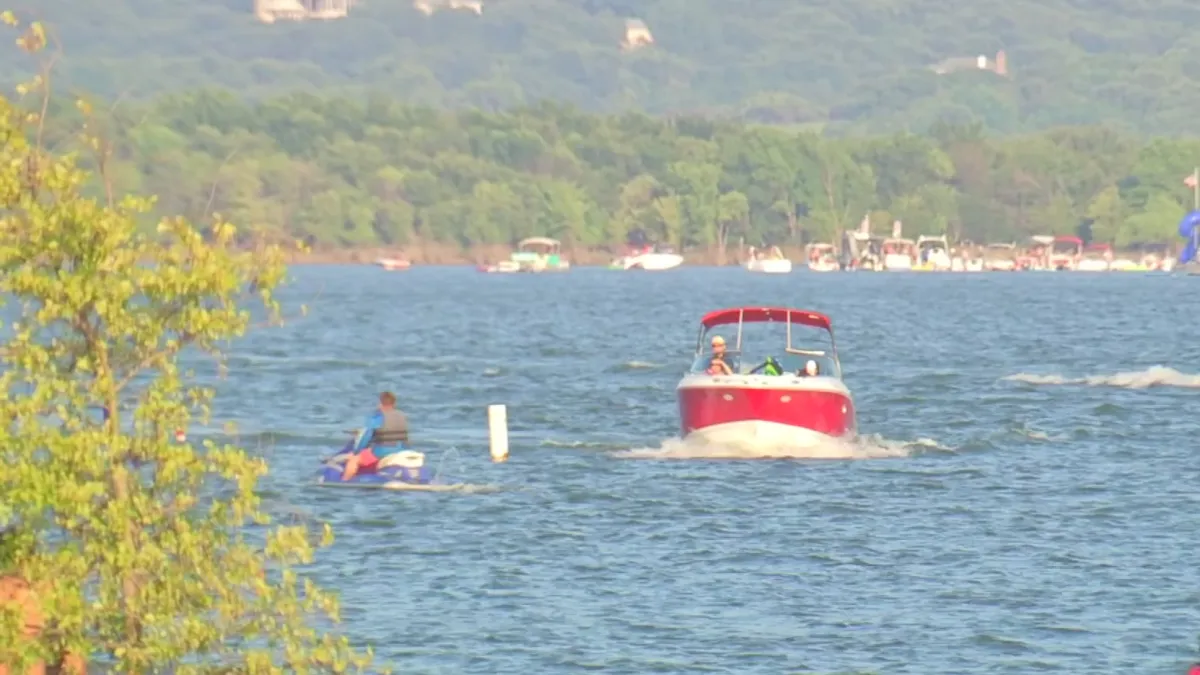
Joe Pool Lake is one of the most important recreational attractions connected to Grand Prairie. The lake provides opportunities for boating, fishing, camping, hiking, swimming, picnicking, and relaxing near the water.
In a large urban region like Dallas-Fort Worth, access to lake recreation is a major benefit. Joe Pool Lake gives Grand Prairie residents and visitors a place to enjoy outdoor life without traveling far from the city.
The lake adds natural beauty to Grand Prairie and helps balance the city’s industrial, suburban, and commercial areas.
12. Loyd Park Is a Popular Outdoor Destination
Loyd Park is one of the best-known outdoor areas in Grand Prairie. Located along Joe Pool Lake, it offers camping, cabins, trails, picnic areas, lake access, and space for families to enjoy nature.
The park gives visitors a chance to experience a quieter side of the city. People can spend the day fishing, walking, grilling, relaxing, or staying overnight near the lake.
Loyd Park is one reason Grand Prairie stands out among Metroplex cities. It offers outdoor recreation while still being close to major urban amenities.
13. Grand Prairie Has a Major Entertainment Venue
Grand Prairie is home to a major performance and entertainment venue that has hosted concerts, comedy shows, cultural events, family performances, and touring acts. The city’s event scene helps attract visitors from across North Texas.
Having a major entertainment venue gives Grand Prairie more than a residential or industrial identity. It makes the city a place where people come for memorable nights out.
This entertainment presence supports restaurants, hotels, shopping, and local businesses while strengthening Grand Prairie’s reputation as a regional destination.
14. EpicCentral Has Become a Major Attraction
EpicCentral is one of Grand Prairie’s modern destination areas. It includes entertainment, dining, recreation, public space, and attractions designed for families, visitors, and residents.
This area shows how Grand Prairie has invested in experiences, not just traditional development. Instead of being only a place to live or work, the city has created spaces where people can gather, play, eat, relax, and spend time together.
EpicCentral represents the city’s modern identity as a place focused on recreation, family entertainment, and lifestyle attractions.
15. Epic Waters Indoor Waterpark Is a Year-Round Attraction
Epic Waters Indoor Waterpark is one of Grand Prairie’s most popular family attractions. Because it is indoors, visitors can enjoy water slides, pools, rides, and aquatic fun throughout the year.
This makes it different from traditional outdoor waterparks that depend heavily on weather and season. Families can visit during summer heat, winter breaks, rainy days, or special occasions.
Epic Waters has helped strengthen Grand Prairie’s reputation as a family-friendly entertainment city.
16. Grand Prairie Has a Strong Parks System
Grand Prairie has many parks, trails, playgrounds, sports fields, and outdoor recreation areas. These spaces support residents who want places to exercise, relax, play sports, walk, bike, picnic, or spend time with family.
A strong parks system is especially important in a growing city. Parks help protect green space, improve quality of life, and give neighborhoods places to gather.
Grand Prairie’s investment in parks shows that the city values recreation and public space, not just development.
17. The City Has a Diverse Food Scene
Grand Prairie’s food scene reflects the city’s cultural diversity and Metroplex location. Diners can find Texas barbecue, Tex-Mex, Mexican street food, seafood, soul food, burgers, wings, Asian cuisine, Caribbean dishes, bakeries, brunch spots, and family restaurants.
The city’s food culture is practical, flavorful, and community-focused. Many restaurants serve generous portions, casual meals, and family-friendly menus.
Grand Prairie’s diversity makes its dining scene one of its strengths. Food is one of the best ways to experience the many cultures that shape the city.
18. Grand Prairie Is a Shopping Destination
Grand Prairie has developed into a shopping destination within the Metroplex. Large retail areas, outlets, specialty stores, and commercial corridors attract both residents and visitors.
Shopping has helped make the city more than a residential suburb. People come to Grand Prairie to browse stores, eat at nearby restaurants, attend events, and spend a full day in the city.
Retail growth also reflects the city’s location. Because Grand Prairie sits near several major cities and highways, it is convenient for shoppers from across North Texas.
19. The City Has a Strong Family-Friendly Identity
Grand Prairie is often seen as a family-friendly city because of its neighborhoods, schools, parks, recreation centers, lake access, waterpark, entertainment areas, and community events.
Families are a major part of the city’s character. Many local attractions are designed for children, parents, and group outings. Restaurants, parks, sports programs, and public events all contribute to that identity.
This family-friendly reputation helps make Grand Prairie attractive to people looking for a place to settle within the Dallas-Fort Worth area.
20. Grand Prairie Has Become More Culturally Diverse
Grand Prairie has become increasingly diverse over the years. Its population includes people from many racial, ethnic, cultural, and national backgrounds.
This diversity can be seen in schools, restaurants, churches, businesses, community events, and neighborhoods. Latino, African American, Asian, white, immigrant, and multigenerational Texas communities all contribute to the city’s identity.
Cultural diversity has helped Grand Prairie become more dynamic, more flavorful, and more connected to the wider world.
21. The City Has a Strong Industrial And Logistics Base
Grand Prairie’s location makes it ideal for industry, distribution, warehousing, and logistics. The city has access to highways, rail connections, airports, and the larger Dallas-Fort Worth market.
This industrial and logistics base provides jobs and supports the regional economy. It also connects Grand Prairie to its transportation roots. Just as railroads once helped the town grow, modern shipping and transportation continue to shape its economy.
This practical economic role is a major part of the city’s modern identity.
22. Grand Prairie Is Close to Major Sports Attractions
Grand Prairie is near some of the biggest sports attractions in North Texas, especially in nearby Arlington. Residents and visitors can easily access professional football, baseball, and other major events within a short drive.
This proximity adds to Grand Prairie’s appeal. People can live in or visit the city while being close to some of the most famous sports venues in Texas.
Grand Prairie also benefits from event traffic, tourism, restaurants, hotels, and regional entertainment connected to the surrounding sports scene.
23. Grand Prairie Has a Mix of Urban And Outdoor Life
One of Grand Prairie’s most interesting features is its mix of urban access and outdoor recreation. The city is connected to highways, shopping, entertainment, and industry, but it also offers lake access, parks, trails, and open spaces.
This balance gives residents options. They can enjoy city conveniences while still having places to fish, walk, boat, picnic, camp, or enjoy nature.
In a fast-growing region, that mix is valuable. Grand Prairie offers both Metroplex energy and recreational breathing room.
24. Grand Prairie Has Reinvented Itself More Than Once
Grand Prairie’s history is full of reinvention. It began as prairie land, became a railroad settlement, developed as a farming community, grew through aviation and industry, expanded as a suburb, and later became a city known for entertainment, recreation, shopping, and diversity.
Each era added something new to the city’s identity. Instead of staying fixed in one role, Grand Prairie adapted to changes in transportation, economy, population, and lifestyle.
That ability to change is one of the reasons the city has remained important in North Texas.
25. Grand Prairie Is More Than a City Between Bigger Cities
Because Grand Prairie sits between Dallas and Fort Worth, some people may think of it only as a pass-through city. But Grand Prairie has its own history, attractions, economy, neighborhoods, and personality.
The city has entertainment venues, lake recreation, parks, shopping, restaurants, industry, family neighborhoods, cultural diversity, and a story that goes back to the prairie landscape of North Texas.
Grand Prairie’s location is important, but it does not define the city completely. The city has become a destination and a community in its own right.
Why Grand Prairie Is Worth Knowing
Grand Prairie is worth knowing because it captures many parts of the North Texas story. It has roots in prairie land, railroads, agriculture, industry, aviation, suburban growth, and modern entertainment. Its history reflects the larger transformation of the Dallas-Fort Worth region from open land and small towns into one of the country’s most powerful metropolitan areas.
The city’s fun facts show how layered Grand Prairie really is. It is a place where families enjoy waterparks and lake days, where businesses benefit from transportation access, where restaurants reflect cultural diversity, and where history is still connected to the land that gave the city its name.
Grand Prairie’s appeal comes from its balance. It is practical but fun, suburban but diverse, industrial but recreational, historic but modern. It has enough local character to stand on its own while still benefiting from everything around it.
For visitors, Grand Prairie offers entertainment, outdoor activities, dining, shopping, and easy access to the rest of the Metroplex. For residents, it offers convenience, community, and a growing list of amenities. For history lovers, it offers a story of adaptation and transformation.
Grand Prairie continues to change as North Texas grows. New attractions, neighborhoods, businesses, and public spaces will keep shaping the city’s future. But its past remains important. The name Grand Prairie still points back to wide-open land, big skies, and the early vision of a community built in the middle of North Texas.
Discover more from City Towner
Subscribe to get the latest posts sent to your email.