
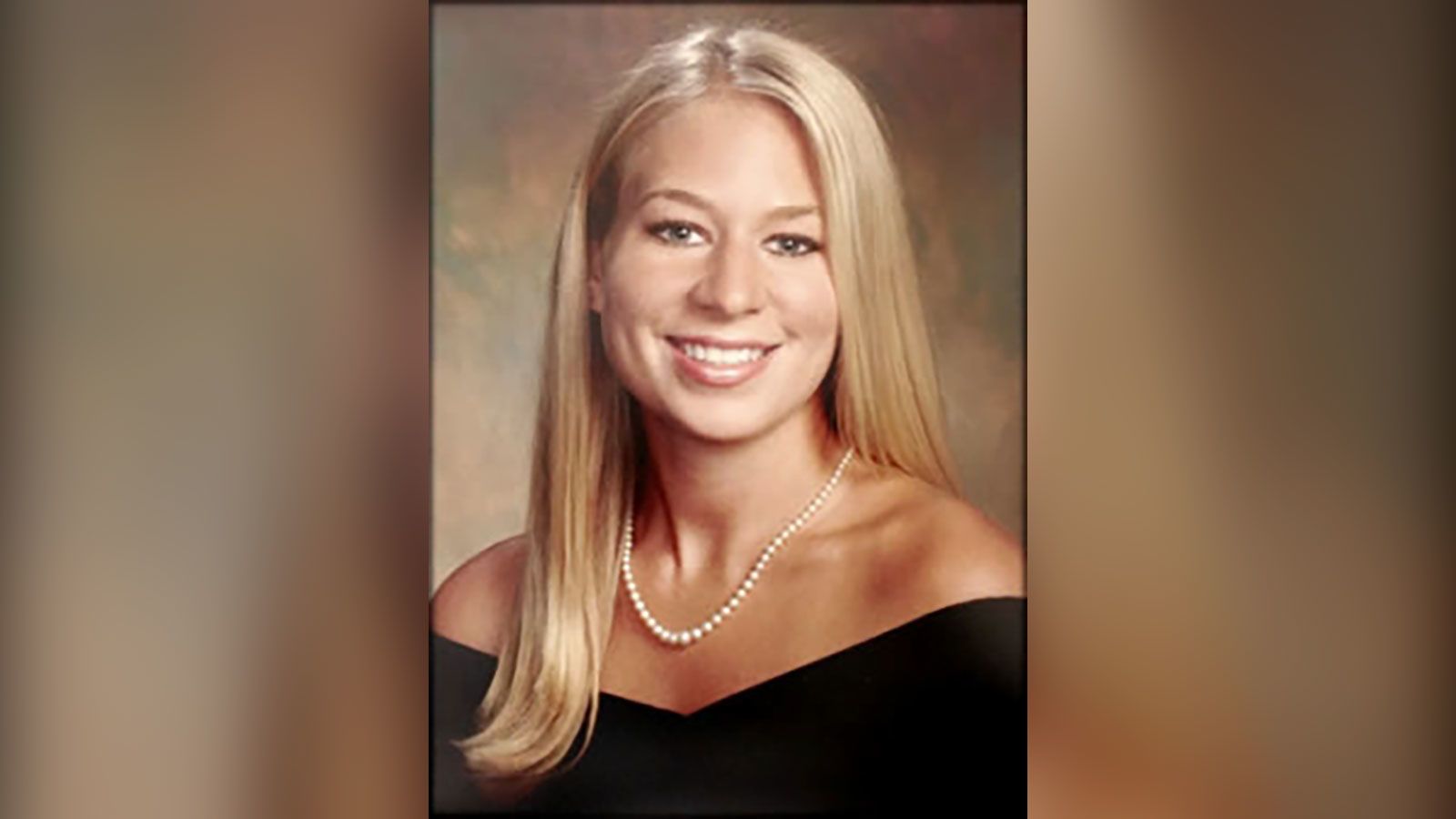
Natalee Holloway Goes Missing in Oranjestad Aruba
The disappearance of Natalee Ann Holloway is one of the most widely known missing person cases connected to Aruba, a Caribbean island often associated with beaches, tourism, nightlife, and vacation travel. Natalee was an 18-year-old recent high school graduate from Mountain Brook, Alabama, when she vanished during a senior class trip. What was supposed to be a joyful celebration after graduation became a tragedy that drew international attention, years of investigation, and lasting pain for her family.
Natalee disappeared on May 30, 2005, in Oranjestad, Aruba, after a night out with classmates. She had traveled to the island with a large group of students and chaperones from Mountain Brook High School. The trip marked the end of one chapter of life and the beginning of another. Natalee had recently graduated with honors and was preparing to attend the University of Alabama. Her future appeared bright, full of plans, promise, and opportunity.
Instead, her name became tied to a mystery that lasted for years. For nearly two decades, her family searched for answers while law enforcement officials, journalists, private investigators, and the public followed the case closely. Although Natalee’s remains have never been recovered, the case took a major turn years later when Joran van der Sloot admitted that he killed her and disposed of her body in the ocean.
A Graduation Trip to Aruba
Natalee Holloway arrived in Aruba in late May 2005 as part of a graduation trip with more than 100 classmates and several adult chaperones. The students were staying at the Holiday Inn near the island’s popular tourist area. Aruba was known as a safe and lively destination, and the trip was meant to be a final celebration before the students moved on to college and adulthood.
For Natalee, the trip came after years of achievement. She was described as responsible, intelligent, outgoing, and close to her friends and family. She had been active in school, participated in extracurricular activities, and was looking forward to college life. Those who knew her often remembered her as someone with energy, ambition, and kindness.
During the trip, the group enjoyed beaches, restaurants, and nightlife. On the night before the students were scheduled to return home, Natalee and many of her classmates went out in Oranjestad. Their evening included a visit to Carlos’n Charlie’s, a nightclub that was popular with tourists. It would become the last place where many of her classmates remembered seeing her.
The Night Natalee Was Last Seen
Natalee was last seen in the early morning hours of May 30, 2005, after leaving Carlos’n Charlie’s nightclub in Oranjestad. She was reportedly seen getting into a vehicle with Joran van der Sloot and two brothers, Deepak Kalpoe and Satish Kalpoe. Van der Sloot was a Dutch national living in Aruba, and the Kalpoe brothers were local residents.
At first, the young men gave accounts that placed Natalee at or near her hotel after leaving the nightclub. Over time, those stories changed, creating confusion and suspicion. The shifting versions of what happened that night became one of the most important parts of the investigation. For Natalee’s family, the changes raised serious questions about what the men knew and what they were not saying.
When Natalee did not show up for the group’s return flight to Alabama, concern quickly turned into panic. Her luggage, passport, and personal belongings were still in her hotel room. That strongly suggested that she had not left voluntarily. She was a young tourist on a foreign island, separated from her friends, with no clear explanation for where she had gone.
The First Hours of the Search
The first hours after Natalee was reported missing were critical. Her family and classmates were alarmed when she failed to appear for the flight home. Her mother, Beth Holloway, traveled to Aruba quickly and began pushing for answers. From the start, the family believed something terrible had happened.
Search efforts began across the island. Authorities, volunteers, family members, and others looked for signs of Natalee. They searched beaches, roads, abandoned areas, and locations tied to the timeline of her last known movements. The case quickly became a major story in the United States and Aruba.
The fact that Natalee disappeared in a tourist destination added pressure to the investigation. Aruba depended heavily on tourism, and the disappearance of an American teenager brought intense media attention. People wanted to know how a young woman could vanish after a night out in a place that many visitors considered safe.
The Investigation And Early Suspicions
Joran van der Sloot, Deepak Kalpoe, and Satish Kalpoe became central figures in the investigation because they were believed to be among the last people seen with Natalee. All three were questioned. They were arrested at different points during the investigation, but charges related to Natalee’s disappearance did not result in a conviction in Aruba.
The case became complicated by conflicting statements, limited physical evidence, and the absence of Natalee’s body. Without her remains, investigators faced a difficult challenge. They had to rely on witness accounts, timelines, searches, interviews, and forensic evidence that did not produce a complete answer.
Van der Sloot’s behavior drew particular attention. He gave different versions of what happened after leaving the nightclub. At various times, he claimed that Natalee had been dropped off at her hotel, that he had left her at a beach, and that other details had been misunderstood or misstated. These changing stories damaged his credibility and deepened public suspicion.
The Kalpoe brothers also faced scrutiny because they were in the vehicle that night. However, despite arrests and questioning, they were not convicted in connection with Natalee’s disappearance. The lack of a successful prosecution added to the frustration surrounding the case.
A Case That Captured the World
Natalee Holloway’s disappearance became a major international news story. Her photograph appeared on television, in newspapers, and online. Her mother became a highly visible advocate, speaking publicly and demanding accountability. The case was discussed on cable news programs, crime shows, and talk shows for years.
The public became emotionally invested for several reasons. Natalee was young, recently graduated, and missing far from home. The setting was a vacation island, which made the story feel even more unsettling. Many parents saw the case as a nightmare scenario: a child traveling with friends, enjoying a milestone trip, then vanishing without answers.
The case also raised questions about travel safety, nightlife, alcohol, supervision, law enforcement response, and how missing person cases are handled internationally. Families across the United States followed the story and wondered how they would respond if the same thing happened to their child.
For Aruba, the case brought unwanted attention. The island’s tourism image was affected by the intense media coverage. Many people associated the island with Natalee’s disappearance, even though Aruba remained a popular destination. The case became part of the island’s modern history in a way that officials and residents could not escape.
The Pain of Not Knowing
For Natalee’s family, the hardest part was the absence of certainty. Not knowing where she was, what happened to her, or where her remains were located created a prolonged form of grief. Her family could not properly bury her. They could not fully mourn with answers. They were left with suspicion, frustration, and years of unanswered questions.
Beth Holloway became one of the most recognizable parents of a missing child in modern American true crime history. She pushed relentlessly for information and refused to let the case disappear from public attention. Her persistence helped keep Natalee’s name in the public eye long after many cases fade from headlines.
Natalee’s father, Dave Holloway, also searched for answers. He participated in efforts to locate her remains and continued seeking the truth. Over the years, various searches were conducted based on new tips, theories, and claims. Some searches created hope, but none led to the recovery of Natalee.
The family’s grief was made worse by false leads. In high profile missing person cases, people sometimes come forward with bad information, rumors, or claims that cannot be verified. Each new lead can reopen emotional wounds, especially when it fails to produce answers.
The Legal Declaration of Death
Natalee Holloway was declared legally dead on January 12, 2012. This legal decision did not mean her family had stopped searching for answers. It meant that, under the law, enough time had passed and enough evidence existed to recognize that she was no longer believed to be alive.
A legal declaration of death can be a painful step for families of missing people. It creates a formal record, but it does not provide the same closure as finding a loved one. For Natalee’s family, the declaration was another difficult moment in a long journey marked by uncertainty.
Even after she was legally declared dead, the case remained alive in public memory. People continued to discuss what happened in Aruba, why the investigation failed to produce a conviction there, and whether Joran van der Sloot would ever tell the truth.
Joran van der Sloot And the Peru Murder
The Natalee Holloway case took another disturbing turn on May 30, 2010, exactly 5 years after Natalee disappeared. On that date, Joran van der Sloot killed 21-year-old Stephany Flores Ramírez in Lima, Peru. Stephany was a young woman from a prominent Peruvian family. Her murder shocked Peru and brought renewed attention to van der Sloot’s connection to Natalee’s disappearance.
Van der Sloot was arrested and later convicted in Peru for Stephany’s murder. He received a lengthy prison sentence. For many people who had followed Natalee’s case, the Peru murder reinforced suspicions that van der Sloot had been dangerous all along. It also intensified anger that he had not been held criminally responsible in Aruba for what happened to Natalee.
The Peru case gave the world a clearer view of van der Sloot’s capacity for violence. It also created a painful connection between two young women from different countries whose lives ended after contact with the same man.
The Extortion Case Against Van der Sloot
In 2010, van der Sloot became involved in an extortion scheme targeting Natalee’s family. He offered to provide information about the location of Natalee’s remains in exchange for money. Beth Holloway, desperate for answers, became part of an effort that involved law enforcement.
Van der Sloot received money, but the information he gave was false. This act added another layer of cruelty to an already devastating case. It was not only a crime involving money. It was an exploitation of a grieving mother who wanted to bring her daughter home.
The extortion case eventually became the legal path that brought van der Sloot to the United States. Although he could not be prosecuted in the United States for Natalee’s killing itself because the crime happened in Aruba, he could face charges tied to extortion and wire fraud involving her family.
The Confession in 2023
A major breakthrough came in 2023 when Joran van der Sloot was temporarily extradited from Peru to the United States to face federal charges related to extortion and wire fraud. During the legal process, he admitted that he killed Natalee Holloway.
According to his confession, he attacked Natalee after she rejected his sexual advances. He said he struck her and then disposed of her body in the ocean. His admission confirmed what Natalee’s family had long believed: she did not disappear voluntarily, and she had been killed.
The confession brought a measure of truth, but it did not bring Natalee home. Her remains were still not recovered. For her family, the admission was both painful and important. It answered the central question of whether Natalee had been murdered, but it could not erase the years of grief or the loss of her life.
Van der Sloot was sentenced in the United States for the extortion and wire fraud charges. His confession did not result in a murder conviction in Aruba, but it became the clearest public account of what happened to Natalee after she left the nightclub in Oranjestad.
Why Oranjestad Matters in the Case
Oranjestad, Aruba, is central to Natalee Holloway’s story because it was the place where she was last seen in public. The nightclub, the tourist district, the roads near the hotel, and the island’s coastal areas all became part of the investigation. The city represented both the fun of a graduation trip and the danger that unfolded in the early morning hours of May 30, 2005.
The case changed how many people viewed travel safety. It reminded families that even popular vacation destinations can become dangerous under the wrong circumstances. It also showed the difficulty of investigating crimes involving tourists, multiple jurisdictions, and limited evidence.
For people in Oranjestad and throughout Aruba, the case became a painful chapter. It placed the island under a global spotlight and connected the city’s name to one of the most famous missing person cases of the 2000s.
Natalee Holloway’s Legacy
Natalee Holloway’s legacy is not defined only by the way she disappeared. She is remembered as a daughter, friend, student, and young woman with a future ahead of her. Her life mattered before the case became famous, and her family has worked to make sure she is remembered as more than a headline.
Her disappearance also influenced public conversations about student travel, personal safety, missing persons investigations, and international cooperation in criminal cases. Many families became more cautious about graduation trips, nightlife abroad, and the importance of staying together while traveling.
Beth Holloway turned her pain into advocacy, speaking about safety and encouraging young people to make careful decisions when traveling. Her message has often centered on awareness, preparation, and the importance of looking out for one another.
An Unforgettable Missing Person Case
The disappearance of Natalee Ann Holloway on May 30, 2005, in Oranjestad, Aruba, remains unforgettable because it combined youthful promise, international mystery, family heartbreak, and years of unanswered questions. The case began with a missing teenager who failed to return from a graduation trip. It grew into a global story involving flawed timelines, suspicious statements, extensive searches, and a man who later admitted to killing her.
Although Joran van der Sloot eventually confessed, the case still carries pain because Natalee’s body has never been found. Her family received an answer, but not the full peace that comes with bringing a loved one home. Her disappearance remains a warning, a tragedy, and a reminder that every missing person is more than a case file.
Natalee Holloway was 18 years old when she vanished from Aruba. She had graduated, celebrated with friends, and prepared for college. Her life should have continued far beyond that final night in Oranjestad. Instead, her story became one of the most recognized missing person cases in the world, and her name continues to be remembered nearly two decades later.
Discover more from City Towner
Subscribe to get the latest posts sent to your email.