Irving Texas Food Scene
Irving’s food scene makes sense the moment you look at a map. The city sits in the heart of the Dallas Fort Worth metroplex, close to major highways, business districts, and the constant movement of travelers through nearby Dallas Fort Worth International Airport. That flow of people, jobs, and cultures has turned Irving into a place where you can eat your way across regions without leaving town. The city’s dining identity is not built around one single signature dish. It is built around variety, convenience, and an increasingly confident sense of flavor.
Irving also has a unique mix of diners. On one end, you have longtime residents who want familiar comfort food, good value, and places that feel steady year after year. On the other end, you have a workforce tied to corporate campuses, hotels, and conventions, plus visitors who want something memorable between flights and meetings. That combination has pushed restaurants to compete on consistency and speed while also rewarding spots that take risks with bold menus and distinctive experiences.
Neighborhoods That Eat Differently
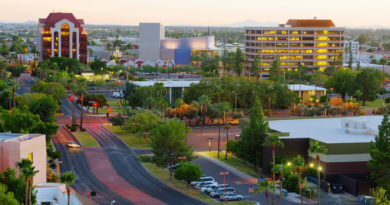
Irving does not have a one size fits all dining footprint. The food changes as you move through the city’s neighborhoods and commercial corridors. Las Colinas, with its offices, hotels, and planned lifestyle centers, tends to lean toward business lunches, polished dinner rooms, and restaurants designed for groups. You find more patios, bar forward concepts, and menus built for people who want a complete night out without driving far.
In other parts of Irving, especially along the older retail strips and dense residential pockets, the experience becomes more practical and local. These are the places where independent restaurants thrive, where family run kitchens build loyal followings, and where you can stumble into a meal that feels like it was made for regulars, not tourists. The city’s dining personality comes from the tension between those two vibes: upscale convenience and neighborhood authenticity.
Texas Comfort Food and the Everyday Classics
Any conversation about eating in Irving has to start with Texas staples. Barbecue, chicken fried comfort plates, hearty breakfasts, and big portions are still part of the city’s daily rhythm. Irving has plenty of places where brisket and smoked sausage anchor the menu, with sides like potato salad and beans showing up as expected supporting cast. What makes these spots matter is not novelty. It is reliability. Texans expect a certain standard, and the restaurants that survive do it by delivering the same satisfying experience on a random weekday as they do on a busy weekend.
Tex Mex is another foundation, and it plays out in multiple ways. Some restaurants lean into the classic formula of sizzling fajitas, enchiladas, and warm chips with salsa that refills before you ask. Others push toward more modern presentations, brighter sauces, and cocktail programs built around tequila and mezcal. Irving diners tend to reward both approaches as long as the food feels generous and the flavors are confident.
Breakfast culture also deserves its own spotlight. Irving is the kind of city where early mornings matter. People commute, travel, or work schedules tied to aviation, hospitality, and corporate roles. That has helped keep breakfast tacos, diner plates, pancakes, and strong coffee in steady demand. The breakfast scene is less about trends and more about convenience, speed, and comfort that feels earned.
The Global Influence That Defines Modern Irving
If Texas classics are the foundation, Irving’s international dining is the part that makes the city stand out. The city has grown into a place where global flavors are not an occasional option. They are a core part of how people eat week to week. That is visible in the way grocery stores stock ingredients, in the number of specialty markets, and in the restaurant clusters that serve specific communities with pride.
South Asian dining is one of Irving’s defining strengths. Many locals treat the city as a go to area for Indian, Pakistani, and related regional cuisines, with options ranging from casual counter service to more formal dining rooms. You can find fragrant rice dishes, rich curries, grilled meats, and breads prepared with care, often paired with sweets and drinks that feel like part of a complete cultural meal rather than an afterthought. This is not just a few isolated spots. It is a scene that feels established, with enough competition that quality matters.
Irving also reflects broader metroplex tastes with strong offerings across East Asian cuisines, including Chinese, Korean, Japanese, and Vietnamese influences. In practice, that means you can move from noodle bowls to grilled plates to sushi experiences depending on the night. Some restaurants focus on speed and comfort, while others create a more curated environment meant for a longer meal. The best part is that you do not need a special occasion to access these flavors. They are woven into daily life.
Middle Eastern and Mediterranean food is another important pillar. Irving’s location and diversity support restaurants where kebabs, shawarma, rice plates, dips, and breads are not niche. They are popular lunch and dinner staples for people who want bold seasoning and satisfying portions that still feel fresh. These cuisines also tend to travel well, which fits Irving’s commuter and corporate rhythm.
Las Colinas: Dining as a Full Experience
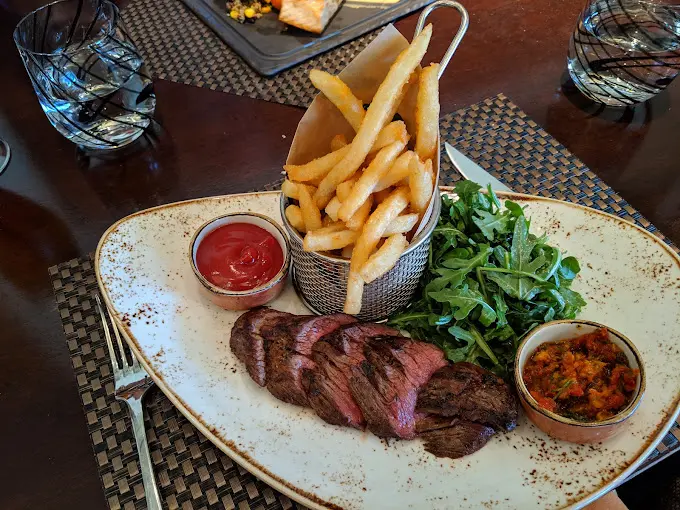
Las Colinas has helped shape Irving’s reputation for business friendly dining and nightlife. Because the area hosts corporate offices, hotels, and events, restaurants there often design themselves as experiences rather than simple meal stops. You see more attention to interior design, larger bar programs, and menus that balance familiar favorites with crowd pleasing twists. Steakhouses, contemporary American spots, seafood centric concepts, and polished global fusion all fit naturally in this environment.
This is also where patios and views matter more. People want to meet colleagues, celebrate, network, and linger a bit. That encourages restaurants to invest in ambiance, service, and drink menus that can carry a full evening. Even when the food is straightforward, the setting makes it feel elevated.
The result is a part of Irving where dining blends into lifestyle. A meal becomes the start of an evening rather than the only event. That distinction is a big reason Irving has become a convenient destination for people who want a night out without driving deep into Dallas.
Hidden Gems and Family Run Kitchens
While the polished side of Irving gets attention, much of the city’s soul lives in small dining rooms, strip center restaurants, and markets that quietly serve exceptional food. These places do not always chase social media trends, but they earn loyal customers through flavor and consistency. In many cases, the recipes feel personal, passed down or refined over years of repetition and feedback from regulars who expect the dish to taste the same every time.
Family run restaurants often bring a different kind of hospitality. The service feels direct and genuine. The menu might be focused rather than broad, because the kitchen specializes instead of trying to please everyone. Irving’s diversity makes these places possible, but the broader city benefits because adventurous eaters can explore cuisines in a more authentic form.
This is where Irving’s food scene becomes most exciting. Not because it is flashy, but because it is real. When a city has enough of these kitchens, the dining culture deepens. People stop thinking of international food as an occasional treat and start treating it as normal, everyday comfort.
Sweet Tooth Culture: Desserts, Drinks, and Late Night Cravings
Irving’s dessert scene mirrors the city’s overall diversity. You can find classic American sweets alongside bakeries and dessert shops influenced by global traditions. Cakes, pastries, ice cream, and specialty drinks all play a role. In a city with busy schedules, dessert spots often become casual gathering places, especially in the evenings when people want something small but satisfying.
Beverage culture matters too. Irving has a steady mix of coffee shops, tea focused spots, and places designed for quick refreshment between errands and meetings. Some are built around remote work energy, while others emphasize speed and takeout. Either way, the demand for good drinks has pushed quality up across the board.
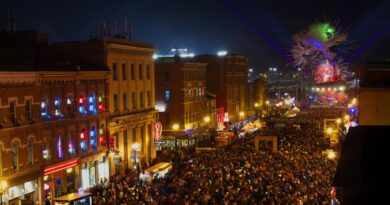
Late night dining is shaped by Irving’s proximity to the airport and by work schedules that do not always end at five. That encourages restaurants to stay open later in certain corridors, giving the city a practical kind of nightlife where food and conversation are the main event.
Food as Community: Markets, Festivals, and Everyday Traditions
A strong food scene is not only about restaurants. It is also about how people shop, cook, and celebrate. Irving’s international markets and specialty grocery stores are a huge part of the city’s culinary identity, because they supply ingredients that allow home kitchens to stay connected to heritage and tradition. Those markets also introduce curious shoppers to spices, snacks, sauces, and produce they might not encounter elsewhere.
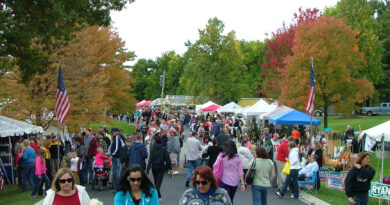
Community events, gatherings, and cultural celebrations often revolve around food as well. Even when a festival is not explicitly a food event, the vendors and shared meals become a centerpiece. Irving’s diversity makes these moments feel especially rich, because different communities bring their own flavors and serving traditions.
Why Irving’s Food Scene Works
Irving succeeds as a dining city because it is built around real needs. People here commute, travel, and juggle demanding schedules, so the city rewards restaurants that are consistent and accessible. At the same time, the city’s cultural mix rewards authenticity, bold flavor, and specialization. Those two forces together create a scene where you can find both comfort and discovery.
Irving does not need to be a single culinary capital to matter. Its strength is range. It is the kind of city where you can grab a fast, satisfying lunch, host a business dinner, or explore a new cuisine all within the same day. Over time, that flexibility becomes a tradition of its own. The food scene becomes not just a list of places to eat, but a reflection of the city’s identity: connected, diverse, and always moving.
Discover more from City Towner
Subscribe to get the latest posts sent to your email.