
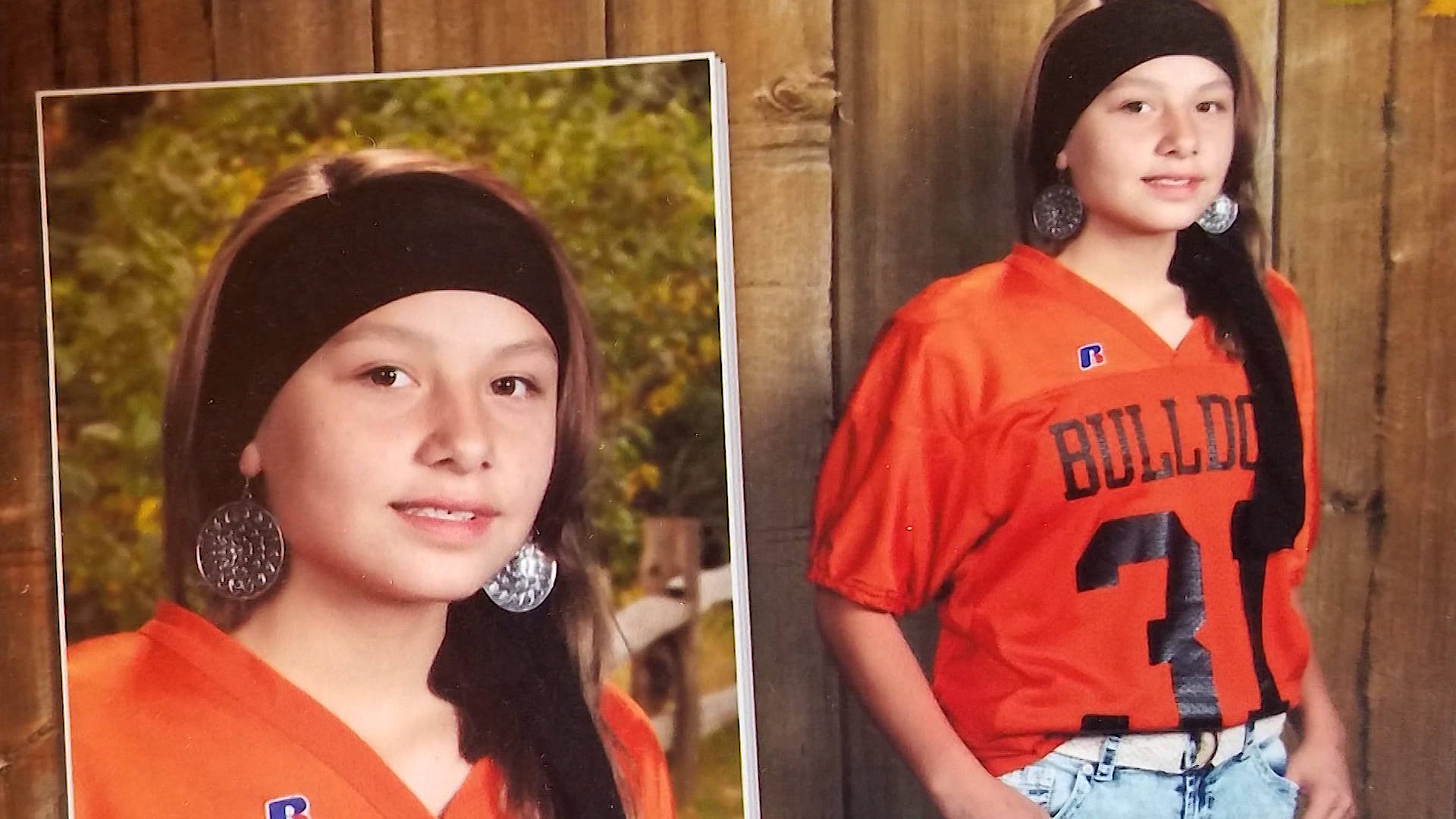
The Murder of the Indigenous Woman “Kaysera Stops Pretty Places” in Hardin Montana
On August 24, 2019, Hardin, Montana felt like a small town moving through a late summer weekend. Hardin sits near the Crow Reservation, and like many rural communities, the lines between neighborhood streets, open land, and private yards can blur quickly. People often know one another by face, family name, or reputation, and that familiarity can create a sense of safety that feels stronger than it really is.
That night, 18 year old Kaysera Stops Pretty Places was out with friends. By the time the night was over, she did not make it home. In the days that followed, what began as worry turned into a community wide demand for answers, especially after the discovery that transformed the case from a disappearance into a death investigation.
Kaysera’s family and advocates have long described what happened to her as murder, pointing to the circumstances and the gaps that followed. Officials, however, have publicly described the cause and manner of her death as undetermined. That tension between what loved ones believe and what can be proven has defined the case for years, fueling grief, anger, and persistent calls for accountability.
Kaysera Stops Pretty Places And The Life She Was Living
Kaysera was 18, a young woman stepping into adulthood with the kind of future that still feels open and possible. People close to her describe a teen who mattered deeply to her family and community. She was part of a larger story that includes culture, identity, and the responsibilities carried by Indigenous families who have long pushed for better protection and better investigations when their loved ones go missing or are killed.
Her death became part of a wider conversation about how Indigenous women and girls are treated by systems that are supposed to respond quickly, thoroughly, and respectfully. For Kaysera’s loved ones, the issue was never abstract. It was immediate and personal. She was not a statistic. She was their family.
When a young person disappears after spending time with friends, the first questions are usually straightforward. Who saw her last. Where was she dropped off. What time did she leave. Was she intoxicated or vulnerable. Did anyone offer her a ride. Did anyone see her walking. In Kaysera’s case, those questions were followed by deeper concerns about what happened after she was last seen and how the earliest hours were handled.
The Last Seen Night And The Hours That Slipped Away
On the night of August 24, 2019, Kaysera was in Hardin socializing. Nights like that can shift quickly, especially when alcohol is involved, when groups split apart, and when someone ends up separated from the people who would normally look out for them. A person can go from surrounded by friends to alone in minutes.
In disappearances, those minutes matter. A short walk can lead into darker streets, private property, or areas where a person is not easily visible from the road. A vehicle can stop briefly. A conversation can turn into coercion. A moment of confusion can become a dangerous decision. Vulnerability does not always look dramatic. Sometimes it looks like someone simply trying to get home.
What is known publicly is that Kaysera did not return home that night. The reasons remain disputed and unclear. Her family has repeatedly pressed the point that the early window was critical, and that the absence of immediate action left too much room for evidence to be lost and for stories to harden before they could be tested.
The Discovery That Changed Everything
On August 29, 2019, Kaysera was found deceased in Hardin. Her body was discovered in a residential backyard near the intersection of Rangeview Drive and Mitchell Avenue. The discovery location immediately raised questions. A backyard is not a distant wilderness site. It is close to daily life, close to people’s homes, and close to the routines of a neighborhood.
In cases where a body is found outdoors in a residential area, investigators typically focus on how long the person was there, whether the body was moved, who had access to the space, and whether anyone noticed anything unusual in the days before the discovery. Every detail becomes important, including the position of the body, the condition of clothing, and whether there are signs of a struggle.
Public reporting has also described that the medical examiner ultimately listed the cause and manner of death as undetermined. That does not mean nothing happened. It means the available medical evidence did not allow the examiner to confidently classify the death as homicide, accident, natural, or suicide. For families, an undetermined ruling can be devastating, because it leaves the door open to doubt while also limiting what can be stated with certainty.
Why The Case Sparked Immediate Public Outrage
Kaysera’s death triggered outrage for more than one reason. The first was the heartbreak of a young woman found dead days after she was last seen. The second was the sense that the early response did not match the seriousness of the situation. When families believe delays occurred, or that the right alarms were not sounded quickly enough, grief often transforms into a drive for justice.
Advocates also emphasized how Kaysera’s case fit into a larger pattern. Indigenous families have repeatedly pointed to gaps in reporting, coordination, and follow through when their loved ones vanish. In this case, the questions were sharp and persistent. When did authorities learn she was missing. What actions were taken in the first hours. Who was interviewed. What evidence was collected. What was preserved. What was missed.
A case can be made harder to solve by even small early missteps. Outdoor scenes are vulnerable to contamination. Memories change quickly. Digital evidence can be overwritten or lost. When time passes without a clear investigative narrative, rumor fills the space, and that can further complicate cooperation and trust.
The Investigation, The Undetermined Ruling, And The Burden Of Proof
The undetermined ruling in Kaysera’s case became a central point of conflict between the family’s belief and what the legal system could prove. Families often feel, sometimes with good reason, that the circumstances clearly point to foul play. Investigators and prosecutors, however, must meet standards that are higher than suspicion. They need evidence that can survive court scrutiny.
This difference in standards creates painful outcomes. A death can feel like a murder to everyone who knew the person and still remain legally unclassified as homicide. That gap can last for years, especially when a case depends on witness cooperation, consistent timelines, and evidence that may have degraded or disappeared.
Public reporting has indicated that officials described the death as suspicious even while the medical classification remained undetermined. That combination can be difficult for the public to understand, but it reflects a reality in many cases. Investigators may strongly suspect wrongdoing based on circumstances, yet still lack the medical or forensic certainty needed to formally declare homicide or file homicide charges.
The Criminal Endangerment Case And What It Did And Did Not Resolve
Years after Kaysera’s death, the case saw a legal development tied to criminal endangerment. A man named Natosi Summers entered a no contest plea to felony criminal endangerment connected to Kaysera’s death and later received probation. That outcome carried weight because it represented an acknowledgement, at least in legal terms, that actions around that night rose to the level of a felony.
At the same time, it did not answer the biggest questions the family has demanded for years. No homicide charge has publicly resolved who killed Kaysera, how she died, or why her body ended up where it was found. For loved ones, that distinction matters. Criminal endangerment suggests dangerous conduct, but it is not the same as proving murder beyond a reasonable doubt.
Legal outcomes can sometimes bring partial closure and renewed pain at the same time. They confirm that something went wrong, but they leave the core mystery intact. In Kaysera’s case, the legal step did not end the public calls for deeper accountability. If anything, it underscored how much remains unresolved.
The Family’s Fight For Justice And The Meaning Of Kaysera’s Name
Kaysera’s grandmother, Yolanda Fraser, and other family members have been at the heart of the push for answers. Their fight has included public advocacy, pressure on agencies, and repeated reminders that Kaysera was more than a case file. Families in these situations often become investigators in their own right, collecting timelines, pushing for transparency, and trying to keep public attention alive.
This advocacy is exhausting, but it is also a form of love. When systems feel slow or incomplete, families often feel they must create momentum themselves. The longer a case remains unresolved, the more important public memory becomes. Attention can generate tips. It can also keep pressure on agencies to continue revisiting evidence and reinterviewing witnesses.
Kaysera’s case has also become a symbol of a broader demand: that Indigenous women and girls receive immediate, serious, coordinated response when they go missing, and that deaths in their communities are investigated with the same urgency and resources given in other high profile cases.
The Questions That Still Hang Over Hardin
The unanswered questions in Kaysera’s case remain sharp and specific. What exactly happened after she was last seen on August 24, 2019. Who was with her in the final hours. Where did she go between that night and August 29, 2019. How did she end up in the backyard where she was found. Was she moved. Did anyone know she was there earlier. What evidence was collected from the scene, and what was lost to time.
There are also questions about accountability beyond one person or one night. What systems failed to trigger faster action. What communication gaps existed. What policies could prevent another family from living through the same nightmare.
Until those questions are answered, Kaysera’s death will continue to be described by loved ones as murder, even if the official classification remains undetermined. Their certainty is rooted in a belief that the circumstances do not match a natural or harmless explanation, and that someone knows the truth.
A Case That Still Demands An Ending
Kaysera Stops Pretty Places went missing on August 24, 2019 in Hardin, Montana, and she was found dead on August 29, 2019. Those dates are fixed. Everything else is a battle over truth, proof, and the difference between what people believe happened and what the system can conclusively establish.
For the family, justice means more than paperwork. It means a clear accounting of what happened, who did it, and why. It means dignity for Kaysera, respect for cultural values, and an end to years of uncertainty. For the community, it means confidence that a young woman can go out for an evening and not vanish into a void of unanswered questions.
Until the case reaches that kind of resolution, Kaysera’s name will remain a call to action, a reminder of loss, and a demand that the story of August 24, 2019 not be allowed to fade.
Discover more from City Towner
Subscribe to get the latest posts sent to your email.


She’s one of many relations we’ve lost. Something is wrong in Bighorn County where little or no investigations are done. Molesters and child rapists, even admitted incestuous convicts are given preferential treatment even illegally, even dismissal, illegal plea agreements. I can’t go on as my heart is hurting thinking about the girls.