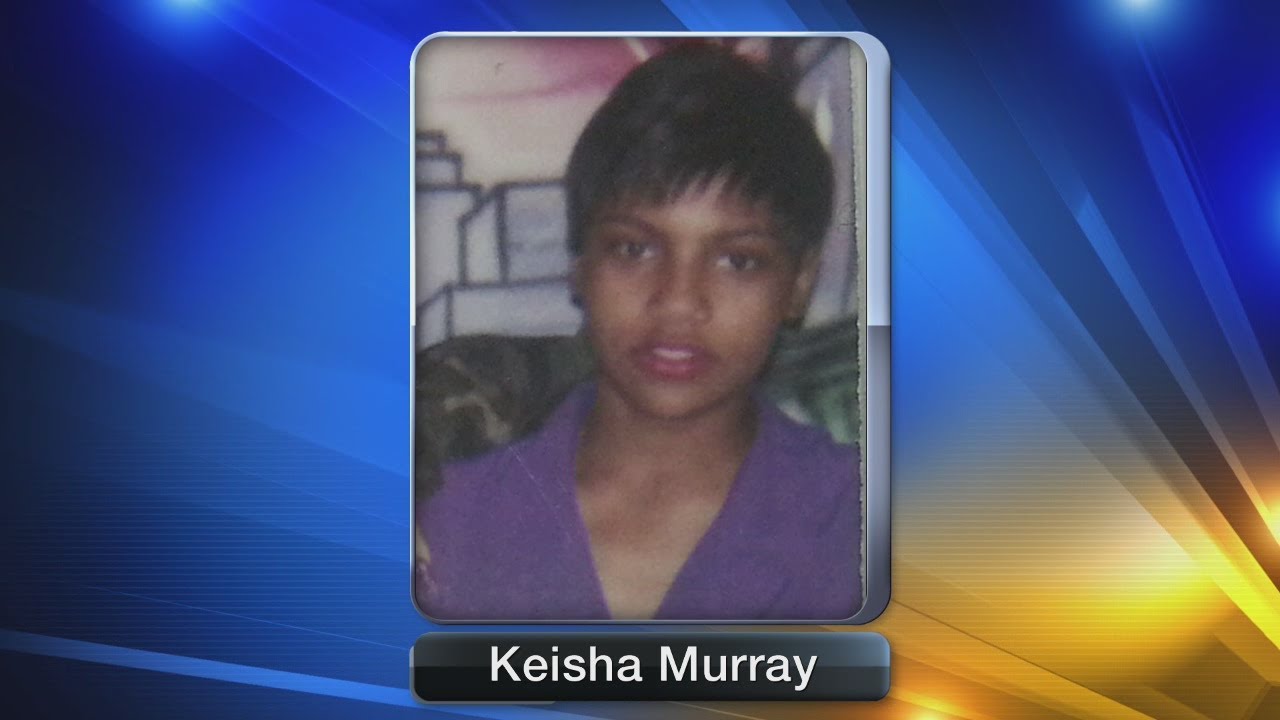
Keisha E. Murray Murdered in Cemetery in Jacksonville Florida
Keisha E. Murray was a 34 year old mother of five from Jacksonville, Florida, whose life was taken in a case that remains painful, disturbing, and unresolved. She was remembered by her loved ones as a woman with warmth, personality, and a smile that stayed with people. Her family described her as someone who loved to cook, loved to laugh, and had a way of making others feel her presence.
Before her name became attached to a cold case, Keisha was a daughter, a mother, a sister, and a woman with people who depended on her. She had children who needed her guidance, protection, and love. She had family members who expected to see her again, hear her voice again, and continue sharing life with her. The violence that ended her life on July 7, 2013, did more than take one person away. It changed the future of an entire family.
Her murder in Jacksonville left behind many questions. Who killed her? Why was she targeted? Where did the crime actually happen? Who moved her body to the cemetery? Was the killer someone she knew, or someone who came into her life briefly and violently? These questions have followed the case for years because the person responsible has not been publicly brought to justice.
The Discovery at Restlawn Cemetery
On July 7, 2013, Keisha Murray’s body was found at Restlawn Cemetery, also known as Restlawn Memorial Park Cemetery, in northwest Jacksonville, Florida. The location made the discovery especially haunting. Cemeteries are places where families go to mourn, remember, and honor the dead. In Keisha’s case, the cemetery became the place where a murder victim was found after someone took her life and left her there.
Her body was discovered in plain view under or near a tree. That detail has remained one of the most unsettling parts of the case. She was not hidden deep in a remote area or buried out of sight. She was left in a place where someone eventually noticed her. Police believed she had been killed somewhere else and then placed at the cemetery.
That belief raised immediate questions about movement, planning, and intent. If Keisha was killed somewhere else, then someone had to transport her body to Restlawn Cemetery. That means the killer, or someone connected to the crime, had enough time and access to move her. It also suggests that the cemetery may have been chosen for a reason, whether symbolic, convenient, familiar, or simply isolated enough for the person responsible to leave without being stopped.
The discovery marked the beginning of an investigation that would leave Keisha’s loved ones waiting for answers.
A Crime That Appeared Deliberate
The circumstances surrounding Keisha’s death suggest that her killer made choices after the murder. Police believed she was killed somewhere else before being left at the cemetery. Some accounts connected to the case have described her body as being positioned or staged in a disturbing way. Whether every detail of those descriptions has been publicly confirmed or not, the known facts are troubling enough.
When a victim is moved after death, investigators must examine more than one possible crime scene. The place where the body is found may not be where the violence occurred. That can make the case harder to solve. Evidence may exist at the original location, but if that location is unknown, investigators have to work backward from the discovery site.
In Keisha’s case, Restlawn Cemetery became the known location, but the true place of the killing remained uncertain. That uncertainty matters because it affects everything: the timeline, the suspect pool, the type of evidence available, and the chance that witnesses may have seen something.
The person responsible may have believed that moving Keisha would hide important evidence or confuse investigators. They may have believed the cemetery would delay discovery. They may have wanted to send a message. Without a solved case, those motives remain unknown.
The Pain Left Behind For Her Children
Keisha was not alone in the world. She was a mother of five, and her death created a lasting impact on her children. Losing a parent to murder is a trauma that follows a child for life. It is not only the loss of love and stability. It is the loss of safety, the loss of explanation, and the loss of the future that parent was supposed to help shape.
Children who lose a parent to violence often carry questions that adults cannot fully answer. Why did this happen? Who did it? Could it have been prevented? Why has no one been held accountable? In Keisha’s case, those questions were made worse by the fact that her murder remained unsolved.
Her children were forced to grow up with the absence of their mother and the weight of not knowing who took her away. The impact of a homicide reaches far beyond the victim. It affects households, schools, relationships, financial stability, emotional health, and the ability of children to feel secure in the world.
Keisha’s murder did not end on July 7, 2013. For her children, her mother, her sisters, and everyone who loved her, the consequences continued every day after.
Her Family’s Grief And Search For Answers
Keisha’s mother spoke about the pain of losing her daughter. She remembered Keisha’s smile, her joy, and the way she brought laughter into the lives of others. That kind of memory is both comforting and painful. It keeps a loved one alive emotionally, but it also reminds the family of everything that was taken.
Families of homicide victims often become unwilling advocates. They did not ask to be part of a criminal investigation or a public story. They did not ask to repeat the details of their loved one’s death. But when a case remains unsolved, families often speak because they want answers, accountability, and attention. Silence can feel like letting the case fade.
Keisha’s loved ones have had to carry grief while also hoping that someone will come forward. That is a heavy burden. Every year that passes can feel like the case is slipping further away, but it can also renew determination. Families continue to say the victim’s name because they do not want the public to forget that a real person was killed.
Keisha was more than a headline. She was more than a body found in a cemetery. She was a woman loved by her family, and her family deserved answers.
Why the Cemetery Location Stands Out
Restlawn Cemetery is central to the case because it was where Keisha was found. The location gives the murder a chilling quality that is difficult to ignore. Cemeteries already carry emotional weight because they are connected to death, grief, and remembrance. But for a living woman to be killed elsewhere and left in a cemetery adds a deeply disturbing layer.
The location also raises practical questions. Did the killer know the cemetery area? Did they choose it because it was quiet? Did they believe no one would be there at the time? Did they have a vehicle? Did they act alone? Was the cemetery chosen randomly, or was there a personal meaning behind it?
In homicide investigations, the disposal location can sometimes reveal something about the offender. It may show familiarity with an area, an attempt to avoid detection, or a desire to control how the victim is found. In Keisha’s case, the fact that she was left in plain view under or near a tree may suggest a lack of time, a lack of concealment, or a deliberate decision to leave her visible.
Without an arrest, the meaning of that location remains open. Still, it remains one of the most haunting details in the case.
The Challenge of an Unsolved Homicide
Keisha Murray’s murder remains unsolved, which means the investigation has not resulted in a public conviction. Unsolved homicides are especially painful because they deny families the legal closure that comes with knowing who was responsible. While a conviction cannot bring a loved one back, it can at least confirm the truth and hold someone accountable.
Cold cases can become difficult as time passes. Witnesses move away. Memories fade. Physical evidence may become harder to locate or test. People who once knew something may convince themselves it is too late to speak. But time does not erase responsibility. Someone may still know what happened to Keisha.
In many cold cases, answers come from one tip. A person may remember a conversation, a suspicious vehicle, a strange comment, a confession, or unusual behavior after the murder. A detail that seemed small in 2013 might be important today. Sometimes people stay silent because they are afraid. Sometimes they stay silent because of loyalty. Sometimes they do not realize that what they know could matter.
But in a case like Keisha’s, any credible information could help.
The Human Cost of Violence
The murder of Keisha Murray is not only a criminal case. It is a human tragedy. A mother was taken from her children. A daughter was taken from her mother. A sister was taken from her siblings. A family was forced to endure a violent loss without the comfort of answers.
When people talk about homicide statistics, it can become easy to forget the human beings behind the numbers. Keisha was not a statistic. She was a woman with a life, a personality, and people who loved her. She had routines, memories, favorite foods, family jokes, dreams, and responsibilities. Her children did not lose an idea. They lost their mother.
Violence leaves behind invisible damage. It changes how families celebrate holidays. It changes birthdays. It changes the way children understand safety. It changes the way parents grieve. It creates a permanent before and after.
For Keisha’s family, July 7, 2013, became a dividing line. Before that date, she was still alive. After that date, they were left with grief, questions, and the hope that justice would one day come.
Remembering Keisha as More Than a Victim
Keisha Murray should be remembered as a person first. She was a mother of five and a woman loved by her family. She was remembered as joyful, funny, and full of life. She loved to cook and make people laugh. Those details matter because they give her humanity back in a story defined by violence.
True crime stories can sometimes focus so much on the circumstances of death that the life gets pushed aside. But Keisha’s life deserves attention. Her children deserve to know that their mother was seen as more than what happened to her. Her family deserves to have her remembered for her spirit, not only for the way she was found.
The person who killed Keisha took her life, but they did not erase her identity. Her loved ones kept her memory alive. Her story continues to be shared. Her name still carries meaning.
The Need For Justice
Justice in Keisha Murray’s case means more than solving an old file. It means accountability for the person who killed a mother and left her body at a cemetery. It means answers for her children. It means peace for her mother and family. It means showing that her life mattered and that her death will not be forgotten.
The case remains a call for anyone with information to speak. Someone may know where Keisha was before she died. Someone may know who she was with. Someone may remember a vehicle near Restlawn Cemetery. Someone may have heard a person talk about the crime. Someone may have seen behavior that seemed strange after July 7, 2013.
Even years later, truth can still come forward. Families of victims continue to hope because cases do get solved after long periods of silence. New evidence, renewed attention, and public cooperation can all make a difference.
Keisha’s family should not have to keep wondering. Her children should not have to live without knowing who took their mother away.
The Lasting Memory of Keisha Murray
Keisha E. Murray was murdered on July 7, 2013, in Jacksonville, Florida. Her body was found at Restlawn Cemetery in northwest Jacksonville, under or near a tree, in plain view. Police believed she had been killed somewhere else and then left at the cemetery. She was 34 years old and the mother of five children.
Her murder remains unsolved, but her story is not forgotten. She is remembered by family and loved ones as a woman who smiled, laughed, cooked, and brought joy into the lives of others. She is remembered as a mother whose children deserved more time with her. She is remembered as a daughter whose mother should not have had to bury her.
The pain of Keisha’s murder continues because the truth has not fully been revealed. But every time her name is spoken, her memory stays alive. Every renewed conversation about her case is another reminder that someone took her life and that justice is still needed.
Keisha Murray deserved to live. She deserved to raise her children, grow older, and remain surrounded by the people who loved her. Her family deserves answers. Her community deserves accountability. And her case deserves continued attention until the person responsible is finally brought to justice.
Discover more from City Towner
Subscribe to get the latest posts sent to your email.