The Canal District in Worcester Massachusetts
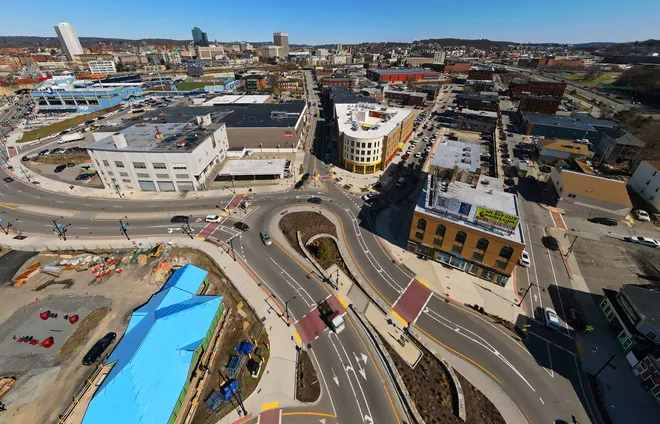
The Canal District in Worcester, Massachusetts, is one of the city’s most interesting examples of transformation. Once tied to transportation, manufacturing, industry, warehouses, immigrant labor, and working-class life, the neighborhood has become one of Worcester’s most active modern destinations for dining, sports, nightlife, housing, entertainment, and redevelopment. It is a place where the city’s past and present meet in a very visible way.
The name “Canal District” comes from the Blackstone Canal, a major early 19th-century transportation project that connected Worcester to Providence, Rhode Island. Although the canal itself operated for a relatively short period, its impact on Worcester’s growth was significant. It helped push the city toward industrial development and gave Worcester a stronger connection to regional trade routes. Over time, the canal was replaced by railroads, streets, factories, warehouses, and commercial buildings, but the memory of the canal remained part of the area’s identity.
Today, the Canal District is known less for water transportation and more for its energy. Restaurants, bars, breweries, apartments, shops, sports fans, visitors, and local businesses have brought new attention to the neighborhood. The arrival of Polar Park, home of the Worcester Red Sox, accelerated that change and made the area one of the most talked-about redevelopment zones in central Massachusetts.
The Canal District is not just a trendy name placed on an old neighborhood. It represents Worcester’s larger story. The city has repeatedly reinvented itself, moving from colonial town to industrial powerhouse, from manufacturing center to education and health care hub, and from overlooked urban area to a city gaining new attention. The Canal District shows that change at street level.
The Roots of the Canal District
Before the Canal District became a modern entertainment and dining neighborhood, the land was part of a much older story. The Worcester area was originally connected to Native peoples, including the Nipmuc, who lived throughout central Massachusetts long before European settlement. They used the region’s waterways, forests, and travel paths for daily life, trade, farming, fishing, and movement.
European settlement gradually changed the landscape. Worcester became a town in 1722, and its central location within Massachusetts helped make it a regional hub. As the town grew, leaders and business interests looked for better ways to move goods in and out of central Massachusetts. In the early 1800s, transportation was one of the biggest challenges facing inland communities. Roads were difficult, shipping was slow, and access to coastal markets was limited.
The idea of building a canal from Worcester to Providence grew out of this need. Providence offered access to the Atlantic world through Narragansett Bay, while Worcester had the potential to become a strong inland center for trade and production. A canal could connect raw materials, finished goods, merchants, farmers, and manufacturers in a way that roads alone could not.
That dream became the Blackstone Canal, one of the most ambitious transportation projects in the region during its time.
The Blackstone Canal And Worcester’s Growth
The Blackstone Canal opened in 1828 and stretched from Worcester to Providence. It followed the Blackstone River Valley and created a commercial link between central Massachusetts and Rhode Island. For Worcester, the canal represented opportunity. It promised easier transportation, access to markets, and a chance to grow beyond its rural and county-seat identity.
The canal helped move goods such as lumber, coal, farm products, manufactured items, and raw materials. It made Worcester more connected to regional trade and encouraged investment in businesses and industry. Although the canal was expensive to build and difficult to maintain, it played an important role in the city’s early industrial development.
At the time, canals were seen as modern technology. They could move heavy goods more efficiently than wagons on rough roads. For Worcester, the canal was a sign that the town was becoming more ambitious and more connected to the outside economy.
However, the canal era did not last long. Railroads quickly became the dominant form of transportation. Trains were faster, more reliable, and better suited to the needs of a growing industrial economy. By the middle of the 19th century, railroads had largely replaced the canal’s role. The Blackstone Canal faded from daily use, but the area it helped shape continued to develop.
Even though the canal itself declined, its influence remained. It helped prepare Worcester for industrial growth and marked the beginning of the neighborhood’s connection to transportation, commerce, and manufacturing.
From Canal to Railroad And Industry
After the canal lost importance, Worcester’s growth continued through the rise of railroads. The city became a major railroad crossroads, linking Boston, Providence, Springfield, Albany, and other important destinations. This shift changed the former canal area and surrounding neighborhoods.
Rail lines, factories, warehouses, machine shops, and commercial buildings began to dominate the landscape. Worcester became one of New England’s great industrial cities, producing wire, machinery, tools, textiles, envelopes, metal goods, shoes, and many other products. The area now known as the Canal District became part of this working industrial environment.
The neighborhood served practical purposes. It was a place of labor, storage, production, shipping, and commerce. The buildings were not designed mainly for beauty or leisure. They were designed for work. Brick warehouses, industrial structures, loading areas, and commercial spaces reflected the city’s manufacturing economy.
This industrial period helped define Worcester’s identity. The city became known for invention, skilled labor, and a diverse manufacturing base. Thousands of workers helped power that economy, including many immigrants who came to Worcester looking for opportunity.
Immigrant Labor And Working-Class Life
The history of the Canal District is also connected to the lives of workers and immigrant families. Worcester attracted Irish, French Canadian, Armenian, Italian, Polish, Lithuanian, Greek, Syrian, Lebanese, Swedish, and many other communities during the 19th and early 20th centuries. Many immigrants found work in factories, rail yards, shops, mills, construction, and service jobs.
Neighborhoods near industrial areas were often filled with working families who lived close to jobs, churches, markets, schools, and social clubs. Daily life was shaped by long work hours, crowded housing, ethnic traditions, religious institutions, and strong community ties.
The area that later became known as the Canal District was not always glamorous. It was practical, noisy, busy, and sometimes difficult. It reflected the reality of an industrial city. Workers moved goods, repaired machines, loaded freight, operated equipment, and supported the businesses that made Worcester grow.
The working-class character of the neighborhood remains important to understanding its modern identity. The Canal District’s appeal today comes partly from its old industrial bones. Brick buildings, old streets, warehouse spaces, and reused structures give the neighborhood a sense of authenticity that cannot be easily manufactured.
Decline And Changing Urban Patterns
Like many older industrial neighborhoods in American cities, the Canal District experienced decline as Worcester’s manufacturing economy weakened. In the second half of the 20th century, factories closed, companies moved, rail traffic changed, and many industrial buildings lost their original purpose.
As jobs disappeared, some buildings became vacant or underused. Streets that had once been filled with industrial activity became quieter. Businesses struggled, and investment shifted to suburban areas. Shopping centers, highways, and changing development patterns pulled people and money away from older urban neighborhoods.
Worcester also went through urban renewal projects that changed the shape of the city. Downtown and nearby districts were affected by demolition, new roads, large redevelopment plans, and shifting ideas about what a modern city should look like. Some of these efforts damaged historic character and disrupted older neighborhoods.
The Canal District survived this period, but it was not yet the busy destination it is today. For years, the area was seen by many as overlooked, gritty, or transitional. Its buildings carried history, but much of that history was hidden under vacancy, aging infrastructure, and limited investment.
Still, the neighborhood had assets. It was close to downtown, close to highways, close to Union Station, and filled with buildings that could be reused. Those qualities would eventually become important as Worcester began to rethink its future.
The Beginning of Revitalization
The modern revival of the Canal District did not happen overnight. It came through years of gradual effort by business owners, residents, developers, preservation-minded advocates, artists, restaurant operators, and city leaders who saw potential in the neighborhood.
Older buildings began to attract new uses. Restaurants, bars, small businesses, entertainment spaces, and creative ventures started bringing people back into the area. The neighborhood’s industrial character, once seen as a drawback, became part of its appeal. People wanted places with brick walls, historic texture, walkable streets, and a sense of local identity.
The Canal District name itself helped create a stronger neighborhood brand. It connected the area to Worcester’s canal history while giving modern businesses and residents a shared identity. Instead of being viewed as a forgotten industrial zone, the area began to be seen as a district with personality and potential.
Restaurants played a major role in this shift. Food and nightlife can bring life back to old commercial neighborhoods because they give people a reason to visit after work and on weekends. As more people came to eat, drink, and socialize, more businesses found reasons to open nearby.
The Rise of Dining And Nightlife
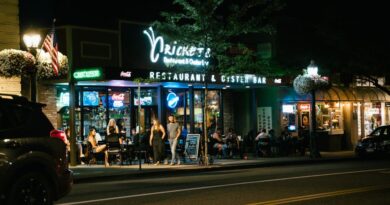
One of the strongest parts of the modern Canal District is its dining and nightlife scene. The neighborhood has become a destination for people looking for restaurants, bars, breweries, casual hangouts, and social energy.
The dining scene reflects Worcester’s larger food culture. Visitors can find comfort food, creative menus, international flavors, pub food, brunch, cocktails, craft beer, and casual meals. The neighborhood works well for groups because it offers multiple places within walking distance, making it easy to move from dinner to drinks or from a game to a late-night stop.
Nightlife has also helped shape the district’s modern personality. Bars, music, events, and gathering places create energy after dark. This makes the Canal District feel different from quieter residential neighborhoods or more office-focused parts of downtown.
The best part of the district’s food and nightlife identity is that it still feels connected to Worcester’s local character. It is not simply polished or corporate. Many places reflect independent business ownership, neighborhood pride, and the city’s practical but creative personality.
Polar Park And a New Era
The arrival of Polar Park marked one of the biggest turning points in the modern history of the Canal District. The ballpark became home to the Worcester Red Sox, often called the WooSox, and brought professional baseball to the neighborhood.
Polar Park changed how many people viewed the Canal District. It gave the area a major public attraction and brought thousands of visitors into the neighborhood during baseball season. Fans now come for games, food, drinks, and events, creating more foot traffic and business activity.
The ballpark also became a symbol of Worcester’s larger redevelopment ambitions. It showed that the city was willing to invest in a new chapter for downtown and nearby neighborhoods. Around the stadium, new housing, hotels, restaurants, and commercial projects added to the sense that the district was becoming one of Worcester’s most important growth areas.
Not everyone has viewed the ballpark project the same way. Large redevelopment efforts often bring debate about public spending, neighborhood change, parking, traffic, affordability, and who benefits most from new investment. Those questions are part of the modern Canal District story as well.
Still, Polar Park undeniably increased attention on the district. It turned the neighborhood into a regional destination and helped reshape Worcester’s image for visitors who may not have spent much time in the city before.
Housing And Urban Living
Modern redevelopment in the Canal District has also brought new housing. Apartments, mixed-use buildings, and residential projects have helped turn the neighborhood into a place where people not only visit but also live.
This shift is important because strong urban neighborhoods need more than restaurants and entertainment. They need residents who walk the streets daily, support local businesses, use nearby services, and create activity beyond event nights.
The growth of housing reflects broader trends in Worcester. More people are interested in walkable neighborhoods, access to restaurants, proximity to transit, and city living. The Canal District offers those qualities while still being close to highways, downtown, Union Station, and major employers.
At the same time, new housing raises questions about affordability and neighborhood identity. As areas become more popular, rents can rise and long-standing businesses or residents may face pressure. The challenge for Worcester is to grow the Canal District in a way that creates opportunity without erasing the local character that made the neighborhood appealing in the first place.
The Role of Union Station And Transportation
Union Station is close to the Canal District and remains an important part of the area’s modern appeal. As Worcester’s historic transportation hub, it connects the city to regional rail and bus service. Its presence reinforces the district’s long connection to movement and trade.
In the canal era, the neighborhood was tied to water transportation. In the railroad era, it became tied to freight and passenger rail. Today, its location near Union Station gives residents and visitors access to modern transportation options.
This matters because walkable, transit-connected neighborhoods are increasingly valuable. The Canal District benefits from being close to trains, buses, highways, downtown offices, medical institutions, and entertainment venues. That connectivity helps explain why developers and businesses continue to see potential in the area.
Transportation has always shaped the Canal District. The form has changed from canal boats to trains to cars to modern transit, but the central idea remains the same. The neighborhood has always been connected to movement.
Preserving History While Building the Future
One of the most important challenges facing the Canal District is balancing preservation with growth. The neighborhood’s historic character is a major part of its appeal. Old brick buildings, industrial details, and reminders of Worcester’s past give the area a sense of authenticity.
If too much of that character is lost, the neighborhood could become less distinctive. New development can bring investment and activity, but it must be handled carefully. The best version of the Canal District is not one that erases history. It is one that reuses and reimagines history.
Adaptive reuse plays an important role in this process. Turning old industrial buildings into restaurants, apartments, offices, studios, or shops allows the city to keep physical links to the past while giving buildings new purpose. This approach respects Worcester’s history while allowing the neighborhood to keep evolving.
The Canal District’s identity depends on this balance. Its future should feel modern, but not generic. It should grow, but not forget where it came from.
A Destination for Visitors And Locals
Today, the Canal District is one of the best areas in Worcester for visitors. It offers a compact mix of things to do, including dining, nightlife, baseball, events, shopping, and walking. For someone new to the city, it provides an easy introduction to modern Worcester.
Locals also use the district as a gathering place. People come before games, after work, on weekends, for special events, or simply for a night out. The neighborhood has become part of Worcester’s social routine.
The district’s appeal comes from its flexibility. It can be casual or lively, family-friendly during the day or social at night. It can serve sports fans, food lovers, young professionals, college students, tourists, and longtime residents.
That range makes it one of Worcester’s most important modern neighborhoods. It is not just a redevelopment project. It is a living part of the city’s daily culture.
Challenges Facing the Canal District
Despite its success, the Canal District still faces challenges. Parking, traffic, affordability, construction disruptions, business turnover, and balancing old and new development remain ongoing issues.
Growth can create excitement, but it can also create tension. Some residents may worry that the neighborhood is changing too quickly. Some businesses may benefit from new visitors, while others may struggle with rising costs. Visitors may enjoy the activity, while locals may deal with congestion on busy event days.
There is also the broader question of who gets to participate in the district’s success. Worcester is a diverse, working-class city with deep immigrant roots. The Canal District’s future should reflect that wider community, not just serve one type of resident or visitor.
The strongest neighborhoods are those that remain accessible, diverse, and connected to the city around them. The Canal District has the potential to be that kind of place if growth is handled with care.
Why the Canal District Matters
The Canal District matters because it tells Worcester’s story in one neighborhood. Its name remembers the Blackstone Canal. Its buildings reflect industry and labor. Its streets show the city’s transportation past. Its restaurants and businesses show modern entrepreneurship. Its ballpark shows redevelopment and ambition. Its housing growth shows the return of urban living.
Few neighborhoods capture so many layers of a city’s history and future at once. The Canal District is not just about food, nightlife, or baseball. It is about Worcester’s ability to change while holding onto its identity.
The neighborhood also matters because it has helped shift how people think about Worcester. For many years, the city was often overlooked or underestimated. The Canal District has become one of the places that challenges that old image. It shows that Worcester has energy, culture, and momentum.
The Future of the Canal District
The future of the Canal District will likely bring more development, more residents, more businesses, and more attention. As Worcester continues to grow, the district will remain a key part of the city’s urban revival.
The best future for the neighborhood will depend on balance. It should welcome investment but protect local character. It should encourage new housing but consider affordability. It should support nightlife and entertainment while remaining livable for residents. It should honor history while allowing modern uses.
If Worcester can manage that balance, the Canal District can continue to become one of the strongest urban neighborhoods in central Massachusetts. It can serve as a model for how older industrial areas can be brought back to life without losing their soul.
The Canal District’s story began with transportation and trade, continued through industry and decline, and now moves through redevelopment and renewal. Its modern energy is exciting, but its history is what gives that energy meaning.
A Neighborhood Where Past And Present Meet
The Canal District in Worcester, Massachusetts, is more than a revived neighborhood. It is a place where the city’s past and present stand side by side. The memory of the Blackstone Canal, the legacy of factories and workers, the impact of railroads, the growth of restaurants and nightlife, and the arrival of Polar Park all come together in one district.
Its streets tell a story of ambition, decline, survival, and reinvention. That story mirrors Worcester itself. The city has always been shaped by change, and the Canal District is one of the clearest examples of that ongoing transformation.
Today, people come to the Canal District to eat, drink, watch baseball, attend events, live in new apartments, support local businesses, and experience a neighborhood with real character. But beneath the modern activity is a long history of work, movement, industry, and community.
That combination is what makes the Canal District special. It is not simply old and it is not simply new. It is both. It carries Worcester’s history while helping define its future.
Discover more from City Towner
Subscribe to get the latest posts sent to your email.