
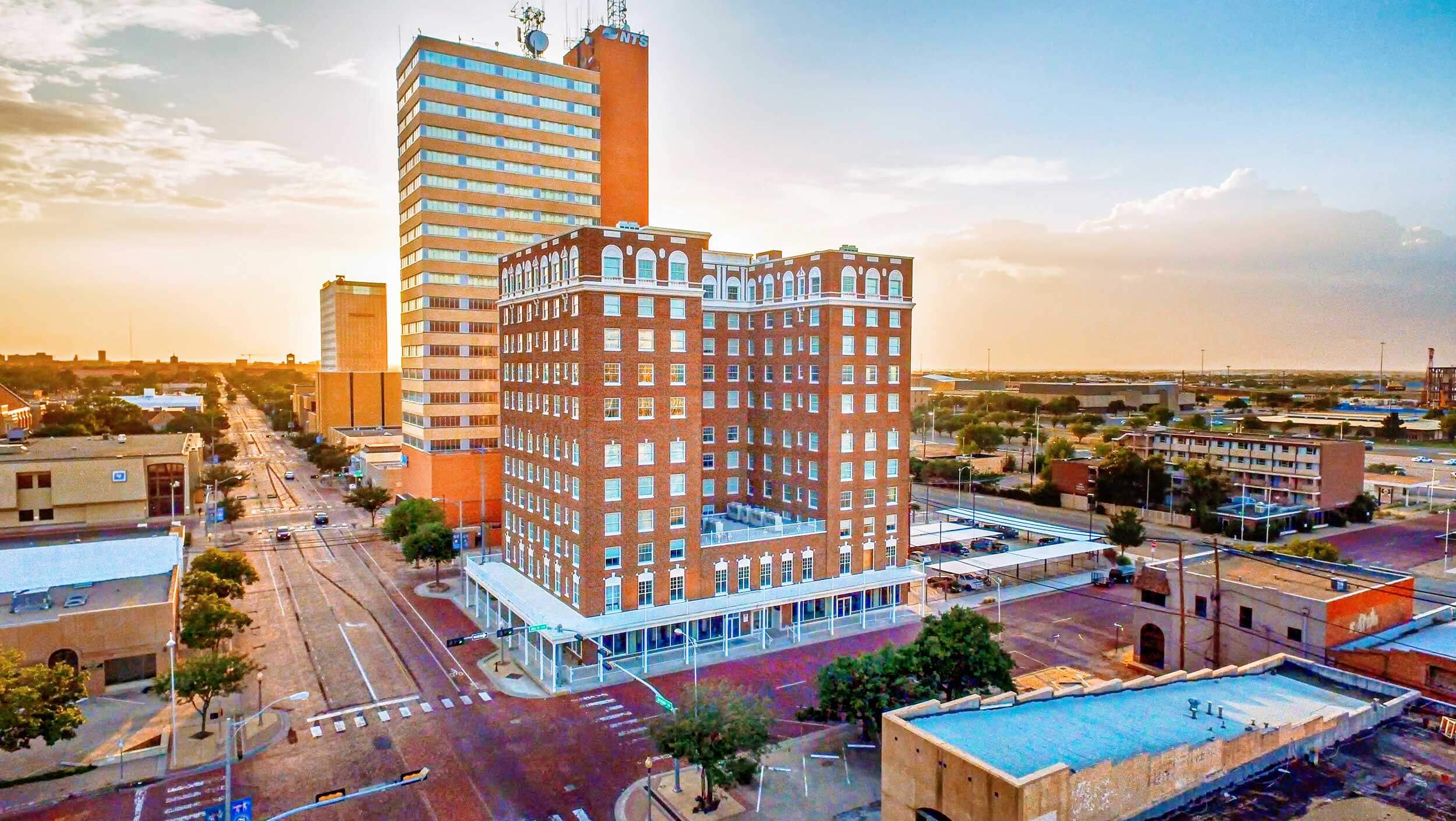
History of Lubbock Texas
Lubbock, Texas, is a city with a vibrant history that blends rich cultural heritage, a deep connection to agriculture, and the spirit of the American frontier. Located in the heart of the South Plains, Lubbock’s story is one of transformation, resilience, and growth. This article takes a comprehensive look at the city’s evolution, from its earliest Native American roots to its present status as a center of education, music, and commerce.
Early Native American Presence
Before European settlers arrived, the area now known as Lubbock was home to Native American tribes, including the Comanche and Apache, who inhabited the High Plains of West Texas. The region’s vast plains and ample bison herds made it a favorable location for these tribes, who relied on hunting, gathering, and seasonal migrations. Artifacts found in and around Lubbock indicate a rich and active presence dating back thousands of years, showing that this area has been significant for centuries.
The Arrival of Spanish Explorers
The first Europeans to explore the area were Spanish conquistadors in the 16th century. In 1540, Francisco Vásquez de Coronado led an expedition across the region in search of the fabled “Cities of Gold.” Although he didn’t find the mythical cities, his journey marked one of the earliest European incursions into what would become West Texas. The Spanish influence in the region would continue for centuries, shaping the area’s early cultural dynamics.
Early Settlement Efforts in the 19th Century
The 1800s brought significant change to the South Plains as Anglo-American settlers began to move into the area. Following the U.S. annexation of Texas in 1845, the region opened up to ranchers and pioneers. By the mid-19th century, the region’s flatlands became prime grazing territory for cattle ranchers, despite the challenges posed by its arid environment and isolation.
The Buffalo Soldiers, African American cavalry regiments established after the Civil War, played a vital role in securing the region for settlement, as they were tasked with protecting settlers and managing conflicts with Native American tribes.
The Founding of Lubbock in 1890
Lubbock was officially established in 1890 when two smaller settlements, Old Lubbock and Monterey, merged. Named after Thomas S. Lubbock, a Confederate officer and Texas Ranger, the city’s foundation was rooted in the desire for economic growth and access to resources. Its location on the High Plains offered strategic advantages for agriculture and trade, setting the stage for future development.
The early years were characterized by rough terrain, a lack of water sources, and harsh weather conditions. However, determined settlers built a community that gradually expanded through the cultivation of crops, particularly cotton, which would become the backbone of Lubbock’s economy.
The Arrival of the Railroad in 1909
A pivotal moment in Lubbock’s history was the arrival of the Santa Fe Railroad in 1909. This development marked the beginning of a new era, transforming Lubbock from a small settlement into a significant trade hub. The railroad connected Lubbock to other cities in Texas and beyond, facilitating the movement of goods and people. It helped solidify the city’s role as an agricultural center, boosting local industries and attracting new residents seeking economic opportunities.
The railroad also allowed farmers to ship cotton and other crops more efficiently, fueling the growth of Lubbock’s agricultural sector. By the early 20th century, Lubbock had established itself as the Cotton Capital of the South Plains, and cotton gins became a common sight in the area.
Establishment of Texas Technological College in 1923
One of the most significant milestones in Lubbock’s history was the founding of Texas Technological College (now Texas Tech University) in 1923. The decision to establish a major educational institution in Lubbock was driven by the city’s strategic location and agricultural prominence.
The university became a catalyst for growth, attracting students, educators, and research initiatives that diversified the local economy. Over the decades, Texas Tech grew into one of the largest universities in the state, significantly impacting the cultural, economic, and social landscape of Lubbock.
The Dust Bowl and Great Depression Era
The 1930s were a challenging period for Lubbock, as the city, like much of the Great Plains, was affected by the Dust Bowl and the Great Depression. The combination of severe drought and poor farming practices led to massive dust storms that devastated crops and livestock. The economic downturn further strained the city’s resources, leaving many residents struggling to make ends meet.
Despite these hardships, the community demonstrated resilience. The agricultural sector slowly rebounded through the adoption of improved farming techniques, while New Deal programs helped provide relief and infrastructure development. By the end of the 1930s, Lubbock was on a path to recovery, with a renewed focus on sustainable agriculture.
The Post-War Boom and Urban Expansion
Following World War II, Lubbock experienced significant growth, driven by a post-war boom in both agriculture and population. The city’s infrastructure expanded rapidly, with new roads, schools, and businesses being built to accommodate the influx of residents. By the 1950s, Lubbock had solidified its role as an economic and educational center in West Texas.
The development of new irrigation technologies, particularly groundwater pumps that tapped into the Ogallala Aquifer, revolutionized agriculture in the region. Cotton production surged, making Lubbock one of the top cotton-producing areas in the country. The growing population also contributed to an increasingly diverse local economy, with industries such as food processing, manufacturing, and retail establishing a foothold.
The 1970 Lubbock Tornado
On May 11, 1970, a devastating tornado struck Lubbock, leaving a significant mark on the city’s history. The F5 tornado, one of the strongest recorded in the U.S., caused widespread damage, killed 26 people, and injured hundreds more. Entire neighborhoods were destroyed, and the city’s infrastructure suffered heavy losses.
In the aftermath, Lubbock underwent extensive rebuilding efforts. The disaster led to the implementation of improved building codes, better emergency response systems, and a stronger sense of community resilience. The tornado also highlighted the importance of research and development in weather prediction, much of which became a focus for Texas Tech University.
The Evolution of Music and Culture in Lubbock
Lubbock has a rich musical heritage, perhaps best known as the birthplace of rock ‘n’ roll legend Buddy Holly. Born Charles Hardin Holley in 1936, Buddy Holly’s influence on rock music is celebrated worldwide. His success put Lubbock on the map as a center for musical talent, and the Buddy Holly Center stands as a tribute to his legacy.
Beyond rock ‘n’ roll, Lubbock has been a hub for diverse musical genres, including country, folk, and blues. Local venues and festivals continue to celebrate this heritage, drawing both residents and visitors to experience live music that reflects the city’s unique cultural spirit.
Modern Lubbock: Education, Healthcare, and Economy
Today, Lubbock is a bustling city with a population exceeding 250,000. It serves as a regional hub for healthcare, education, and commerce in West Texas. Texas Tech University remains a cornerstone of the city, offering programs in agriculture, engineering, business, and law that contribute to a skilled workforce and ongoing innovation.
The city’s medical sector, led by the Texas Tech University Health Sciences Center, provides advanced healthcare services and medical research. Agriculture remains a critical part of Lubbock’s economy, with innovations in water conservation, crop management, and agribusiness sustaining the region’s productivity.
The Spirit of Lubbock: Resilience and Growth
Throughout its history, Lubbock has demonstrated remarkable resilience and adaptability. From surviving the Dust Bowl to rebuilding after the 1970 tornado, the city’s spirit is defined by a commitment to progress and community. Lubbock’s growth has been shaped by its agricultural roots, educational institutions, and cultural contributions, making it a dynamic part of the Texas landscape.
The city continues to evolve, balancing tradition with modernization while maintaining its unique identity as a hub of innovation, learning, and cultural pride.
Discover more from City Towner
Subscribe to get the latest posts sent to your email.