Shawn O’Brien Mysterious Death in Cranston Rhode Island
The death of Shawn Patrick O’Brien remains one of the most troubling unresolved cases connected to Cranston, Rhode Island. Shawn was 34 years old when he died on July 25, 2006, after being found unconscious and badly injured inside his basement apartment on Pleasant Street. What first appeared to some as a medical emergency soon became a deeply disputed and suspicious case centered on blunt force trauma, unanswered questions, and a family’s long fight for justice.
Shawn was found on July 22, 2006, inside his apartment at 145 Pleasant Street in Cranston. He was unconscious and bleeding, and he was later taken to Rhode Island Hospital, where doctors treated him for a severe head injury. He never regained meaningful consciousness. Three days after he was found, Shawn died on July 25, 2006, leaving behind loved ones who were not satisfied with the early explanations surrounding what had happened to him.
At the heart of the case is a central question that has followed Shawn’s death for years. Did he suffer a fatal injury because of a medical episode, or was he assaulted? His family has long believed the evidence points to violence. They have argued that the condition of the apartment, the nature of his injury, and the circumstances surrounding his discovery do not support a simple accident. Their search for answers has helped keep Shawn’s name alive long after the initial investigation faded from public attention.
Who Was Shawn Patrick O’Brien?
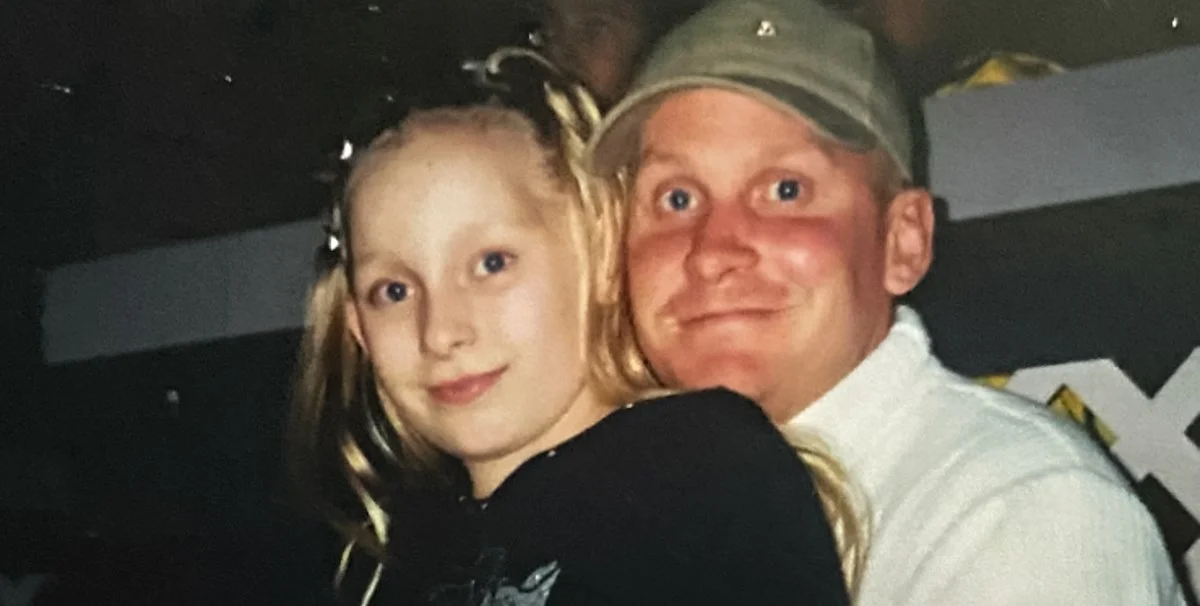
Shawn Patrick O’Brien was a carpenter, a father, a son, a brother, and a man remembered by his family as talented, hardworking, and deeply loved. He lived in Cranston, Rhode Island, and had been staying in a basement apartment on Pleasant Street at the time of his death. He was 34 years old, still young enough to have much of his life ahead of him, but old enough to have built meaningful relationships and a sense of identity through his work and family.
Those who cared about Shawn remembered him as more than a victim in an unresolved case. He was someone with skills, personality, and people who depended on him. He worked with his hands as a carpenter, a trade that requires patience, precision, and physical effort. Carpentry is not easy work. It demands focus, strength, and pride in the finished result. For Shawn, that work was part of who he was.
He was also a father, which adds another painful layer to the case. When a parent dies under suspicious or unclear circumstances, the loss stretches far beyond the immediate grief. Children are left with questions that can last a lifetime. They lose not only the person, but also the chance to hear stories, receive guidance, and build memories that should have continued for years.
Shawn’s family has carried his case with determination. They have not allowed his death to be forgotten or dismissed. Their continued advocacy shows the deep bond they had with him and their belief that the full truth has never been publicly answered.
What Happened Before Shawn Was Found?
The events leading up to Shawn’s death began before he was discovered unconscious in his Cranston apartment. On July 22, 2006, concern grew when Shawn did not show up as expected. Family members knew something was wrong. When they went to check on him, they found a frightening scene.
Shawn was located inside his basement apartment, unconscious and injured. He was reportedly face down and bleeding. At first, the situation was treated as a possible medical emergency because Shawn had a history of seizures. That detail became important because it shaped the early response. If someone is believed to have suffered a seizure, first responders may initially focus on medical treatment rather than a potential crime scene.
But as more information became known, the seizure explanation became harder for Shawn’s family to accept. A seizure can cause a person to fall and suffer injuries, but Shawn’s injury was severe. His family and supporters have questioned whether the location and nature of the trauma fit an accidental fall. They have also raised concerns about possible blood evidence in the apartment and whether the scene was properly preserved.
The difference between a medical emergency and a crime scene is critical. In the first situation, the priority is saving a life. In the second, the priority includes preserving evidence while still helping the victim. If a case is first treated as medical and only later viewed as suspicious, important evidence may be lost, moved, cleaned, or overlooked. That concern has remained one of the most painful issues in Shawn’s case.
The Discovery Inside the Pleasant Street Apartment
Shawn’s apartment at 145 Pleasant Street became the center of the case. It was where he was found, where the injury likely occurred or where its aftermath was discovered, and where investigators needed to understand what had happened. The apartment was a basement unit, which may have affected visibility, access, and how easily sounds or disturbances could be noticed by others nearby.
When Shawn was found, he was in critical condition. The presence of blood immediately made the situation alarming. A person unconscious in a pool of blood is not simply someone who appears ill. It raises urgent questions about trauma, timing, and whether another person may have been involved.
The apartment scene has been a major focus for Shawn’s family. They have questioned whether all signs of violence were recognized early enough. They have also challenged the idea that his injuries could be fully explained by a seizure. In suspicious death cases, the physical scene often matters as much as medical findings. Blood patterns, object placement, damage, witness statements, and the condition of the room can all help explain whether an injury was accidental or inflicted.
Because the case was not immediately handled in the way Shawn’s family believed it should have been, doubts grew. Once doubt enters a death investigation, it can be difficult to resolve. Every unanswered question becomes part of the family’s grief. Every delay becomes a possible lost opportunity.
The Medical Questions
The medical side of Shawn’s case is central to understanding why his death remains so controversial. He suffered a serious head injury described as blunt force trauma. Blunt force trauma can happen in different ways. It can result from a fall, a strike, an object, a collision, or an assault. Determining which explanation fits requires careful attention to the location, severity, and pattern of the injury.
Because Shawn had a history of seizures, an accidental fall was considered early. This may have seemed plausible at first. A person experiencing a seizure can collapse suddenly, hit their head, and be unable to call for help. But Shawn’s family has argued that his injuries and the surrounding circumstances were too severe and too suspicious to be explained that way.
A key concern in cases like this is whether the injury is consistent with a simple fall. Falls often produce injuries to common impact points, depending on how the person falls and what they strike. An assault may produce injuries in different places, sometimes with more force or with patterns that suggest repeated impact. Without full public access to all medical and investigative records, outside observers cannot definitively resolve the question. But the fact that the case has continued to be described as suspicious shows why it has remained open in public discussion.
For Shawn’s loved ones, the medical findings were not abstract. They were evidence that something terrible may have happened to him. If his death was caused by another person, then the early medical framing may have delayed the search for the truth.
A Death That Raised More Questions Than Answers
Shawn died on July 25, 2006, three days after he was found. His death did not bring closure. Instead, it intensified the questions. What happened inside the apartment? How long had he been injured before help arrived? Was anyone with him? Did someone know more than they said? Could the scene have revealed more if it had been treated as suspicious from the beginning?
These are the kinds of questions that haunt families in unresolved death cases. Unlike cases with a clear arrest, confession, trial, or established sequence of events, Shawn’s case has remained clouded by uncertainty. His family has had to fight not only grief, but also doubt. They have had to push for attention, ask for review, and challenge conclusions they felt did not match the evidence.
A suspicious death can be especially difficult because it exists in a gray area. It may not have enough public evidence for a criminal charge, but it may also have too many troubling details to be accepted as an accident. Shawn’s case sits in that painful space. His family believes he was killed. They have continued to seek justice and accountability because they do not believe the full truth has been told.
The Role of Family Advocacy
One of the most important parts of Shawn Patrick O’Brien’s story is the role his family has played in keeping the case alive. Without family advocacy, many cold cases fade from public view. Years pass, news coverage slows, witnesses move on, and official attention can shift to newer cases. Families often become the force that keeps a name from disappearing.
Shawn’s relatives and loved ones have pushed for answers through public appeals, media coverage, and continued discussion of the case. They have questioned the investigation, raised awareness, and encouraged anyone with information to come forward. Their efforts show how families often become investigators in their own right, even while dealing with grief.
This kind of advocacy is exhausting. It requires reliving painful details over and over. It requires speaking publicly about the death of someone loved. It means dealing with frustration when answers do not come quickly. But it can also be powerful. Public attention can bring new tips, new pressure, and new opportunities for review.
In Shawn’s case, family advocacy has helped ensure that his death is not remembered simply as a closed medical event. Instead, it remains a case with serious unanswered questions.
Why the Case Still Matters
Shawn Patrick O’Brien’s death still matters because every unresolved suspicious death leaves a wound in the community. A man died after suffering a severe head injury. His family believes he was the victim of violence. The questions surrounding his death have not been fully answered in a way that satisfies those closest to him. That alone makes the case worthy of continued attention.
The case also matters because it highlights how important early decisions are in death investigations. The first hours after a person is found injured or dead can shape everything that follows. If a scene is treated as medical when it may be criminal, evidence can be lost. If witness statements are not tested early, memories can change. If assumptions guide the response, facts can be overlooked.
Shawn’s case is also a reminder that people with medical histories can still be victims of violence. A seizure disorder or other health condition should never automatically explain away trauma without a complete investigation. Medical vulnerability can make a person more at risk, not less deserving of scrutiny when something violent or suspicious occurs.
Most of all, the case matters because Shawn mattered. His life had value. His death deserves truth. His family deserves answers.
The Pain of an Unresolved Death
When a death remains unresolved, grief becomes complicated. Families do not simply mourn the person they lost. They also mourn the truth they have not received. They replay conversations, timelines, and details. They wonder who knows more. They question whether justice is still possible. They carry anger alongside sadness.
For Shawn’s family, July 25, 2006, was not just the day he died. It became the beginning of a long fight. Every anniversary brings back the unanswered questions. Every new article, interview, or public appeal opens the wound again, but it also keeps hope alive that someone may finally come forward.
Unresolved cases place families in a difficult position. They must keep asking for attention while knowing attention may not immediately lead to answers. They must remain hopeful without certainty. They must speak about someone they loved in the language of evidence, injury, and suspicion. That burden is heavy, but Shawn’s family has continued carrying it because they believe he deserves justice.
Remembering Shawn Patrick O’Brien
Shawn Patrick O’Brien was 34 years old when he died on July 25, 2006, after being found injured in his basement apartment in Cranston, Rhode Island. He was a carpenter, a father, and a loved member of his family. His death was not just a case file or a headline. It was the loss of a real person whose absence continues to be felt.
The known facts remain deeply troubling. Shawn was found unconscious and bleeding inside his apartment. He suffered blunt force head trauma. Early explanations focused on a possible seizure, but his family has long argued that the circumstances point to assault. No clear public resolution has ended the questions surrounding his death.
Remembering Shawn means recognizing both his life and the unresolved nature of his case. It means understanding why his family continues to push for answers. It means refusing to let time erase the need for truth.
The death of Shawn Patrick O’Brien remains a painful and suspicious case in Cranston, Rhode Island. Until the full truth is known, his story remains unfinished, and the call for justice continues.
Discover more from City Towner
Subscribe to get the latest posts sent to your email.