History of Frisco Texas
The history of Frisco, Texas is a story of transformation. What began as open prairie and rural crossroads became one of the most recognized growth cities in North Texas. Frisco sits in Collin and Denton counties, in a region that has long balanced agriculture, transportation, and commerce. For much of its early life, the area was quiet and scattered, defined by ranch land, small farms, and the wide horizon that makes North Texas feel both expansive and grounded.
Frisco’s identity was not built overnight. It was shaped step by step by transportation routes, local entrepreneurs, and the gradual pull of a growing Dallas Fort Worth region. Today, when people think of Frisco, they often picture fast development, modern neighborhoods, and booming business districts. But the deeper story begins with the basics: land, movement, and the decision to build a town where opportunity could take root.
Before the Town, a Rural Landscape
Long before Frisco became a city name on highway signs, the land that would become Frisco was part of a larger North Texas frontier and settlement pattern. Indigenous peoples lived in and traveled through the region, following seasonal patterns, water sources, and game. Later, as settlers moved into North Texas, the area developed as ranch land and farming communities. Life revolved around weather, crops, livestock, and the distance between neighbors.
The landscape mattered. Flat to gently rolling prairie made the area suitable for agriculture and for future transportation lines. Small creeks and water sources supported farm life. The pace of the region was measured, with communities organized around churches, schools, and trading points that served dispersed households. This was the foundation Frisco would rise from, and it helps explain why early Frisco felt like a practical place built to serve real needs, not a planned showcase.
The Railroad Era and the Birth of a Town
Like many towns in Texas, Frisco’s early growth is tied directly to the railroad. Rail lines made it possible to move crops and goods efficiently, connect rural areas to markets, and attract new residents looking for accessible land. The coming of the railroad created a reason for people to gather in a particular spot, and once people gather, a town begins to take shape.
In the early 1900s, the community that would become Frisco was still developing its identity. Towns often formed around depots and rail stops, and the depot served as both an economic engine and a social hub. It was where shipments moved in and out, where news traveled, and where the town’s connection to the wider world felt real.
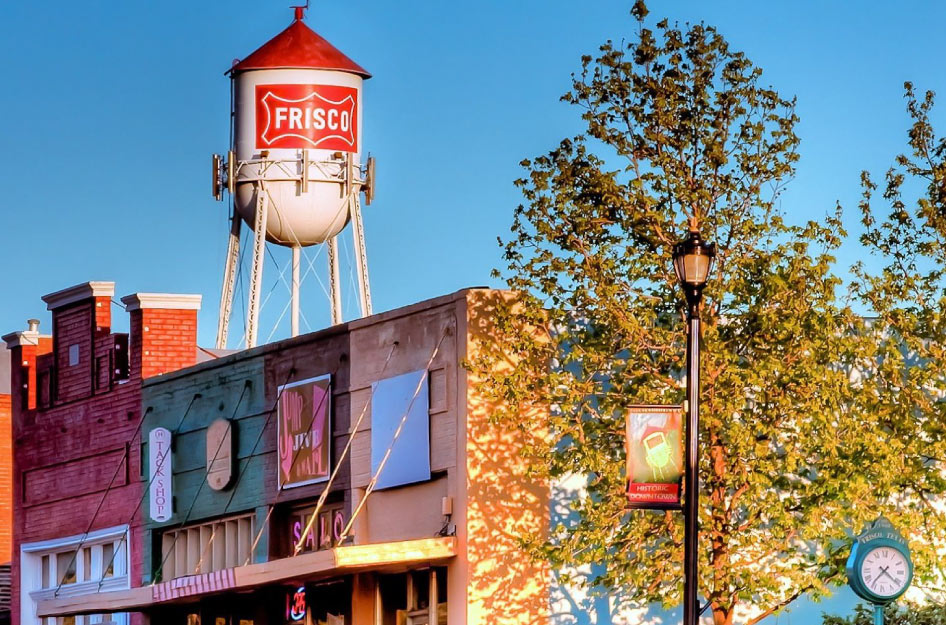
The name Frisco is linked to the St. Louis San Francisco Railway, a major rail system commonly called the Frisco. That rail association helped shape the town’s identity early on. Even the idea of the town being connected to something larger, a rail network with reach and influence, carried symbolic weight. It suggested that this small place had a pathway outward.
Early Community Life, Farming, and Local Business
In its early decades, Frisco functioned as a small agricultural community. Farming and ranching were central, and local businesses grew around the needs of rural life. General stores, feed suppliers, and small service providers became part of the community’s backbone. Schools and churches anchored social life, creating routine and stability.
These were the years when Frisco’s identity was intimate. People knew each other. Families often stayed for generations. Events felt personal and community focused. Even as the city grew later, many long time residents continued to talk about those earlier years as a time when the town felt like one shared living room.
But even then, Frisco’s location mattered. Being positioned in North Texas, within reach of larger cities, meant it was never completely isolated. The region around it was changing, and Frisco was close enough to be influenced by that change, even if it still felt rural.
A Slow Shift Toward Suburban Influence
For much of the twentieth century, Frisco remained relatively small compared to the powerhouse growth that would come later. Its development was slower, shaped by local needs rather than massive regional demand. But across the Dallas area, trends were building. Highways expanded. Suburbs began to spread. Job centers grew. Over time, the push of population and business moved northward.
This gradual suburban influence began to affect Frisco more noticeably in the late twentieth century. The idea of living in a quieter community while still being within driving distance of major employment opportunities became more attractive. Roads and transportation improvements turned distance into something more manageable, and that shift set the stage for Frisco’s most dramatic era.
The Boom Years and the Reinvention of Frisco
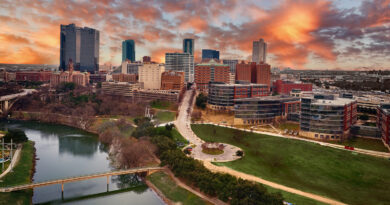
Frisco’s modern reputation is rooted in its rapid expansion as the Dallas Fort Worth metroplex grew outward. What had once been a smaller town began to attract large scale residential development, commercial projects, and corporate interest. New subdivisions appeared. Schools expanded quickly. Shopping centers and office spaces followed.
This growth brought opportunities and challenges. On one hand, Frisco became known as a place of newness, fresh neighborhoods, modern amenities, and strong schools. On the other hand, rapid expansion can strain infrastructure, reshape community identity, and create tension between long time residents and newcomers.
Frisco’s leadership and planning decisions played a major role in navigating this period. The city became associated with careful development strategies, economic recruitment, and a focus on creating a complete community rather than a simple bedroom suburb. That approach helped Frisco evolve into a city where people could live, work, and spend their free time without always needing to travel far.
Sports, Entertainment, and a New Kind of City Identity
One of the most visible signs of Frisco’s transformation has been its role as a sports and entertainment hub. Professional and collegiate sports presence has helped create a modern identity that reaches beyond North Texas. Sports facilities, training centers, and major events bring visitors and attention, reinforcing Frisco’s image as a city with ambition.
This shift is significant historically because it reflects a move from a town defined by agriculture and rail to a city defined by lifestyle, business, and regional attraction. In earlier eras, Frisco’s value came from the land and the rail connection. In the modern era, its value also comes from experience, access, and visibility.
Sports and entertainment do more than fill seats. They create shared identity. They generate local pride. They provide a sense of place that is instantly recognizable. Frisco has used that recognition to position itself as a modern destination, not only a place to move for a house and a commute.
Cultural Preservation and the Need to Remember the Earlier Frisco
As Frisco grew, the question of preserving history became more important. In fast growing cities, older buildings, stories, and landmarks can disappear quickly if they are not actively protected. Preserving the memory of the early town helps give meaning to the modern city. It is a reminder that Frisco did not appear fully formed. It was built.
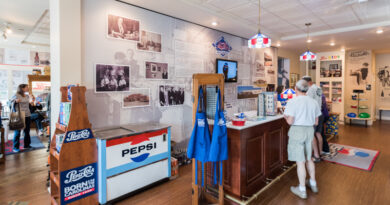
Historic districts, local museums, and community storytelling efforts help keep that earlier identity alive. They connect new residents to the city’s roots and give long time residents a sense that their memories still matter in the new Frisco.
History also acts as a guide. It shows what the city has valued over time, how it has responded to change, and what it has chosen to protect. Those lessons matter in a place that continues to grow.
Frisco Today, Growth with a Sense of Direction
Modern Frisco is often described with words like thriving, fast growing, and family friendly. It has become a major player in North Texas, with strong economic development, expanding infrastructure, and a reputation for opportunity. Yet it still carries pieces of its earlier life in the way neighborhoods form communities, in local pride, and in the continued effort to define what Frisco stands for beyond growth alone.
The most interesting part of Frisco’s history is not only how much it has changed, but how it has managed to keep a sense of purpose while changing. Many places grow. Fewer manage to shape that growth into a coherent identity.
Frisco’s story is still being written. It is a city that rose from prairie and rail, became a small town with deep roots, then reinvented itself as a modern North Texas powerhouse. The future will bring new chapters, but the foundation remains the same: location, movement, and the will to build something bigger than what existed before.
Discover more from City Towner
Subscribe to get the latest posts sent to your email.