Sandra Lemire Death Near Disney World Florida
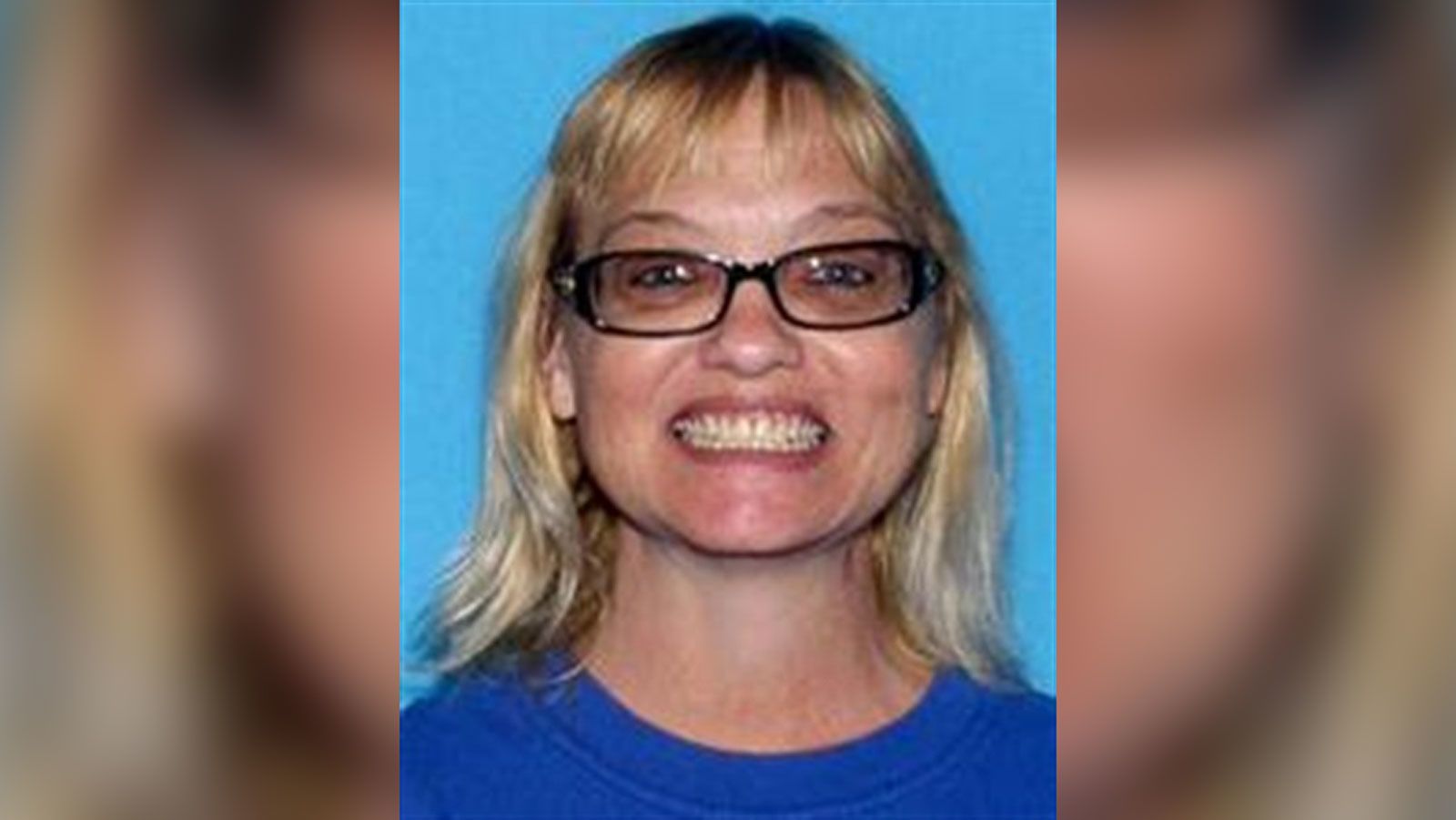
The disappearance of Sandra Lee Lemire remains one of the most haunting missing person cases tied to Central Florida. On May 8, 2012, what should have been a simple trip from Orlando to Kissimmee turned into the beginning of a mystery that lasted for nearly 12 years. Sandra left home expecting to meet a man she had connected with online, and then she seemed to vanish. For her family, that day became a dividing line between ordinary life and a long stretch of fear, questions, and emotional exhaustion.
Cases like this stay with people because they begin in such a familiar way. There was no dramatic warning in the public story at the start. There was no obvious sign that something catastrophic was about to happen. Instead, there was a routine departure, a phone call, and then silence. That kind of silence is what makes disappearances so hard to bear. It interrupts normal life without offering a clear explanation, and it leaves families trapped between hope and dread.
Sandra’s case carried that pain for years. It was not just the story of someone who went missing. It was the story of someone whose absence kept growing heavier with time. Each day without answers deepened the fear. Each month added more uncertainty. Each year increased the emotional weight of the mystery. By the time the case finally saw a major breakthrough, the disappearance had already become part of the larger conversation about long term missing persons cases in Florida.
Sandra Lee Lemire and the Life She Was Living
Before her name became attached to a mystery, Sandra Lee Lemire was a woman living an ordinary life in the Orlando area. She was 47 years old at the time she disappeared, and she was living with her grandmother. That detail adds an important human element to the case, because it reminds us that this was not some distant or abstract missing person story. She was part of a family structure, part of a household, and part of the daily rhythm of real life. Her disappearance was first felt not by the public, but by the people closest to her.
The people around Sandra would have known her routines, her habits, and her patterns. That is one reason disappearances often become alarming so quickly inside a family. Loved ones usually recognize when something feels wrong before the wider public does. A missed call, a delayed return, or an unexpected silence can trigger concern much earlier when the person is known well. In Sandra’s case, that concern would have grown even more serious because of the circumstances around her trip.
Reports from the early case narrative suggest she was managing diabetes and was expected to stay in contact with family during the outing. That detail matters because it adds urgency to the timeline and helps explain why her loved ones became alarmed. A disappearance is frightening in any form, but it becomes even more alarming when there are health concerns and clear expectations about checking in. What might have looked like a simple date night quickly became something far more troubling.
The Trip to Kissimmee
On May 8, 2012, Sandra left her grandmother’s home in Orlando and headed toward Kissimmee to meet a man she had connected with through an online dating service. That trip became the center of the early investigation because it was the last known purpose attached to her movements. Cases involving internet connections often create an immediate sense of unease, especially when a person disappears after going to meet someone they did not previously know well in person.
She was driving her grandmother’s red minivan, and the meeting reportedly took place at a Denny’s restaurant in Kissimmee. That setting adds another layer to the story because it sounds so public and normal. A restaurant meeting in a busy area does not immediately suggest danger. It sounds like the kind of cautious first meeting many people choose when connecting with someone new. That ordinary detail is one reason the case remained so unsettling. What began in a familiar, public setting ended in years of uncertainty.
Sandra reportedly called her grandmother to say she had arrived in Kissimmee, which means there was at least one moment in the timeline when everything still seemed routine. That phone call is emotionally important because it captures the case at the last point where normal life still appeared intact. She had reached her destination. She had checked in. Nothing in that brief contact would have told her family that they were standing at the edge of a mystery that would last more than a decade.
The Silence That Followed
What happened after that call is what gave the case its haunting power. Sandra did not make the later follow up call that had been expected, and she did not return home. At first, families often try to imagine harmless explanations. Maybe there was a delay. Maybe plans changed. Maybe a phone battery died. But as time passes, those innocent explanations become harder to believe. What begins as concern slowly changes into fear.
Missing person cases are often most painful in that early stage because there is no confirmed reality to hold onto. Loved ones are forced to imagine every possibility at once. They hope the person is safe somewhere, while also fearing accident, violence, or medical crisis. That psychological tension can be devastating. It does not allow grief to settle into any clear shape. Instead, it creates a kind of suspended pain.
For Sandra’s family, that uncertainty likely became the emotional center of life very quickly. The person they knew was gone from the usual rhythm of calls, home life, and communication. They would have had to confront the unbearable truth that something had interrupted an otherwise ordinary outing and that they had no clear answer about what it was.
Why the Case Drew So Much Concern
There were several details that made Sandra’s disappearance especially troubling from the start. One was the online dating connection. Another was the fact that she had been expected to remain in touch. Another was that she was driving a recognizable family vehicle that also vanished. When both a person and a vehicle disappear together, the mystery often feels even larger because there are fewer obvious clues left behind in the normal landscape.
There was also the emotional vulnerability built into the scenario. A woman leaves home to meet someone and never comes back. That story naturally creates fear because it taps into wider anxieties about trust, personal safety, and how quickly a simple social outing can become dangerous. Sandra’s case became one of those stories that linger because it carried a sense of ordinary risk turning into extraordinary loss.
Over time, the disappearance also became significant because of how long it remained unresolved. Many missing person cases receive attention at first and then slowly fade from view. Sandra’s case did not fully disappear from public awareness because it had too many haunting elements. It involved a known departure, a known purpose, a missing vehicle, and a total absence of closure. Those details kept the story alive even as the years passed.
The Years of Uncertainty
As the months turned into years, Sandra Lee Lemire’s disappearance became the kind of cold case that weighs heavily on families and investigators alike. The passage of time changes a missing person case in painful ways. Early on, people search actively with fresh hope. Later, that hope becomes more fragile. Anniversaries begin to matter. Public awareness campaigns take on deeper emotional meaning. Every new year without answers becomes its own form of sorrow.
For families, this long stretch is often harder than outsiders realize. The public may remember the case only when it resurfaces in the news, but loved ones live with it every day. They do not get to set it aside. Birthdays, holidays, and ordinary quiet moments can all bring the absence back into sharp focus. Missing person cases create a special kind of grief because there is no final explanation to absorb, no fully settled place to direct mourning, and no ordinary way to move forward.
Sandra’s disappearance remained open for so long that it became one of those stories many people assumed might never be fully answered. That is part of what made the later breakthrough so powerful. The case had been unresolved long enough to feel almost suspended in time. Yet even in those years of silence, the emotional reality never changed for the family. She was still missing. She was still not home. The mystery was still active in their lives.
The Missing Minivan and the Questions Around It
One of the most significant aspects of Sandra’s case was that the minivan she had been driving disappeared with her. Vehicles in missing person cases often become crucial because they can extend the mystery across distance, suggest possible routes, or indicate whether the person ever left a particular area. When Sandra vanished along with the minivan, it meant a major piece of evidence was also missing from view.
That missing vehicle helped keep the case alive in a very practical sense. As long as the minivan had not been located, there was always the possibility that somewhere, in some overlooked place, the vehicle might hold the answer. Water, wooded areas, isolated roads, and hidden embankments become part of the imagination in such cases. Every unsearched body of water or off road stretch starts to feel like a possible location for the truth.
The disappearance of both Sandra and the vehicle created the feeling of a story swallowed whole. There was no visible crash scene, no abandoned vehicle at the side of the road, and no immediate explanation. That total absence added to the mystery and to the emotional burden carried by the case for more than a decade.
A Breakthrough Near the Disney World Area
The case changed dramatically in late December 2023, when volunteer divers located a submerged minivan in a retention pond near Interstate 4 and World Drive, close to the Disney World area. Human remains were found inside. For a case that had stretched on since May 8, 2012, this was a massive development. What had long been an invisible mystery suddenly had a physical location and a concrete recovery.
That discovery brought an end to one part of the case while opening difficult new questions about another. It resolved the question of where Sandra and the minivan had gone. But it did not automatically answer the question of how the vehicle ended up there or exactly what happened in her final hours. That is an important distinction. A recovery can close the missing person mystery without fully resolving the cause and manner of death.
Emotionally, the discovery must have landed in a deeply complicated way for the family. On one hand, it meant the end of nearly 12 years of not knowing where she was. On the other hand, it meant confirmation that she had not been coming home. In long running disappearance cases, the truth can bring both relief and devastation at the same time. It answers one unbearable question while confirming a terrible reality.
The Recovery and What It Meant
When remains and the missing minivan were found together in the retention pond, the case moved from pure disappearance into a different stage of investigation. The physical recovery tied the modern discovery directly back to the 2012 missing person timeline. It confirmed that the vehicle had been there all along, hidden in water near one of the most traveled tourism corridors in Central Florida. That fact alone gave the case an almost surreal quality. A mystery that lasted more than a decade had been sitting in a place near daily traffic and one of the most recognizable destinations in the country.
That kind of discovery often changes the way the public sees a case. What once felt abstract becomes physical. The mystery is no longer only about absence. It becomes about a specific location, a submerged vehicle, and the painful realization that the answer may have been closer than anyone knew. For many people, that makes the case even more haunting, not less.
At the same time, the recovery offered something families in missing person cases often fight for over many years: an end to total uncertainty. Even when the answers are painful and incomplete, the transition from “missing” to “found” matters deeply. It changes the emotional reality. It gives the family a place for grief to stand, even if the investigation continues.
The Continuing Questions
Even after the remains were found, Sandra Lemire’s death was still described as under investigation. That detail matters because it preserves an important uncertainty around the case. The disappearance has a location now. The vehicle has been recovered. But the larger story of what happened remains more complex.
That unresolved aspect keeps the case emotionally open. People naturally want a clear ending. They want to know whether the disappearance was the result of an accident, foul play, or some other chain of events. But some cases never offer an easy narrative, even after major evidence is found. Sandra’s story is one of those cases where the recovery ended one mystery but left the broader interpretation of the tragedy under investigation.
For loved ones, that can be especially painful. After years of waiting, they finally have one major answer, but not necessarily every answer. The disappearance is no longer total, yet the emotional burden of uncertainty is not entirely gone. That is the cruel complexity of some long term cases. Resolution arrives, but only in part.
Why Sandra Lemire’s Story Still Matters
Sandra Lee Lemire’s disappearance still matters because it captures so many of the themes that make missing person cases so emotionally powerful. It involved an ordinary outing, a public meeting place, a vanished vehicle, years of uncertainty, and a late discovery that changed everything. It is the kind of case that reminds people how quickly normal life can be interrupted and how long the consequences of that interruption can last.
It also matters because of the human cost of those years. For the public, the story may have appeared only in scattered news updates. For the family, it was a daily reality. Sandra’s absence would have shaped birthdays, routines, family conversations, and the emotional structure of life itself. Long term disappearances are not only mysteries. They are ongoing family tragedies.
There is also something especially haunting about the geography of this case. Sandra disappeared on a trip to Kissimmee, and her vehicle and remains were later found in a retention pond near the Disney World area. That contrast between one of the country’s most recognizable tourist regions and a hidden, tragic recovery site makes the story even harder to forget.
Remembering Sandra Lee Lemire
To remember Sandra Lee Lemire is to remember more than a case. It is to remember a woman who left home on May 8, 2012, for what should have been a manageable, ordinary meeting and then never returned. It is to remember the years her family spent without answers. It is to remember that even when the vehicle and remains were finally found, the emotional damage of those missing years could not be undone.
Her story remains powerful because it combines ordinary details with extraordinary loss. A date. A restaurant. A phone call. A drive home that never happened. A vehicle hidden underwater for nearly 12 years. These are the kinds of details that stay in public memory because they feel so close to everyday life and yet end in such deep sorrow.
Sandra should be remembered not only for the mystery of her disappearance, but for the life that existed before it. She was not just the subject of a headline or a cold case. She was a real person whose absence mattered, whose family kept looking, and whose story continues to resonate because of the long silence that followed one ordinary day in May.
Discover more from City Towner
Subscribe to get the latest posts sent to your email.