
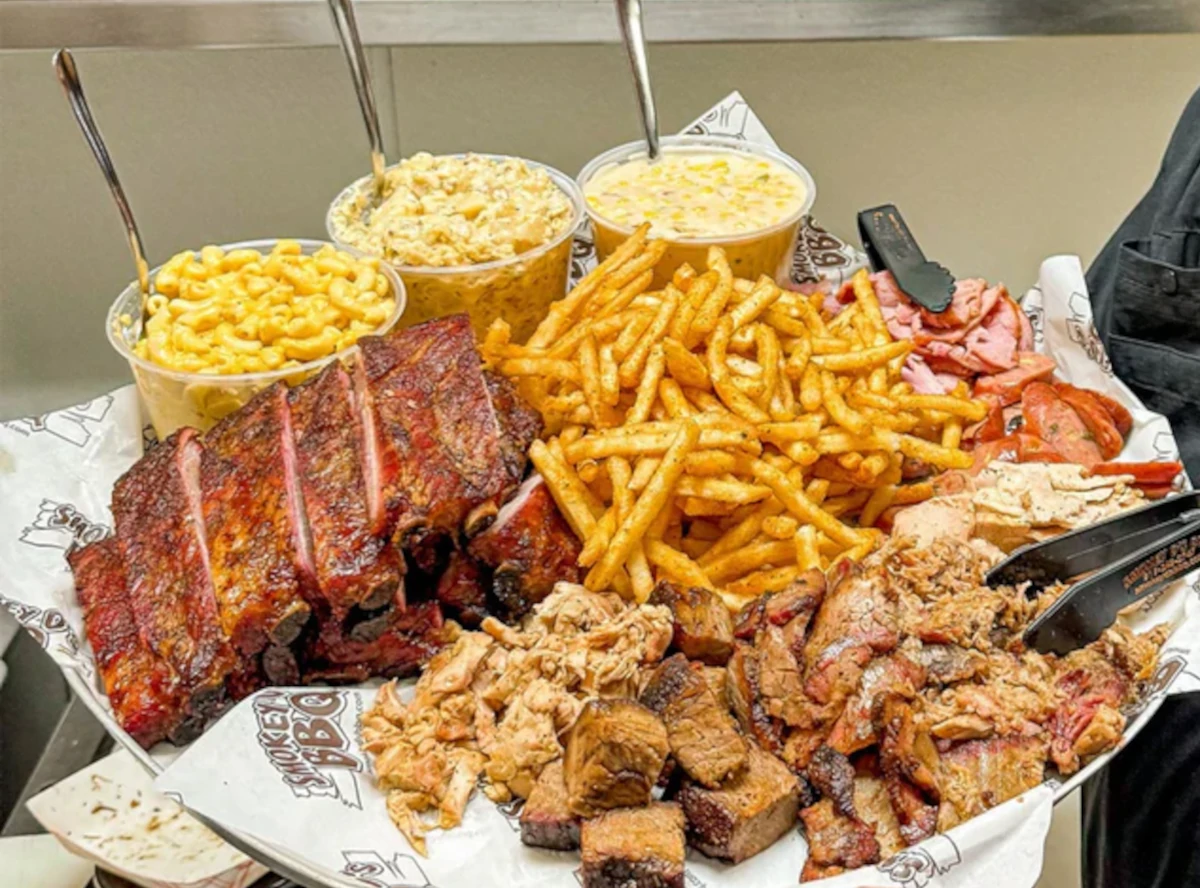
Des Moines Iowa Food Scene
Des Moines, Iowa has a food scene that reflects the heart of the Midwest while also showing how much the city has changed. As Iowa’s capital and one of the region’s most important business and cultural centers, Des Moines brings together farm traditions, immigrant communities, college energy, downtown dining, neighborhood favorites, craft drinks, comfort food, and modern restaurants that give the city a stronger culinary identity than many visitors expect.
The city’s food scene is shaped by its location in one of America’s most important agricultural states. Iowa is known for corn, pork, beef, dairy, soybeans, eggs, and farm fresh products, and those ingredients influence how people eat in Des Moines. The city has long had a practical food culture built around hearty meals, generous portions, family gatherings, church suppers, state fair traditions, diners, bakeries, and neighborhood restaurants.
At the same time, Des Moines is not stuck in the past. Its dining scene has grown with new restaurants, immigrant owned businesses, food trucks, farmers markets, breweries, coffee shops, cocktail bars, and chef driven kitchens. The result is a city where classic Midwestern comfort food sits beside global flavors, creative menus, and fresh local ingredients.
Des Moines is not trying to copy Chicago, Minneapolis, Kansas City, or coastal food cities. Its appeal comes from being honest, accessible, friendly, and flavorful. The best food in Des Moines often feels grounded. It does not need to be flashy to be memorable. It just needs to be well made, welcoming, and connected to the people who live there.
Farm Country Shapes the Local Plate
Des Moines’ food scene begins with Iowa’s agricultural identity. The state’s farms have long supplied the ingredients that define local cooking, especially pork, beef, corn, dairy, eggs, and seasonal produce. This farm connection gives the city a strong foundation for restaurants that value freshness, simplicity, and heartiness.
Pork is especially important in Iowa food culture. Pork tenderloin sandwiches, bacon, ham, sausage, ribs, chops, and slow cooked pork dishes all have a place in the state’s culinary identity. In Des Moines, the pork tenderloin sandwich is one of the most recognizable comfort foods. Usually served breaded and fried, often larger than the bun, it represents the kind of generous, no nonsense eating that many people associate with Iowa.
Beef also plays a major role. Steaks, burgers, roast beef, brisket, meatloaf, and beef based comfort dishes are common across the region. Des Moines has everything from casual burger spots to steakhouses that lean into Iowa’s reputation for quality meat.
Corn appears in many forms, from sweet corn in summer to cornbread, corn based sides, and state fair snacks. Dairy shows up through cheese, butter, ice cream, custards, and rich desserts. These ingredients may sound simple, but they are central to the city’s food personality.
The Iowa State Fair Influences the City’s Food Culture
The Iowa State Fair is one of the biggest food influences in Des Moines. Held in the city, the fair is famous for its deep connection to agriculture, livestock, competitions, community tradition, and unforgettable food. For many people, the fair is not just an event. It is a yearly celebration of Iowa’s food identity.
Fair food has shaped how people think about eating in Des Moines. Corn dogs, pork chops on a stick, funnel cakes, fried cheese curds, turkey legs, lemonade, ice cream, pie, cookies, and creative deep fried items all contribute to the city’s playful side. The fair celebrates abundance, indulgence, and the fun of eating in public with family and friends.
The fair also helps connect urban Des Moines to rural Iowa. Farmers, food producers, 4-H families, livestock exhibitors, bakers, vendors, and visitors from across the state come together in one place. That gathering reinforces the city’s role as a bridge between Iowa’s agricultural roots and its modern urban life.
Even outside fair season, the spirit of fair food shows up in the city’s appetite for comfort, nostalgia, and big flavors. Des Moines understands food as both tradition and entertainment.
Downtown Dining Has Helped Redefine Des Moines
Downtown Des Moines has become one of the most important areas for the city’s modern food scene. Restaurants, bars, hotels, coffee shops, event spaces, offices, apartments, and entertainment venues have helped make downtown more active than it was in earlier decades.
The downtown dining scene includes steakhouses, modern American restaurants, pizza spots, breweries, cocktail lounges, cafes, sushi restaurants, breakfast places, and casual lunch counters. Because downtown is tied to government, insurance, finance, law, conventions, and nightlife, restaurants serve a mix of office workers, visitors, residents, and people coming in for shows or events.
Downtown restaurants often balance local flavor with a more polished dining experience. Some places focus on business lunches and dinner meetings, while others cater to date nights, weekend outings, and pre event meals. This variety has helped downtown Des Moines feel more energetic and appealing.
The growth of downtown housing has also changed the food scene. More people living near the city center means more demand for coffee shops, brunch spots, takeout, late night meals, and neighborhood style restaurants. Food has become part of downtown’s revival.
East Village Brings Personality and Style
The East Village is one of Des Moines’ most distinctive dining and shopping districts. Located near the Iowa State Capitol, it has become known for independent restaurants, cafes, bars, boutiques, and a more creative urban feel. The neighborhood gives the city a strong sense of local personality.
The food scene in the East Village often feels more intimate and independent than larger commercial areas. It is a place where diners can find brunch, coffee, cocktails, small plates, burgers, global flavors, baked goods, and locally focused menus. The district attracts residents, visitors, state workers, artists, students, and people looking for a walkable experience.
The East Village also shows how Des Moines has modernized without losing its Midwestern character. The area blends historic buildings, local businesses, and contemporary dining. It feels stylish but still approachable, which matches the city’s overall food identity.
For visitors, the East Village is one of the best areas to explore because it offers more than just a meal. People can eat, shop, walk around, see the Capitol nearby, and get a sense of how Des Moines mixes history with new energy.
Neighborhood Restaurants Keep the City Grounded
While downtown and the East Village get attention, Des Moines’ neighborhood restaurants are just as important. These are the diners, taverns, family restaurants, pizza places, bakeries, sandwich shops, taco spots, and cafes that locals return to again and again.
Neighborhood dining is where the city’s personality feels most familiar. A regular breakfast spot, a corner bar with good burgers, a family owned Mexican restaurant, a small bakery, or a casual pizza place can become part of a person’s routine. These places are not always trendy, but they are deeply valued.
Des Moines has neighborhoods with their own food rhythms. Some areas lean toward classic American comfort food, while others reflect immigrant communities, student life, or working class traditions. The city’s food map is not defined by one single district. It is spread across many small local favorites.
These neighborhood restaurants help keep the city accessible. They serve families, retirees, students, office workers, construction crews, state employees, and longtime residents. They remind people that a strong food scene is not only about expensive restaurants. It is also about places where people feel known.
Immigrant Communities Add Global Flavor
One of the most important parts of the Des Moines food scene is the influence of immigrant communities. Over time, the city has become more diverse, and that diversity has brought new restaurants, grocery stores, bakeries, markets, and flavors.
Des Moines has strong Latino food traditions, including Mexican, Salvadoran, Guatemalan, and other Latin American influences. Tacos, tamales, pupusas, tortas, enchiladas, carne asada, pozole, menudo, fresh salsas, pan dulce, and fruit drinks all contribute to the city’s culinary variety.
The city also has Asian, African, and Middle Eastern food influences. Diners can find Vietnamese pho, Thai curries, Chinese dishes, Korean flavors, Indian food, Mediterranean plates, East African meals, and other global cuisines. These restaurants expand the city’s food identity and show how Des Moines has become more culturally layered.
Immigrant owned restaurants are often some of the most meaningful places in the city because they carry family stories, migration histories, and community connections. They give Des Moines flavor beyond traditional Midwestern cooking and help make the city feel more alive.
Mexican Food Has a Strong Local Presence
Mexican food has become a major part of everyday dining in Des Moines. From casual taquerias to family restaurants and food trucks, Mexican cuisine is one of the city’s most popular and reliable food categories.
Tacos are a favorite, especially when served with well seasoned meats, fresh cilantro, onions, lime, and house made salsa. Carne asada, al pastor, carnitas, chicken, barbacoa, lengua, chorizo, and birria are common choices. Burritos, quesadillas, tortas, enchiladas, fajitas, and seafood dishes also have a strong following.
Mexican bakeries and grocery stores add another layer. Pan dulce, fresh tortillas, spices, dried chiles, candies, and prepared foods help support both home cooking and restaurant culture. For many residents, Mexican food is not occasional dining. It is part of the city’s weekly routine.
The popularity of Mexican food in Des Moines reflects the city’s changing population and its growing openness to flavors from different traditions. It also shows how comfort food can cross cultural lines. A good taco or bowl of menudo can become just as local as a pork tenderloin sandwich.
Breakfast and Brunch Are Local Favorites
Breakfast and brunch have a strong place in Des Moines dining. The city has diners, cafes, bakeries, coffee shops, and brunch restaurants that serve everything from classic eggs and bacon to pancakes, omelets, biscuits and gravy, breakfast burritos, avocado toast, pastries, and creative morning plates.
Classic breakfast remains especially important. Many diners still value a hearty plate with eggs, hash browns, toast, sausage, bacon, pancakes, or French toast. These meals fit the Midwestern love of a filling start to the day.
Brunch has added a more social and modern layer. Weekend brunch can mean mimosas, skillets, chicken and waffles, breakfast tacos, cinnamon rolls, specialty coffee, or locally sourced dishes. It draws friends, couples, families, and visitors looking for a relaxed meal.
Coffee shops also support the breakfast scene. They give people a place to work, study, meet, or begin the day with espresso, drip coffee, tea, muffins, croissants, or breakfast sandwiches. As Des Moines has grown, its coffee culture has become more visible and more connected to neighborhood life.
Pizza, Burgers and Comfort Classics Remain Essential
Des Moines loves comfort food, and that means pizza, burgers, sandwiches, fried chicken, wings, fries, soups, chili, casseroles, and classic bar food all remain essential. These foods are dependable, familiar, and easy to share.
Pizza is especially important because it works for families, parties, game nights, office lunches, and casual dinners. Des Moines has local pizza shops alongside national chains, and many residents have strong opinions about their favorite place. Thin crust, tavern style, loaded toppings, deep dish inspired pies, and creative specialty pizzas all have a place.
Burgers are another local staple. Whether served at a diner, bar, brewery, or modern restaurant, a good burger fits the Des Moines personality. It is filling, flexible, and satisfying without feeling pretentious. Add fries, onion rings, cheese curds, or a local beer, and it becomes a classic Iowa meal.
Comfort food matters because it reflects how people actually eat. Des Moines may have sophisticated restaurants, but it still values meals that feel warm, familiar, and generous.
Craft Beer, Cocktails and Local Drinks
Des Moines has developed a lively craft drink scene with breweries, taprooms, cocktail bars, wine spots, and local coffee roasters. This growth has added more variety to the city’s nightlife and dining culture.
Craft breweries have become gathering places for friends, coworkers, families, and visitors. Many offer rotating beers, food trucks, trivia nights, live music, patio seating, and seasonal releases. They help create social spaces that feel casual and local.
Cocktail bars and lounges have also expanded the city’s dining experience. A night out in Des Moines can include a carefully made cocktail, small plates, dinner downtown, and a walk through a lively district. These places give the city a more polished evening scene.
Local coffee is just as important during the day. Coffee shops help support students, remote workers, creatives, business meetings, and neighborhood gathering. Together, breweries, bars, and cafes show how Des Moines has become more social and more modern while keeping its friendly atmosphere.
Farmers Markets Connect the City to the Land
Farmers markets are a major part of the Des Moines food scene because they connect the city directly to Iowa’s agricultural roots. Seasonal markets bring together growers, bakers, food vendors, artists, and residents in a public setting that celebrates local production.
The Downtown Farmers’ Market is especially important to the city’s food identity. It brings people into the heart of Des Moines and gives them access to produce, flowers, baked goods, meats, cheeses, prepared foods, coffee, crafts, and live entertainment. It is both a shopping experience and a community event.
Farmers markets help people understand where their food comes from. They also support small farms, local makers, and independent vendors. In a state known for agriculture, this connection matters.
For restaurants, local produce and meats can inspire seasonal menus. For home cooks, farmers markets provide fresh ingredients and a reason to cook with the rhythm of the season. This farm to city connection is one of Des Moines’ greatest strengths.
Sweet Treats, Bakeries and Desserts
Des Moines has a strong appetite for sweets. Bakeries, donut shops, ice cream places, pie makers, cookie businesses, chocolate shops, and dessert cafes all play a role in the city’s food culture.
Iowa food traditions often include pies, bars, cakes, cookies, cinnamon rolls, and homemade desserts. These sweets are tied to church gatherings, family reunions, holidays, school events, and fairs. Des Moines carries that tradition through both classic bakeries and newer dessert shops.
Donuts and pastries are especially popular for breakfast, office treats, and weekend stops. Ice cream and frozen desserts thrive in warmer months, while pies and baked goods feel especially comforting during cooler seasons.
Desserts in Des Moines often combine nostalgia with creativity. A bakery might offer classic cinnamon rolls while also making modern cupcakes, specialty cookies, or seasonal pastries. That mix of old and new fits the city’s food personality.
Des Moines Dining Is Friendly, Practical and Evolving
The strongest quality of Des Moines’ food scene is its balance. It is friendly but not boring, practical but not plain, traditional but not stuck, and diverse without losing its Midwestern base. The city knows how to serve a big breakfast, a tenderloin sandwich, a steak, a slice of pie, or a cold beer, but it also knows how to make room for pho, tacos, curries, craft cocktails, vegan plates, and chef driven menus.
Des Moines has become a better food city because it has embraced both local tradition and outside influence. The city’s restaurants reflect farmers, immigrants, students, business professionals, artists, families, and young entrepreneurs. Each group adds something different to the table.
For visitors, the best way to experience Des Moines is to eat across categories. Try a pork tenderloin sandwich, visit a farmers market, get tacos from a local spot, have brunch in a neighborhood cafe, enjoy dinner downtown, stop for ice cream, and visit a brewery. That kind of food journey shows the real range of the city.
Why the Food Scene in Des Moines Matters
The food scene in Des Moines matters because it tells the story of the city. It reflects Iowa’s farm heritage, the importance of the State Fair, the rise of downtown, the strength of immigrant communities, the growth of small businesses, and the everyday values of Midwestern hospitality.
Food in Des Moines is not just about what is on the plate. It is about where people gather, how traditions continue, how new communities make their mark, and how a capital city continues to reinvent itself. A restaurant can preserve a family recipe. A market can support a local farmer. A taco shop can build community. A brewery can turn an old building into a gathering place. A diner can become part of a neighborhood’s memory.
Des Moines’ food scene continues to grow because the city itself continues to grow. New residents bring new tastes. Young chefs bring new ideas. Farmers bring fresh ingredients. Longtime restaurants keep traditions alive. Together, they make Des Moines one of the most interesting food cities in the Midwest.
The city’s dining identity is honest, generous, diverse, and deeply connected to place. Whether someone wants classic Iowa comfort food, a modern downtown dinner, global flavors, fresh market ingredients, or something sweet after a long day, Des Moines offers a food scene with warmth, flavor, and character.
Discover more from City Towner
Subscribe to get the latest posts sent to your email.