
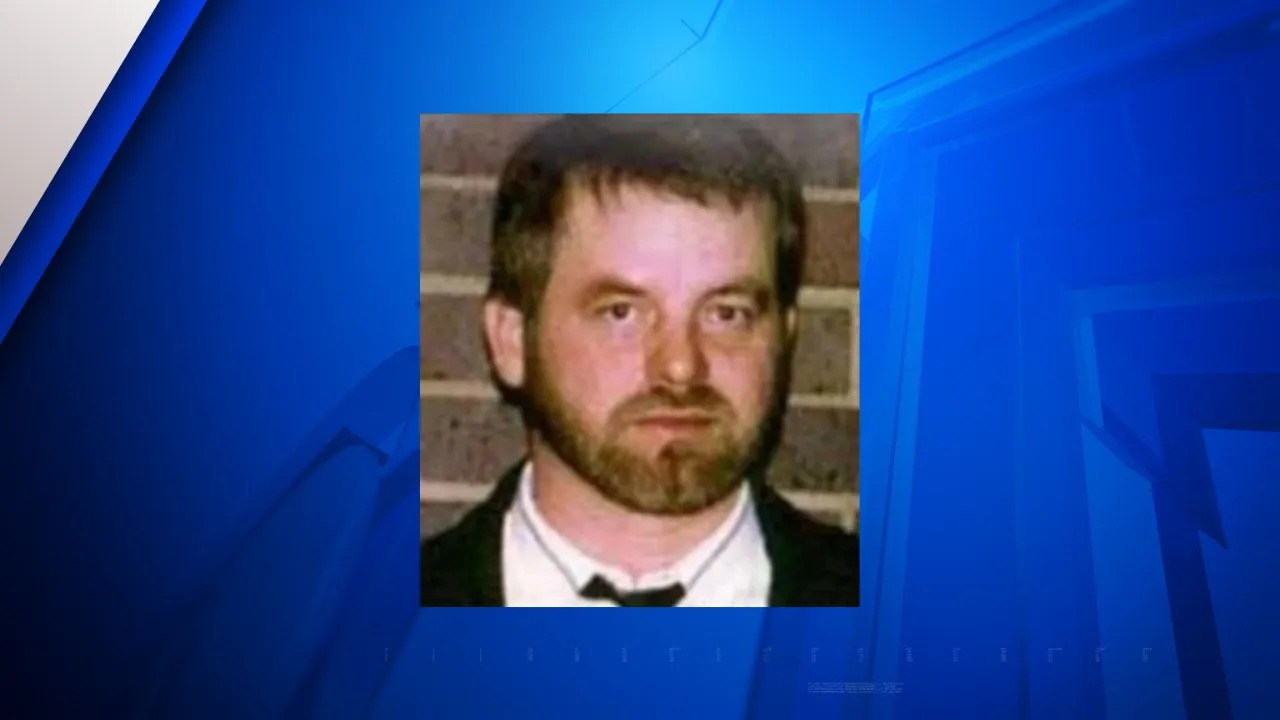
Walter Greg Fowler Disappearance in Bowling Green Kentucky
The disappearance of Walter Greg Fowler remains one of the troubling missing person cases connected to Bowling Green, Kentucky, and the surrounding Barren River area. Fowler, often known as Greg, vanished on June 19, 1999, after reportedly leaving for what was described as a fishing trip. What first appeared to be a possible accident soon became a case filled with questions, unusual details, and suspicion that something far more serious may have happened.
Walter Greg Fowler was 44 years old when he disappeared. He lived in south central Kentucky and was connected to the Bowling Green and Smiths Grove area. He was not a stranger passing through or someone living on the margins. He had work history, family ties, and people who knew his habits. Those habits became important after he vanished because some who knew him questioned whether the story of him going fishing truly fit the man they knew.
According to the account reported after his disappearance, Fowler was supposed to have left for a fishing trip on June 19, 1999. His wife said he planned to go fishing with people from work and that she helped him load his Jon boat into his van before he left. The location connected to the trip was the Barren River Lake area, a well known outdoor destination near the Allen and Warren County line. The story sounded ordinary at first. A man leaving home with a boat for a day on the water in Kentucky was not unusual.
But Fowler did not come home. As the hours passed, concern grew. His wife reported him missing to authorities, and the search for him began. What investigators and searchers found in the following days did not bring answers. Instead, it deepened the mystery.
A Missing Man and a Strange Fishing Trip
The idea that Fowler disappeared while fishing became the first version of events. His boat was eventually found in the Barren River. His van was also located, reportedly off Osborne Ford Road. On the surface, those discoveries might suggest that Fowler had gone out on the water and suffered an accident. Many missing person cases near rivers or lakes begin with fears of drowning, especially when a boat is involved.
However, the details did not line up neatly. The boat was reportedly found without items that would normally be expected if someone had gone out fishing, especially for an overnight trip. Reports connected to the case have noted that his boat did not appear to have a motor or oars when it was located. There were also questions about the lack of overnight supplies. If Fowler had truly planned to spend time away fishing, investigators expected to find more evidence that he had prepared for that kind of trip.
The location also raised questions. The Barren River was reportedly shallow enough in places that investigators believed a body should have been found if Fowler had drowned there. Searches did not recover him. No clear accident scene was found. No body was located. The absence of Fowler, combined with the condition of the boat and vehicle, changed the direction of the investigation.
Friends, relatives, and others familiar with Fowler also reportedly questioned whether fishing was something he would have chosen to do in that way. Some accounts describe him as someone who preferred other outdoor activities, such as golfing and turkey hunting, more than fishing. That does not mean he never fished, but it added another layer of doubt to the explanation that he simply left for a fishing trip and vanished by accident.
The Last Known Day
June 19, 1999, became the central date in the case. That was the day Walter Greg Fowler was last known to have been alive. He was reportedly leaving the Bowling Green area for Barren River Lake. His wife’s account placed him at home preparing to leave with his boat. From there, the timeline became uncertain.
The immediate question for investigators was whether Fowler actually made it to the river or lake alive. If he did, what happened after he arrived? Did he meet someone? Did he ever launch the boat? Was the boat placed in the river after something happened to him elsewhere? Those questions became difficult because the case lacked a body, a clear crime scene, and a confirmed witness who could explain Fowler’s final movements.
When a missing person case involves water, investigators often have to consider several possibilities. A person may have fallen in, suffered a medical emergency, or been struck by an unexpected boating accident. But investigators also have to consider whether the water scene was staged to look like an accident. In Fowler’s case, the suspicious details surrounding the boat and van caused authorities to look beyond a simple drowning theory.
By August 1999, the case was reportedly being viewed as a possible homicide. That change was significant. It suggested investigators had reason to believe Fowler may not have voluntarily disappeared and may not have died accidentally.
Life Before the Disappearance
Walter Greg Fowler was more than a missing person case file. He was a man with a life, a job, and people who knew him. He reportedly worked as a lineman at Farmers Rural Electric Cooperative for many years. That kind of work is demanding and practical. Linemen are often part of tight workplace communities because the job requires trust, skill, and reliability.
Fowler’s long employment history suggested stability. He had spent a significant part of his adult life working in the same field. That made his sudden disappearance even more alarming. Cases involving adults can sometimes be complicated because adults have the legal right to leave and start over if they choose. But Fowler’s disappearance did not carry the usual signs of someone planning a voluntary departure.
He did not appear to have left behind a clear goodbye. He did not return for his normal life. His body was not found. His belongings and transportation were discovered in a way that raised more questions than answers. The people who knew him did not describe the disappearance as something that made sense.
The Discovery of the Boat and Van
The discovery of Fowler’s boat was one of the most important developments in the early investigation. It was reportedly spotted in the Barren River after he vanished. A boat belonging to a missing man naturally becomes central evidence, especially when the stated reason for his trip involved fishing.
But the boat did not solve the case. Instead, it created more doubt. If Fowler had drowned, investigators needed evidence pointing to where and how it happened. If the boat had drifted, they needed to determine from where. If it was intentionally placed, they needed to know who placed it and why. Every possibility led to more questions.
His van was another key discovery. The vehicle was found off Osborne Ford Road. That location helped narrow the search area but did not explain what had happened to Fowler. A vehicle can show where someone may have parked, but it does not prove whether the person drove there freely, was forced there, or whether someone else moved it.
The combination of a found boat, a found van, and a missing man created a scene that looked incomplete. The objects connected to Fowler were there. Fowler himself was not.
Why Investigators Suspected Foul Play
The suspicion of foul play grew from multiple parts of the case. First, Fowler disappeared without a trace. Second, the river and surrounding area did not produce his body, even though authorities reportedly believed a drowning victim should have been recovered under the circumstances. Third, the boat lacked expected equipment and supplies. Fourth, the explanation for the trip did not fully match what some people said about Fowler’s interests and habits.
In missing person investigations, one unusual detail may not mean much by itself. People forget items. Plans change. Outdoor trips can be informal. But when several details point away from the original story, investigators begin to examine whether someone created a false explanation.
The case also drew attention to Fowler’s domestic life. His wife, Debra Kessinger, was reported in some case summaries as a person investigators looked at during the investigation. She denied involvement. No one has been convicted in Fowler’s disappearance. Still, the fact that investigators considered the possibility of foul play shows the case was not treated as a routine missing fisherman case.
The lack of a body made the investigation harder. Without remains, investigators had fewer forensic answers. They could not determine a cause of death. They could not identify injuries. They could not establish exactly when Fowler died, if he died on or near the day he disappeared. This kind of absence can leave a case suspended between suspicion and proof.
The Role of the Barren River Area
The Barren River and Barren River Lake area are important to the case because they shaped the early search and the public understanding of Fowler’s disappearance. The area is rural and recreational, with water access, wooded places, roads, and spaces where someone could go fishing, boating, hunting, or camping.
That kind of landscape can make searches difficult. Water, brush, and remote roads can hide evidence. Weather and time can destroy clues. If a person disappears in an outdoor area, investigators must move quickly, but even fast searches can miss important signs.
In Fowler’s case, the river setting may have also complicated the truth. If the disappearance was an accident, the water could have carried away evidence. If it was a crime, the river may have been used to make the situation look accidental. That uncertainty is part of why the case remains so haunting.
A Case Without Closure
More than two decades have passed since Walter Greg Fowler disappeared. His case remains unresolved, and the lack of answers has left a painful silence. Families of missing people often live in a space between grief and hope. Without a body, there is no funeral in the fullest sense. Without charges, there is no courtroom conclusion. Without a confession or confirmed evidence, there is no final explanation.
Fowler’s disappearance is especially unsettling because it began with an ordinary story. A man was said to have gone fishing. A boat was found. A van was found. But the man was gone, and the evidence did not give investigators the clear answer they needed.
The case also shows how important small details can be. The absence of oars, a motor, supplies, or a body may seem like separate facts, but together they shaped the suspicion surrounding the case. In a missing person investigation, what is missing can be just as important as what is found.
Remembering Walter Greg Fowler
It is easy for a cold case to become only a timeline, a location, and a list of suspicious details. But at the center of this case was Walter Greg Fowler, a 44-year-old man whose life was interrupted and whose fate remains unknown. He was a worker, a husband, and a person with routines and relationships. His disappearance left questions for law enforcement and lasting pain for those who cared about him.
The public often remembers cases like Fowler’s because they feel unfinished. There is no confirmed ending, no complete explanation, and no clear justice. That makes continued attention important. Someone may still know something about what happened on or around June 19, 1999. Someone may remember a conversation, a vehicle, a sighting, or a detail that did not seem important at the time.
Cold cases can be solved years later when one person finally comes forward or when investigators reexamine old evidence with new tools. Fowler’s case remains the kind of mystery where even a small piece of information could matter.
The Enduring Mystery of June 19, 1999
The disappearance of Walter Greg Fowler on June 19, 1999, in the Bowling Green, Kentucky area remains a disturbing case because the known facts do not point cleanly in one direction. The official story at the time involved a fishing trip, but the later discoveries raised doubts. His boat was found. His van was found. Fowler was not.
The location near the Barren River and Barren River Lake became the center of the investigation, but it never gave up the answer. The case moved from a missing person report to a suspected foul play investigation. Authorities came to believe that his disappearance may have involved more than an accident.
For those who remember Fowler, the case is not just a mystery. It is the unresolved story of a man who left home and never came back. Until his remains are found, a confession is made, or evidence finally reveals what happened, Walter Greg Fowler’s disappearance will remain one of Kentucky’s unanswered cold cases.
Discover more from City Towner
Subscribe to get the latest posts sent to your email.