Sister Catherine Ann Cesnik Found Dead in Lansdowne Maryland
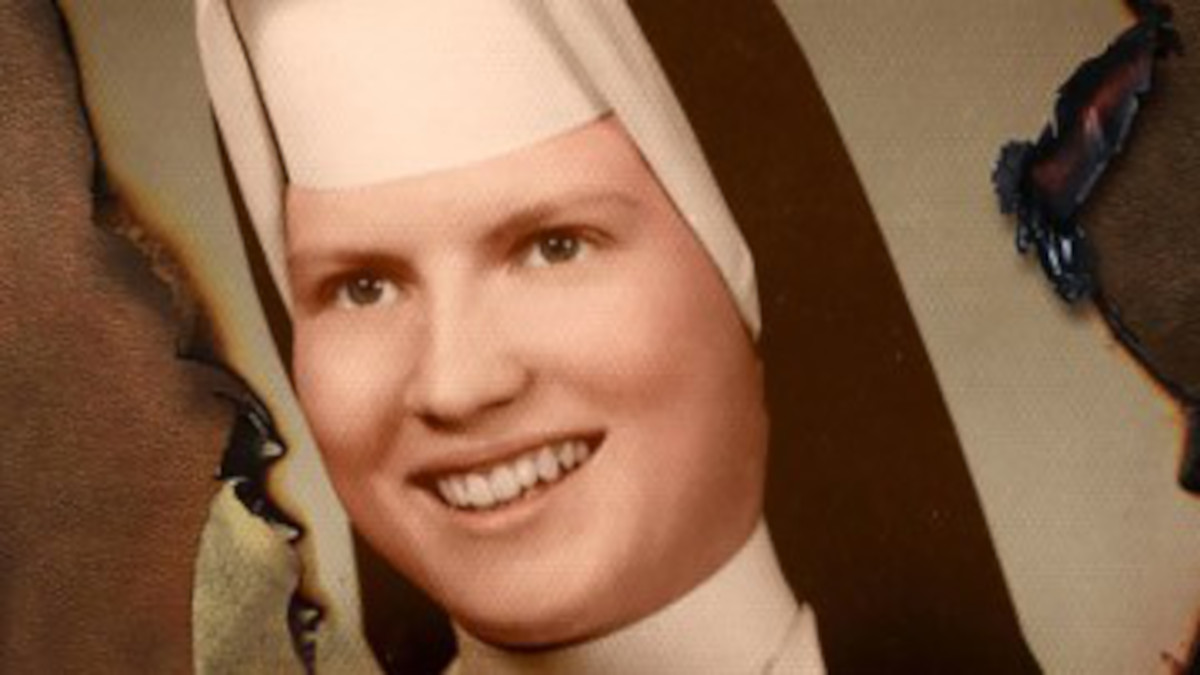
The murder of Catherine Ann “Cathy” Cesnik remains one of the most haunting unsolved cases in Maryland history. Cathy was a 26 year old Roman Catholic nun and teacher when she disappeared on November 7, 1969, after leaving her apartment in Catonsville, Maryland. Nearly two months later, on January 3, 1970, her body was found near a dump area in Lansdowne, Maryland. She had been killed by blunt force trauma to the head.
Her murder became widely known decades later because of renewed public interest, former students speaking out and the Netflix documentary series “The Keepers.” But long before the national attention, Cathy’s death devastated the people who knew her. She was remembered as a compassionate teacher, a gifted educator and a young woman who cared deeply about her students.
The case remains unresolved. No one has been convicted of killing her, and the questions surrounding her final hours continue to trouble investigators, former students, family members and true crime researchers. Her murder is not only a story about violence. It is also a story about trust, secrecy, institutional power, survivor testimony and the long fight to uncover the truth.
Who Catherine Ann “Cathy” Cesnik Was
Catherine Ann Cesnik was born on November 17, 1942, in Pittsburgh, Pennsylvania. She grew up in a Catholic family and eventually entered religious life, becoming a Sister of Notre Dame de Namur. She was known by many as Sister Cathy, a name that reflected both her vocation and the warmth people associated with her.
Cathy was not an older, distant authority figure. She was young, energetic and relatable. Her students saw her as someone who listened, encouraged them and treated them with kindness. She taught English and drama, subjects that allowed her to connect with students through language, performance, creativity and personal expression.
In the years before her death, Cathy taught at Archbishop Keough High School in Baltimore, an all girls Catholic school. Former students later described her as one of the few adults they felt they could trust. She was attentive, thoughtful and deeply concerned about the young women under her care.
At 26, Cathy was still at the beginning of her adult life. She had already made a powerful impact as a teacher, but she had many years ahead of her. Her murder cut short a life of service and left behind a mystery that has endured for generations.
Life as a Teacher at Archbishop Keough
Archbishop Keough High School was a Catholic girls’ school in Baltimore where Cathy became deeply loved by many of her students. She taught drama and English, but her influence went beyond classroom lessons. Students remembered her as someone who noticed when they were struggling and who made them feel seen.
In a strict school environment, Cathy’s warmth stood out. She brought creativity into the classroom and encouraged students to think, speak and express themselves. For young women trying to find their voices, a teacher like Cathy could make a lasting difference.
Her role at Keough later became central to the case because of allegations that some students at the school were being sexually abused by a priest connected to the institution. Former students later claimed that Cathy may have known or suspected that abuse was happening. Some believe she may have been killed because of what she knew or because she was trying to protect students.
That theory has never resulted in a criminal conviction, but it remains one of the most discussed possibilities in the case. Cathy’s connection to her students, and her reputation as someone they could confide in, makes the question especially painful. If she was aware of abuse, then her murder may have been tied not only to her own life, but also to the suffering of young women who trusted her.
The Evening of November 7, 1969
On November 7, 1969, Cathy left the apartment she shared in Catonsville. She reportedly planned to shop and run errands. It was a Friday evening, ordinary on the surface, but it became the beginning of a case that would remain unsolved for more than half a century.
Cathy was believed to have gone to the Edmondson Village Shopping Center area. She cashed a paycheck and reportedly purchased items, including baked goods. A bakery box was later found in her car. These details suggest that she had completed at least some of her errands and may have been returning home.
She never made it safely back inside.
Her roommate became worried when Cathy did not return. The concern grew as the hours passed. By the next morning, Cathy’s car was discovered near her apartment complex. It was parked illegally, and reports say it appeared muddy. The discovery of the car deepened the mystery because Cathy was nowhere to be found.
The condition and location of the vehicle raised questions. Did she return to the apartment area and encounter someone? Was she forced back into her car? Was she abducted near the place where she lived? Those possibilities became central to the investigation.
The Discovery of Her Car
The discovery of Cathy’s car was one of the first major clues. Her vehicle was found close to where she lived, but not in a way that answered what happened. The car’s muddy condition suggested it may have been driven somewhere else before being returned or abandoned. Its illegal parking added another strange detail.
Inside the car, investigators found evidence of her errands, including items connected to her shopping trip. But Cathy herself was gone. That gap between ordinary belongings and a missing person created a chilling picture. It looked as if normal life had been interrupted suddenly.
The car made investigators consider the possibility that Cathy had been taken after returning from shopping. If she had been near her apartment, she may have been approached by someone she knew or someone who had been waiting. If the car had been moved, it might mean the person responsible had control over the vehicle after Cathy disappeared.
At that point, the case was still a missing person investigation. But as days turned into weeks, hope began to fade. Cathy’s loved ones waited for news, and the lack of answers became unbearable.
The Search for Sister Cathy
After Cathy disappeared, family, friends, students and authorities searched for answers. Her disappearance was alarming because she was responsible, loved and not someone expected to vanish voluntarily. The search carried emotional weight because she was a nun, a teacher and a trusted member of her community.
Her students were especially shaken. Many of them had already viewed Cathy as a safe adult in their lives. Her disappearance created fear, grief and confusion. The school community was left with rumors and uncertainty.
For nearly two months, Cathy remained missing. During that time, people wondered whether she was alive, whether she had been kidnapped, whether she had been harmed or whether she might somehow return. The longer the case went unresolved, the darker the possibilities became.
The search ended in the worst possible way on January 3, 1970.
The Body Found in Lansdowne
Cathy Cesnik’s body was found on January 3, 1970, near a dump area on Monumental Road in Lansdowne, Maryland. A hunter and his son reportedly made the discovery. The location was not where she had last been seen, which suggested that her killer had moved her or taken her there after the abduction.
The discovery confirmed that Cathy had been murdered. Her cause of death was blunt force trauma to the head. The violence of the attack showed that someone had struck her with deadly force. The finding transformed the case from a disappearance into a homicide.
The fact that her body was found near a dump area added to the horror. It suggested that whoever killed her discarded her in a remote or neglected place, far from the dignity she deserved. For her loved ones, the discovery brought an end to the uncertainty of whether she was alive, but it began a new and lasting pain: the search for her killer.
The location in Lansdowne became permanently tied to the case. Though Cathy disappeared from Catonsville, her body was found in Lansdowne, making both places central to the story of her murder.
Blunt Force Trauma and the Mystery of Her Final Hours
The medical finding that Cathy died from blunt force trauma tells part of the story, but not all of it. Blunt force trauma means she was struck with enough force to cause fatal injury. It does not, by itself, identify the weapon, the killer or the motive.
The unanswered questions remain deeply disturbing. Was Cathy attacked near her apartment? Was she taken somewhere else and killed? Did she know the person who harmed her? Was the killing planned, or did it happen during a confrontation? Was the motive personal, institutional or connected to something she may have known?
Because her body was found nearly two months after she disappeared, some evidence that might have helped solve the case was likely lost to time, weather and exposure. That delay made the investigation much harder.
In homicide cases, the first hours and days are critical. Witnesses remember more clearly. Physical evidence is fresher. Suspects have less time to alter their stories. In Cathy’s case, the long gap between disappearance and discovery created obstacles that still affect the case today.
The Theory That She Knew Too Much
One of the most enduring theories in Cathy Cesnik’s murder is that she may have been killed because she knew about sexual abuse at Archbishop Keough High School. Former students later accused Father Joseph Maskell, a priest and school counselor, of sexual abuse. Some survivors believed Cathy either knew about the abuse or was beginning to learn about it before she disappeared.
This theory became central to public interest in the case. It suggests that Cathy was not killed randomly, but because she represented a threat to people who wanted abuse hidden. If she was listening to students, asking questions or preparing to speak out, someone may have wanted to silence her.
It is important to state that this theory has not led to a criminal conviction. Joseph Maskell denied allegations before his death, and DNA testing years later did not publicly produce a match linking him to the crime scene. Still, the allegations surrounding the school remain a major part of why many people believe Cathy’s murder may have been connected to a larger coverup.
The theory continues to resonate because Cathy was remembered as the type of teacher students trusted. If victims were confiding in her, then her role may have placed her in danger.
Allegations Surrounding Archbishop Keough
Decades after Cathy’s death, former students from Archbishop Keough High School spoke publicly about alleged abuse. Their accounts painted a disturbing picture of fear, manipulation and institutional silence. Some said they had been abused by clergy or others connected to the school. These allegations changed the way many people viewed Cathy’s murder.
Former students described Cathy as kind and protective. Some believed she would not have ignored abuse if she knew about it. That belief helped drive the idea that she may have been preparing to confront the truth.
The allegations also raised broader questions about how institutions handle accusations of abuse. If students were being harmed, who knew? Who protected them? Who protected the abusers? And could Cathy’s murder have been connected to efforts to keep those secrets buried?
These questions remain painful because they extend beyond one homicide. They involve the suffering of students, the actions of powerful adults and the possibility that a trusted teacher died because she cared enough to notice.
The Keepers and Renewed Public Attention
For decades, Cathy Cesnik’s case was known mostly in Maryland and among those connected to Archbishop Keough. That changed when the documentary series “The Keepers” brought the case to a national audience. The series explored her murder, the abuse allegations at the school and the possibility that her death was tied to a larger pattern of silence.
The documentary did not solve the case, but it changed public awareness. People across the country learned Cathy’s name and began asking questions about the investigation, the school, the church and the survivors who had spoken out.
“The Keepers” also showed how cold cases can be kept alive by ordinary people who refuse to let them disappear. Former students, amateur investigators and advocates continued digging into the story because they believed the truth was still reachable.
The series gave a voice to survivors and placed Cathy’s murder in a larger context. It reminded viewers that unsolved cases are not frozen in the past. They continue to affect real people in the present.
Joseph Maskell and the Continuing Questions
Father Joseph Maskell remains one of the most discussed figures connected to the case because of the abuse allegations against him and his connection to Archbishop Keough. Some former students accused him of sexual abuse, and some believed he may have had knowledge related to Cathy’s death.
Maskell was never convicted of killing Cathy. He denied allegations before his death in 2001. Years later, investigators exhumed his body to compare his DNA with evidence connected to the case. Authorities said his DNA did not match the tested evidence, though that did not answer every question surrounding the broader theory.
For many people following the case, the DNA result did not completely close the door. They argue that a nonmatch does not prove he knew nothing, had no involvement or was not connected indirectly. Others argue that without stronger evidence, accusations should be treated carefully.
This is part of what makes the case so difficult. The public has heard powerful survivor accounts, but the legal system has never produced a murder conviction. That gap between testimony, suspicion and proof keeps the case unresolved.
The Possible Connection to Joyce Malecki
Another layer of mystery involves the murder of Joyce Malecki, a young woman who disappeared in November 1969 and was later found dead. Because her case happened around the same period and in the same broader region, some have wondered whether there could be a connection between her murder and Cathy’s.
The possible link has been discussed by investigators, journalists and true crime followers, especially after renewed attention from documentaries and cold case coverage. Both women vanished after ordinary activities, both were later found dead and both cases remained unsolved.
However, no confirmed public evidence has proven that the same person killed Cathy Cesnik and Joyce Malecki. The comparison remains a theory, not a settled fact. Still, the timing and geography have kept the question alive.
Cold case investigators often look for patterns, but they must also be cautious. Similarities can point toward a connection, or they can be coincidences. In Cathy’s case, the possible link to other crimes remains one more unanswered question in a case already full of them.
Why the Case Remains Unsolved
Cathy Cesnik’s murder remains unsolved for many reasons. The passage of time is one major obstacle. More than 50 years have passed since she disappeared. Witnesses have died. Memories have faded. Physical evidence may have been lost, degraded or mishandled by earlier standards.
The case also involves powerful institutions and sensitive allegations. When a murder may be connected to abuse, schools, churches or law enforcement failures, the search for truth can become more complicated. People may fear speaking out. Records may be incomplete. Rumors can mix with facts.
Another challenge is the delay in finding her body. Nearly two months passed between her disappearance and the discovery of her remains. That delay likely limited forensic evidence and made it harder to reconstruct her final hours.
Even with those obstacles, the case remains open in the minds of many because people continue to care. Former students, family members, journalists and investigators have kept asking questions. Their persistence has helped prevent Cathy’s name from fading into history.
A Teacher Remembered by Her Students
One of the most powerful parts of Cathy Cesnik’s story is the way her students remembered her. They did not describe her as just another teacher. They described her as someone who cared, listened and stood apart from others.
For young women in a difficult or frightening environment, a trusted teacher can become a lifeline. Cathy’s students saw her as compassionate and safe. That memory has shaped the way many people interpret her murder. They believe that if students were suffering, Cathy would have tried to help.
Her legacy as a teacher matters because it gives the case emotional depth beyond the crime itself. The murder was not only the killing of a nun. It was the loss of an educator who may have been a source of comfort to young people who needed protection.
That is why her case still inspires such strong feeling. Cathy represented goodness to many of those who knew her. Her death felt like the destruction of someone who was trying to do right.
The Broader Meaning of Cathy’s Murder
The murder of Catherine Ann “Cathy” Cesnik is more than an unsolved homicide. It has become a symbol of unanswered questions surrounding abuse, secrecy and institutional accountability. Her case asks whether truth can survive when powerful systems are accused of protecting themselves.
It also raises questions about how survivors are heard. Many former students who spoke about abuse had to wait years before the public took their stories seriously. Their courage helped bring renewed attention to Cathy’s case and forced a wider conversation about what may have been hidden.
Cathy’s murder also shows how one unsolved death can echo across decades. The people affected by her life and death did not simply move on. Her students carried memories. Her family carried grief. Survivors carried trauma. Investigators carried an open file. The public eventually carried a renewed demand for answers.
This is why the case still matters. It is not only about who killed Cathy, though that question remains central. It is also about what her death may reveal about the world around her.
The Search for Justice Continues
More than five decades after Cathy Cesnik disappeared on November 7, 1969, her murder remains unsolved. Her body was found in Lansdowne on January 3, 1970, but the truth about who killed her and why has never been fully established.
The official facts are stark. She was a 26 year old nun and teacher. She left her apartment in Catonsville. Her car was found near where she lived. Her body was later discovered near a dump area in Lansdowne. She died from blunt force trauma to the head.
But the unanswered questions are even larger. Was her murder connected to abuse at Archbishop Keough? Did she know something dangerous? Was she targeted by someone she trusted? Was her death linked to another crime? Were mistakes made in the original investigation? Did fear and silence protect the killer?
Until those questions are answered, Cathy’s case remains open in the hearts of those who loved her and those who believe she died because she cared about her students. Her story continues to demand attention because justice delayed does not mean justice should be abandoned.
Catherine Ann “Cathy” Cesnik was a teacher, a sister, a daughter and a trusted figure to young women who remembered her kindness. Her life mattered. Her murder still matters. And the search for truth remains unfinished.
Discover more from City Towner
Subscribe to get the latest posts sent to your email.