
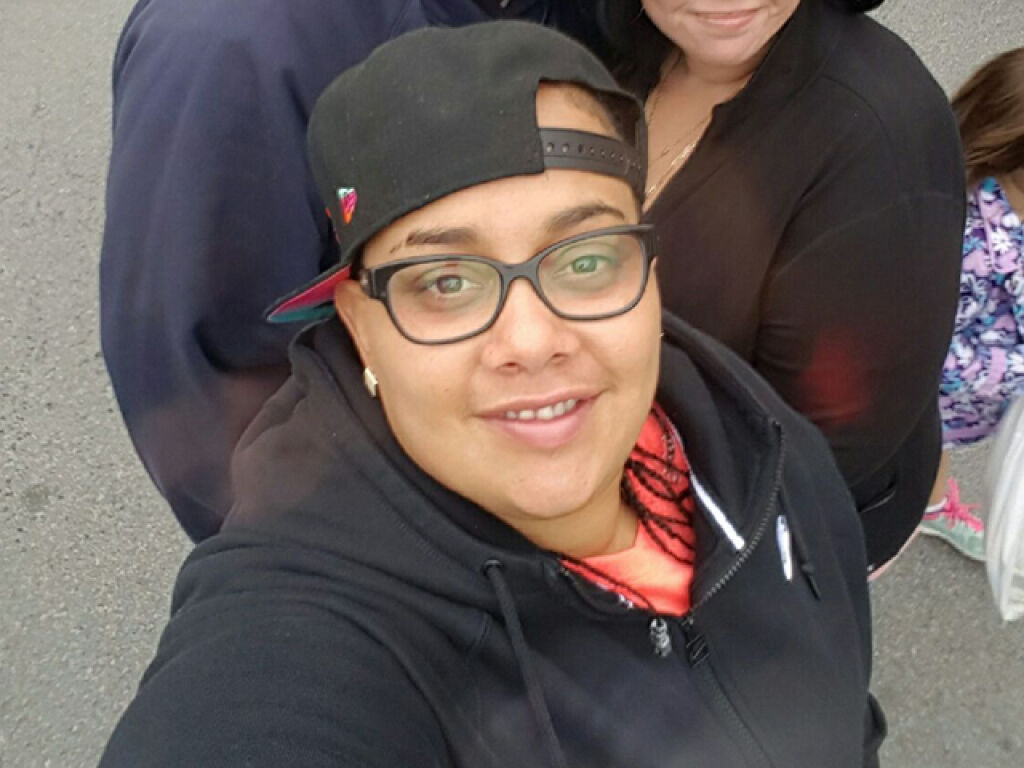
Shaniece Harris Murdered in Monticello New York
The murder of Shaniece Rose Harris remains one of the most painful and troubling cases to come out of Sullivan County, New York. What began on May 29, 2017, as an ordinary evening in the Rock Hill area turned into the start of a mystery that haunted her loved ones for years. For a long time, the public knew her story as a disappearance. She had been seen, she left home, and then she was simply gone. That absence left her family living with fear, confusion, and a kind of grief that never had a clear place to settle.
Over time, the case evolved from a missing person investigation into something much darker. The later murder charge changed the public understanding of what had happened, but it did not erase the years of pain that came before it. For those who loved Shaniece, the loss had already become part of daily life. They had already spent years waking up with questions, enduring birthdays and holidays without answers, and holding on to hope while living under the weight of dread.
Cases like this linger because they contain so many painful layers at once. There is the sudden disappearance. There is the uncertainty. There is the fear that something terrible happened. Then there is the later realization that the worst possibility may have been true all along. Shaniece’s story carries all of that emotional force. It is not only a homicide case. It is also a story about how a woman could vanish from ordinary life and leave behind a silence so profound that it shaped the people around her for years.
Shaniece Rose Harris and the Life She Was Living
Before her name became tied to a major investigation, Shaniece Rose Harris was a daughter, a sister, a loved one, and a woman with a life that mattered beyond the headlines attached to her case. That truth is important, because homicide stories often reduce victims to the violence committed against them. But Shaniece was not simply the subject of a crime. She was a person with relationships, routines, and a presence that mattered deeply to the people who knew her.
She came from a family that clearly refused to let her be forgotten. The years of public searching, speaking out, and calling for answers show just how central she remained to those who loved her. That kind of persistence does not come from public attention alone. It comes from real bonds, from real pain, and from the refusal to allow someone’s life to be swallowed by silence.
When a woman disappears, especially in a case that receives uneven attention at first, the people closest to her often feel they must fight on two fronts at once. They must endure the emotional shock of not knowing where she is, and they must also push the public and investigators not to let the case drift. Shaniece’s case reflected that tension. Her family carried grief, but they also carried the burden of visibility. They became part of the struggle to keep her name in the public eye.
That matters because cases do not remain alive by themselves. People keep them alive. Family members, advocates, and community voices carry the memory forward when the world is tempted to move on. Shaniece’s story remained present because those who loved her did not let her simply disappear from public consciousness.
The Evening of May 29, 2017
On May 29, 2017, Shaniece was last seen in Rock Hill, New York. For a long time, that simple fact defined the public version of the case. She was there, and then she was gone. The known details from that evening were not dramatic in the way people often imagine crime stories to begin. That is one of the reasons the case felt so unsettling. It began in the middle of normal life, in a familiar place, under circumstances that did not outwardly announce catastrophe.
That normalcy is part of what makes disappearance and murder cases so emotionally powerful. People do not expect the worst to enter through everyday moments. A person leaves home, visits someone, makes a call, or moves through a routine evening, and no one imagines that these ordinary actions are about to become the last known points in a tragic timeline. But that is often how these stories begin. The ordinary turns frightening only in hindsight.
For those closest to Shaniece, the earliest hours after she vanished were likely filled with that awful mix of confusion and rising fear that defines many missing person cases. At first, people hope there is an innocent explanation. Then the silence stretches. Messages go unanswered. Familiar habits are broken. Someone does not come home or check in the way they always would. That is when concern becomes panic.
The most agonizing part of those first hours is the uncertainty. Families are forced into a mental space where every possibility exists at once. They hope for safety while fearing violence. They tell themselves to stay calm while already feeling that something is very wrong. In Shaniece’s case, that uncertainty would linger far beyond one night, becoming a long term emotional burden rather than a short lived period of fear.
A Disappearance That Hauntingly Stretched On
For years, Shaniece’s case was known publicly as the disappearance of a woman last seen in Rock Hill whose car was later found in the town of Thompson. That detail alone made the case more disturbing. An abandoned vehicle often suggests interruption, danger, and an event that did not unfold according to normal plans. It tells the public that this was not likely someone simply walking away from life by choice. Something had happened.
The discovery of a missing person’s car creates a kind of symbolic dread. Vehicles are supposed to carry people from one place to another. When a car is found without the person who was driving it, it becomes a physical sign of a life violently interrupted. It is an object that says there was a plan, a movement, a destination, and then something went wrong. In Shaniece’s case, that discovery deepened the fear that her disappearance was not random and not voluntary.
As weeks became months and months became years, the case settled into the painful category of long term missing persons investigations. That kind of case is emotionally brutal because it denies families the most basic form of closure. There is no grave to visit, no full explanation, no final clarity. There is only waiting. Waiting for a call, for a witness, for new evidence, for some piece of truth to emerge from silence.
That type of uncertainty can be more devastating than outsiders often realize. It keeps grief unsettled. It prevents mourning from taking shape in the usual way. A missing loved one exists in a terrible space between memory and hope, between fear and denial. Shaniece’s family had to live in that space for years, and that long period of not knowing became part of the tragedy itself.
The Shift From Missing Person to Murder Case
What made Shaniece Rose Harris’s story even more devastating was the way the public understanding of the case changed over time. For years, the central question was where she was. Then came the later allegation that she had been murdered. That shift changed everything, but it did not bring real peace. It only replaced one kind of agony with another.
The murder charge reframed the case in a painful but important way. It suggested that what had long looked like an unresolved disappearance was, in fact, the aftermath of deliberate violence. That possibility had always haunted the case, but once prosecutors formally described it as a homicide, the emotional meaning of the story hardened into something even darker. This was no longer only about a woman who vanished. It was about a woman whose life was allegedly taken and whose family had lived for years without the truth.
That delayed transformation is one of the most heartbreaking aspects of the case. In many homicide investigations, families at least know relatively early that a loved one has been killed, even if justice takes time. In Shaniece’s case, the journey appears to have involved years of uncertainty before the public narrative changed in such a dramatic way. That means the pain was not experienced in one clean line. It unfolded in stages, with each stage bringing its own suffering.
That is part of why this case still resonates. It was not only violent. It was prolonged. It forced a family and a community to live inside a mystery, only to later learn that the answer may have been murder all along. There is a particular cruelty in that kind of delayed truth.
The Allegation of Violence and Betrayal
According to the later prosecution theory, Shaniece Harris was allegedly shot and killed in Monticello, New York, in connection with drug trafficking. That allegation gave the case a motive structure the public had not previously known, and it cast the disappearance in an even more disturbing light. It suggested that her death may not have been random at all, but instead tied to a criminal world in which violence and fear were already present.
Cases that involve allegations of murder tied to drug activity often carry a particular emotional weight because they blend personal loss with a larger atmosphere of secrecy, intimidation, and silence. They raise the possibility that people knew more than they were willing to say. They create the fear that the truth was buried not only by time, but by the culture of criminal loyalty and self protection that can surround violent conspiracies.
For loved ones, that possibility is devastating. It means the absence of answers may not have been because the truth was unknowable, but because it was hidden. That is one of the most painful things a family can face. It is hard enough to lose someone. It is even harder to believe that other people may have carried knowledge of the crime while a mother, sister, and family waited in anguish.
The allegation also adds another dimension to Shaniece’s story. It means the case was not merely a disappearance that turned deadly in some vague way. It was, according to prosecutors, tied to a broader world of illegal activity and armed violence. That larger context makes the case feel even more severe because it suggests that her death was swallowed into a system of fear that prolonged the silence around it.
The Years of Searching and Public Advocacy
One of the defining features of Shaniece’s case was how hard her family and supporters worked to keep her name alive while the truth remained out of reach. In many missing person cases, public attention fades quickly, but her loved ones continued to speak, organize, and push for answers. That effort says a great deal about both the pain of the case and the strength of the people carrying it.
Families in these situations often become reluctant public figures. They do not seek attention because they want exposure. They seek it because silence is unbearable. They understand that if the world forgets, the chances of justice or even meaningful leads can fade with it. So they keep talking, keep asking, keep reminding. That repeated labor is often invisible to outsiders, but it is emotionally exhausting. It means living with grief in public while also trying to turn that grief into action.
In Shaniece’s case, that advocacy helped ensure that her story did not disappear into the long list of unresolved missing persons cases. Her family insisted that she mattered, that answers still mattered, and that the public had a responsibility not to look away. That insistence became part of the moral center of the case. It reminded everyone watching that behind every missing person flyer is a family carrying impossible weight.
When the later murder charge arrived, it did not erase the years of advocacy that came before it. If anything, it made that advocacy even more meaningful. It showed that the insistence on truth, memory, and justice had not been misplaced. It also made clear how much suffering families endure while they wait for the legal system to catch up with what their hearts may already fear.
The Pain of a Case Without Immediate Closure
Even with a murder charge announced, a case like this does not suddenly become emotionally simple. Charges are not the same as final resolution. Families may feel relief that movement has finally happened, but they also know the legal process can be long, uncertain, and difficult. Evidence must be tested in court. Allegations must be proven. The truth that has emerged publicly may still take time to become fully established through the justice system.
That matters because homicide cases often get described as solved the moment a charge is filed, but for families the emotional reality is more complicated. The years of uncertainty do not disappear. The missing person phase does not vanish. The trauma of not knowing remains part of the story forever, even if a prosecution eventually offers accountability.
Shaniece’s case reflects that painful complexity. It is a murder case, but it is also a disappearance case. It is a story of alleged violence, but it is also a story of prolonged absence. It is a case with major public developments, but it is still a case shaped by the years in which a family simply did not know what had happened.
That layered pain is one reason the story stays with people. It does not fit neatly into one box. It is not just about one terrible act. It is about the long emotional aftermath of that act and the way uncertainty can deepen suffering instead of merely delaying it.
Why Shaniece Rose Harris’s Story Still Matters
Shaniece Rose Harris’s story still matters because it speaks to larger truths about violence, memory, and the way some victims are forced to fight to remain visible even after they are gone. Her case was not only a private family tragedy. It became part of a wider public conversation about missing women, about uneven attention, and about the persistence required to keep difficult stories from being forgotten.
It also matters because it shows how ordinary life can collapse into horror without warning. A woman is last seen in a familiar place. Her car is found later. Time passes. Her family keeps searching. Then, years later, a murder charge changes the meaning of everything that came before. That sequence is so stark and painful that it demands to be remembered.
Most of all, Shaniece’s story matters because she mattered. She was not just a headline, not just a name in an indictment, and not just a tragic case file. She was a person whose absence created real grief and whose life had value long before the criminal justice system ever caught up with her story. Remembering that is essential. It pushes back against the tendency to let legal language or case timelines flatten the human truth at the center.
Her story remains heavy because it is about loss, silence, and the delayed arrival of public truth. It reminds us that some murders do not announce themselves right away. Some hide behind years of uncertainty. Some leave families carrying pain long before the world understands what was taken from them.
Remembering Shaniece Rose Harris
To write about the murder of Shaniece Rose Harris is to write about a life interrupted by violence and a family forced to endure years of not knowing. On May 29, 2017, she was last seen in Rock Hill, New York. For a long time, that was the central fact people knew. Later, the case would shift into something darker, with prosecutors alleging that she had been killed in Monticello. That evolution makes the story even more tragic because it means the truth came slowly, painfully, and after years of uncertainty.
Shaniece deserves to be remembered as more than the terrible end of her story. She was a daughter, a sister, a loved one, and a woman whose life had meaning beyond the violence attached to her name in public memory. The real tragedy is not only that she died, but that the people who loved her had to spend years trapped between hope and fear before the public understanding of the case changed.
That is why her story continues to resonate. It contains too much pain to be forgotten and too many hard truths to be dismissed. It is about violence, but also about delay. It is about death, but also about the long shadow of disappearance. It is about the unbearable weight families carry when someone they love is gone and no one can yet tell them why.
Even now, the emotional force of the case remains. A woman left the ordinary world of daily life and was swallowed by tragedy. For years, her family fought to keep her visible. That alone says everything about how deeply she was loved and how profoundly she was missed.
Discover more from City Towner
Subscribe to get the latest posts sent to your email.