
25 Fun Facts About Baton Rouge Louisiana
Baton Rouge, Louisiana stands as one of the South’s most interesting cities because it blends politics, culture, history, food, education, and industry into one place. As the capital of Louisiana, Baton Rouge carries the weight of government and business, but it also has the warm and lively spirit that defines much of the Gulf South. The city sits along the Mississippi River, and that location has helped shape its story for centuries. From early Native American presence to European exploration, from plantation era growth to modern development, Baton Rouge has long been a place where different forces meet and create something distinct.
The city has a personality that feels different from New Orleans and different from the smaller towns of Louisiana. Baton Rouge is less centered on tourism and more rooted in everyday life, work, college energy, and local pride. It is a place where people go to school, build careers, raise families, watch football, debate politics, and gather over great food. There is a rhythm to Baton Rouge that feels grounded. It is not trying to impress by being flashy. Instead, it draws people in with character, history, and authenticity.
For many people outside Louisiana, Baton Rouge is often recognized first as the home of Louisiana State University or as the seat of state government. Those are both major parts of the city’s identity, but they only tell part of the story. Baton Rouge is also known for river commerce, petrochemical industry, neighborhood traditions, music, museums, parks, and cultural influences that reflect African American, French, Spanish, Creole, Cajun, and Southern roots. That mix gives the city a voice all its own.
A City Shaped by the Mississippi River
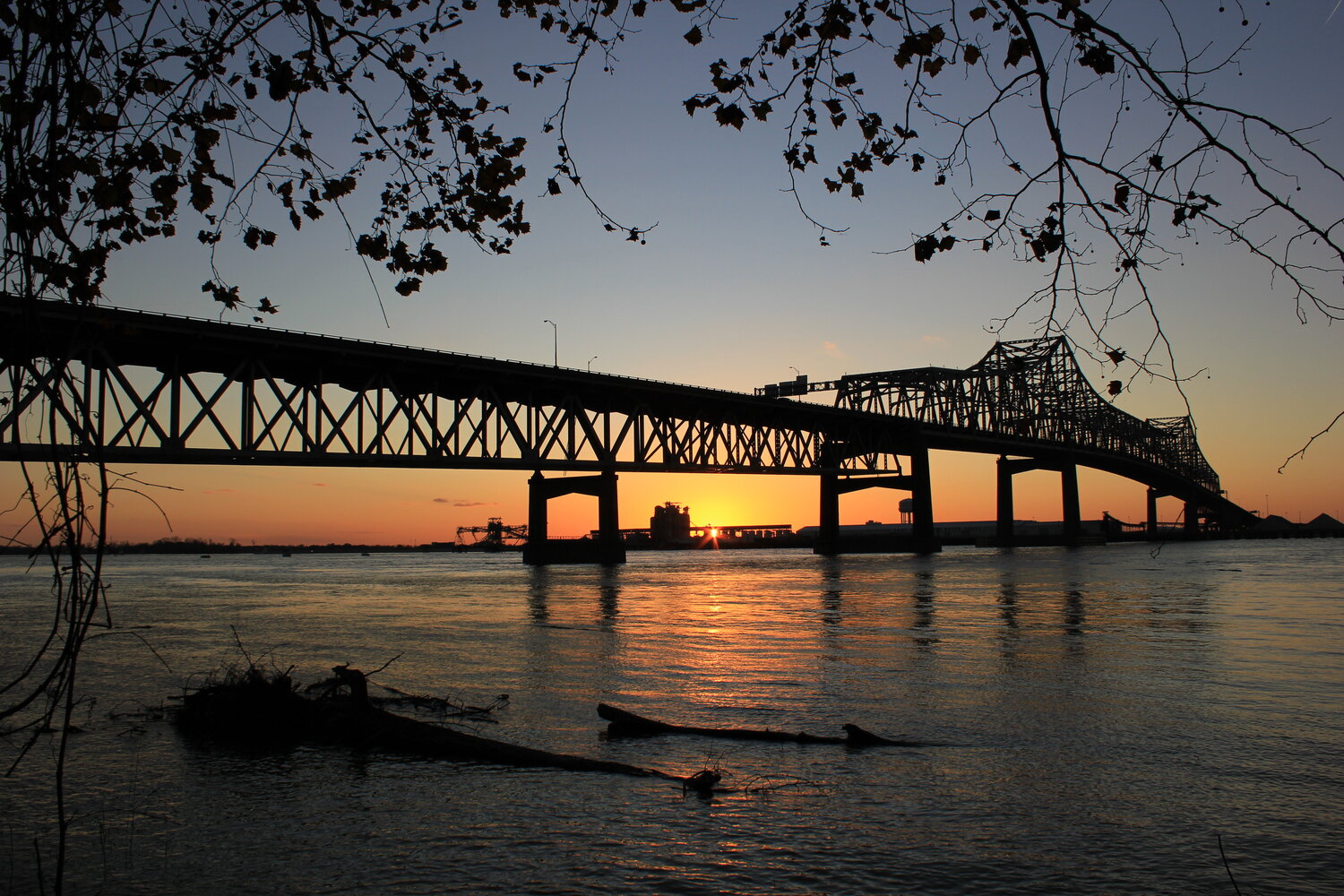
The Mississippi River is one of the main reasons Baton Rouge developed into such an important city. The river has long served as a major transportation route, a source of commerce, and a defining natural feature. Cities along the Mississippi often grew because of trade, and Baton Rouge was no exception. Its riverfront became central to its economy, and the city’s location gave it a strategic advantage for shipping and industry.
The name Baton Rouge itself has a fascinating origin. It comes from the French phrase for red stick. According to popular historical accounts, early French explorers used the name after seeing a red painted pole or marker in the area. That image gave the city one of the most memorable names in America. It connects Baton Rouge to an older world of exploration, territorial boundaries, and cultural encounters that helped define early Louisiana history.
The river also gave Baton Rouge a visual identity. The presence of the water, the port activity, the bridges, and the industrial movement along the river all contribute to the feel of the city. While some cities hide their industrial side, Baton Rouge wears that part of its identity openly. It is a working city as much as it is a cultural city. The Mississippi links Baton Rouge to the broader story of the American South and to the commercial life of the nation.
History That Runs Deep
Baton Rouge has a long and layered history that includes Native American communities, colonial control by European powers, and growth through major historical eras in the United States. The region was inhabited long before the arrival of Europeans, and Native peoples helped shape the earliest human story of the area. Over time, control of Baton Rouge shifted among the French, British, Spanish, and Americans, giving the city a rich and complicated historical foundation.
This changing political history left its mark on architecture, land use, legal traditions, and culture. Louisiana as a whole has long stood apart from many other states because of its unique colonial influences, and Baton Rouge reflects that difference. Walking through older parts of the city, visiting historical sites, or studying the state’s political history quickly reveals that Baton Rouge has always been more than just a government town. It has been a contested and meaningful place for generations.
The city also played roles in the development of plantation agriculture, the Civil War era, Reconstruction, and the civil rights movement. Like many Southern cities, Baton Rouge carries both proud accomplishments and painful chapters. That complexity is part of what makes the city worth understanding. Its history is not simple, but it is important. The more one learns about Baton Rouge, the more one sees how closely it connects to wider American history.
The Role of Government and Power
As the capital of Louisiana, Baton Rouge is a center of state government. The city houses the Louisiana State Capitol, which remains one of its most famous landmarks. The Capitol building is striking because it rises high above the city and looks different from the domed capitol buildings that many people expect. Its art deco style gives it a bold and memorable appearance, and the building symbolizes the political significance of Baton Rouge.
Government brings lawyers, elected officials, lobbyists, policy workers, and state agencies to the city. That gives Baton Rouge an atmosphere that combines Southern culture with public administration and political energy. Decisions made in the city affect the entire state, and that adds to its importance. It also means Baton Rouge often finds itself at the center of Louisiana’s major policy debates and public conversations.
Yet the city does not feel overwhelmed by government identity alone. Politics may be important there, but Baton Rouge still feels like a place where regular life carries on beyond the halls of power. Neighborhoods, restaurants, schools, churches, and cultural spaces keep the city grounded. That balance between official power and local life is part of what gives Baton Rouge its unique feel.
Louisiana State University and College Spirit
It is impossible to talk about Baton Rouge without talking about Louisiana State University, often known simply as LSU. The university has a huge influence on the city’s culture, economy, and national reputation. LSU brings students, faculty, sports fans, research activity, and a constant sense of movement and youth. The campus is one of the most recognizable in the state, and its presence shapes the rhythm of life in Baton Rouge.
Football especially plays a major role in the city’s identity. On game days, Baton Rouge takes on an electric atmosphere. LSU fans are known for their passion, and Tiger Stadium has become legendary in college football. People travel from all over to experience the energy of an LSU home game, and the university helps give Baton Rouge a strong national profile.
But LSU is more than sports. It is also a major educational institution that contributes to science, agriculture, engineering, arts, and public service. The university helps drive innovation and provides opportunities for students from Louisiana and beyond. Its campus adds beauty and intellectual life to Baton Rouge, making the city feel more dynamic and diverse.
Food Culture and Southern Flavor
Baton Rouge has a food scene that reflects the richness of Louisiana cooking. The city offers everything from traditional Southern plates to Cajun and Creole favorites, along with modern restaurants that build on those old traditions. Food in Baton Rouge is about flavor, comfort, family, and identity. Meals often feel like cultural experiences, not just daily routines.
Local favorites can include gumbo, jambalaya, crawfish, red beans and rice, po boys, fried seafood, boudin, étouffée, and rich desserts. Restaurants across the city range from humble neighborhood institutions to polished dining destinations. Many of the best meals in Baton Rouge come from places that locals have loved for years. That loyalty says a lot about the city. Baton Rouge respects tradition, especially when it comes to food.
The city’s food culture also reflects the wider story of Louisiana. African American culinary traditions, French influence, Spanish influence, rural Southern cooking, and Gulf Coast seafood all help shape what people eat. Baton Rouge may not always receive the same national food attention as New Orleans, but those who know Louisiana food understand that Baton Rouge has plenty to offer.
Neighborhoods Character and Local Life
Baton Rouge is a city of neighborhoods, each with its own feel and rhythm. Some areas are closely tied to the university. Others are more residential and family centered. Some reflect older parts of the city with historic charm, while others show more modern development. This range gives Baton Rouge a sense of depth. It is not a city built around one single image. Instead, it offers many different versions of local life.
Downtown Baton Rouge has continued to evolve over time, with government buildings, riverfront views, museums, restaurants, and public spaces helping define the core. Other sections of the city highlight shopping, schools, parks, and community institutions. Across the city, churches, local businesses, and longtime gathering spots help give Baton Rouge a familiar and personal feel.
This is one reason many residents feel deep loyalty to the city. Baton Rouge may have its challenges, like any growing city, but it also has a sense of belonging that people value. There is history in its streets, memory in its neighborhoods, and pride in its traditions.
Industry Economy and Modern Importance
Baton Rouge is not only a cultural and political center. It is also an important economic hub. The city and surrounding region are deeply connected to river trade, manufacturing, refining, chemical production, and logistics. Industry has long played a major role in the area’s economy, and that gives Baton Rouge a practical importance that reaches far beyond Louisiana.
The Port of Greater Baton Rouge is a major asset, helping connect the region to national and global commerce. Businesses depend on the city’s access to the Mississippi River and transportation networks. This economic role has helped Baton Rouge grow and maintain influence in multiple sectors. It also means the city has a workforce shaped by many kinds of labor, from government and education to heavy industry and technical fields.
That combination makes Baton Rouge feel more balanced than cities that rely on only one major sector. It is a place where state government, higher education, healthcare, energy, and trade all intersect. This economic diversity contributes to the city’s resilience and ongoing relevance.
Culture Music and Community Identity
Louisiana is known around the world for culture, and Baton Rouge has its own place within that tradition. The city has connections to blues, soul, gospel, hip hop, Southern rap, and other musical forms that have helped shape the sound of the state. It has also contributed writers, artists, athletes, and public figures to the broader American story.
Community life in Baton Rouge often revolves around schools, churches, festivals, sports, food gatherings, and local traditions. The city carries a strong Southern identity, but it also feels distinctly Louisianan. That matters because Louisiana has a culture unlike any other state. Baton Rouge reflects that uniqueness in a way that feels more everyday and lived in than performance driven.
Museums, cultural institutions, public events, and historic sites help tell the city’s story. People who take time to explore Baton Rouge often find more depth than they expected. It is a city that reveals itself gradually. The more attention one gives it, the more there is to appreciate.
25 Fun Facts About Baton Rouge Louisiana
1. Baton Rouge is the capital of Louisiana.
While many people assume New Orleans is the capital because it is more famous, Baton Rouge is the official state capital.
2. The name Baton Rouge means red stick.
The city’s name comes from a French phrase that translates to red stick.
3. Baton Rouge sits on the Mississippi River.
Its river location helped make it an important center for trade, transportation, and industry.
4. Louisiana State University is located in Baton Rouge.
LSU is one of the city’s most important institutions and one of the best known universities in the South.
5. Tiger Stadium is one of the most famous college football venues in America.
It is known for its intense game day atmosphere and passionate fans.
6. The Louisiana State Capitol is the tallest capitol building in the United States.
Its art deco design makes it stand out from more traditional capitol buildings.
7. Baton Rouge has been governed by several nations.
Over time the area has been controlled by the French, British, Spanish, and Americans.
8. The city has deep Native American history.
Long before European settlers arrived, Native communities lived in the region.
9. Baton Rouge is an important port city.
The port helps connect Louisiana commerce to national and international markets.
10. The city is a major center for petrochemical industry.
Industry plays a huge role in the local and regional economy.
11. Baton Rouge has a strong college town vibe in many areas.
LSU students bring energy, growth, and cultural activity to the city.
12. The city blends several cultural influences.
French, Spanish, African American, Creole, Cajun, and Southern traditions all help shape Baton Rouge.
13. Baton Rouge has a rich food scene.
The city is known for Louisiana classics like gumbo, crawfish, jambalaya, and po boys.
14. Downtown Baton Rouge sits near the riverfront.
This gives the city center a distinctive look and a strong connection to the Mississippi.
15. Baton Rouge played roles in major periods of American history.
Its story includes colonial rule, the Civil War era, Reconstruction, and civil rights activism.
16. The city is home to several museums and historic sites.
Visitors can explore art, politics, local history, and life along the river.
17. Baton Rouge has a humid subtropical climate.
That means hot summers, mild winters, and a long warm season.
18. The city has a major public university and a major state government presence.
That combination gives Baton Rouge a unique mix of education and political importance.
19. Baton Rouge is one of Louisiana’s most important economic centers.
Its business role goes far beyond government offices.
20. The area has strong ties to Southern music traditions.
Baton Rouge has connections to blues, gospel, soul, and hip hop.
21. The city is known for large tailgating traditions.
LSU game days bring some of the most famous tailgates in college sports.
22. Baton Rouge has both urban and suburban character.
Different parts of the city offer very different lifestyles and atmospheres.
23. The city’s history is older than the United States itself.
Its story reaches back through colonial eras before American independence.
24. Baton Rouge is a gateway to many parts of Louisiana.
Its location makes it an important connection point for travel and commerce within the state.
25. Baton Rouge has a strong local identity.
People from Baton Rouge often carry real pride in the city’s history, food, schools, and traditions.
Why Baton Rouge Continues to Matter
Baton Rouge remains important because it represents so many sides of Louisiana at once. It is political but personal, industrial but cultural, historic but growing. The city is not built on one single identity. Instead, it thrives through a combination of roles that keep it relevant and memorable. It is a capital city, a college city, a river city, a food city, and a working city.
That layered identity is what makes Baton Rouge worth exploring. Some places make a loud first impression. Baton Rouge tends to make a deeper one over time. The city rewards curiosity. Whether someone comes for LSU, government work, local history, Louisiana cuisine, or a better understanding of the South, Baton Rouge has something meaningful to offer.
At its heart, Baton Rouge is a city shaped by place and people. The river matters. The history matters. The food matters. The neighborhoods matter. The pride of the people matters too. All of those elements come together to create a city that is both distinctly Louisianan and distinctly itself. Baton Rouge may not always chase the spotlight, but it has earned its place as one of the most important and interesting cities in the state.
Discover more from City Towner
Subscribe to get the latest posts sent to your email.