
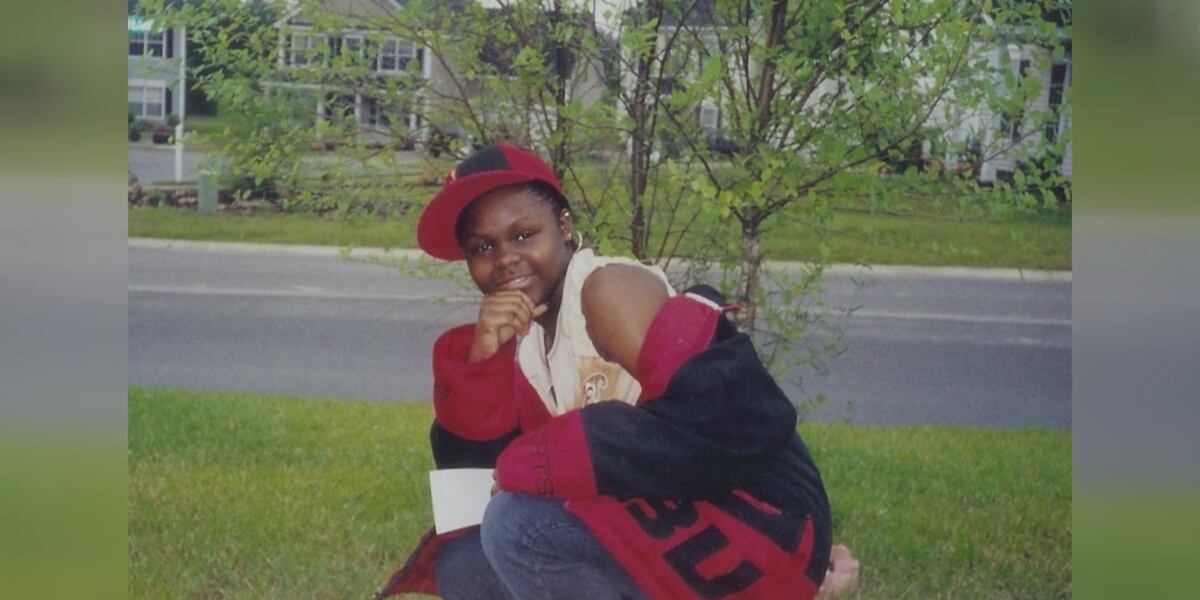
Silene Eaddy Unsolved Murder in Lower Richland County South Carolina
The murder of Silene Erica Eaddy on April 17, 2004, in Lower Richland County, South Carolina, remains a painful and unsettling cold case. Silene, who was also known as Erica, was only 15 years old when her body was found in a wooded area near Pincushion Road and Montgomery Road. Firefighters responding to a brush fire made the tragic discovery, revealing that a young girl’s life had been taken in a brutal and heartbreaking way.
Silene’s death shocked those who learned about it because of her age, the condition in which she was found, and the fact that her case has remained unsolved for so many years. She was still a child, still growing, still learning, and still forming the person she would become. Instead, her name became tied to a homicide investigation that has left her family and community with grief, frustration, and unanswered questions.
Her case is especially painful because it involves both violence and silence. Someone knew what happened to Silene. Someone knew where she was before she died. Someone may have seen her with another person, heard something, or learned details afterward. Yet years later, no public resolution has brought final justice. Her murder remains a reminder of how families suffer when the truth stays hidden.
Who Was Silene Erica Eaddy?
Silene Erica Eaddy was a 15-year-old girl from Columbia, South Carolina. She was young, full of personality, and remembered by those who cared about her as more than a victim. Public summaries of her life describe her as a teenager with interests, emotions, family connections, and a future that should have been protected. Like many teens, she was still figuring out her place in the world.
Silene was also known by the name Erica. That detail matters because names are personal. They reflect how family, friends, and community members may have known her. For some, she was Silene. For others, she was Erica. But no matter which name people used, she was a young girl whose life had meaning long before her death became part of a cold case.
At 15, Silene should have been thinking about school, friends, music, family, hobbies, and the everyday changes that come with teenage life. She should have had the chance to grow older, make mistakes, learn lessons, and become an adult. Her murder stole all of that from her. It also stole years of memories from her loved ones, who were left to imagine the person she might have become.
The Days Before She Was Found
Some summaries of Silene’s case say she was last seen walking away from her adoptive mother’s home in Columbia, South Carolina, before she was found dead. Other accounts suggest she may have been missing for about two days before firefighters discovered her body. Those details add to the sadness of the case because they show there was a window of time when something happened to her, but the full truth of that window remains unknown.
For families, the time between a loved one being last seen and being found can become a haunting space. Every hour matters. Every movement, conversation, and possible sighting becomes important. In Silene’s case, the days before April 17, 2004, may hold the answers investigators need. Who was she with? Where did she go? Was she meeting someone she trusted? Did someone lure her away? Did anyone notice her in distress?
The uncertainty around those questions has helped keep the case unresolved. When a young person disappears and is later found murdered, investigators must work backward from the discovery site to reconstruct the final hours or days. They look for witnesses, calls, friendships, conflicts, rumors, and any small detail that may point toward the person responsible. But when people do not speak, a case can grow cold.
The Discovery on April 17, 2004
On April 17, 2004, firefighters responded to a brush fire in Lower Richland County. The area was near Pincushion Road and Montgomery Road, a wooded location away from the everyday safety of a home or school. What began as a fire call turned into the discovery of a homicide victim.
Silene’s body was found in the woods. She had been beaten and burned. Those facts are difficult to read because they show the cruelty of the crime. The violence against her did not end with her death. The burning of her body suggests an attempt to destroy evidence, hide the truth, or erase signs of what happened. That kind of act often leaves investigators with fewer clues and families with even deeper trauma.
The wooded location also raises important questions. Was Silene killed there, or was her body brought there after the fact? Did the person responsible know the area? Was the fire set intentionally to cover up the crime? These are the kinds of questions that investigators must consider in cases like this. The location where a body is found can sometimes reveal something about the killer, especially if it is a place chosen for privacy, concealment, or familiarity.
Lower Richland County and the Crime Scene
Lower Richland County is part of the broader Columbia area, with rural stretches, wooded roads, and communities where people may know each other through family, school, church, or neighborhood ties. The area near Pincushion Road and Montgomery Road became central to Silene’s case because that is where her body was found.
A wooded area can make an investigation more difficult. Weather, animals, fire damage, and time can all destroy evidence. In Silene’s case, the brush fire added another layer of difficulty. Fire can damage clothing, fingerprints, biological evidence, and other clues that might help identify a suspect. When a body is burned, investigators may have a harder time determining exactly what happened before death, during death, and after death.
Still, crime scenes can speak in other ways. The location, the timing, the condition of the body, and the method used to conceal or destroy evidence can all provide clues. Investigators may ask who had access to the area, who knew it was secluded, who had reason to believe a fire could hide evidence, and who was connected to Silene during the days before she was found.
A Case Marked by Violence and Mystery
Silene’s murder is marked by both brutality and mystery. She was beaten and burned, but the public record does not reveal a clear suspect, confirmed motive, or final answer. That combination makes the case especially painful. When a young person is killed violently, families want to know not only who did it, but why. They want to know what led to the attack, whether their loved one suffered, and whether the person responsible was someone she knew.
The fact that Silene was only 15 makes the crime even more disturbing. Children and teenagers are vulnerable in ways adults are not. They may trust the wrong person. They may be pressured, manipulated, or placed in danger by someone older or more powerful. They may not recognize threats until it is too late. In cases involving teenagers, investigators often look closely at social circles, older acquaintances, family connections, neighborhood contacts, and anyone who had access to the victim.
Some summaries of the case suggest her family believed she may have known the person responsible. That possibility is common in many homicides, especially when a victim is young and the crime happens within or near their own community. A known person can gain trust more easily. A known person can convince a teenager to go somewhere. A known person can also create fear that keeps others silent after the crime.
The Pain of an Unsolved Homicide
Silene’s murder remains unsolved in public accounts. That means no confirmed public conviction has given her family the final accountability they deserve. For loved ones, an unsolved homicide is a wound that keeps reopening. The grief of losing someone is joined by the pain of not knowing who took them away.
Every anniversary can feel heavy. April 17 becomes more than a date. It becomes a reminder of the day Silene was found and the day the family’s worst fears became real. Birthdays, holidays, family gatherings, and ordinary moments can all carry the absence of the young girl who should still be there.
The lack of justice can also create anger. Families may feel that their loved one has been forgotten by the public or that the case has not received enough attention. When the victim is a young Black girl, that pain can be even sharper because many families and advocates have long argued that missing and murdered Black girls and women do not receive the same urgency, coverage, or sustained attention as other victims.
Why Silene’s Story Still Matters
Silene’s story still matters because justice does not expire. Even though her murder happened on April 17, 2004, the need for truth remains. A case can grow old, but the victim does not become less important. A family can wait for years, but their pain does not become less real.
Cold cases can be solved long after the crime. People who were once afraid may eventually speak. Relationships change. Loyalties fade. Someone who heard a confession or saw something suspicious may decide they can no longer carry that information. Advances in forensic science can also help investigators revisit old evidence, even when a case seemed impossible years earlier.
Public attention can make a difference. When a victim’s name is repeated, the case stays alive. It reminds people that someone is still missing from a family. It reminds witnesses that what they know may still matter. It reminds law enforcement and the public that a young girl was killed, and her killer has not been held accountable.
The Role of Community Memory
In many unsolved cases, community memory is important. Someone may remember seeing Silene before she died. Someone may remember a vehicle near the wooded area. Someone may remember a person acting nervous, returning home with burns, changing clothes, leaving town, or talking about the case in a strange way. Sometimes a small memory that seemed meaningless years ago can become important when connected with other evidence.
Communities often carry secrets, especially when a crime involves young people or people who know one another. Fear can keep people quiet. Loyalty can keep people quiet. Distrust of police can keep people quiet. But silence helps the person responsible. It does not protect the victim. It does not heal the family. It does not bring peace to the community.
If someone knows what happened to Silene, even a small detail could matter. The truth may not come from one dramatic confession. It may come from many small pieces finally fitting together. A name, a location, a conversation, or a memory from April 2004 could help investigators move closer to justice.
Remembering Silene as a Person
It is important to remember Silene Erica Eaddy as more than the way she died. True-crime stories can sometimes focus heavily on the violence, the crime scene, and the mystery. Those details matter, but they should never erase the person at the center of the case.
Silene was a teenager. She had a face, a voice, a personality, and people who cared about her. She had thoughts and feelings that mattered. She had days when she laughed, days when she struggled, and days when she dreamed about what life might become. Her life was not defined by the wooded area where she was found. Her life was defined by the people who knew her and the years she was here before someone took her away.
Remembering her properly means speaking her name with care. It means refusing to let her become only a cold-case entry. It means acknowledging that a 15-year-old girl was robbed of her future and that the person responsible should not be allowed to hide behind time and silence.
A Family Still Deserving Answers
Silene’s family deserves answers. They deserve to know who killed her, why she was targeted, where she was before her death, and whether someone could have helped her. They deserve more than rumors and unanswered questions. They deserve justice.
The pain of losing a child to violence is difficult to describe. Parents and relatives often replay the final days over and over, wondering what they missed or what could have been done differently. That kind of grief can be especially cruel because it mixes sorrow with guilt, anger, and helplessness. But the responsibility for Silene’s death belongs only to the person or people who harmed her.
Her family should not have to carry the burden alone. Communities, investigators, and the public all have a role in keeping cases like this from being forgotten. Even years later, attention matters. Compassion matters. Truth matters.
The Lasting Weight of April 17, 2004
April 17, 2004, changed everything for those who loved Silene Erica Eaddy. That was the day her body was found in Lower Richland County, South Carolina. It was the day a brush fire led firefighters to a terrible discovery. It was the day a missing young girl became the center of a homicide investigation.
But that date should not be the only thing remembered about her. Silene was more than the final violence done to her. She was a child with a future. She was part of a family. She was part of a community. Her life mattered before the case file existed, and it still matters now.
Her murder remains a call for justice. It is a reminder that unsolved cases are not closed wounds. They are open questions carried by families, communities, and investigators who still hope someone will come forward. Until the truth is known, Silene’s name should continue to be spoken, her story should continue to be shared, and her case should continue to matter.
A Cold Case That Still Needs Justice
The murder of Silene Erica Eaddy on April 17, 2004, in Lower Richland County, South Carolina, remains one of those cases that should never be forgotten. A 15-year-old girl was found beaten and burned in a wooded area near Pincushion Road and Montgomery Road. The violence was severe, the loss was devastating, and the silence that followed has lasted for years.
Someone knows what happened. Someone knows who was with Silene before she died. Someone knows why her body was left in the woods and why fire was used. That knowledge belongs in the hands of investigators, not hidden in fear or loyalty.
Silene deserved to grow up. She deserved safety. She deserved a future. Her family deserves justice, and her community deserves the truth. Until her murder is solved, her story remains unfinished.
Discover more from City Towner
Subscribe to get the latest posts sent to your email.