The Mary Vagle Nature Center in Fontana California
The Mary Vagle Nature Center in Fontana, California is one of the city’s most peaceful and meaningful outdoor spaces. Located at the foot of the Jurupa Hills in southern Fontana, the center gives residents and visitors a place to slow down, walk near water, learn about local wildlife, study native plants, and experience a quieter side of the Inland Empire. In a city often associated with freeways, industry, logistics, shopping centers, and suburban growth, Mary Vagle Nature Center offers something different. It gives Fontana a natural classroom and a community refuge.
The center is important because it reminds people that Fontana is not only a city of roads and neighborhoods. It is also a place shaped by hills, plants, animals, seasonal weather, geology, and natural habitats. The surrounding landscape tells a story that reaches much further back than modern development. Long before Fontana became a farming community, a steel town, or a major Inland Empire city, the land was part of a larger natural environment connected to foothills, valleys, water sources, and native ecosystems.
Mary Vagle Nature Center helps preserve that connection. It gives families, students, walkers, bird watchers, and curious visitors a place to experience nature without needing to drive deep into the mountains or far outside the city. The center’s pond, trails, gardens, exhibits, and educational programs make it one of Fontana’s most valuable community resources.
For many people, the center is a first introduction to outdoor learning. Children can see animals, observe plants, listen for birds, and understand that nature exists even in the middle of a busy urban region. Adults can enjoy the quiet, take a walk, or rediscover the natural character of the land around them. That combination of education and relaxation is what makes Mary Vagle Nature Center special.
A Place Where the City Meets the Hills
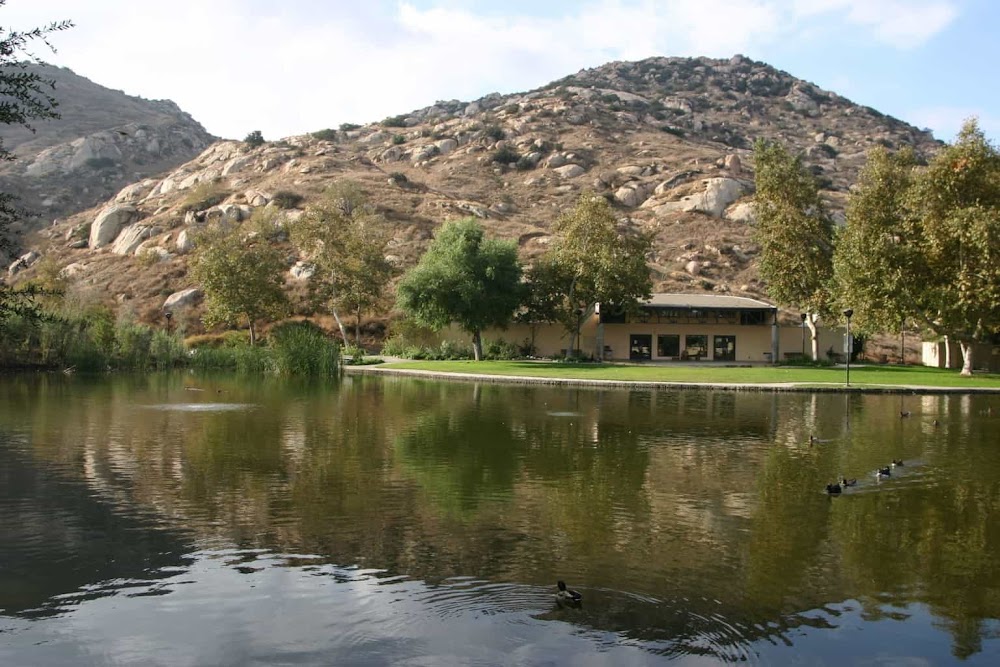
One of the most distinctive things about Mary Vagle Nature Center is its location near the Jurupa Hills. The hills give the center a scenic backdrop and help separate it from the noise and speed of surrounding city life. This setting makes the nature center feel connected to the older landscape of Fontana, before roads, subdivisions, and commercial corridors changed the area.
The Jurupa Hills are part of the city’s natural identity. They provide views, habitat, trails, rock formations, and a reminder that Fontana’s geography is more varied than many people realize. From certain areas, visitors can see the contrast between city development and rugged land. That contrast is part of the center’s appeal. It shows how nature and urban life can exist near each other when a community chooses to protect open space.
Walking around the nature center, visitors may notice how quickly the mood changes. The city may be nearby, but the sound of birds, the sight of water, the movement of plants, and the open sky create a calmer atmosphere. It is not a wilderness escape in the deep backcountry. It is something more accessible: a neighborhood nature experience that people can visit during an ordinary day.
This accessibility matters. Not every family has time or resources for long outdoor trips. A local nature center gives people a way to connect with the environment close to home. For Fontana residents, Mary Vagle Nature Center is a reminder that nature does not have to be distant to be meaningful.
The Pond as the Heart of the Nature Center
The pond is one of the most recognizable features of Mary Vagle Nature Center. It gives the site a peaceful focal point and creates a habitat that attracts birds, insects, plants, and other forms of life. Water changes the feeling of a place, especially in inland Southern California, where dry weather and heat often define the landscape.
A walk around the pond gives visitors a chance to observe nature at a gentle pace. Ducks, small birds, dragonflies, turtles, and other wildlife may be seen depending on the season and conditions. The water reflects the sky and surrounding plants, creating a calm setting that makes the nature center feel welcoming.
The pond also helps teach important lessons. It shows how water supports life, how animals depend on habitat, and how small ecosystems can exist within a larger city. For children, a pond can be one of the easiest ways to understand nature because there is always something to watch. A ripple, a bird landing, a bug moving across the surface, or a plant growing along the edge can become a learning moment.
For adults, the pond offers something quieter. It is a place to pause, think, breathe, and step away from the pace of daily responsibilities. In that way, the pond is not only an environmental feature. It is also part of the center’s emotional value.
Trails That Encourage Walking and Discovery
The trails at Mary Vagle Nature Center are a major part of the visitor experience. They allow people to move through the site, explore different views, and enjoy a simple outdoor activity. The trails are not only for exercise. They are also for observation.
A trail at a nature center invites people to pay attention. Instead of rushing from one place to another, visitors can notice what is blooming, which birds are active, how the light changes on the hills, and how native plants survive in the local climate. Every walk can feel slightly different depending on the time of year, temperature, weather, and wildlife activity.
For families, the trails are a practical way to introduce children to hiking. They are close to the city and manageable for a casual outing. Parents can teach children to stay on the path, respect plants, observe animals from a distance, and understand that outdoor spaces require care.
For walkers and nature lovers, the trails offer a peaceful alternative to sidewalks and busy streets. They provide movement with scenery, exercise with education, and fresh air with local identity. In a city where driving is often part of daily life, walking a nature trail can feel refreshing and grounding.
Native Plants and Gardens
Native plants are an important part of Mary Vagle Nature Center’s educational purpose. The gardens and planted areas help visitors understand what naturally belongs in the local environment and why native vegetation matters.
In Southern California, native plants are especially important because they are adapted to the region’s climate. They can survive dry conditions, support local insects and birds, and help preserve the character of the landscape. Learning about these plants can change the way people see the hills, yards, parks, and open spaces around them.
Visitors may see plants that handle heat, limited water, rocky soil, and seasonal change. These plants may not always look like the lush lawns or ornamental landscaping found in suburban neighborhoods, but they are deeply connected to the local ecosystem. Their beauty is often found in texture, resilience, seasonal blooms, and the wildlife they support.
The native gardens at the center can also inspire home landscaping ideas. Residents who learn about drought tolerant and native plants may become more interested in using them in their own yards. That makes the center useful not only as a place to visit, but also as a place that can influence how people care for the environment at home.
Wildlife Education and Local Animals
Mary Vagle Nature Center serves as a learning space for local wildlife education. Visitors can learn about animals that live in the surrounding area, including birds, reptiles, insects, small mammals, and other creatures connected to Fontana’s natural habitats.
Wildlife education is important because many people live near animals without understanding them. A nature center helps replace fear or indifference with curiosity and respect. When children learn why certain animals matter, they are more likely to protect habitat and behave responsibly outdoors.
The center’s exhibits and programs can help people understand the difference between animals seen in urban neighborhoods and those found closer to hills, open spaces, and natural areas. Visitors can learn how animals find food, shelter, and water, and how human development affects their survival.
Live and static displays can make this learning more engaging. Seeing an animal up close or studying a display about local species can leave a stronger impression than reading about nature in a classroom. That hands on quality is one of the reasons nature centers are so valuable for families and schools.
Geology and the Story Beneath the Surface
The Mary Vagle Nature Center is not only about plants and animals. It also connects visitors to geology, soil, rocks, landforms, and the physical history of the area. The Jurupa Hills and surrounding landscape provide a natural setting for learning about the earth beneath Fontana.
Geology helps explain why the land looks the way it does. Hills, rocks, slopes, drainage patterns, and soil types all shape plant life, animal habitat, and human development. When people understand geology, they begin to see the landscape as a living record of time, pressure, movement, and change.
For students, geology can make science feel real. Instead of only learning from a textbook, they can look at rocks, soil, hillsides, and natural formations in person. They can connect scientific ideas to the actual ground beneath their feet.
This makes the center an important outdoor classroom. It teaches that nature is not only what grows above the surface. It is also what lies below it. The land itself has a story, and Mary Vagle Nature Center gives visitors a place to begin reading that story.
A Living Classroom for Students and Families
One of the strongest roles of Mary Vagle Nature Center is education. It functions as a living classroom where students and families can learn about science, nature, conservation, and the local environment. This type of learning is especially important in an urban region where many children may spend more time indoors or around developed spaces than in natural areas.
A visit to the center can support lessons about biology, ecology, geology, water, weather, habitats, and environmental responsibility. Children can learn by seeing, hearing, touching, walking, and asking questions. That kind of learning often stays with people because it feels connected to real experience.
For schools, the center can be a valuable field trip destination. It is local, educational, and tied to the natural history of the area. Students can explore trails, observe wildlife, study plants, and learn from staff or programs designed to make science approachable.
For families, the center offers informal education. Parents do not need to be experts to make the visit meaningful. They can simply walk with their children, point out birds, ask what plants are blooming, watch the pond, and encourage curiosity. That simple act of noticing nature together can be powerful.
Birding and Quiet Observation
Birding is one of the peaceful activities visitors can enjoy at Mary Vagle Nature Center. The pond, gardens, trees, and hillside environment can attract different kinds of birds throughout the year. For bird watchers, even a short visit can be rewarding.
Birding encourages patience. It asks people to slow down, listen, and look carefully. A bird call, a movement in the branches, or a flash of color near the water can turn a regular walk into a small discovery. This makes birding a good activity for people of many ages.
The nature center is especially useful for beginners because it provides an accessible place to start. Visitors do not need expensive equipment or advanced knowledge. They can begin by noticing common birds, learning their shapes and sounds, and paying attention to where they gather.
Quiet observation is also part of the center’s broader value. In a fast moving city, there are not many places where people are encouraged to be still and simply watch. Mary Vagle Nature Center gives visitors permission to slow down and notice small details.
A Family Friendly Outdoor Destination
Mary Vagle Nature Center is one of Fontana’s most family friendly outdoor destinations. It offers enough structure to feel safe and welcoming, but enough natural space to feel exploratory. Families can walk, learn, relax, and enjoy the outdoors without needing a long drive or a complicated plan.
For children, the center can feel like a small adventure. There is water to look at, trails to follow, animals to notice, plants to study, and exhibits to explore. For parents, the visit can be easygoing and educational at the same time.
The center also works well for multigenerational outings. Grandparents, parents, and children can enjoy the pond and trails together. The pace does not have to be fast. The goal is not to conquer a difficult hike, but to enjoy nature and spend time together.
That makes the center especially valuable in a city like Fontana, where family life is central to the community. Parks, recreation centers, schools, and nature spaces all help support families. Mary Vagle Nature Center adds an environmental and educational layer to that network.
A Peaceful Break From Urban Life
Fontana is a busy city. Freeways, warehouses, shopping centers, schools, neighborhoods, and commuter traffic all create constant movement. Mary Vagle Nature Center gives residents a place to step away from that pace.
A peaceful environment is not a small thing. People need places where they can decompress, walk without hurry, and feel connected to something quieter than daily stress. Nature centers can support mental and emotional well being by offering space, beauty, and calm.
The sounds and sights of the center help create that shift. Water, birds, plants, trails, hills, and open air can soften the feeling of the city. Even a short visit can make a person feel more grounded.
This is one reason local nature spaces are so important. They improve quality of life not only by preserving habitat, but by giving people a healthier relationship with the place they live. Mary Vagle Nature Center helps Fontana feel more balanced.
Fontana’s Natural Identity
Fontana is often described through its history of agriculture, Kaiser Steel, Route 66, racing, and logistics. Those are important parts of the city’s story, but Mary Vagle Nature Center highlights another side: Fontana’s natural identity.
The city sits near hills and within a broader landscape shaped by inland valleys, dry climate, seasonal change, and mountain views. Nature has always been part of Fontana, even when development became more visible. The nature center helps keep that reality in public view.
By preserving and interpreting local habitats, the center reminds residents that Fontana is not separate from the environment. The city depends on air, water, land, plants, animals, and open space. Protecting those things is part of building a better future.
This natural identity is especially important as Fontana continues to grow. More development makes preserved spaces even more valuable. Mary Vagle Nature Center stands as a reminder that progress should include places where nature can still be seen, studied, and respected.
Why Mary Vagle Nature Center Matters
Mary Vagle Nature Center matters because it gives Fontana a place where education, recreation, conservation, and community come together. It is not simply a park, a trail, a pond, or a classroom. It is all of those things working together.
For students, it provides hands on learning. For families, it offers a meaningful outing. For walkers, it provides peaceful trails. For bird watchers, it offers observation opportunities. For residents, it preserves a piece of local nature. For the city, it strengthens Fontana’s identity beyond industry and development.
The center also teaches an important lesson: nature exists close to home. People do not always have to travel far to appreciate wildlife, plants, geology, and open space. Sometimes the best introduction to the natural world is a local place where people can return again and again.
Mary Vagle Nature Center is one of Fontana’s quiet treasures because it serves the community in a way that is both simple and deep. It invites people to walk, look, learn, breathe, and care. In a growing Inland Empire city, that invitation is valuable.
A Lasting Community Treasure
The Mary Vagle Nature Center is a lasting community treasure in Fontana, California. Its pond, trails, native gardens, wildlife education, geology lessons, and Jurupa Hills setting make it one of the city’s most meaningful public spaces. It reflects the natural side of Fontana and gives residents a place to connect with the land beneath the city’s modern growth.
For visitors, the center offers a calm and educational stop. For residents, it offers a familiar place to return to throughout the year. For children, it can spark curiosity that lasts a lifetime. For the city as a whole, it preserves a relationship with nature that should never be forgotten.
Fontana has changed many times through its history, from ranch land to agriculture, from steel production to suburban growth, from Route 66 roads to modern freeways. Through all that change, places like Mary Vagle Nature Center help keep the city grounded. They remind people that beneath every road, building, and neighborhood is a landscape with its own story.
That is what makes the center special. It is not only a place to visit. It is a place to understand Fontana more fully. It shows that the city’s identity includes hills, water, plants, animals, education, family, and quiet moments of discovery.
Discover more from City Towner
Subscribe to get the latest posts sent to your email.