Cherilyn Hawkley Found Dead in Her Van in Granite Bay California
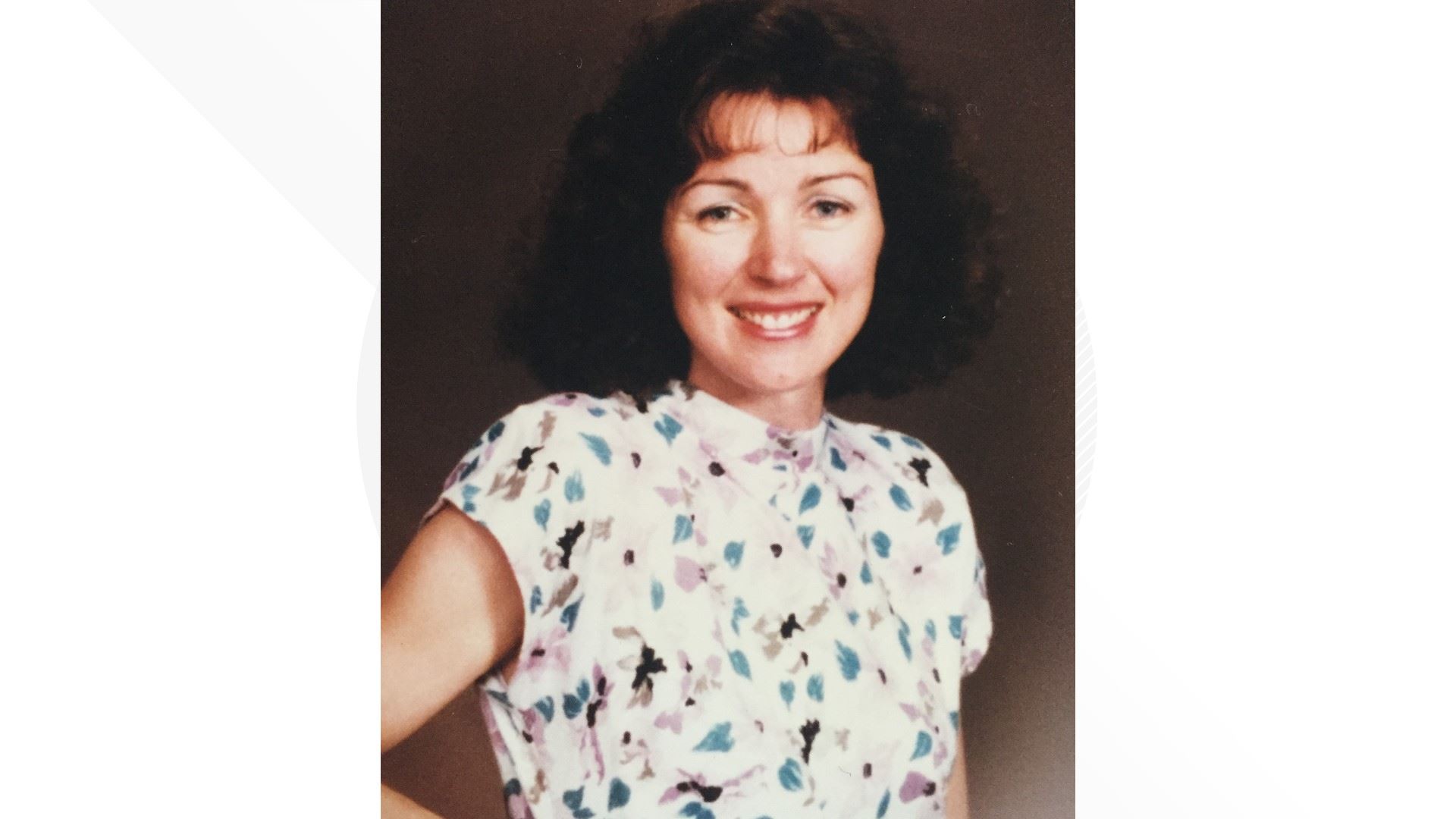
Cherilyn Hawkley was a 39 year old elementary school teacher and mother of three whose life was centered around family, education, and the future she was building. She worked at Eureka Elementary School in Granite Bay, California, a community within Placer County where she was known as a dedicated teacher and someone who cared deeply about her students. To those who knew her, Cherilyn was not just a name in a case file. She was a mother, a colleague, a friend, and a woman beginning a new chapter in her life.
By the fall of 1993, Cherilyn had many reasons to look forward. She had recently purchased a home in Roseville, California, and appeared excited about the direction her life was taking. Buying a home is often a major sign of stability, hope, and independence. For Cherilyn, it represented a fresh start and a place where she could continue raising her children and planning for the years ahead.
Her career also gave her a strong sense of identity. Teaching requires patience, emotional strength, organization, and compassion. As an elementary school teacher, Cherilyn worked with children at an age when guidance and encouragement can make a lasting difference. Her classroom was part of her daily world, and the school was the place where she was last seen alive.
On October 29, 1993, that ordinary school day became the beginning of a tragedy that would haunt Placer County for decades.
The Last Day Cherilyn Was Seen Alive
October 29, 1993, was the Friday before Halloween. At an elementary school, that time of year is often filled with costumes, classroom parties, candy, decorations, and excitement. For teachers, Halloween activities can make the school day busier than usual. There are children to supervise, classrooms to manage, parents to coordinate with, and cleanup to handle after the fun ends.
Cherilyn Hawkley was at Eureka Elementary School that day. She had lunch with a colleague and was remembered as being in good spirits. She was reportedly happy, hopeful, and looking ahead to the future. Nothing about her mood suggested she believed danger was near. Later in the afternoon, she was seen at the school after the day’s activities.
That late afternoon sighting became one of the most important points in the case. Cherilyn was last seen alive at or near the school where she worked. After that, the known timeline becomes darker and less certain. Somewhere between the time she was last seen on October 29, 1993, and the discovery of her body on October 31, 1993, Cherilyn was murdered.
Her death was not just a crime against one person. It shattered a family, devastated a school community, and left investigators with a case that would remain unsolved for decades.
The Discovery on Halloween Night
Cherilyn Hawkley’s body was found on October 31, 1993, Halloween night. She was discovered inside her minivan, about a mile from Eureka Elementary School. The location was close enough to connect back to her workplace, but far enough away to raise troubling questions about how she got there, who was with her, and what happened in the time after she was last seen alive.
The discovery inside the minivan became central to the investigation. Authorities have described her vehicle as the only known crime scene. That detail matters because it means investigators had to focus heavily on what could be learned from the van itself. In a homicide investigation, the crime scene can reveal movement, struggle, contact, physical evidence, and traces left behind by the offender. When the known crime scene is limited to one vehicle, every detail inside and around it becomes important.
A rope was reportedly found near Cherilyn’s body. That detail has remained one of the most disturbing facts connected to the case. While investigators have not publicly revealed every piece of evidence, the presence of the rope has long shaped the public understanding of her murder. Cherilyn was found dead, her vehicle was the known scene, and there were signs that made it clear her death was not accidental.
For her family and the community, the discovery turned fear into grief. A missing woman had become a homicide victim. A teacher who had been working with children just days earlier was found murdered during a weekend associated with costumes, childhood excitement, and neighborhood gatherings.
The Crime Scene And the Questions It Raised
The minivan became the center of the case. Investigators had to determine whether Cherilyn was killed inside the vehicle, whether she was forced into it, whether she drove there herself, or whether someone moved the vehicle after harming her. Those possibilities each point in different directions. If she was attacked inside the van, the offender may have had access to her in a private or semi private moment. If she was forced into the vehicle, there may have been a confrontation. If the vehicle was moved, that could suggest an attempt to hide or control the scene.
The fact that the van was found about a mile from the school also raises questions about opportunity. Did the killer know Cherilyn? Did the person know her schedule? Did they approach her after school, when the campus was quieter? Did they plan the attack, or did something happen suddenly? These questions remain part of why the case has stayed so troubling.
Cherilyn was a teacher, a mother, and a woman known in the community. She was not involved in a lifestyle that would obviously explain such violence. That made the murder feel even more alarming. It suggested either a targeted act by someone who knew her, or an encounter with someone dangerous enough to attack her without warning.
In cases like this, investigators often look closely at personal relationships, workplace connections, recent conflicts, strangers in the area, and anyone who may have had access to the victim. They also review the victim’s routine because routine can create opportunity. Cherilyn’s workday, her school environment, and her movements after class all became part of the effort to understand what happened.
A Community Shaken by Violence
The murder of Cherilyn Hawkley shook Placer County because of who she was and where the case began. Schools are supposed to feel safe. Teachers are supposed to leave work and return home to their families. Parents trust schools with their children every day, and teachers become part of the emotional fabric of a community. When a teacher is murdered after being last seen at school, that sense of safety is deeply damaged.
Eureka Elementary School was more than a workplace. It was a place filled with children, staff, parents, and daily routines. The idea that a teacher could be seen alive there on Friday and found dead in her minivan on Halloween night was terrifying. It brought violence close to a place associated with learning, childhood, and care.
For students, the loss of a teacher can be confusing and traumatic. Children may not fully understand homicide, but they understand absence. They understand when a familiar adult is suddenly gone. For colleagues, the grief is different but equally heavy. They had seen Cherilyn, spoken with her, shared school responsibilities with her, and then learned that she had been killed.
For her children, the loss was immeasurable. Cherilyn was not only a teacher to other children. She was a mother to her own. Her murder left them without the woman who loved them, raised them, and planned a future with them. That is the deepest wound in the case. Beyond the investigation and the public attention, there was a family forced to live with a permanent absence.
The Long Road of an Unsolved Case
Cherilyn Hawkley’s murder remains unsolved. No one has been publicly convicted for killing her. That means her family has had to endure not only the loss of her life, but also the lack of legal closure. An unsolved homicide keeps pain open in a unique way. Families are left with grief, questions, and the knowledge that the person responsible may have continued living freely.
Cold cases become harder with time, but they do not become meaningless. Witnesses age. Memories fade. Evidence may become more difficult to interpret. People move away, relationships change, and the original urgency can fade from public attention. But time can also create new chances. People who were once afraid may decide to talk. Old loyalties can weaken. New technology can reveal what older tools could not.
In Cherilyn’s case, modern DNA testing and renewed investigative efforts have brought new attention to the case. Evidence that may not have been useful in 1993 may hold more value now. Advances in forensic science have helped solve many older cases across the country. Even small biological traces can sometimes identify a person, connect a suspect to a scene, or rule people out.
The renewed look at Cherilyn’s case shows that investigators have not forgotten her. It also shows that unsolved does not mean abandoned. Her case still matters. Her life still matters. The truth still matters.
Why the Case Remains So Disturbing
The murder of Cherilyn Hawkley remains disturbing for several reasons. First, she was a working mother who appeared to be moving forward in life. She had children, a teaching career, and a new home. Her life was not drifting into danger. She was building something.
Second, the timing was especially haunting. She was last seen alive on October 29, 1993, after a school day connected to Halloween activities, and she was found dead on October 31, 1993. Halloween is usually associated with children, costumes, neighborhood fun, and imagination. In this case, it became connected to violence and loss.
Third, the location adds to the unease. Cherilyn was last seen at the school where she taught and was found about a mile away inside her minivan. That closeness suggests the answer may be tied to the environment around her daily life. It raises the possibility that someone knew where she would be, knew her routine, or had an opportunity to approach her when she was vulnerable.
Finally, the case remains painful because there has been no public resolution. The lack of an arrest means the questions have never stopped. Who killed Cherilyn Hawkley? Why was she targeted? Was the killer someone she knew? Was the attack planned? Did someone see something near the school or near the place where her van was found? Those questions continue to surround the case.
The Human Side of the Investigation
It is easy for cold cases to become a list of facts: name, age, date, location, cause, evidence, and status. But Cherilyn Hawkley’s murder was not just a set of investigative details. It was a human tragedy.
Her children lost their mother. Her students lost a teacher. Her colleagues lost a friend. Her community lost a woman who had committed herself to education and family. The future she had imagined in her new home was cut short before it could fully unfold.
Every unsolved homicide leaves behind two battles. The first is the investigation itself, the search for the person responsible. The second is the battle against forgetting. Families and investigators must keep the victim’s name alive so the case does not disappear into old newspaper archives and fading memories.
Cherilyn’s case has continued to receive attention because people still care. Law enforcement continues to ask for help. Public awareness efforts keep her story alive. True crime coverage, local reporting, and community memory all play a role in keeping pressure on the case. That matters because someone may still know something.
The Importance of One Tip
In an unsolved case from 1993, one tip could still make a difference. It may not even seem important to the person who has it. Someone may remember seeing Cherilyn’s minivan. Someone may remember a person acting strangely after her death. Someone may have heard a confession, a suspicious comment, or a rumor that sounded unbelievable at the time. Someone may have noticed a person with unexplained injuries, sudden anxiety, or unusual behavior that weekend.
Cold cases often move forward when someone finally decides to speak. Sometimes the missing piece is not a dramatic confession. Sometimes it is a small detail that helps investigators confirm a timeline or connect evidence to a person. A vehicle sighting, a conversation, a location, or a name can open a door that has been closed for decades.
The murder of Cherilyn Hawkley is the kind of case where public memory still matters. People who lived in Placer County in 1993, people connected to Eureka Elementary School, people who knew Cherilyn, and people who remember the Halloween weekend of that year may still hold pieces of the story.
Remembering Cherilyn Hawkley
Cherilyn Hawkley should be remembered first as a person, not just as a victim. She was a mother of three. She was an elementary school teacher. She was a woman who had recently bought a home and was excited about the life ahead of her. She was part of a school community and part of a family that loved her.
Her murder on or after October 29, 1993, in Placer County, California, left a wound that has never fully healed. Her body was found on October 31, 1993, inside her minivan about a mile from the school where she taught. The case remains unsolved, but it has not been forgotten.
The hope is that continued attention, modern forensic tools, and public cooperation will one day bring answers. Cherilyn deserves justice. Her children deserve answers. Her family deserves peace. Her students and colleagues deserve to know what happened to the teacher who never came back.
More than three decades have passed, but time has not erased the need for truth. The person responsible for Cherilyn Hawkley’s murder may have escaped accountability for many years, but the case remains open in the hearts of those who remember her. As long as her name is spoken and her story is shared, there is still hope that someone will come forward and help bring justice to a mother, teacher, and woman whose life was taken far too soon.
Discover more from City Towner
Subscribe to get the latest posts sent to your email.