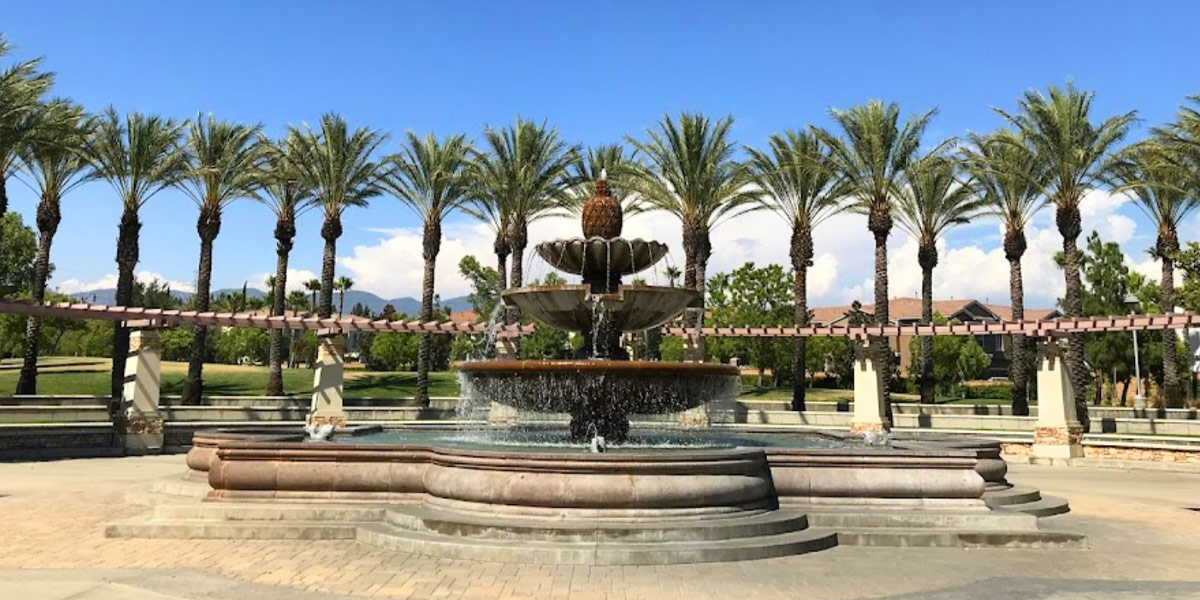
25 Fun Facts About Fontana California
Fontana, California is one of those cities with a story that feels bigger the more you look at it. At first glance, it may seem like a modern Inland Empire city filled with neighborhoods, shopping centers, freeways, schools, parks, warehouses, restaurants, and busy streets. But beneath that modern surface is a history full of ranch land, agriculture, steel production, Route 66 culture, racing, migration, family life, and steady reinvention.
Located in San Bernardino County, Fontana sits in a powerful position within Southern California. It is close to the San Gabriel Mountains, connected to major freeways, and positioned between Los Angeles County, Riverside County, and the wider Inland Empire. That location has helped shape almost every part of its identity. Fontana has been a farming community, a steel town, a transportation hub, a racing destination, and a growing suburban city.
The city’s personality comes from its mix of old and new. It has roots in early ranching and agriculture, but it also carries the memory of one of the most important steel mills in the American West. It has suburban neighborhoods, but it also has industrial corridors. It has family parks and schools, but it also has a long connection to cars, trucking, highways, and speed. Fontana is not a city with one simple identity. It is a place built from several different eras layered together.
That makes Fontana an interesting city to explore through fun facts. Each fact reveals something about how the city grew, what made it unique, and why it remains an important part of Southern California.
A City With Deep Agricultural Roots
Before Fontana became known for steel, racing, logistics, and suburban growth, it was an agricultural community. The land was once used for ranching, farming, citrus groves, vineyards, poultry farms, and livestock. Early settlers were drawn to the area because of its open space, inland climate, and potential for irrigation.
The city’s agricultural history is important because it explains the foundation of Fontana’s early identity. The community was not originally built as a dense urban center. It began as a place where families could work the land, raise animals, grow crops, and build homes. The wide open character of early Fontana gave it a rural personality that lasted for decades.
One of the major figures in this early chapter was A. B. Miller, who helped shape Fontana into a planned agricultural community. His vision helped attract settlers and gave the area a stronger civic identity. The name Fontana itself is connected to the idea of water, which was essential for agriculture in inland Southern California.
Even though modern Fontana looks much different today, that farming history still matters. It reminds residents that the city was once defined by groves, ranches, fields, and small community life before industry and freeways transformed it.
A Steel Town That Helped Change the West
Fontana became nationally important during World War II because of the Kaiser Steel mill. The plant was built to support wartime production and became one of the largest steel operations in the western United States. This changed Fontana almost overnight.
Before the mill, Fontana was largely agricultural. After the mill, the city became a major industrial community. Workers came from many parts of the country for jobs, and new neighborhoods grew around the expanding workforce. The steel mill gave Fontana a strong working class identity and helped thousands of families build a life in Southern California.
The Kaiser Steel era shaped more than the economy. It shaped the city’s culture. It brought together people from different regions, backgrounds, and traditions. It gave Fontana a reputation for toughness, hard work, and industrial pride. For many families, the mill was more than a job site. It was the center of economic stability and community life.
When the steel industry declined, Fontana had to adapt. The old industrial land eventually became part of the city’s next transformation. Instead of being frozen in the past, Fontana moved into new industries, including logistics, transportation, retail, entertainment, and housing. That ability to adjust is one of the most important parts of the city’s story.
Route 66 and the Roadside Spirit
Fontana has a strong connection to Route 66, one of the most famous highways in American history. Route 66 helped connect Chicago to Southern California and became a symbol of migration, travel, roadside culture, and opportunity. Fontana’s place along this historic route linked the city to a larger national story.
For travelers heading west, Route 66 represented hope, motion, and reinvention. For towns and cities along the route, it brought traffic, businesses, diners, gas stations, signs, motels, and roadside energy. Fontana shared in that culture as automobiles became central to Southern California life.
The city’s Route 66 connection also fits naturally with Fontana’s car culture. The Inland Empire has long been shaped by driving, commuting, trucking, cruising, and racing. In Fontana, roads are not just transportation routes. They are part of the city’s identity.
Even as freeways changed the original Route 66 experience, the memory of the Mother Road remains important. It adds a layer of nostalgia to Fontana’s history and connects the city to one of America’s most beloved travel routes.
Racing, Speed, and Automotive Culture
Fontana is widely known for its connection to racing. The city became home to a major motorsports destination when California Speedway opened in the 1990s on land connected to the former Kaiser Steel site. Later known as Auto Club Speedway, the track hosted major racing events and brought national attention to Fontana.
The speedway represented a dramatic transformation. Land once associated with heavy industry became a place for sports, entertainment, speed, and crowds. This shift told a larger story about Fontana’s ability to reinvent itself after the decline of steel.
Racing also fit perfectly with the city’s existing personality. Fontana had already been shaped by roads, cars, trucking, commuting, Route 66, and industrial strength. A major speedway gave that automotive energy a public stage.
For years, racing weekends brought fans, drivers, crews, media, and excitement to the city. Even people who did not follow racing closely knew Fontana had become a major name in motorsports. That connection remains one of the city’s most recognizable modern facts.
A Growing City With a Diverse Community
Fontana has grown into one of the major cities of San Bernardino County. Its population expanded significantly as more families moved inland in search of housing, space, and opportunity. As Southern California became more expensive, Fontana became an attractive place for people who wanted suburban living while staying connected to the greater Los Angeles region.
This growth helped create a diverse city with many cultures, languages, foods, businesses, churches, schools, and community traditions. Fontana’s modern identity is shaped by Latino, Black, Asian, white, immigrant, and multigenerational families. That diversity is visible in the city’s food scene, festivals, neighborhoods, small businesses, schools, and everyday life.
Fontana’s growth also brought challenges. Traffic, housing demand, warehouse expansion, environmental concerns, and infrastructure needs all became major issues. But the city has continued to develop parks, community centers, schools, and public spaces to support its residents.
Today, Fontana is not just a city people pass through. It is a place where families build roots, children grow up, businesses expand, and communities create their own traditions.
25 Fun Facts About Fontana California
1. Fontana Was Founded by A. B. Miller
A. B. Miller is known as the founder of modern Fontana. He helped develop the area as an agricultural community and promoted it as a place where families could farm, raise livestock, and build a future. His name still lives on through local landmarks, including A. B. Miller High School.
2. The Name Fontana Means Fountain
The name Fontana comes from the Italian word for fountain. That name connects to the importance of water in the city’s early development. In a dry inland area, irrigation and water access were essential for farming and settlement.
3. Fontana Officially Incorporated on June 25, 1952
Fontana became an official city on June 25, 1952. Incorporation allowed the community to create its own municipal government and take more control over local planning, growth, and public services.
4. Fontana Was Once Known for Farms and Ranches
Before it became an industrial city, Fontana was known for agriculture. Citrus groves, vineyards, poultry farms, hog ranches, and open farmland were all part of the city’s early landscape.
5. Kaiser Steel Changed Fontana Forever
The Kaiser Steel mill transformed Fontana during World War II. It brought thousands of jobs, attracted workers from across the country, and turned the city into a major industrial center.
6. Fontana Was One of the West’s Major Steel Cities
Kaiser Steel made Fontana one of the most important steel producing cities in the western United States. The plant supported wartime production and later helped supply steel for construction and industry.
7. Fontana Has a Strong Working Class Legacy
Because of its steel, trucking, warehouse, construction, and industrial history, Fontana has long been known as a working class city. Its culture has been shaped by people who built, drove, repaired, produced, and moved goods.
8. Historic Route 66 Passed Through Fontana
Fontana was part of the Route 66 story in California. The historic highway connected the city to a famous national route known for road trips, migration, diners, motels, and American travel culture.
9. Fontana Has Deep Ties to Car Culture
Fontana’s roads, Route 66 history, speedway, and Inland Empire location all helped give the city a strong connection to cars. Cruising, racing, commuting, trucking, and auto culture are all part of the city’s identity.
10. Auto Club Speedway Was Built on Former Industrial Land
The speedway that made Fontana famous in racing was built on land connected to the old Kaiser Steel property. That gave the site a second life after the decline of heavy industry.
11. The Speedway Opened in the 1990s
The major racing facility in Fontana opened in the 1990s and became one of Southern California’s best known motorsports venues. It hosted major NASCAR and open wheel racing events over the years.
12. Fontana Is Part of the Inland Empire
Fontana is one of the key cities in the Inland Empire, a region that includes parts of San Bernardino and Riverside counties. The Inland Empire has become one of Southern California’s most important population and logistics centers.
13. Fontana Is Close to the San Gabriel Mountains
The city sits near the San Gabriel Mountains, giving many parts of Fontana views of rugged foothills and mountain scenery. This setting adds natural beauty to a city often associated with roads and industry.
14. Fontana Is Connected by Major Freeways
Fontana is served by important transportation routes, including Interstate 10, Interstate 15, and State Route 210. These freeways help connect the city to Los Angeles, San Bernardino, Riverside, and the High Desert.
15. Fontana Has Become a Logistics Hub
Because of its freeway access and inland location, Fontana has become important to warehousing, trucking, distribution, and goods movement. This role is part of the wider Inland Empire economy.
16. Fontana Has a Growing Food Scene
Fontana’s food scene includes Mexican food, barbecue, burgers, seafood, bakeries, soul food, Asian cuisines, food trucks, and family restaurants. The city’s dining culture reflects its diversity and working class roots.
17. Mexican Food Is Central to Local Dining
Taquerias, panaderías, mariscos restaurants, taco trucks, and family owned Mexican eateries are major parts of Fontana’s food culture. Tacos, burritos, birria, ceviche, and pan dulce are local favorites.
18. Fontana Has Strong Family Oriented Traditions
The city has many parks, schools, youth sports programs, churches, community centers, and family restaurants. Fontana’s identity is strongly connected to family life and neighborhood pride.
19. Fontana Is One of San Bernardino County’s Largest Cities
Fontana has grown into one of the largest cities in San Bernardino County. Its growth reflects the broader expansion of the Inland Empire over the past several decades.
20. The City Has Many Parks and Recreation Spaces
Fontana has invested in parks, sports fields, trails, community centers, and recreation programs. These spaces help balance the city’s industrial and suburban sides.
21. Fontana’s Population Grew Rapidly After World War II
The postwar period brought major growth to Fontana. Steel jobs, housing development, and Southern California’s population boom helped expand the city’s neighborhoods and economy.
22. Fontana Has a Multicultural Identity
Fontana is home to residents from many racial, ethnic, and cultural backgrounds. That diversity is visible in the city’s food, music, faith communities, schools, businesses, and public life.
23. Fontana Has Been Featured in Pop Culture and Regional Stories
Because of its steel history, racing connections, Route 66 ties, and Inland Empire setting, Fontana has appeared in regional conversations about Southern California growth, industry, and car culture.
24. Fontana Represents Reinvention
Few cities show reinvention like Fontana. It moved from ranch land to agriculture, from agriculture to steel, from steel to racing and logistics, and from a small community to a major modern city.
25. Fontana Still Carries Its Old Identity Into the Future
Even as Fontana grows, its past remains part of its personality. The city still carries memories of A. B. Miller, Route 66, Kaiser Steel, working class families, and the racing culture that made it famous.
Why These Fun Facts Matter
The fun facts about Fontana are more than small pieces of trivia. Together, they tell the story of a city that has constantly adapted to change. Fontana began with land, water, farming, and vision. It grew through labor, industry, roads, and migration. It continued forward through housing, commerce, racing, logistics, and community development.
What makes Fontana interesting is how many identities it holds at the same time. It is an old agricultural settlement and a former steel town. It is a Route 66 city and a freeway city. It is a racing city and a family city. It is a working class city and a growing suburban center. It is a place shaped by history, but not trapped by it.
Fontana’s history also reflects the broader story of inland Southern California. Many cities in the Inland Empire have had to balance growth, industry, housing, transportation, and quality of life. Fontana stands out because its changes were so dramatic. Few places went from farms to steel mills to speedways to logistics centers with such a clear sense of transformation.
The city’s future will likely continue to be shaped by the same forces that built it: location, movement, labor, family, and diversity. As Fontana grows, it will keep adding new facts to its story. But the older facts will still matter because they explain why the city looks, feels, and functions the way it does today.
Fontana’s Lasting Place in California History
Fontana, California deserves attention because it represents a side of Southern California that is sometimes overlooked. It is not a beach city, a Hollywood city, or a luxury resort town. It is a city built by farmers, steelworkers, drivers, families, small business owners, public workers, students, and newcomers looking for opportunity.
Its history is practical, gritty, and full of movement. People came to Fontana to work the land, build steel, drive roads, raise families, start businesses, and create new lives. That spirit still defines the city. Fontana has never been only one thing. It has always been a place in motion.
The 25 fun facts about Fontana show a city with depth, personality, and importance. From its name meaning fountain to its Route 66 history, from Kaiser Steel to Auto Club Speedway, from farming roots to modern growth, Fontana has a story that continues to unfold.
Discover more from City Towner
Subscribe to get the latest posts sent to your email.