Dale Eugene Kelley Disappeared in Carmichael California
Dale Eugene Kelley was a 21-year-old college student and athlete whose disappearance became one of the most puzzling missing person cases connected to Sacramento County, California. On May 20, 1981, Kelley left his home in Carmichael with what appeared to be a simple plan. He intended to drive to Los Angeles to visit his girlfriend. The trip should have taken only several hours, but Kelley never reached his destination.
What began as concern over a delayed arrival soon developed into a mystery that crossed several states. Approximately two weeks after Kelley vanished, his orange 1976 Toyota Celica was discovered abandoned in New Orleans, Louisiana, more than 2,000 miles from his home and far from the route he was expected to take.
Kelley was not found inside or near the vehicle. No publicly confirmed sighting placed him in New Orleans, and no evidence established that he personally drove the car there. His sudden disappearance, the unexpected movement of his vehicle across the country and his complete lack of communication led investigators to consider the possibility that he had met with foul play.
Decades later, the central questions remain unanswered. It is unknown whether Kelley willingly changed his travel plans, encountered someone along the way or became the victim of a crime before his car reached Louisiana.
A Young Student and Football Player
Dale Eugene Kelley was born on February 15, 1960. In 1981, he lived in Carmichael, an unincorporated community in Sacramento County. He was enrolled at American River College in the Sacramento area and played football for the school.
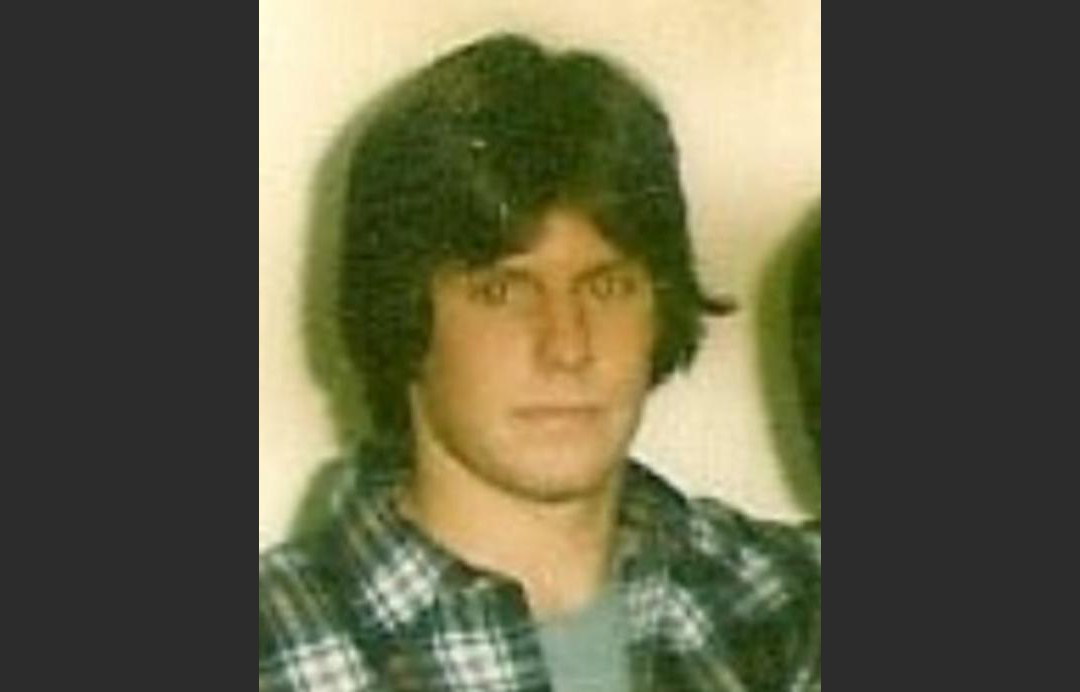
Kelley was described as approximately 5 feet 10 inches tall and weighing about 165 pounds. He had brown hair that reached his collar and green eyes. He was clean shaven and was not known to wear facial hair. He also had a scar measuring approximately 1 inch on his left knee.
He was reportedly wearing a yellow tank top, dark blue Brittania jeans and white high top Converse shoes when he disappeared. Some summaries describe his clothing more generally as jeans and a T shirt, but the more detailed description has remained associated with his missing person record.
Kelley had family members, friends, roommates and a girlfriend who expected him to remain in contact. Nothing publicly available about his life suggested that he had been preparing to disappear permanently or abandon his responsibilities without explanation.
Plans to Visit His Girlfriend
On the morning of May 20, 1981, Kelley planned to leave Carmichael and drive south to Los Angeles. He intended to visit his girlfriend and was expected to arrive later that day.
Kelley reportedly spoke with his girlfriend by telephone at approximately 8:00 a.m. The conversation appeared to confirm that he still planned to make the trip. His roommates later indicated that he left the residence that morning in his orange 1976 Toyota Celica.
The vehicle carried California license plate 598TIH. The Celica was a distinctive compact sports car, and its orange color should have made it relatively noticeable on the road.
The drive from the Sacramento area to Los Angeles normally requires several hours. Kelley should have reached his destination during the afternoon or evening, depending on traffic and the number of stops he made.
He never arrived.
At first, it may have been reasonable to think he had encountered car trouble, heavy traffic or some other delay. As the hours passed without a telephone call, however, the situation became increasingly concerning. Kelley had not informed his girlfriend that he was changing his plans, and there was no indication that he intended to travel anywhere other than Los Angeles.
Concern Grows After Kelley Fails to Arrive
When Kelley failed to appear, his girlfriend contacted his roommates. They confirmed that he had left Carmichael that morning. This meant he was no longer at home, but he had also failed to reach the place where he was expected.
Friends and relatives attempted to determine where he had gone. No one reported hearing from him after his departure. Kelley did not call to explain that he was delayed, did not contact his family and did not return home.
His roommate eventually reported him missing to the Sacramento County Sheriff’s Office. Investigators were faced with a troubling lack of information. Kelley had departed in his own vehicle and was believed to be traveling alone, but there were no confirmed reports describing what happened after he left Carmichael.
There was no publicly identified accident scene along the expected route. Kelley was not located at a hospital or jail, and his car had not been found abandoned between Sacramento and Los Angeles.
The absence of the Toyota initially made it possible that Kelley was still traveling or had voluntarily gone elsewhere. That possibility became much more complicated when the vehicle was found thousands of miles away.
The Toyota Celica Appears in New Orleans
On June 4, 1981, approximately two weeks after Kelley disappeared, authorities discovered his orange Toyota Celica abandoned in New Orleans, Louisiana.
The recovery of the car dramatically expanded the scope of the investigation. New Orleans was not near Kelley’s intended destination. It was located more than 2,000 miles from Carmichael and far east of Los Angeles.
A person driving from Northern California to New Orleans would likely have traveled through several states. Depending on the route, the journey could have included portions of California, Arizona, New Mexico, Texas and Louisiana. Such a trip would have required multiple days of driving, stops for fuel and likely stops for food or rest.
There was no known reason for Kelley to make that journey without informing anyone. His girlfriend was waiting for him in Los Angeles, and those close to him believed that was where he intended to go.
Most importantly, Kelley was not with the car when it was discovered. The recovery of the Toyota established that the vehicle had traveled east, but it did not prove that Kelley had made the journey with it.
Someone else could have driven the car. It could have been stolen, taken after an encounter with Kelley or transferred between multiple people. Without a confirmed sighting of Kelley outside California, investigators could not establish where he had gone or when he had become separated from his vehicle.
Items Found Inside the Abandoned Car
Several items connected to Texas and New Orleans were reportedly found inside the Toyota. They included a map of Texas, a book about Texas and a postcard associated with Pat O’Brien’s, a well known establishment in New Orleans.
These objects appeared consistent with a cross country journey through Texas and into Louisiana. However, they did not answer the most important question. Investigators could not publicly establish whether Kelley had purchased or handled the items.
The materials could have belonged to Kelley, but they also could have been left by someone else who used the car after his disappearance. The presence of a Texas map may indicate that the driver planned a route through the state. The postcard may suggest that someone associated with the vehicle reached New Orleans and visited or learned about Pat O’Brien’s.
None of those possibilities proves that Kelley was ever physically present in Texas or Louisiana. The items only demonstrate that someone connected to the vehicle had an apparent interest in those locations.
Public accounts do not provide a complete description of the forensic processing of the Celica. It is unclear whether investigators recovered useful fingerprints, biological material, receipts, fuel records or other evidence that could identify the person who drove it to New Orleans.
A Route in the Wrong Direction
Kelley’s expected route should have taken him south through California toward Los Angeles. Instead, his vehicle eventually appeared far to the east.
The unexpected location of the Toyota is one of the strongest reasons the disappearance is considered suspicious. For Kelley to have willingly driven to New Orleans, he would have needed to abandon or completely change his plan soon after speaking with his girlfriend.
He also would have needed to make the long journey without notifying the people closest to him. There is no public record of Kelley contacting anyone during the trip, explaining his decision or announcing an intention to begin a new life.
It is possible that Kelley decided to travel elsewhere for reasons he kept private. Young adults sometimes change plans suddenly, and the presence of travel materials in the car could support the idea that someone had deliberately planned the eastward journey.
However, a voluntary trip does not explain why Kelley disappeared permanently, left his vehicle behind and failed to contact his family or friends afterward.
The more troubling possibility is that Kelley encountered someone before reaching Los Angeles. If another person gained control of the Celica, that individual could have driven it across the country to create distance between the vehicle and the place where Kelley was last seen.
Possible Encounters Along the Way
The exact time Kelley left his residence has not been firmly established in public accounts. It is also unclear which highway he took, where he stopped or whether anyone traveled with him.
If he followed the most direct route from Carmichael toward Los Angeles, he may have used major California highways and passed through areas where he could have stopped for fuel, food or assistance. During one of those stops, Kelley may have encountered a stranger.
He could have offered someone a ride or accepted help if he experienced vehicle trouble. It is also possible that he met someone he already knew and did not tell his girlfriend or roommates about the meeting.
Another possibility is that Kelley never traveled far from Sacramento County. Someone else may have taken possession of the car soon after he disappeared and driven it east. In that scenario, the Toyota’s recovery in Louisiana may have been intended to mislead investigators or prevent the vehicle from being connected to a crime in California.
There is also the possibility that Kelley traveled through Texas or reached New Orleans before something happened to him. The items inside the car provide a possible indication of that route, but no confirmed witness has publicly placed him along it.
Each theory contains unanswered questions, and none has been conclusively established.
Why Foul Play Is Suspected
Authorities have classified Kelley’s disappearance as suspicious and have indicated that foul play is suspected.
His failure to arrive in Los Angeles was unusual, but the discovery of his car in New Orleans made the case especially concerning. The vehicle had traveled a great distance while Kelley remained completely out of contact.
There were no publicly reported preparations suggesting that he planned to leave permanently. He had a girlfriend expecting his arrival, roommates who knew about the trip and an active life as a college student and football player.
Kelley did not leave behind a known message announcing that he wanted to disappear. He did not contact relatives to assure them that he was safe. No confirmed later activity has demonstrated that he willingly established a life under another identity.
The location of the car also raises the possibility that someone attempted to distance it from California. Moving a vehicle more than 2,000 miles would make it harder for local witnesses to recognize it and could delay its connection to a missing person investigation.
Still, the absence of publicly disclosed physical evidence means that authorities have not announced exactly what crime may have occurred. No suspect has been publicly charged in connection with Kelley’s disappearance.
The Importance of the Vehicle Timeline
One of the most important unresolved issues is the timeline between May 20, 1981, and June 4, 1981.
Investigators would need to determine when the Toyota left California, who was driving it and where it stopped. Fuel purchases, motel registrations, restaurant receipts or traffic contacts could have helped reconstruct the route.
In 1981, however, authorities did not have access to the technology commonly used in modern investigations. There were no widespread digital surveillance systems, automatic license plate readers, cellular telephone records or location data from navigation applications.
Cash purchases were common, and a person could travel across several states while leaving very little documentation. Surveillance cameras were less common and often recorded low quality footage that was not preserved for long periods.
These limitations may explain why the Toyota’s journey has never been fully reconstructed. Even if witnesses saw the car, they may not have remembered it or understood its importance until weeks or months later.
The 15-day period between Kelley’s disappearance and the discovery of the vehicle gave whoever drove it substantial time to travel, change routes and abandon the car.
The Investigation Across Multiple Jurisdictions
Kelley’s disappearance required cooperation between agencies in different parts of the country. The Sacramento County Sheriff’s Office was responsible for investigating the missing person report because Kelley disappeared from Carmichael.
The New Orleans Police Department became involved after the Toyota was located in Louisiana. Evidence from the car would have needed to be documented, preserved and shared with California investigators.
A case crossing multiple jurisdictions can present significant challenges. Investigators must coordinate records, witness statements, forensic examinations and possible leads from different states.
In 1981, that coordination depended heavily on telephone calls, mailed documents and teletype systems. Information could move much more slowly than it does today.
As the years passed, Kelley’s case was added to state and national missing person databases. His physical description, dental information and identifying scar could be compared with unidentified remains discovered elsewhere.
Despite those efforts, no publicly announced match has resolved the case.
Questions That Have Never Been Answered
The disappearance of Dale Eugene Kelley remains centered around several unanswered questions.
Did Kelley actually begin driving toward Los Angeles, or did he change direction shortly after leaving Carmichael?
Was he alone when he departed?
Did he voluntarily travel toward Texas and Louisiana, or was another person driving the Toyota?
Who obtained the map, book and postcard found inside the car?
Where exactly was the Celica located in New Orleans, and how long had it been abandoned?
Were fingerprints or other physical evidence recovered from the vehicle?
Did anyone see Kelley at a gas station, motel, restaurant or roadside stop?
Was the vehicle moved to Louisiana to conceal a crime that occurred in California?
These questions remain critical because the car is the only known physical link between Kelley’s departure and the events that followed. Without proof of who drove it, investigators cannot establish whether the vehicle’s route reflects Kelley’s movements or those of an unknown person.
A Case That Has Endured for Decades
As the years passed, Kelley’s family and friends were left without an explanation. Missing person cases create a unique form of grief because there is no confirmed outcome. Families may continue hoping for a safe return while also fearing that something terrible occurred.
Kelley would now be much older, but his missing person records continue to show photographs of him as a 21-year-old student. Those images preserve the appearance he had when he left Carmichael on May 20, 1981.
Time can make investigations more difficult. Memories fade, witnesses die and physical evidence may deteriorate. Businesses that existed along a possible route may close, and records may be destroyed.
However, advances in forensic science have also provided new opportunities. Fingerprints can be searched through larger databases, unidentified remains can be examined using updated methods and genetic genealogy can sometimes establish identities that remained unknown for decades.
A renewed examination of evidence from Kelley’s Toyota, if such evidence was preserved, could potentially provide information unavailable to investigators in 1981.
The Mystery of How the Car Reached Louisiana
The recovery of the Toyota in New Orleans remains the defining feature of the case. It transformed what might have appeared to be a missing motorist investigation into a cross country mystery.
If Kelley drove the car to Louisiana, something must have caused him to abandon his original plan and stop communicating with everyone he knew. If someone else drove it, that person may have been directly involved in his disappearance or may have acquired the vehicle afterward.
The Texas materials and New Orleans postcard suggest purposeful travel rather than a random movement of the car. Someone appears to have followed or considered a route through the southern United States.
Yet there is no public evidence identifying that person.
The car may have been driven continuously by one individual, passed between several people or sold without proper documentation. It may also have been used by someone attempting to avoid detection while traveling far from California.
Until the driver is identified, the Toyota’s journey remains both the strongest lead and the greatest mystery in the case.
The Continuing Search for Dale Eugene Kelley
Dale Eugene Kelley has never been publicly confirmed alive or deceased. No person has been charged with causing his disappearance, and no publicly identified set of remains has been conclusively linked to him.
His case remains a reminder that the discovery of a missing person’s property does not always reveal what happened to the person. The Toyota provided investigators with evidence of movement but no definitive evidence of Kelley’s location.
The facts that are known remain limited but troubling. Kelley left Carmichael on May 20, 1981, intending to visit his girlfriend in Los Angeles. He failed to arrive and never contacted his loved ones again. On June 4, 1981, his orange Toyota Celica was found abandoned in New Orleans.
Between those two dates lies an unexplained journey of more than 2,000 miles.
Someone knows how the car reached Louisiana. That person may have seen Kelley, traveled with him, encountered him on the road or learned what happened after he disappeared.
Until that information is revealed, the disappearance of Dale Eugene Kelley will remain an unresolved mystery stretching from Carmichael, California, to New Orleans, Louisiana.
Discover more from City Towner
Subscribe to get the latest posts sent to your email.