
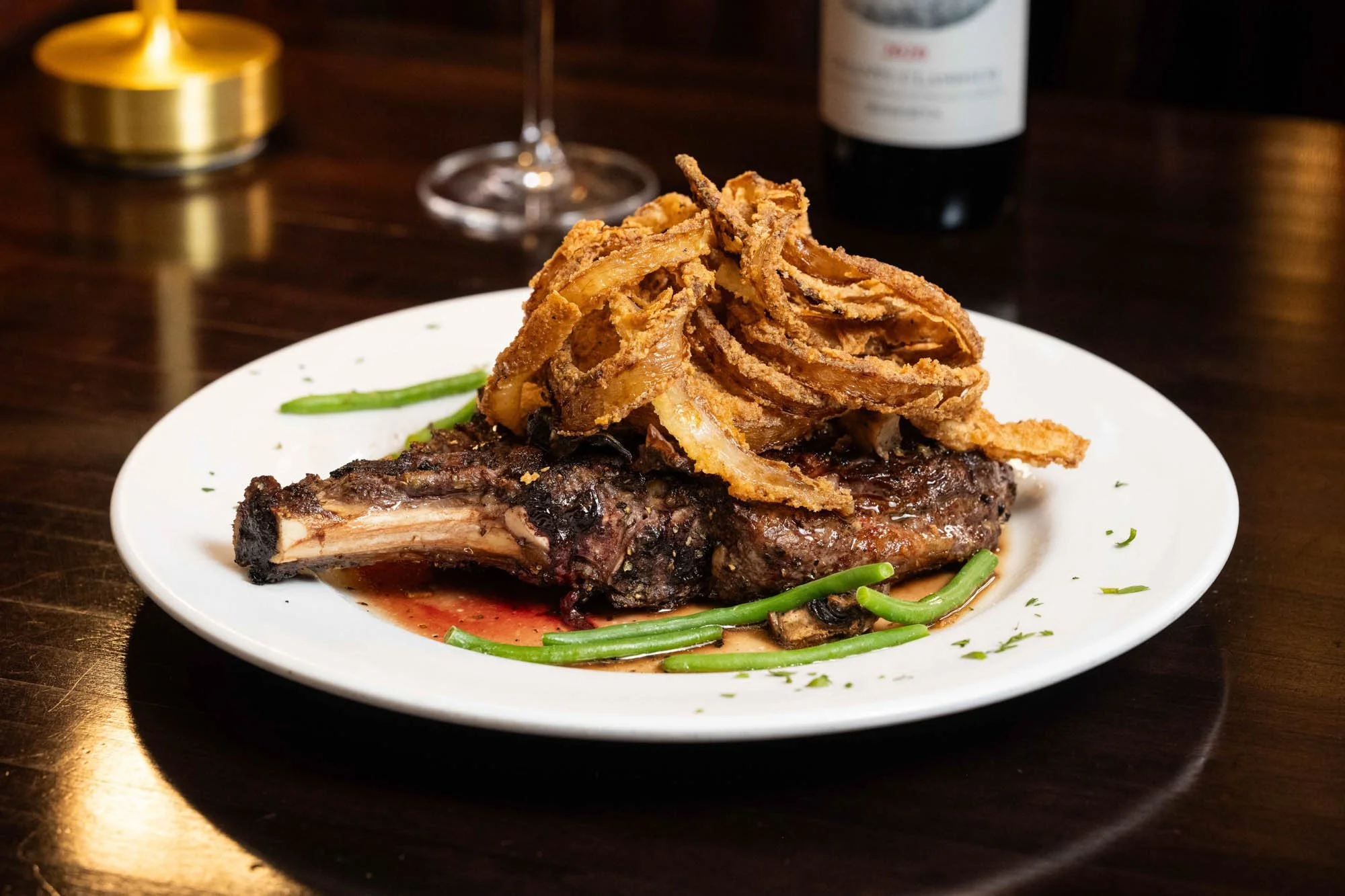
Fayetteville North Carolina Food Scene
The food scene in Fayetteville, North Carolina, reflects the city’s history, military identity, Southern roots, cultural diversity, and steady growth. Located in southeastern North Carolina near Fort Liberty, Fayetteville is a city where local tradition meets global influence. Its restaurants serve longtime residents, military families, college students, travelers, workers, and visitors passing through the Cape Fear region. Because of that mix, Fayetteville’s dining scene is broader and more interesting than many people expect.
Fayetteville is not a city defined by one type of food. It has classic Southern cooking, barbecue, soul food, seafood, international restaurants, food trucks, bakeries, breakfast spots, sports bars, coffee shops, and casual family-owned places that keep people coming back. The city’s connection to Fort Liberty has brought people from across the United States and around the world, helping shape a dining culture that includes American comfort food alongside Korean, Vietnamese, Thai, Mexican, Caribbean, Mediterranean, African, German, Filipino, Japanese, and Latin American flavors.
Food in Fayetteville often feels personal. Many restaurants are tied to families, military veterans, immigrant entrepreneurs, church communities, neighborhood traditions, or longtime local customers. Some places are simple and casual, built around generous plates and dependable flavor. Others are modern, stylish, and creative, showing how the city continues to evolve. Together, they create a food scene that is welcoming, practical, flavorful, and deeply connected to the people who live there.
Southern Cooking And Local Comfort
Southern cooking is one of the strongest foundations of Fayetteville’s food identity. The city sits in a region where comfort food is not just a menu category. It is part of family life, church gatherings, Sunday dinners, holiday meals, and local culture. Fried chicken, collard greens, macaroni and cheese, cornbread, black-eyed peas, fried pork chops, chicken and dumplings, cabbage, yams, okra, biscuits, gravy, and sweet tea all fit naturally into the city’s dining scene.
Many Fayetteville restaurants serve food that feels homemade. The appeal is not always fancy presentation. It is seasoning, warmth, portion size, and familiarity. A plate of smothered chicken with rice, greens, and cornbread can say more about the city’s personality than a trendy dish ever could. Southern food in Fayetteville is tied to comfort, hospitality, and memory.
Soul food also has a major place in the local food culture. These restaurants often serve dishes rooted in Black Southern traditions, including fried catfish, oxtails, turkey wings, dressing, cabbage, candied yams, cornbread, and peach cobbler. For many diners, these meals are more than food. They represent family recipes, cultural pride, and generations of resilience.
Fayetteville’s Southern cooking scene works because it is built around food that satisfies. Whether someone is a local resident, a soldier far from home, or a traveler passing through, a good Southern plate can feel grounding and familiar.
Barbecue in the Cape Fear Region
North Carolina barbecue is one of the state’s most famous food traditions, and Fayetteville has a place in that larger story. Barbecue in this region often reflects eastern North Carolina influence, where pork is central and vinegar-based sauce plays a major role. Chopped pork, pulled pork, ribs, smoked chicken, slaw, hush puppies, Brunswick stew, baked beans, potato salad, and cornbread are common favorites.
Barbecue in Fayetteville is not just about the meat. It is about the full plate. The smoky flavor, tangy sauce, crisp slaw, soft bread, and hearty sides all work together. A good barbecue meal feels casual, generous, and rooted in place.
Because Fayetteville serves such a diverse population, barbecue in the city can also reflect broader styles. Some places may lean toward eastern North Carolina traditions, while others may offer ribs, brisket, smoked wings, sausage, or sauces influenced by different barbecue regions. This variety gives diners options while still keeping North Carolina pork barbecue close to the center of the local identity.
Barbecue restaurants are especially popular for family meals, military gatherings, office lunches, and weekend eating. They represent one of the easiest ways to taste local North Carolina flavor.
The Military Influence on Fayetteville Dining
Fort Liberty has had a major impact on Fayetteville’s food scene. Because military families come from all over the country and the world, the city has developed a dining culture that reflects many backgrounds. Soldiers, veterans, spouses, contractors, and families bring their own tastes and traditions, creating demand for a wide range of restaurants.
This military influence helps explain why Fayetteville has such a strong international dining presence for a city of its size. People stationed at Fort Liberty may have lived in other states or countries, and they often look for familiar foods from places they have been. At the same time, international families connected to the military bring recipes, businesses, and cultural traditions into the city.
The result is a food scene where a person can find a Southern breakfast in the morning, Korean barbecue for lunch, Mexican food for dinner, and Caribbean food the next day. That variety reflects the movement of people through Fayetteville.
Military culture also shapes restaurant habits. Many places are casual, practical, affordable, and group-friendly. Restaurants often serve large portions and offer takeout because military families and workers live busy lives. Diners want food that is satisfying, dependable, and easy to share.
International Flavor Across the City
Fayetteville’s international food scene is one of its strongest features. The city offers flavors from many parts of the world, often through family-owned restaurants and small businesses. These places make the city feel more global and more connected than people might expect from a midsized Southern city.
Korean food has a notable presence, influenced in part by military connections and international families. Diners can find dishes such as bulgogi, kimchi, bibimbap, japchae, Korean fried chicken, stews, and barbecue-style meals. Korean restaurants add bold flavor, spice, fermentation, and variety to the city’s dining landscape.
Vietnamese and Thai restaurants bring soups, noodles, curries, rice dishes, spring rolls, stir-fries, and fresh herbs. Pho, pad Thai, drunken noodles, curry, and banh mi are the kinds of dishes that offer comfort while also adding brightness and complexity.
Mexican and Latin American food are also essential. Tacos, burritos, fajitas, enchiladas, pupusas, tamales, tortas, rice, beans, grilled meats, fresh salsa, and seafood dishes are part of everyday dining in Fayetteville. These restaurants often become reliable neighborhood favorites because they are flavorful, filling, and family-friendly.
Caribbean, African, Mediterranean, Filipino, Japanese, German, and Middle Eastern restaurants further expand the city’s flavor. This variety is one of the reasons Fayetteville’s food scene feels energetic and personal.
Downtown Fayetteville And Dining Growth
Downtown Fayetteville has become an important part of the city’s food culture. As the downtown area has continued to grow and revitalize, restaurants, cafes, bars, coffee shops, bakeries, and entertainment venues have helped bring more people into the historic center of the city.
Downtown dining gives Fayetteville a more walkable food experience. Visitors can enjoy dinner, walk to a bar, attend an event, visit a museum, or explore local shops within a compact area. This makes downtown one of the best places to experience the city beyond chain restaurants and highway corridors.
The historic buildings and streets add character to the dining experience. Eating downtown feels different from grabbing food near a shopping center. The atmosphere connects the meal to Fayetteville’s older civic and commercial identity.
Downtown restaurants often attract a mix of locals, visitors, military families, couples, and professionals. Some places focus on Southern flavor, while others bring modern American cooking, cocktails, brunch, seafood, international dishes, and casual comfort food. This mix helps downtown stay active during the day and in the evening.
Breakfast, Brunch, And Coffee Culture
Breakfast and brunch are important parts of Fayetteville’s food scene. The city has diners, cafes, bakeries, breakfast restaurants, and brunch spots serving everything from classic Southern plates to modern morning meals.
Traditional breakfast remains popular. Eggs, bacon, sausage, grits, biscuits, gravy, pancakes, waffles, French toast, omelets, hash browns, and coffee all have a strong place in local dining. These meals serve workers heading to early shifts, families starting the weekend, and travelers preparing for the day.
Brunch adds a more social side to the morning scene. Chicken and waffles, shrimp and grits, breakfast bowls, salmon dishes, mimosas, specialty pancakes, and creative egg dishes appeal to groups and couples who want a slower meal. Brunch has become part of how many cities express modern dining culture, and Fayetteville is no exception.
Coffee shops also matter. They serve students, remote workers, military spouses, professionals, and friends meeting for conversation. A good coffee shop can become a community hub, offering not only drinks but also pastries, sandwiches, quiet space, and local personality.
Seafood And Coastal Influence
Fayetteville is not directly on the coast, but it is still close enough to North Carolina’s coastal traditions to have a meaningful seafood presence. Fried fish, shrimp, oysters, crab, catfish, seafood boils, flounder, hush puppies, coleslaw, and tartar sauce are all part of the regional food experience.
Seafood in Fayetteville often appears in casual and Southern-style formats. Fried fish plates are popular because they are familiar, filling, and easy to enjoy with sides. Catfish, shrimp, and flounder are common favorites, especially when paired with fries, slaw, hush puppies, or greens.
Seafood boils have also grown in popularity, bringing together crab legs, shrimp, sausage, corn, potatoes, and bold seasonings. These meals are social and hands-on, making them ideal for groups and family gatherings.
The seafood scene adds variety to Fayetteville’s dining culture. It connects the city to the broader Carolina coastal region while still fitting the inland city’s casual, comfort-driven style.
Food Trucks And Casual Eats
Food trucks have become an important part of Fayetteville’s dining scene. They offer flexibility, creativity, and entrepreneurial energy. Food trucks can show up near events, breweries, neighborhoods, business areas, and community gatherings, bringing flavorful meals directly to people.
In Fayetteville, food trucks may serve tacos, barbecue, burgers, wings, seafood, soul food, desserts, Caribbean dishes, loaded fries, sandwiches, and fusion plates. They often focus on bold flavors and fast service, which makes them popular with busy workers, students, military families, and event crowds.
Food trucks also give small business owners a path into the food industry. Instead of opening a full restaurant immediately, a cook or family can start with a mobile kitchen and build a following. Some of the most exciting food in a city often comes from these smaller operations.
Casual eats are also central to Fayetteville’s food culture. Wings, burgers, pizza, subs, fried chicken, tacos, hot dogs, and sandwiches keep the city fed day to day. These foods are practical, affordable, and easy to enjoy with friends or family.
Bakeries, Desserts, And Sweet Traditions
Fayetteville has a sweet side as well. Bakeries, donut shops, cake businesses, dessert cafes, ice cream shops, and specialty sweet spots all help shape the local food scene. These places serve birthdays, weddings, graduations, military homecomings, church events, holidays, and everyday cravings.
Southern dessert traditions are especially important. Peach cobbler, banana pudding, pound cake, sweet potato pie, pecan pie, red velvet cake, and bread pudding all fit naturally into Fayetteville’s food culture. These desserts are rich, comforting, and often tied to family memories.
International bakeries and dessert shops add even more variety. Mexican pastries, Asian sweets, European-style cakes, Caribbean desserts, and custom celebration cakes all reflect the city’s diversity.
Donut shops and coffee spots also play a role in daily life. A box of donuts for work, a pastry with coffee, or a cake for a family event can become part of the rhythm of the city.
Sports Bars, Wings, And Nightlife Food
Fayetteville’s food scene includes a strong casual nightlife side. Sports bars, wing spots, grills, taverns, and late-night restaurants serve people looking for food, drinks, music, games, and social atmosphere.
Wings are especially popular. Lemon pepper, buffalo, barbecue, garlic parmesan, honey hot, teriyaki, and dry-rubbed wings appear on menus across the city. Wings work well because they are shareable, casual, and connected to sports culture.
Sports bars serve military groups, locals, college students, and visitors who want a relaxed place to watch games or hang out. Menus often include burgers, nachos, fried appetizers, sandwiches, fries, tacos, and chicken plates.
Nightlife food gives the city a different energy after dark. It is less about formal dining and more about social connection. In a city with a large military population and busy work schedules, casual gathering spaces are important.
Family-Owned Restaurants And Local Loyalty
Family-owned restaurants are one of the most valuable parts of Fayetteville’s food scene. These businesses often rely on recipes, relationships, consistency, and word of mouth. They become part of the community because customers return again and again.
A family-owned restaurant may serve Southern food, Mexican dishes, barbecue, Korean meals, seafood, breakfast plates, or baked goods. What connects them is the personal effort behind the business. Owners often work long hours, remember customers, train relatives, and build menus around experience and pride.
Local loyalty matters in Fayetteville. Residents often support places that feel familiar and genuine. Military families may move in and out, but they often leave with favorite restaurants they remember years later. Longtime residents may have places they have visited for decades.
These local restaurants give Fayetteville character. They keep the food scene from feeling generic and help preserve the city’s personal touch.
The Role of Farmers Markets And Local Ingredients
Fayetteville’s connection to the wider Cape Fear region gives it access to local produce, meats, seafood, honey, baked goods, and handmade food products. Farmers markets and local vendors help connect residents with the agricultural side of North Carolina.
Fresh vegetables, fruits, eggs, jams, sauces, baked goods, flowers, and seasonal items allow people to experience the region beyond restaurant dining. Local markets also support small farmers, artisans, and food entrepreneurs.
Seasonal eating matters in North Carolina. Summer brings tomatoes, peaches, corn, berries, squash, and melons. Fall brings apples, sweet potatoes, greens, and hearty flavors. These ingredients shape home cooking and restaurant menus.
Markets also serve as community gathering places. They allow people to meet growers, try local products, and support the regional economy.
Why Fayetteville’s Food Scene Stands Out
Fayetteville’s food scene stands out because it blends Southern tradition with global influence. Many cities have barbecue, fried chicken, and biscuits. Fayetteville has those, but it also has restaurants shaped by military families, immigrants, veterans, students, and travelers from around the world.
The city’s food culture is also practical and welcoming. It is not built only around luxury dining or trendy presentation. It is built around feeding people well. Generous portions, bold seasoning, casual service, and family-friendly environments are all part of the appeal.
Another strength is variety. A person can eat soul food one day, Korean food the next, seafood after that, barbecue on the weekend, and brunch downtown on Sunday. That range makes Fayetteville more interesting than outsiders may expect.
Most importantly, the food scene reflects the city’s people. Fayetteville is military, Southern, diverse, hardworking, and constantly changing. Its restaurants show all of that.
The Future of Food in Fayetteville
The future of Fayetteville’s food scene looks promising. As the city continues to grow, more restaurants, cafes, food trucks, bakeries, and international dining options are likely to appear. Downtown revitalization, military connections, population growth, and regional development will continue shaping what and how people eat.
The strongest future for Fayetteville will involve supporting local and independent restaurants. Chain restaurants have a place, especially in a city with busy roads and family traffic, but locally owned places create identity. They make Fayetteville feel different from anywhere else.
There is also room for more chef-driven restaurants, farm-to-table cooking, modern Southern cuisine, craft coffee, dessert shops, and food-focused events. As residents become more interested in unique dining experiences, the city can continue expanding its culinary personality.
Fayetteville has the ingredients for a stronger food future: cultural diversity, military influence, Southern roots, local agriculture, and a growing audience of diners willing to explore.
A City With Flavor And Heart
The food scene in Fayetteville, North Carolina, is a reflection of the city itself. It is rooted in Southern tradition, shaped by military life, expanded by international communities, and strengthened by family-owned businesses. From barbecue and soul food to Korean dishes, tacos, seafood, brunch, coffee, desserts, and food trucks, Fayetteville offers a dining experience full of variety and character.
Food in Fayetteville is not only about what is on the plate. It is about community, memory, movement, and belonging. It is about soldiers finding a taste of home, families gathering after church, longtime residents supporting neighborhood restaurants, and newcomers discovering flavors they did not expect.
Fayetteville may not always receive the same culinary attention as larger North Carolina cities, but its food scene has its own strength. It is honest, flavorful, diverse, and welcoming. That combination makes the city worth exploring one meal at a time.
Discover more from City Towner
Subscribe to get the latest posts sent to your email.