
Rochester New York Food Scene
Rochester, New York, has a food scene that reflects the city’s history, neighborhoods, working-class roots, immigrant communities, college culture, cold-weather comfort food, and growing creative energy. Located in western New York along the Genesee River and near Lake Ontario, Rochester is a city with a strong local identity, and that identity shows up clearly on its plates. The food scene is not built around one single style. Instead, it blends old-school diners, neighborhood taverns, family-owned restaurants, bakeries, international kitchens, farm-to-table dining, craft beverages, late-night plates, and classic local specialties that residents defend with pride.
Rochester’s culinary personality is practical, flavorful, unpretentious, and deeply tied to community. It is a city where people appreciate a well-made sandwich, a hearty breakfast, a good plate of pasta, a plate loaded with comfort food, a fresh pastry, a casual neighborhood bar, and a special dinner downtown. While bigger cities may get more national attention, Rochester has a food culture that rewards people who explore. Its best meals are often found in longtime local institutions, small neighborhood spots, and family-run businesses that have built loyal followings over many years.
The city’s food scene is also shaped by its seasons. Winters are cold and snowy, which makes warm, filling food especially important. Summers bring farmers markets, festivals, outdoor dining, fresh produce, lake trips, and casual meals that take advantage of western New York’s agricultural strength. Rochester sits near the Finger Lakes, one of the state’s best wine regions, and that regional connection adds another layer to the city’s dining culture.
The Local Flavor of Rochester
Rochester’s food scene has a distinct local flavor because it grew out of the city’s history as an industrial, immigrant, and working-class community. For generations, the city was home to factory workers, tradespeople, students, small business owners, and families who wanted food that was satisfying, affordable, and familiar. That tradition still influences the way Rochester eats today.
The city has always valued food that feels generous. Portions are often hearty, flavors are direct, and many local favorites are designed to satisfy serious hunger. Rochester is not a place where food has to be overly fancy to be respected. A good plate of breakfast food, a hot sandwich, a well-seasoned burger, a slice of pizza, a fresh bagel, a plate of pasta, or a warm bowl of soup can hold just as much cultural importance as a polished restaurant meal.
At the same time, Rochester has grown into a more diverse and creative food city. Chefs, bakers, brewers, coffee roasters, and restaurant owners have expanded the local scene with global flavors, modern techniques, and thoughtful menus. The result is a city that can offer both nostalgic comfort and fresh creativity. Rochester’s food identity works because it does not try to abandon its roots. Instead, it builds on them.
The Garbage Plate and Rochester’s Signature Dish
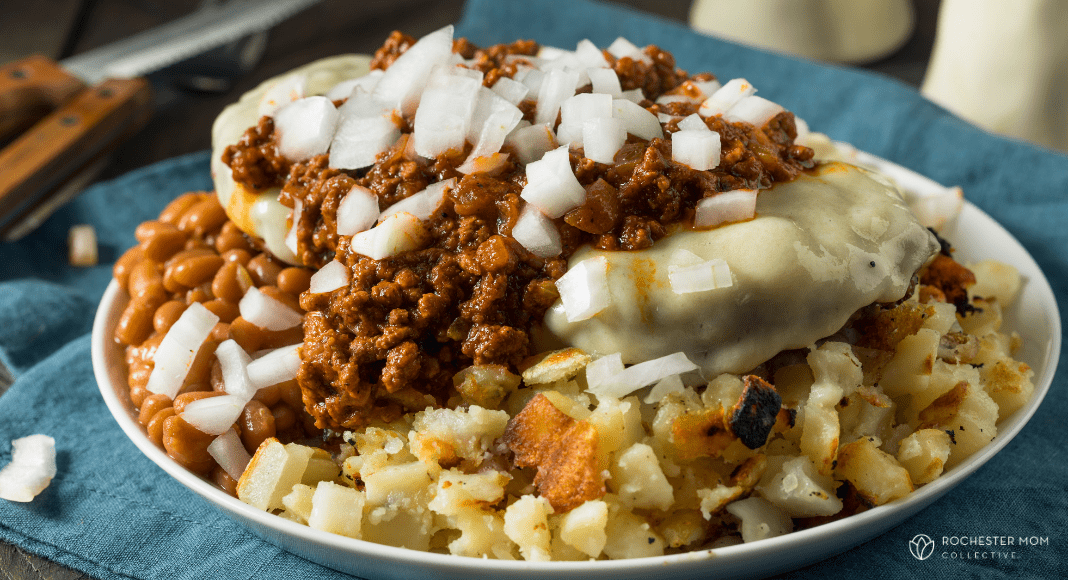
No discussion of Rochester food can avoid the Garbage Plate. It is the city’s most famous culinary creation and one of the most recognizable regional dishes in New York. The plate is usually built from a combination of meat, home fries, macaroni salad, baked beans, or other sides, then topped with onions, mustard, and a meat-based hot sauce. It is messy, filling, bold, and unmistakably Rochester.
The Garbage Plate is more than just a meal. It is a cultural symbol. For many residents, it represents late nights, college memories, local pride, and the city’s no-nonsense approach to food. It is not meant to be delicate or polished. It is meant to be satisfying, memorable, and excessive in the best way. Visitors often try it because they have heard about it, while locals may have strong opinions about where to get the best version.
The dish also shows Rochester’s working-class roots. It combines affordable ingredients into a meal that can feed a hungry person completely. It belongs to a tradition of American comfort food where flavor, quantity, and satisfaction matter most. While some outsiders may see it as unusual, Rochester treats it as part of the city’s identity.
The Garbage Plate has also inspired variations across the area. Some places use cheeseburgers, hot dogs, chicken, pulled pork, vegetarian options, or different sauces. The core idea remains the same: a loaded plate that brings together multiple comfort foods into one unforgettable dish.
Diners, Breakfast Spots, and Casual Comfort Food
Rochester is a strong breakfast city. Diners and casual breakfast restaurants play a major role in local food culture. These places often serve pancakes, eggs, omelets, home fries, breakfast sandwiches, French toast, corned beef hash, sausage, bacon, coffee, and classic morning plates that keep people coming back. They are the kind of restaurants where regulars know the staff, coffee gets refilled without asking, and the menu feels familiar in the best possible way.
Breakfast culture fits Rochester well because the city values neighborhood gathering places. A good diner can serve as a social center where people start their day, meet friends, talk local sports, discuss work, or enjoy a quiet meal before heading out. The food may not always be complicated, but it is often comforting and dependable.
Casual comfort food extends beyond breakfast. Rochester has plenty of places serving burgers, sandwiches, soups, wings, fries, hot dogs, subs, wraps, and plates built for cold weather and big appetites. This side of the food scene is connected to the city’s practical personality. People in Rochester appreciate food that delivers flavor without attitude.
Pizza, Wings, and Western New York Favorites
Rochester has a strong pizza and wings culture, influenced by its location in western New York. While Buffalo may be more famous for wings, Rochester has its own loyal wing fans and plenty of local spots that serve them. Chicken wings are a staple for game days, casual dinners, parties, bars, and takeout nights. They are often served with classic sauces, blue cheese, celery, and plenty of napkins.
Pizza is just as important. Rochester’s pizza scene includes neighborhood pizzerias, old-school slice shops, delivery favorites, thick crust styles, thin crust options, specialty pies, and creative toppings. For many residents, pizza is part of family routines, weekend nights, school events, and local traditions. Every neighborhood seems to have its favorite place, and locals often defend their go-to spot with real passion.
Western New York’s food culture is built around casual meals that bring people together. Pizza and wings are a big part of that. They are not only restaurant foods. They are social foods. They show up at birthdays, sports watch parties, office lunches, college gatherings, and family nights at home.
Italian Food and Rochester’s Immigrant Heritage
Italian food has a strong presence in Rochester, reflecting the influence of Italian immigrants and Italian American families who helped shape the city’s neighborhoods and restaurant culture. Pasta, red sauce, meatballs, sausage, chicken Parmesan, eggplant Parmesan, wedding soup, fresh bread, cannoli, and family-style meals are all part of Rochester’s culinary landscape.
Many Italian restaurants in the area have a warm, traditional feel. They are often places where families gather for birthdays, anniversaries, Sunday dinners, and special occasions. The menus may feature familiar dishes that have been loved for generations, and the atmosphere often emphasizes hospitality, comfort, and abundance.
Italian bakeries are also an important part of the food scene. Fresh bread, cookies, pastries, cakes, and holiday sweets connect Rochester residents to traditions that continue across generations. For many families, a box of cookies or a loaf of good bread from a local bakery carries memories of childhood, grandparents, church gatherings, and family celebrations.
Rochester’s Italian food scene shows how immigrant communities helped make the city more flavorful. It also shows how food traditions survive by becoming part of everyday life.
Polish, German, Irish, and Eastern European Influences
Rochester’s older immigrant communities left a lasting mark on the city’s food culture. Polish, German, Irish, and Eastern European influences can be seen in local markets, church festivals, family kitchens, bakeries, and traditional restaurants. Foods such as pierogi, kielbasa, cabbage rolls, rye bread, potato dishes, sausages, stews, and baked goods have long been part of the region’s comfort food tradition.
These foods reflect the city’s working-class past. They are hearty, practical, and built for people who worked hard and needed meals that could sustain them. Many of these dishes are associated with family gatherings, holidays, church events, and neighborhood traditions. They carry a sense of memory as much as flavor.
Rochester’s food scene still benefits from these influences because they add depth and variety to the city’s local identity. While some traditions are most visible during festivals or holidays, they remain part of the larger culinary foundation. They remind visitors that Rochester was built by many communities, each bringing its own foodways and customs.
International Food Across the City
Modern Rochester has a diverse international dining scene that reflects the city’s changing population and global connections. Visitors can find restaurants serving Mexican, Puerto Rican, Dominican, Jamaican, Ethiopian, Thai, Vietnamese, Chinese, Indian, Middle Eastern, Mediterranean, Korean, Japanese, and many other cuisines. These restaurants add color, spice, and variety to the city’s food culture.
International food in Rochester is often found in small, family-run restaurants where recipes are connected to heritage and home cooking. These places may not always be flashy, but they often offer some of the most memorable meals in the city. A simple storefront can hold flavors that represent generations of tradition.
The growth of international dining has made Rochester more exciting for food lovers. It gives residents access to dishes beyond the standard American comfort food the city is known for. It also reflects the fact that Rochester continues to welcome new communities, students, workers, and families from different backgrounds.
This diversity has helped the city’s food scene become more layered. Rochester can still be proud of its Garbage Plate and diner culture while also celebrating pho, curry, jerk chicken, tacos, empanadas, shawarma, sushi, injera, dumplings, and other global dishes.
Farm-to-Table Dining and Regional Agriculture
Rochester benefits from its location in a region with strong agricultural resources. Western New York and the nearby Finger Lakes area provide access to farms, orchards, dairies, vineyards, and seasonal produce. This has helped support a farm-to-table movement in the city, where chefs use local ingredients to create fresh and thoughtful dishes.
Seasonal menus are an important part of this side of the food scene. In warmer months, restaurants can highlight tomatoes, corn, greens, berries, stone fruit, herbs, and other local produce. In colder months, menus may shift toward root vegetables, squash, braised meats, soups, stews, and heartier dishes. This seasonal rhythm gives Rochester dining a strong sense of place.
Farmers markets also play a major role in connecting residents to local food. They give people access to fresh produce, baked goods, meats, cheeses, flowers, honey, prepared foods, and specialty items. Markets are not just places to shop. They are social spaces where people meet growers, support local businesses, and experience the region’s agricultural abundance.
The farm-to-table movement in Rochester adds refinement to the city’s food identity without making it feel disconnected from local life. It fits naturally because the city has always been tied to the land around it.
The Public Market and Food Community
The Rochester Public Market is one of the city’s most important food institutions. It has long served as a gathering place for vendors, farmers, shoppers, cooks, and families. The market reflects the city’s diversity, affordability, and strong connection to local food. It is a place where people can buy fresh produce, meats, seafood, spices, baked goods, flowers, coffee, prepared foods, and specialty items.
The market is also one of the best places to understand Rochester’s food culture. It brings together people from different neighborhoods, backgrounds, and income levels. Shoppers can find everyday groceries, seasonal ingredients, international products, and quick meals all in one place. The energy is lively, especially during busy market days when vendors call out prices, customers fill bags, and the smell of food fills the air.
For restaurants and home cooks alike, the market is a source of inspiration. It encourages people to cook seasonally, try new ingredients, and support regional producers. It also shows that Rochester’s food scene is not limited to restaurants. Some of its strongest food traditions live in markets, home kitchens, bakeries, food trucks, and neighborhood gatherings.
Coffee, Bakeries, and Sweet Traditions
Rochester has a growing coffee scene supported by local cafes, roasters, bakeries, and neighborhood gathering spots. Coffee shops serve many roles in the city. They are places for students to study, remote workers to settle in, friends to meet, artists to gather, and people to slow down during cold mornings. A good cafe can become part of a daily routine, especially in a city where winter makes warm drinks feel essential.
Bakeries are just as important. Rochester’s sweet traditions include doughnuts, cookies, pies, pastries, cakes, breads, and seasonal desserts. Some bakeries focus on old-school recipes, while others bring modern creativity or international influence. Whether someone wants Italian cookies, fresh bread, cupcakes, croissants, bagels, or a simple breakfast pastry, Rochester has plenty to offer.
Dessert culture in Rochester is tied to both nostalgia and celebration. Bakeries supply birthdays, holidays, weddings, office parties, and family gatherings. They are part of the city’s emotional food landscape. Many residents have a favorite bakery connected to childhood memories or family traditions.
Craft Beer, Cider, Wine, and Local Drinks
Rochester has become a strong craft beverage city. Breweries, cideries, distilleries, wine bars, and cocktail spots have added new life to the dining and nightlife scene. Craft beer fits Rochester’s personality well because it blends local pride, casual gathering, creativity, and community. Breweries often serve as neighborhood hangouts where people meet friends, watch games, listen to live music, and enjoy food trucks or small menus.
The city’s location near the Finger Lakes also strengthens its wine culture. The Finger Lakes region is especially known for cool-climate wines, and Rochester benefits from being close enough for restaurants and wine shops to feature regional bottles. This gives the city a strong connection to one of New York’s most important wine regions.
Cider is another natural fit because western New York has access to apple orchards and agricultural traditions. Local cideries connect Rochester’s drink scene to the farms and fruit-growing culture around it.
Cocktail bars and modern restaurants have also expanded the city’s beverage options. Many places now focus on house-made syrups, fresh ingredients, seasonal drinks, classic cocktails, and creative presentations. This adds sophistication to Rochester’s nightlife while still keeping the city’s casual spirit.
Fine Dining and Modern Restaurants
While Rochester is known for casual comfort food, it also has a strong fine dining and modern restaurant scene. Chefs across the city have developed menus that highlight local ingredients, global techniques, creative plating, and thoughtful flavor combinations. These restaurants give Rochester residents places to celebrate special occasions, enjoy date nights, host business dinners, or experience something beyond everyday dining.
Modern Rochester restaurants often balance polish with warmth. The best places do not feel overly stiff. They reflect the city’s personality by offering serious food without losing approachability. Menus may feature seafood, steak, handmade pasta, seasonal vegetables, small plates, tasting menus, wood-fired dishes, creative desserts, and carefully chosen wines.
The city’s higher education, medical, arts, and technology communities also support this part of the food scene. Rochester has diners who appreciate quality, creativity, and service. As the city continues to grow and reinvent itself, its modern restaurant scene has become one of the clearest signs of that evolution.
College Culture and Late-Night Eating
Rochester’s colleges and universities help shape its food scene, especially when it comes to affordable meals, casual restaurants, cafes, takeout, and late-night food. Students bring energy and demand for quick, flavorful, budget-friendly options. They support pizza shops, diners, coffeehouses, food trucks, sandwich places, Asian restaurants, Mexican spots, and late-night comfort food.
Late-night eating is part of Rochester’s personality, especially because of the Garbage Plate. For many students and younger residents, the city’s most famous dish is connected to nights out, concerts, parties, study sessions, and post-bar meals. It is food designed for hunger, not formality.
College culture also encourages variety. Students often look for international flavors, vegetarian options, vegan meals, bubble tea, quick lunches, and affordable takeout. This helps keep the food scene flexible and responsive to changing tastes.
Neighborhood Dining
One of the best ways to explore Rochester’s food scene is by paying attention to its neighborhoods. Each area has its own rhythm, personality, and dining strengths. Some neighborhoods are known for nightlife and restaurants. Others are quieter and more residential, with small cafes, bakeries, taverns, or family-owned spots tucked into local streets.
Neighborhood dining gives Rochester much of its charm. Instead of depending only on big commercial districts, the city has food spread across different communities. A visitor might find a great breakfast spot in one area, a beloved pizzeria in another, an international restaurant on a busy corridor, and a polished dinner spot near downtown.
This neighborhood structure makes Rochester feel like a city of local favorites. People often have strong personal attachments to the restaurants closest to their homes, schools, workplaces, or family memories. Food in Rochester is not just about what tastes good. It is also about where people gather and what places become part of their routines.
Food Festivals and Seasonal Eating
Rochester’s food culture comes alive during festivals and seasonal events. Warm weather brings outdoor dining, food trucks, farmers markets, patio seating, neighborhood festivals, and events that celebrate the city’s diversity. Seasonal eating is especially important in western New York because residents appreciate the months when the weather invites people outside.
Festivals often showcase both traditional and modern food. Visitors may find barbecue, fried foods, ethnic dishes, desserts, local beer, fresh produce, and street food. These events give small businesses and vendors a chance to reach new customers, while residents get to experience the city in a more festive way.
Seasonal foods also matter in Rochester. Apples, grapes, berries, corn, tomatoes, pumpkins, and other regional products appear throughout the year. Fall is especially rich because of nearby orchards, cider, baked goods, harvest festivals, and Finger Lakes wine country. Winter brings a return to soups, stews, pasta, roasted meats, hot coffee, and comfort food.
Why Rochester’s Food Scene Stands Out
Rochester’s food scene stands out because it feels authentic. It is not trying to copy another city. It has its own local language, its own favorite dishes, its own neighborhood traditions, and its own blend of comfort and creativity. The city embraces hearty meals, but it also makes room for refined dining, international flavors, local farming, craft beverages, and modern food trends.
The Garbage Plate may be the most famous symbol, but it is only one part of the story. Rochester is also a city of Italian bakeries, neighborhood diners, public market shopping, winter comfort food, creative chefs, strong coffee, craft beer, family-owned restaurants, and global kitchens. Its food scene reflects the people who built the city and the people who continue to shape it.
For visitors, Rochester offers a dining experience that feels local and memorable. It is a place where you can eat something iconic, discover something unexpected, and understand the city better through its food. For residents, the food scene is part of daily life, community pride, and shared memory.
A City With Flavor, Comfort, and Character
The food scene of Rochester, New York, is a reflection of the city itself. It is hardworking, diverse, welcoming, creative, and full of character. It honors tradition while continuing to evolve. From a loaded Garbage Plate to a refined seasonal dinner, from a busy public market to a quiet bakery, from pizza and wings to international cuisine, Rochester offers a food culture with depth and personality.
What makes Rochester special is the way food connects people to place. The city’s meals tell stories about immigration, industry, family, college life, agriculture, cold winters, neighborhood loyalty, and local pride. Rochester may not always be the first city people think of when discussing great food destinations, but those who take the time to explore it often find a scene that is richer than expected.
Rochester’s food is not just about eating. It is about belonging. It is about returning to favorite places, defending local classics, sharing meals through long winters, supporting small businesses, and celebrating the flavors that make western New York unique. In every diner booth, bakery box, market stall, brewery table, and neighborhood restaurant, Rochester’s food scene continues to tell the story of a city with heart.
Discover more from City Towner
Subscribe to get the latest posts sent to your email.