
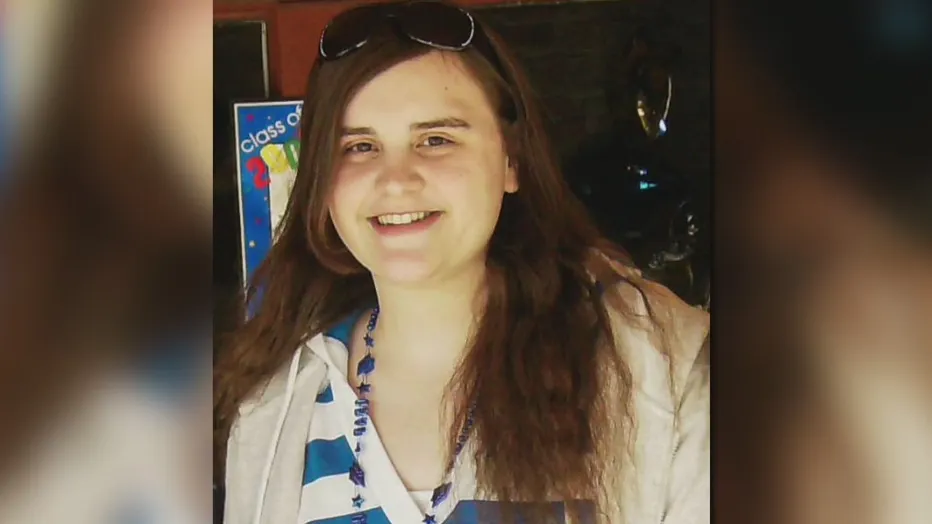
Ashleigh Love Killed While Asleep at Home in Milwaukee Wisconsin
The murder of Ashleigh Anne Love remains one of Milwaukee, Wisconsin’s most heartbreaking unsolved cases. Ashleigh was only 19 years old when her life was violently taken in the early morning hours of October 6, 2009. She was inside her family’s home near North 64th Street and West Hampton Avenue in Milwaukee when an intruder entered the house, went upstairs to her bedroom, and shot her while she slept.
The case has haunted her family, friends, and the Milwaukee community for years because of how personal and deliberate the crime appeared to be. This was not a random public attack. It did not happen during a street confrontation, a known argument, or a robbery that spiraled out of control. Ashleigh was at home, in bed, in a place where she should have been safest. The person who entered that house did not take valuables or appear to be there for property. The killer went directly to the area where Ashleigh was sleeping and ended her life.
More than a decade later, the murder of Ashleigh Anne Love remains unsolved. Her family has continued to seek answers, hoping that someone who knows the truth will finally speak. For those who remember Ashleigh, the case is not just about a cold file or an unanswered investigation. It is about a young woman whose future was stolen, a family left with unbearable grief, and a community still waiting for justice.
Who Was Ashleigh Anne Love?
Ashleigh Anne Love was a young woman from Milwaukee, Wisconsin, with her life still ahead of her. At 19, she was in the early years of adulthood, a time when many people are still discovering who they are, what they want, and where life may take them. She worked, spent time with her family, had friendships, and was remembered by loved ones as someone whose presence mattered deeply.
Ashleigh was the daughter of Tammy and Joe Love. She was also a sister and a friend. Her family has described her with love and pain, remembering not only the way she died but the way she lived. In cases like this, the violence can sometimes overshadow the person. But Ashleigh was not defined by the final moments of her life. She was a real person with a personality, relationships, routines, hopes, and dreams.
Before her murder, Ashleigh was living what appeared to be an ordinary life. She worked at Arby’s and returned home after a shift on October 5, 2009. That evening, she reportedly spent time with her family, watched a Green Bay Packers game, took a shower, and went to bed. Nothing about that routine suggested that danger was closing in. It was a normal night in a family home until it became the night before a tragedy.
The Night Before the Shooting
On October 5, 2009, Ashleigh finished her work shift and returned to her family’s home in Milwaukee. It was a Monday night, and the Green Bay Packers were playing, a familiar part of Wisconsin culture and family life for many households. Ashleigh reportedly watched the game with her family before heading upstairs for the night.
That detail is painful because it captures the normalcy of the hours before her death. There was no public warning, no obvious sign that someone was preparing to enter the home and harm her. She was not out late in an unfamiliar place. She was not walking alone at night. She was not separated from the people who loved her. She was home.
After the game and the evening routine, Ashleigh went to bed in her second-floor bedroom. Her family was also inside the home. In most people’s minds, that setting should have offered safety. A bedroom in a family house is supposed to be a private and protected place. But sometime in the early morning hours, that safety was shattered.
The Attack on October 6, 2009
In the early morning hours of October 6, 2009, an intruder entered the Love family home near North 64th Street and West Hampton Avenue in Milwaukee. The person had a shotgun and made their way through the house. Investigators believe the intruder went upstairs to Ashleigh’s bedroom, where she was asleep.
Ashleigh was shot while lying in bed. The attack was sudden, brutal, and devastating. Her mother reportedly woke after hearing the gunshot and encountered or saw the intruder inside or leaving the home. The person was described as wearing a bandanna over part of the face and carrying a shotgun.
The killer then fled the home. The crime left behind a family in shock and horror. One moment, Ashleigh was asleep in her bedroom. The next, her family was facing an unimaginable act of violence inside their own home. Emergency responders and police became involved, but Ashleigh could not be saved.
The method of the attack has always made the case especially disturbing. The killer did not appear to wander aimlessly through the house looking for valuables. The shooting appeared focused on Ashleigh. That has led investigators and loved ones to question whether she was specifically targeted and, if so, why.
Where It Happened in Milwaukee
The murder happened inside Ashleigh Anne Love’s family home near North 64th Street and West Hampton Avenue in Milwaukee, Wisconsin. This location matters because it places the crime in a residential setting, not a remote area or a public place where a violent encounter might have started by chance.
Milwaukee is Wisconsin’s largest city, with neighborhoods that range from busy commercial corridors to quiet residential streets. The area near North 64th Street and West Hampton Avenue is part of the city’s northwest side, a place where families lived their daily lives, went to work, watched sports, raised children, and expected their homes to be safe.
The fact that someone entered a family home in the middle of the night made the crime deeply unsettling. It raised immediate questions about whether the killer knew the house, knew Ashleigh, or had been watching the family’s routine. If the person had no connection to Ashleigh, the attack becomes even more frightening because it would suggest a stranger chose her at random. But because nothing was reportedly stolen and the intruder went to Ashleigh’s room, many have questioned whether there was a personal motive.
Why the Case Appeared Targeted
One of the most important details in the murder of Ashleigh Anne Love is that nothing was reported stolen from the home. In many home invasion or burglary cases, an intruder enters a house looking for money, electronics, jewelry, or other valuables. Violence may happen when the intruder is confronted or panics. But Ashleigh’s case did not look like a normal burglary.
The killer entered the house armed with a shotgun and went to the second floor, where Ashleigh was sleeping. The person shot her and fled. That pattern has led to the belief that Ashleigh may have been the intended target.
If she was targeted, the motive remains unknown. Investigators and family members have considered many possibilities. Did someone hold a grudge against her? Did someone become obsessed with her? Did she reject someone? Did she know something or see something she was not supposed to? Was the crime connected to someone she met online or in person? These questions have continued for years because no clear answer has been publicly confirmed.
The lack of a known motive is one reason the case remains so painful. When a crime is clearly tied to robbery, domestic violence, gang activity, or a known dispute, investigators at least have a direction. In Ashleigh’s case, the violence seemed deliberate, but the reason behind it has remained hidden.
The Intruder Description
Ashleigh’s mother reportedly saw the intruder after the shooting. The person was described as a male with a bandanna covering part of his face. He was carrying a shotgun and fled from the home after the attack.
Some accounts have described the suspect as a young Hispanic male, possibly around 20 years old, with an average height and build, short dark spiked hair, and dark clothing. Because the person’s face was partially covered and the encounter happened during a terrifying moment in the middle of the night, the description has limits. Still, it remains one of the few pieces of information connected to the person who may have killed Ashleigh.
Investigators have also considered whether more than one person may have been involved. It is possible that one person entered the home while another waited outside, drove the getaway vehicle, or helped plan the crime. It is also possible that the killer acted alone. Without an arrest or public confession, those possibilities remain unresolved.
The description of the intruder is important because someone may recognize it. A person may remember someone who owned or had access to a shotgun, talked about Ashleigh, disappeared suddenly after the murder, acted strangely, or made suspicious comments. Cold cases are sometimes solved when small memories are shared years later.
The Family’s Search for Answers
Ashleigh’s family has spent years fighting to keep her name and case alive. For a family, the murder of a child is already a devastating wound. But when the killer is not caught, the pain becomes even more complicated. There is grief, anger, fear, confusion, and a constant need to know why.
Her mother, father, siblings, and loved ones have had to live with the knowledge that someone entered their home and killed Ashleigh while she slept. They have had to endure anniversaries, birthdays, holidays, and ordinary days without her. They have also had to continue asking the public for help, hoping someone will come forward with information.
The family’s advocacy has included media interviews, public appeals, podcasts, and efforts to raise awareness. A reward has been offered for information leading to an arrest or conviction. Billboards and true crime coverage have also helped bring renewed attention to the case.
For Ashleigh’s loved ones, justice is not only about punishment. It is about answers. It is about knowing who did this, why they did it, and whether anyone helped them. It is about being able to say that the person responsible was finally held accountable.
A Cold Case With Lingering Questions
The murder of Ashleigh Anne Love remains a cold case because no one has been publicly convicted of killing her. Investigators have reviewed leads, family members have spoken publicly, and advocates have continued sharing her story. Yet the central question remains unanswered.
Who entered the Love home in the early morning hours of October 6, 2009? How did that person get inside? Did they know the layout of the house? Did they know which room was Ashleigh’s? Did they act alone? Did someone tell them where to go? Was Ashleigh targeted because of something personal, or was there another motive that has never been revealed?
Another lingering question involves timing. The killer entered when the family was sleeping, suggesting some level of planning or awareness. The person may have known that the household would be quiet at that hour. The killer may also have known that Ashleigh would be home. That possibility makes the crime feel even more personal.
There are also questions about the weapon. A shotgun is not a small or subtle weapon. Someone may know who had access to one. Someone may remember a gun being hidden, sold, discarded, or discussed after the murder. Those details could still matter, even years later.
Why Public Attention Still Matters
Public attention is important in unsolved cases because time can change people. Someone who was afraid to speak in 2009 may feel differently now. Someone who was loyal to the killer years ago may no longer feel that loyalty. A relationship may have ended. A person may have grown older, developed a conscience, or realized that silence protected a murderer.
Cold cases can be solved long after the crime. Advances in technology, renewed media coverage, and fresh witness cooperation have helped bring justice in cases once thought impossible to solve. Even when physical evidence is limited, one credible tip can change everything.
Ashleigh’s case has remained in the public eye because her family and supporters have refused to let it disappear. Every article, podcast, billboard, and conversation keeps pressure on the case. It also reminds the person responsible, and anyone who may have helped, that the murder has not been forgotten.
The community plays a role in justice. Someone may have seen a person running from the area near North 64th Street and West Hampton Avenue. Someone may have heard a confession. Someone may remember a suspicious vehicle, a sudden change in behavior, or a person who seemed unusually interested in the case. Even if the information feels small, it could connect to a larger picture.
Remembering Ashleigh Beyond the Crime
It is important to remember Ashleigh Anne Love as more than a victim. She was a daughter, a sister, a friend, and a young woman with a future. She had people who loved her, people who still speak her name, and people who want the world to know that her life mattered.
True crime stories can sometimes focus heavily on the details of violence, but Ashleigh’s story should also be about the life that was taken. At 19, she should have had years to grow, change, make mistakes, build dreams, and become the person she wanted to be. Her family should have been able to watch that life unfold. Instead, they were left with memories and unanswered questions.
The cruelty of the crime lies not only in how she died, but in where she died. Ashleigh was at home. She was asleep. She had no chance to defend herself or escape. The killer took advantage of her vulnerability and left her family to carry the aftermath.
Remembering Ashleigh means refusing to let the case become just another unsolved headline. It means acknowledging the full weight of what was lost. It means recognizing that behind every cold case is a person who deserved more time and a family that deserves answers.
The Ongoing Need for Justice
The murder of Ashleigh Anne Love on October 6, 2009, in Milwaukee, Wisconsin, remains an open wound. Her killer has not been publicly brought to justice, and the case continues to raise painful questions. The evidence suggests that an intruder entered her family’s home near North 64th Street and West Hampton Avenue, went upstairs, and shot her while she slept. Nothing was taken, and the attack appeared focused on Ashleigh.
That fact has shaped the case from the beginning. It suggests that the person responsible may have known her, known of her, or had some reason to choose her. But until investigators can prove who committed the crime, the truth remains incomplete.
Ashleigh’s family has continued to push forward, not because time has made the pain easier, but because love does not allow them to forget. Their daughter and sister deserves justice. The Milwaukee community deserves answers. And the person responsible should not be allowed to hide forever behind silence.
The hope remains that someone will come forward. Maybe a witness has been afraid. Maybe someone has carried a secret for too long. Maybe a detail that once seemed meaningless will finally make sense. In cold cases, justice often depends on persistence, memory, and courage.
Ashleigh Anne Love was 19 years old when her life was stolen. She was killed in her own home, in her own bed, during the early morning hours of October 6, 2009. Her case remains unsolved, but her name has not been forgotten. Until the truth is known, the search for justice continues.
Discover more from City Towner
Subscribe to get the latest posts sent to your email.