
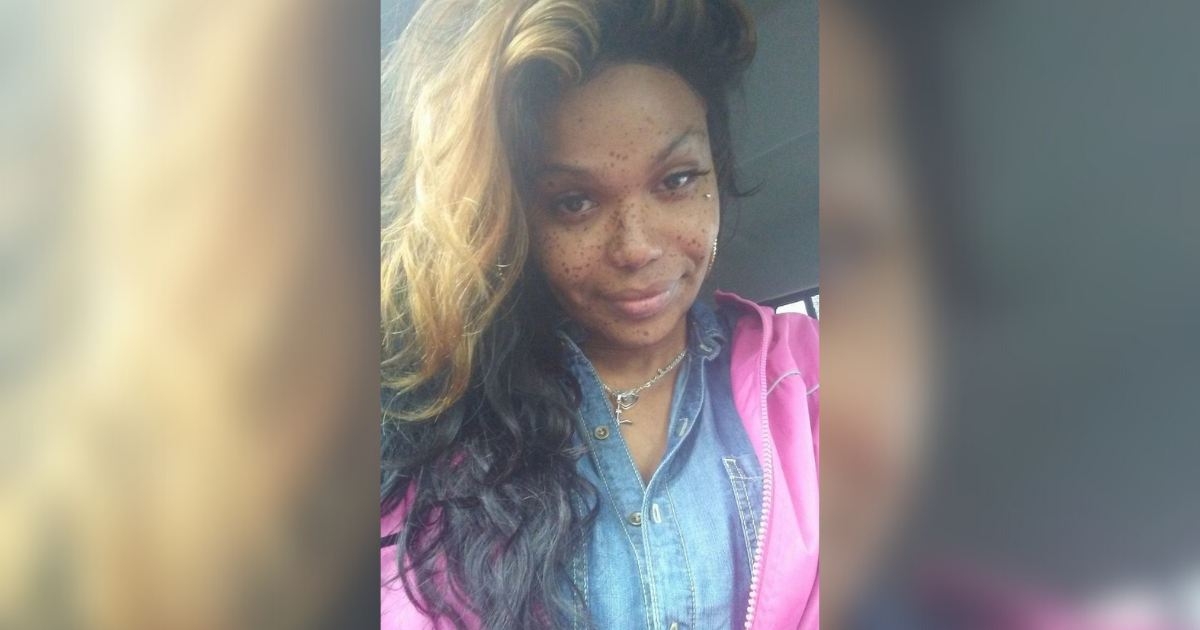
Tonya “Kita” Harvey Killed in Buffalo New York
Tonya “Kita” Harvey was a 35 year old Black transgender woman from Buffalo, New York, whose life and death became part of a larger conversation about violence, safety, dignity, and justice. She was known by many as Kita, a name that carried warmth, familiarity, and identity in the community that loved her. To her family, friends, and supporters, she was more than a victim. She was a daughter, a loved one, a performer, a believer, and a person who left a strong impression on those around her.
Tonya lived in Buffalo, a city with deep neighborhood ties and strong community memory. People who knew her described her as expressive, creative, and full of personality. She was connected to Buffalo’s LGBTQ+ community and was remembered as someone who inspired others, especially younger transgender women who saw in her a sense of courage and visibility.
Her life mattered before her death made headlines. She had dreams, relationships, talent, faith, and history. She was a person with a story that extended far beyond the terrible moment that took her life on February 6, 2018. Yet because her murder remains unsolved, her name continues to be tied to a painful question that has followed her family and community for years: who killed Tonya “Kita” Harvey?
The Day of the Shooting
On February 6, 2018, Tonya Harvey was shot and killed on Shepherd Street in Buffalo, New York. The shooting happened around 5:30 p.m., during a time of day when people are often coming home from work, walking through neighborhoods, running errands, or settling into their evening routines. It was not the middle of the night. It was not a time when the city would have been completely still. That makes the lack of answers even more painful.
Reports connected to the case say Tonya was shot multiple times. The attack was violent and direct. She was found wounded on Shepherd Street, and despite emergency response efforts, she did not survive. Her death became one of Buffalo’s unresolved homicides and one of the early known killings of a transgender person in the United States in 2018.
The location of the shooting became central to the investigation. Shepherd Street is part of the neighborhood landscape where Tonya’s life intersected with the public world. It was not an anonymous place to those who lived nearby. People in the area may have heard something, seen something, or known something about what happened that evening. But despite appeals from family, advocates, and authorities, the case has remained without a public conviction.
Who Tonya Harvey Was
Tonya “Kita” Harvey was remembered as a woman with presence. She was known in Buffalo’s LGBTQ+ community as a singer, performer, writer, and person of faith. Those details are important because they show the fullness of who she was. She was not simply someone who was killed. She was someone who created, expressed herself, worshiped, connected with others, and lived in a way that made people remember her.
For many transgender women, especially Black transgender women, visibility can carry both strength and danger. Being known in a community can create support, but it can also make someone vulnerable in a society where prejudice, misunderstanding, and violence remain very real. Tonya’s life reflected that difficult reality. She was visible, loved, and remembered, but she also lived in a world where transgender women often face heightened risks.
Her friends and loved ones saw her humanity clearly. They remembered her smile, her energy, her creativity, and her role in the community. Younger trans women reportedly looked up to her. In that way, she represented more than herself. She represented survival, confidence, and the right to live openly.
That is one reason her murder was felt so deeply. It was not only the loss of Tonya as an individual. It was also a reminder of the danger faced by people who are too often targeted, overlooked, or forgotten.
The Location on Shepherd Street
Shepherd Street in Buffalo became the scene of a tragedy on February 6, 2018. The street itself became part of Tonya’s story because it was where her life was taken and where investigators had to begin searching for answers. In homicide cases, the location can reveal important details about timing, opportunity, and possible witnesses.
A shooting on a public street raises several questions. Was Tonya followed? Did she know the person who shot her? Was there an argument before the gunfire? Was the attack planned, or did it happen suddenly? Did the killer flee on foot or in a vehicle? Were there people nearby who saw the person responsible but were afraid to speak?
These questions remain central to understanding what happened. Public street shootings often leave behind more than physical evidence. They leave behind sound, movement, fear, and memory. Someone may have heard the shots. Someone may have seen a person running. Someone may have noticed a vehicle leaving quickly. Someone may have heard talk in the neighborhood afterward.
Even years later, those details can matter.
The Possibility of Bias And Targeting
After Tonya’s murder, family members and advocates questioned whether she had been targeted because she was transgender. That concern was not without reason. Violence against transgender people, particularly Black transgender women, has long been a serious problem across the United States. Many cases involve victims who are misgendered, ignored, blamed, or reduced to stereotypes rather than treated with dignity.
Tonya’s death happened in that larger context. Her identity was part of how the public understood the case because transgender women face disproportionate violence. Whether or not investigators could prove a hate crime motive, the fear in the community was real. Many people saw her killing as part of a pattern that had already taken too many lives.
The possibility of bias adds another painful layer to the case. If Tonya was targeted because of who she was, then her murder was not only an act of violence against one person. It was an attack connected to prejudice and dehumanization. If the motive was something else, the case still remains a devastating homicide that took the life of a woman whose family and community deserved answers.
Either way, Tonya deserved safety. She deserved to walk through Buffalo without fear. She deserved a future.
A Family Searching For Justice
Tonya’s family has continued to carry the weight of her murder. For any family, losing a loved one to violence is unbearable. But losing someone and not knowing who was responsible creates a different kind of suffering. There is grief, anger, confusion, and the ongoing pain of unanswered questions.
Her mother and loved ones publicly called for justice. They wanted accountability. They wanted the person responsible to be identified. They wanted the community to understand that Tonya was not disposable, not forgotten, and not just another unsolved case.
Families in unsolved homicide cases often become advocates because they have no choice. They speak to the media, attend rallies, share memories, repeat the facts, and ask the public for help again and again. Each appeal requires emotional strength because it forces them to relive the loss. Still, they continue because silence feels like surrender.
Tonya’s family did not want her story to fade. They wanted people to say her name. They wanted someone with information to come forward. They wanted Buffalo to remember that Tonya “Kita” Harvey was a human being whose life had value.
The Community Response
Tonya’s murder drew attention from LGBTQ+ advocates, local residents, and supporters who understood the seriousness of her death. Rallies and public calls for justice reflected the fear and frustration felt by many in the community. Her killing was not seen as isolated from the broader violence faced by transgender people.
For the LGBTQ+ community in Buffalo, Tonya’s death was personal. She was known. She had relationships. She had been part of spaces where people gathered, performed, supported one another, and tried to live freely. Her murder sent a message of fear, but the response from the community sent another message: Tonya would not be erased.
Advocates also pushed for better protection, better awareness, and stronger public recognition of violence against transgender people. Too often, cases involving transgender victims receive less attention than they deserve. Sometimes victims are misidentified. Sometimes their stories are told only through the lens of tragedy. In Tonya’s case, supporters worked to make sure she was remembered as a full person.
The community response showed grief, but also resistance. It showed that people were not willing to let her death pass quietly.
Why the Case Remains Important
The murder of Tonya “Kita” Harvey remains important because it sits at the intersection of homicide, identity, community safety, and justice. It is a Buffalo cold case, but it is also part of a national pattern of violence against transgender women. Her death reminds people that unsolved murders do not simply disappear with time. They remain open wounds for families and communities.
Every unsolved homicide asks something of the public. It asks people to remember. It asks witnesses to reconsider what they know. It asks anyone with information to decide that truth matters more than fear, loyalty, or silence. Tonya’s case is no different.
Someone may know who killed her. Someone may know why she was targeted. Someone may have heard a confession, seen a gun, noticed suspicious behavior, or remembered a detail from that evening on Shepherd Street. Even if a person thinks their information is too small to matter, it could be the missing piece investigators need.
Cold cases are sometimes solved years later because one person finally talks. That possibility keeps hope alive.
The Weight of an Unsolved Murder
An unsolved murder creates a long shadow. For Tonya’s family, February 6, 2018, is not just a date. It is the day everything changed. It is the day a loved one was taken. It is the day questions began that still have not been fully answered.
For the community, her death is a reminder of vulnerability. It reminds people that violence can strike in familiar places. It reminds LGBTQ+ people, especially transgender women of color, that visibility can come with risk. It reminds the city that justice delayed is still justice needed.
The weight of the case is made heavier by the fact that Tonya’s life was filled with identity, expression, and connection. She was not a stranger to the people who loved her. She was Kita. She was remembered. She was valued. Her murder left a space that cannot be filled.
Remembering Tonya “Kita” Harvey
Tonya “Kita” Harvey was killed on February 6, 2018, in Buffalo, New York. She was 35 years old. She was a Black transgender woman, a performer, a singer, a writer, a Christian, and a person who mattered deeply to her loved ones and community. Her murder on Shepherd Street remains unsolved.
Remembering her means more than repeating the details of her death. It means honoring the life she lived before violence took her away. It means recognizing her humanity, her creativity, her faith, and the role she played in the lives of others. It means refusing to let her be reduced to a statistic.
Her story also calls attention to the need for justice for victims whose cases are too often overlooked. Tonya deserved to grow older. She deserved safety. She deserved respect in life and dignity in death. Her family deserves answers. Her community deserves accountability.
As long as her case remains unsolved, the call for justice continues. Someone knows what happened on Shepherd Street on February 6, 2018. Someone knows who took Tonya “Kita” Harvey’s life. The hope is that one day, that truth will come forward, and the people who loved her will finally receive the answers they have been waiting for.
Discover more from City Towner
Subscribe to get the latest posts sent to your email.