
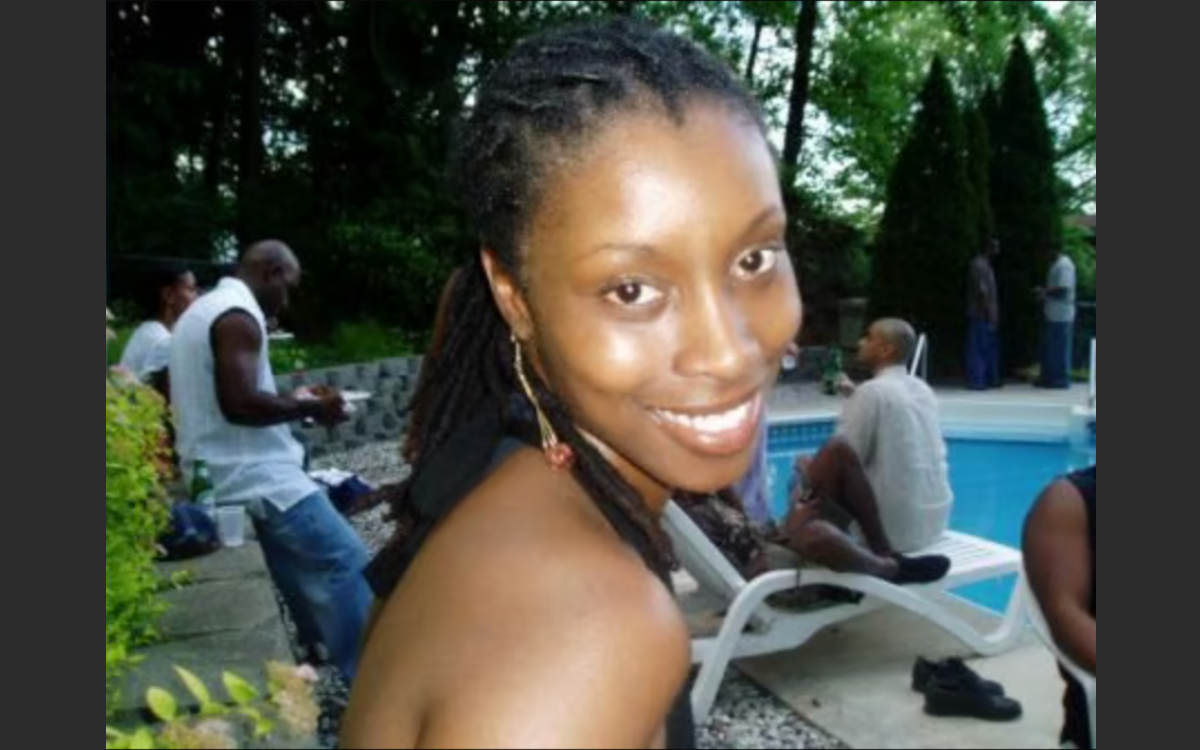
Tiesha Sargeant Murdered in Her Brooklyn New York Apartment
The murder of Tiesha Sargeant on May 14, 2006, in Brooklyn, New York, remains a painful and disturbing case because it took the life of a young woman who had worked hard to build a promising future. Tiesha was only 26 years old when she was shot and killed inside the second-floor apartment she shared with her boyfriend on Bedford Avenue. What was first reported as a home invasion or robbery quickly became a case filled with questions, suspicion, grief, and frustration.
Tiesha’s death was shocking not only because of the violence itself, but because of who she was. She was remembered as intelligent, ambitious, educated, and determined. She had grown up in Brooklyn and had moved through some of the most competitive educational and professional spaces in New York. She had attended a prestigious private school, graduated from Wesleyan University, and worked in respected corporate and media environments. Her life showed discipline and possibility. Her murder left behind a painful question that still lingers: why was a woman with so much ahead of her killed in her own home?
The case has remained unresolved in public records for years. No confirmed conviction has brought closure to her family. The details surrounding the crime, including the behavior of the surviving boyfriend, alleged drug activity connected to the apartment, and the strange way the attack was described, have kept the case in the minds of those who follow unsolved murders. For Tiesha’s loved ones, however, this was never simply a mystery. It was the loss of a daughter, a friend, and a young woman who deserved to live.
Who Was Tiesha Sargeant?
Tiesha Sargeant was a 26-year-old woman from Brooklyn, New York. She was known as someone who had pushed beyond limited expectations and built a life full of opportunity. She came from Flatbush and was described as a young woman who stood out for her intelligence, drive, and ability to move through different worlds. She had roots in a working-class Brooklyn neighborhood, but she also had access to elite schools and professional circles.
Her life reflected ambition. She attended a private school in Manhattan on scholarship, an opportunity that placed her in a demanding academic environment. That kind of path required discipline and confidence. It also meant navigating differences in class, culture, and background at a young age. For Tiesha, education became one of the ways she built a future beyond the limits that society often places on young Black women from urban neighborhoods.
She later graduated from Wesleyan University, a respected liberal arts college. After college, she worked for major institutions, including Condé Nast and Credit Suisse First Boston. Those jobs showed that she had entered competitive spaces where talent, presentation, and determination mattered. She was not simply surviving. She was building a career and establishing herself as a professional.
To her family, Tiesha represented success, pride, and possibility. She had done what many parents hope their children will do. She had worked hard, taken advantage of opportunities, and created a path for herself. That is part of what made her murder so devastating. Her death did not just end a life. It interrupted a future that many people believed was still rising.
The Night of May 14, 2006
The fatal shooting happened around 1:30 a.m. on May 14, 2006. Tiesha was inside the second-floor apartment she shared with her boyfriend, Keve Huggins, at 1785 Bedford Avenue in Brooklyn. Sources have described the neighborhood as Flatbush or Prospect Lefferts Gardens, areas with deep residential roots and strong community histories.
According to the account given after the killing, intruders entered the apartment during the early morning hours. The incident was first described as a robbery or home invasion. Tiesha and Huggins were reportedly tied up. A sheet was placed over Tiesha’s head. The intruders allegedly stole money and a cell phone before shooting Tiesha once in the head.
The reported theft included about $5,000, along with Huggins’ cell phone. Huggins survived the incident without being physically harmed in the same way. Tiesha, however, was killed. That contrast became one of the details that led investigators and family members to ask deeper questions about what really happened inside the apartment that night.
A home invasion is terrifying under any circumstance. But in this case, the actions of the intruders appeared highly specific and controlled. The fact that Tiesha was shot while Huggins survived raised questions about motive. Was the shooting part of a robbery that escalated? Was Tiesha targeted? Was Huggins the intended target, with Tiesha caught in the violence surrounding him? Or was the account of the crime incomplete?
The Apartment on Bedford Avenue
The apartment where Tiesha was killed was located at 1785 Bedford Avenue in Brooklyn. It was the place where she lived with her boyfriend, but it also became central to the investigation because of what police later learned about activity allegedly taking place there. Reports indicated that Huggins may have been selling marijuana from the apartment, and that a large drug deal may have occurred only hours before Tiesha was killed.
That information changed how the case was viewed. What initially sounded like a random robbery began to look potentially connected to money, drugs, or a dispute involving people who knew what was inside the apartment. If someone knew there was cash in the home, then the crime may not have been random at all. If someone knew Huggins was involved in selling marijuana, that could suggest the attackers came there with a specific purpose.
The apartment became more than the scene of Tiesha’s death. It became a place where investigators had to examine relationships, money, possible drug activity, and who had access to information about what was happening inside. In cases like this, the physical scene can only tell part of the story. The larger truth often depends on who knew what, who had motive, and who may have been trying to hide something.
A Case That Quickly Became Complicated
At first, the case was reported as a home invasion or robbery. That explanation suggested that outside intruders came in, stole money, and killed Tiesha during the crime. But as police began looking closer, the situation became more complicated.
The alleged drug activity involving Huggins raised new possibilities. If he had been selling marijuana from the apartment, and if a drug transaction had taken place earlier that night, then investigators had to consider whether the shooting was connected to that activity. A drug-related robbery, a dispute over money, or retaliation could have been possible angles. The case no longer looked like a simple break-in.
There were also questions about Huggins himself. He survived the attack, but Tiesha did not. Her family publicly questioned whether he was telling the full truth. Her father reportedly expressed suspicion about Huggins’ account and behavior after the murder. For a grieving family, those doubts were not small. They were part of the larger search for answers about why Tiesha was dead and why the person closest to her that night was still alive.
It is important to say clearly that public suspicion is not the same as proof. But suspicion can matter in an investigation when the known facts leave gaps. In Tiesha’s case, the gaps were painful. Her loved ones wanted to know who entered the apartment, who fired the shot, why she was killed, and whether someone close to the situation knew more than they admitted.
The Grief of Tiesha’s Family
For Tiesha’s family, her murder was a devastating blow. Parents dream of seeing their children grow, succeed, and live full lives. Tiesha had already accomplished so much by 26. She had made it through difficult academic spaces, graduated from college, and worked in major professional environments. Her family had reason to be proud of her.
Her death shattered that future. Instead of watching her continue to build her career and life, they had to bury her. Instead of celebrating milestones, they were left with unanswered questions and a murder investigation. The pain of losing a child is already unbearable. Losing a child to violence, especially under confusing and suspicious circumstances, adds another layer of trauma.
Her father’s public comments showed the depth of the family’s anger and heartbreak. He questioned the surviving boyfriend’s account and wanted truth. That kind of grief is not quiet. It demands answers. It refuses to accept vague explanations. Families of murder victims often become their loved one’s strongest advocates because they know that if they stop asking questions, the world may stop paying attention.
Tiesha’s family reportedly made it clear that they did not fully trust Huggins. Their refusal to give him certain private details about her burial reflected how deeply the trust had been broken. Whether their suspicions could ever be proven or not, their pain was real, and their need for accountability remained.
The Question of Motive
One of the biggest unresolved questions in Tiesha Sargeant’s murder is motive. If the crime was a robbery, why was Tiesha killed? If the attackers came for money, why did the violence become fatal? If Huggins was involved in drug activity, was he the real target? If so, why was Tiesha the one who died?
The reported details suggest several possible theories. One theory is that intruders came to rob the apartment because they believed money or drugs were inside. Another is that the crime was connected to a drug deal that had happened earlier. Another possibility is that someone involved knew the apartment, knew Huggins, and knew when to strike. There have also been questions about whether Tiesha knew too much or whether her killing was meant to send a message.
Without a public resolution, none of these questions have been fully answered. The lack of an arrest or conviction leaves room for speculation, but it also leaves the family without certainty. Motive is important because it helps explain why a person was killed. In Tiesha’s case, the motive remains clouded by competing possibilities and incomplete public information.
The Weight of an Unsolved Murder
An unsolved murder carries a heavy burden. For the family, it means grief without justice. For the community, it means a killer may never have been held accountable. For the victim’s memory, it means the story can become frozen at the point of violence instead of moving toward truth and resolution.
Tiesha’s case has remained painful because it involves both promise and mystery. She was not someone lost to a life of violence. She was a young professional, a college graduate, and a woman whose life represented forward movement. Yet she was killed in a setting connected to dangerous circumstances that may not have been of her own making.
Unsolved cases also create frustration because people often believe someone knows more than they have said. In many homicides, especially those involving drugs, money, or personal relationships, silence can protect the guilty. Fear, loyalty, shame, or self-preservation can keep witnesses from coming forward. Over time, memories fade, people move away, and evidence becomes harder to use. But the truth does not stop mattering.
Remembering Tiesha Beyond the Crime
Tiesha Sargeant should not be remembered only as a murder victim. She was a young woman who worked to create a meaningful life. She had intelligence, ambition, and a personal story that reflected resilience. Her path from Brooklyn to elite academic and professional spaces was not easy, and it should not be reduced to the violence that ended her life.
Her story also speaks to the complicated reality of returning to familiar places after moving through different worlds. Tiesha had achieved success, but she was still connected to Brooklyn. She lived in the same city where she had roots, and she was building her adult life there. Her death shows how tragedy can strike even someone who appears to be doing everything right.
Remembering her fully means honoring her accomplishments, her character, and the people who loved her. It means seeing her as a person with dreams, not just as a name in an unsolved case. Her murder may have brought public attention to her story, but her life deserves equal attention.
Why Her Case Still Matters
Tiesha’s murder still matters because justice has no expiration date. A case from May 14, 2006, can still be important today. A family’s pain does not disappear because years have passed. A victim’s life does not become less valuable because the case grows cold.
Her case also matters because it highlights the dangers that can surround people connected to someone else’s risky choices. If the killing was connected to drug activity involving her boyfriend, then Tiesha may have paid the ultimate price for circumstances she did not create. That possibility makes the case even more tragic.
It also raises questions about accountability, truth, and protection. Who brought danger into the apartment? Who knew money was there? Who had reason to target the home? Who decided to shoot Tiesha? These questions deserve answers, even years later.
Cold cases can sometimes be solved when people finally come forward, when old evidence is reviewed, or when investigators revisit details with fresh eyes. Public attention can help keep names alive. It can remind people that the victim was loved, that the case is not forgotten, and that silence still protects whoever was responsible.
A Life Cut Short in Brooklyn
The murder of Tiesha Sargeant on May 14, 2006, in Brooklyn, New York, remains a heartbreaking example of a promising life stolen by violence. She was 26 years old, educated, hardworking, and loved. She had made her way through demanding schools and professional spaces, and she had a future that should have continued unfolding.
Instead, her life ended inside a second-floor apartment on Bedford Avenue. The official story began with a reported home invasion, but the case became more complicated as investigators examined drug activity, money, and the actions of the people connected to the apartment. The unanswered questions have kept the case troubling for nearly two decades.
Tiesha’s family deserved answers then, and they still deserve them now. Her life should be remembered not only for the way it ended, but for everything she had already achieved and everything she still had ahead of her. Her name deserves to remain in public memory, not as a forgotten cold case, but as a young woman whose life mattered and whose murder still calls for truth.
Discover more from City Towner
Subscribe to get the latest posts sent to your email.