Airborne And Special Operations Museum in Fayetteville North Carolina
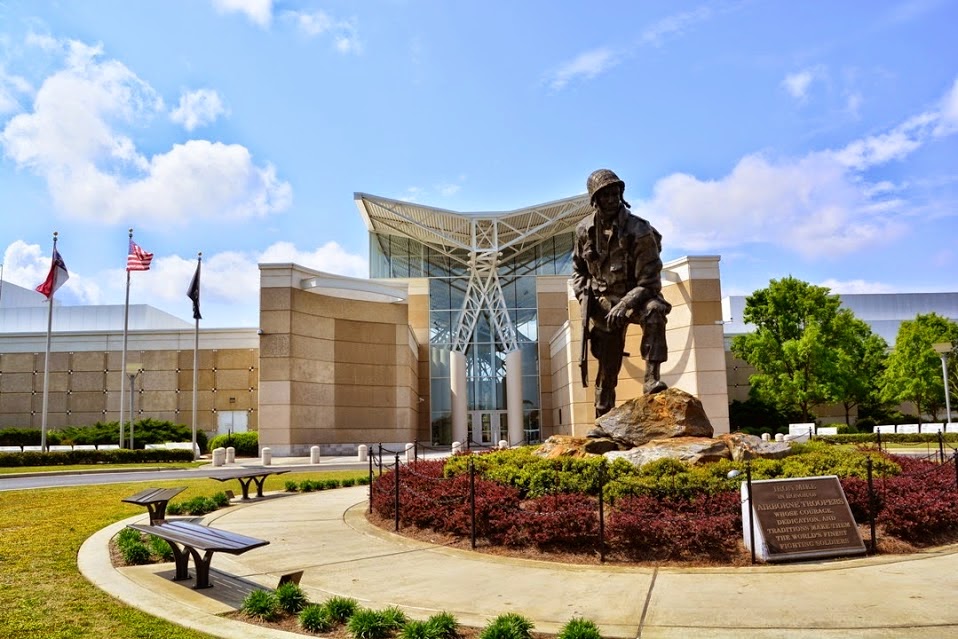
The Airborne and Special Operations Museum in Fayetteville, North Carolina, is one of the most meaningful military museums in the United States. Located in a city deeply connected to Fort Bragg, now known as Fort Liberty, the museum tells the story of the soldiers who served in airborne and special operations units from the early days of parachute warfare through modern military missions around the world. It is more than a place filled with artifacts and exhibits. It is a tribute to courage, sacrifice, innovation, and the people who answered some of the nation’s most demanding calls.
Fayetteville has long been shaped by the presence of the military. Generations of soldiers, families, veterans, and civilians have built lives around the region’s military culture, and the museum stands as one of the city’s most important landmarks. For visitors, it offers a powerful look at the history of airborne soldiers, special operations forces, and the changing nature of warfare. For veterans and military families, it can feel personal, emotional, and familiar. For students and history lovers, it provides an educational experience that connects major world events to the individuals who served on the ground, in the air, and behind enemy lines.
A Museum Built Around Service and Sacrifice
The Airborne and Special Operations Museum focuses on the legacy of American airborne and special operations forces. These are not ordinary military stories. Airborne soldiers are trained to deploy by parachute into dangerous and uncertain environments, often entering combat before larger forces arrive. Special operations soldiers are trained for complex missions that require precision, adaptability, secrecy, endurance, and extraordinary discipline. The museum captures the spirit of both groups by showing how their missions developed, how their tactics changed, and how their service influenced major moments in American military history.
The museum’s exhibits are designed to move visitors through time. Instead of simply displaying objects in glass cases, the museum creates immersive scenes that help people understand what soldiers experienced. Visitors can see uniforms, weapons, equipment, aircraft, photographs, maps, and personal items that reflect the lives of those who served. The displays show not only the technology of war, but also the human side of military service. Letters, images, field gear, and recreated environments help visitors imagine the pressure, fear, teamwork, and determination involved in these missions.
One of the most important parts of the museum is its focus on remembrance. The museum does not glorify war in a careless way. Instead, it shows the cost of service and the responsibility carried by those who volunteer for dangerous assignments. Many exhibits make clear that military history is not just about battles won or missions completed. It is also about families waiting at home, soldiers lost in combat, friendships built under extreme conditions, and the lasting impact of service after the mission ends.
The Connection Between Fayetteville and the Military
Fayetteville is the perfect home for the Airborne and Special Operations Museum because of its close relationship with nearby Fort Liberty. The military presence in the region has shaped the city’s economy, culture, identity, and population for decades. Many people who live in Fayetteville have a direct connection to the armed forces. Some are active-duty service members. Others are veterans, military spouses, children of soldiers, civilian employees, contractors, or local residents whose lives have been influenced by the base.
Because of that connection, the museum feels deeply rooted in the community. It is not an attraction placed randomly in a city. It belongs in Fayetteville because the city understands the airborne and special operations story in a way few places can. Visitors may come from across the country, but for many local families, the museum reflects their own history. It helps preserve the memories of people who trained nearby, deployed from the region, returned home to Fayetteville, or never came back.
The museum also adds to downtown Fayetteville’s cultural landscape. Its location makes it accessible to visitors exploring the city, and it serves as an anchor for historical tourism. People who visit the museum often gain a deeper appreciation for Fayetteville itself, especially the way the city balances military pride, local history, and community life.
Walking Through Military History
A visit to the Airborne and Special Operations Museum often feels like walking through a timeline of American military history. The museum traces the development of airborne and special operations forces across different conflicts and eras. Visitors can learn about early airborne concepts, World War II operations, Cold War missions, Vietnam, conflicts in the Middle East, humanitarian efforts, counterterrorism operations, and other modern deployments.
The World War II exhibits are especially important because they explain how airborne forces became a major part of American military strategy. During that era, paratroopers took on daring missions that required them to jump into combat zones, often at night and under heavy fire. These soldiers had to carry their gear, survive scattered landings, regroup quickly, and fight in difficult conditions. The museum helps visitors understand the bravery and chaos of those moments.
As the exhibits move into later conflicts, the story becomes broader and more complex. Special operations forces became increasingly important during missions that required small teams, intelligence, unconventional tactics, and rapid response. The museum shows how warfare evolved and how soldiers had to adapt to new terrain, new enemies, and new technology. From jungles to deserts to urban environments, the exhibits highlight the wide range of places where airborne and special operations forces have served.
Exhibits That Bring the Story to Life
One of the strongest features of the museum is its ability to create atmosphere. The exhibits are arranged in a way that draws visitors into different periods of history. Instead of reading a flat timeline, guests encounter detailed displays that recreate the mood of military operations. Vehicles, aircraft elements, mannequins, lighting, sound, and battlefield scenes help turn history into something visual and memorable.
The museum’s displays often show soldiers in action. A visitor might see a paratrooper preparing for a jump, a soldier moving through a combat environment, or a team operating in difficult terrain. These scenes help explain the physical demands of military service. They also show how much equipment soldiers carried, how dangerous their missions were, and how much training was required before they ever entered combat.
The artifacts add another layer of depth. Uniforms show how gear changed over time. Weapons reflect different eras of warfare. Maps explain strategic movements. Photographs capture real faces behind the history. Personal items remind visitors that every soldier had a life beyond the uniform. Together, these pieces create a powerful and respectful picture of service.
Honoring Airborne Soldiers
Airborne soldiers occupy a special place in military history because of the nature of their role. The idea of jumping from aircraft into uncertain territory demands courage before the fight even begins. Paratroopers must trust their training, their equipment, their aircraft crews, and one another. Once they land, they may be separated from their unit, surrounded by enemy forces, or forced to improvise under pressure.
The museum honors that tradition by showing how airborne forces became symbols of toughness, speed, and determination. Visitors can learn about the physical and mental preparation required for airborne missions. The exhibits highlight the risks involved in parachute operations, including bad weather, rough landings, enemy fire, and confusion on the ground. They also show how airborne troops could change the course of a battle by arriving where they were least expected.
For many visitors, the airborne story is one of the most dramatic parts of the museum. It combines aviation, infantry combat, personal bravery, and teamwork. The museum makes clear that airborne soldiers were not only defined by the jump, but also by what they did after landing. Their mission truly began once their boots hit the ground.
The Special Operations Legacy
Special operations forces have their own distinct history, and the museum gives that legacy serious attention. These units are often associated with missions that require secrecy, precision, and specialized training. Their work may involve reconnaissance, direct action, counterterrorism, hostage rescue, unconventional warfare, foreign internal defense, and other high-risk assignments. While the details of many missions remain classified or limited, the museum helps visitors understand the broader purpose and evolution of these forces.
The special operations exhibits show the importance of adaptability. These soldiers often operate in small teams, far from traditional support, and in environments where cultural awareness, language skills, intelligence gathering, and trust are essential. The museum highlights the fact that special operations are not just about combat power. They also require judgment, patience, problem-solving, and the ability to make decisions in uncertain situations.
This part of the museum is especially meaningful because it explains why special operations forces have become such a major part of modern military strategy. In a world where threats can be complex and fast-moving, these units are often called upon for missions that demand speed, skill, and discretion. The museum helps visitors see the people behind that reputation.
A Place for Veterans and Military Families
For veterans, the Airborne and Special Operations Museum can be more than an educational stop. It can be a place of memory. Some visitors may recognize equipment they used, locations where they served, or units connected to their own military careers. Others may come to honor friends, family members, or fellow soldiers. The museum creates space for those emotions without turning the experience into something overly sentimental.
Military families may also find the museum meaningful. Families often carry the weight of service in their own way. They experience deployments, separations, moves, uncertainty, and sometimes loss. The museum gives family members a clearer picture of what their loved ones trained for and endured. It can help children understand the legacy of a parent or grandparent who served. It can also give spouses and relatives a place to reflect on the sacrifices that happen beyond the battlefield.
Because Fayetteville is home to so many military families, the museum feels connected to daily life in the region. It is not just about history from long ago. It is also about the living military community that continues to shape the area today.
Education for Students and Visitors
The museum is also an excellent place for students, teachers, and anyone interested in learning about American history. Military history often appears in textbooks as dates, battles, and political decisions, but the museum adds human detail. It shows the uniforms soldiers wore, the tools they carried, the aircraft they used, and the conditions they faced. This helps visitors understand history in a more direct way.
Students can learn how military innovation changes over time. They can see how parachute operations developed, how communication improved, how weapons and vehicles changed, and how missions became more specialized. They can also learn about geography, leadership, technology, and the social impact of war.
The museum encourages visitors to think about larger questions. What does service require? How does a nation remember its soldiers? How do military tactics change when the world changes? What is the cost of freedom, security, and national defense? These questions make the museum valuable not only as a historical site, but also as a place for reflection.
The Emotional Power of the Museum
What makes the Airborne and Special Operations Museum stand out is the emotional weight of the experience. Many museums teach history, but this one also makes visitors feel the seriousness of service. The exhibits are detailed, respectful, and often intense. They remind people that the stories being told are not fictional. They involve real soldiers, real families, real danger, and real consequences.
Visitors may leave with a stronger appreciation for the men and women who served in difficult conditions. They may also gain a better understanding of Fayetteville’s identity as a military city. The museum connects national history to local pride, showing how one community became deeply tied to some of the most demanding military units in the country.
The museum also encourages gratitude. Even visitors with no military background can walk away understanding that airborne and special operations soldiers trained for missions most people would never experience. Their service required discipline, courage, and sacrifice at a level that deserves to be remembered.
Why the Museum Matters
The Airborne and Special Operations Museum matters because it preserves stories that could otherwise fade with time. Military history is not only about major battles and famous leaders. It is also about the individual soldier who packed a parachute, boarded an aircraft, stepped into danger, followed orders, protected teammates, and carried the burden of service home. The museum protects those stories and presents them in a way that is accessible to the public.
It also helps connect generations. Older veterans may visit with children or grandchildren and share memories prompted by the exhibits. Younger visitors may learn about conflicts they were not alive to witness. Families may discover new respect for relatives who served. Tourists may gain a deeper understanding of Fayetteville and its role in American military life.
By honoring both airborne and special operations forces, the museum highlights two military traditions defined by courage and readiness. These soldiers were often asked to go first, go far, and go quietly into dangerous places. Their stories deserve careful preservation, and the museum does that with dignity.
Planning a Visit to the Museum
A visit to the Airborne and Special Operations Museum is worthwhile for many types of travelers. History lovers will appreciate the depth of the exhibits. Military families will connect with the subject matter. Veterans may find the museum personally meaningful. Visitors to Fayetteville will gain a stronger understanding of the city’s character and its connection to Fort Liberty.
The museum is a strong destination for families because it offers both education and visual engagement. Children may be drawn to the aircraft, vehicles, uniforms, and realistic displays, while adults may appreciate the historical detail and emotional depth. It is also a good stop for people exploring downtown Fayetteville or looking for a meaningful indoor attraction.
Visitors should take their time while moving through the exhibits. The museum is best experienced slowly, with attention to the photographs, written descriptions, artifacts, and recreated scenes. Rushing through it can cause people to miss the smaller details that make the museum so powerful. The personal items, names, faces, and unit histories are often just as important as the larger displays.
A Fayetteville Landmark With National Importance
The Airborne and Special Operations Museum is one of Fayetteville’s most important landmarks. It represents the city’s bond with the military while also telling a story that reaches far beyond North Carolina. The museum honors the soldiers who served in some of the most difficult and dangerous roles in the United States Army, and it helps the public understand why their contributions matter.
For Fayetteville, the museum is a source of pride. It reflects the city’s history, its military community, and its respect for those who serve. For visitors from outside the region, it offers a powerful introduction to the airborne and special operations legacy. For veterans and families, it stands as a place of recognition and remembrance.
The museum’s greatest strength is that it does not reduce military service to simple images of heroism. It shows the training, fear, sacrifice, innovation, loss, teamwork, and commitment behind the missions. It honors the people who jumped from aircraft, operated in hostile territory, carried out difficult assignments, and served with a level of dedication that continues to inspire.
Lasting Impressions
The Airborne and Special Operations Museum in Fayetteville, North Carolina, is more than a museum. It is a place where history feels close, personal, and alive. Through its exhibits, artifacts, and immersive displays, it tells the story of soldiers who accepted extraordinary risks in service to their country. It gives visitors a deeper understanding of airborne operations, special operations missions, and the military culture that has shaped Fayetteville for generations.
Whether someone visits out of curiosity, patriotism, family connection, or a love of history, the museum offers an experience that stays with them. It reminds people that behind every mission are human beings who trained, served, sacrificed, and carried the weight of history on their shoulders. In a city known for its military heritage, the Airborne and Special Operations Museum stands as a powerful tribute to courage, duty, and remembrance.
Discover more from City Towner
Subscribe to get the latest posts sent to your email.