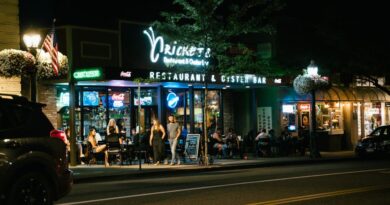

Grand Prairie Texas Food Scene
The food scene of Grand Prairie, Texas, reflects the city’s position in the heart of the Dallas-Fort Worth Metroplex. It is diverse, practical, family-friendly, and full of local flavor. Grand Prairie sits between Dallas, Fort Worth, Arlington, and Irving, which gives it access to one of the strongest dining regions in Texas. Yet the city has its own food identity, shaped by suburban growth, immigrant communities, Texas traditions, busy highways, entertainment destinations, lake life, and neighborhoods filled with families looking for good meals close to home.
Grand Prairie’s dining scene does not depend on one single style of food. It offers Texas barbecue, Tex-Mex, Mexican street food, soul food, seafood, burgers, breakfast spots, Asian restaurants, Caribbean flavors, Middle Eastern dishes, bakeries, food trucks, casual family restaurants, and modern eateries. This variety makes the city a strong place for diners who want options without having to drive into Dallas or Fort Worth every time they want a memorable meal.
The city’s food culture is also connected to convenience and community. Grand Prairie is a place where people work, raise families, attend games, shop, spend time at the lake, and meet friends after long days. The restaurants often match that lifestyle. Many are casual, generous, affordable, and built around comfort. They serve people who want flavor, portions, and reliability, whether they are grabbing lunch during work, feeding kids after school, meeting friends for dinner, or stopping for food before a show or event.
What makes Grand Prairie especially interesting is how many cultures come together in one city. Like much of North Texas, Grand Prairie has grown into a diverse community where food becomes one of the clearest ways to experience that diversity. The city’s restaurants tell stories of family recipes, migration, entrepreneurship, Texas pride, and neighborhood loyalty.
A Dining Scene Shaped by Location
Grand Prairie’s location plays a major role in its food scene. The city is positioned in the middle of the Dallas-Fort Worth region, close to major highways, airports, entertainment districts, shopping centers, industrial areas, residential neighborhoods, and Joe Pool Lake. This location brings in different kinds of diners throughout the day.
Commuters and workers need quick lunches, coffee, takeout, and dependable meals. Families need restaurants that are comfortable for children and groups. Visitors attending concerts, events, shopping trips, or sports activities want convenient dining before or after their plans. Lake visitors want casual food after a day outdoors. Grand Prairie restaurants serve all of these needs.
Because the city is spread across a wide area, its food scene is not concentrated in one downtown alone. Dining options can be found near major roads, shopping centers, neighborhood corridors, entertainment venues, and residential communities. This gives Grand Prairie a practical food layout. People can usually find something close by, whether they want tacos, barbecue, seafood, wings, burgers, breakfast, or international cuisine.
The city’s location also means it benefits from the larger Metroplex food culture. Dallas brings upscale restaurants, global trends, and modern dining energy. Fort Worth brings cowboy culture, barbecue, steakhouse traditions, and relaxed Texas flavor. Arlington brings sports crowds and entertainment dining. Grand Prairie sits among all of that, absorbing influences while still maintaining its own approachable style.
Texas Barbecue And Smoked Flavor
No serious discussion of food in Grand Prairie can ignore barbecue. Texas barbecue is one of the state’s most famous culinary traditions, and Grand Prairie has access to the smoked meats, slow cooking, and bold flavors that define North Texas barbecue culture.
Barbecue in Grand Prairie often centers on brisket, ribs, sausage, smoked chicken, turkey, pulled pork, and classic sides. Diners look for tender meat, smoky bark, good seasoning, and sauces that support the flavor without overpowering it. A strong barbecue plate usually comes with beans, potato salad, coleslaw, mac and cheese, pickles, onions, and white bread or rolls.
Barbecue fits Grand Prairie because it is social and casual. It works for family meals, weekend gatherings, work lunches, game days, and celebrations. It is food meant to be shared, and that makes it ideal for a city with strong family and community energy.
The best barbecue experiences are often simple. A person walks in, orders meat by the plate or pound, picks a few sides, and sits down to a meal that feels deeply connected to Texas. In Grand Prairie, barbecue is not just a tourist food. It is part of everyday regional dining.
Tex-Mex And Mexican Food Traditions
Mexican and Tex-Mex food are central to Grand Prairie’s food scene. The city’s large Latino community and its North Texas location make tacos, enchiladas, fajitas, tamales, tortas, burritos, menudo, pozole, quesadillas, elote, and fresh salsas part of everyday dining.
Tex-Mex restaurants offer familiar comfort through plates loaded with rice, beans, cheese, tortillas, grilled meats, and sauces. These restaurants are popular with families because they are filling, flavorful, and easy to enjoy in groups. A table can share chips and salsa, order fajitas, sip drinks, and turn a simple dinner into a social experience.
Mexican food in Grand Prairie also goes beyond Tex-Mex. Many restaurants and food trucks focus on regional Mexican flavors, street-style tacos, birria, seafood, grilled meats, fresh tortillas, and homemade sauces. These places often have a loyal following because they offer food that feels personal and authentic.
Tacos are especially important. In a city like Grand Prairie, a taco can be breakfast, lunch, dinner, or late-night food. Breakfast tacos with eggs, potatoes, bacon, chorizo, beans, or cheese are a practical Texas favorite. Street tacos with carne asada, al pastor, barbacoa, lengua, chicken, or carnitas bring bold flavor in a simple format.
Mexican bakeries and dessert options also add to the local food culture. Pan dulce, tres leches cake, flan, churros, and other sweets bring warmth and tradition to the city’s dining scene.
Soul Food And Southern Comfort
Grand Prairie’s food scene also carries the influence of Southern cooking and Black food traditions. Soul food, comfort food, fried chicken, catfish, greens, cornbread, yams, macaroni and cheese, oxtails, smothered meats, and hearty plates all have a place in the city’s dining culture.
This style of food fits Texas because it is rooted in home cooking, family gatherings, church culture, Sunday meals, and recipes passed down through generations. Soul food restaurants often serve more than meals. They serve memory, comfort, and community.
In Grand Prairie, Southern comfort food appeals to people who want flavor and substance. It is the kind of food that feels like somebody took their time. A plate of fried catfish with sides, smothered pork chops with rice, or chicken with greens and cornbread carries a sense of care that fast food cannot replace.
The city’s diversity means soul food exists alongside Mexican, Caribbean, African, and other food traditions, creating overlap and shared appreciation. Many diners in Grand Prairie enjoy bold seasoning, rich sauces, smoked meats, fried seafood, and slow-cooked dishes because these flavors feel familiar across cultures.
Seafood in an Inland City
Although Grand Prairie is not a coastal city, seafood remains an important part of the local food scene. North Texas diners love fried catfish, shrimp, crawfish, crab, fish plates, seafood boils, gumbo, oysters, and grilled fish. Restaurants in Grand Prairie often serve seafood in casual, lively formats that work well for families and groups.
Seafood boils have become especially popular across the Metroplex. These meals usually feature crab legs, shrimp, crawfish, sausage, corn, and potatoes tossed in seasoned butter or spicy sauces. They are hands-on, messy, social, and flavorful, making them a good match for group dining.
Fried seafood is another favorite. Catfish plates with fries, hush puppies, coleslaw, and tartar sauce are a Southern classic. This type of food connects Texas to broader Gulf Coast and Southern traditions.
Seafood restaurants help expand Grand Prairie’s dining identity beyond barbecue and Tex-Mex. They give locals another comfort option and provide visitors with a casual, flavorful meal that feels festive without needing to be formal.
Burgers, Wings, And Casual Favorites
Grand Prairie has a strong casual food culture, and burgers, wings, fries, sandwiches, nachos, and loaded plates are a major part of it. These foods match the city’s entertainment and family-oriented lifestyle. They work for quick lunches, sports nights, takeout orders, and weekend meals.
Burgers are a Texas staple. Diners often look for juicy patties, toasted buns, cheese, bacon, grilled onions, jalapeños, barbecue sauce, and hearty sides. Some places keep it classic, while others experiment with creative toppings and oversized builds.
Wings are also popular because they work for groups and game days. Whether fried, smoked, sauced, dry-rubbed, spicy, sweet, or lemon pepper-style, wings have become a major part of casual dining across North Texas. In Grand Prairie, they fit naturally alongside sports bars, family restaurants, and takeout counters.
Sandwich shops, chicken spots, and casual grills give residents reliable options when they want comfort food without a long sit-down meal. This side of the food scene may not always be fancy, but it is essential to how people actually eat day to day.
Breakfast And Brunch Culture
Breakfast and brunch have become important parts of the Grand Prairie food scene. The city has diners, cafes, breakfast restaurants, taco spots, bakeries, and casual brunch locations that serve both traditional and modern morning meals.
Classic breakfast plates remain popular. Eggs, bacon, sausage, pancakes, waffles, biscuits, gravy, hash browns, grits, omelets, and coffee are the kind of foods that bring families together on weekends and fuel workers during the week. These meals are simple, filling, and dependable.
Breakfast tacos and Mexican-style breakfast plates also stand out. Eggs with chorizo, migas, potatoes, beans, tortillas, and salsa offer a strong Texas morning option. For many locals, a good breakfast taco is just as important as a cup of coffee.
Brunch adds a more social and modern layer. It gives diners a reason to gather later in the morning for chicken and waffles, shrimp and grits, French toast, mimosas, breakfast bowls, and creative plates. In a city with families, young professionals, and visitors, brunch helps restaurants turn weekends into an experience.
Asian Restaurants And Global Flavor
Grand Prairie’s diversity is also reflected in its Asian dining options. The city and surrounding area offer Chinese, Vietnamese, Thai, Japanese, Korean, Filipino, Indian, and other Asian food influences. These restaurants add freshness, spice, comfort, and variety to the local dining scene.
Vietnamese food is especially popular across North Texas, and Grand Prairie diners can enjoy pho, vermicelli bowls, banh mi, spring rolls, rice plates, and iced coffee. Pho is a great comfort food because it works in every season, whether someone wants warmth in winter or a light but filling meal during the day.
Thai restaurants bring curries, noodles, stir-fries, soups, basil dishes, and spicy flavors. Japanese options may include sushi, ramen, hibachi, teriyaki, and bento-style meals. Chinese restaurants serve everything from quick takeout favorites to more traditional dishes depending on the location.
Indian and South Asian flavors add another important layer with curries, biryani, naan, tandoori meats, vegetarian dishes, and spice-rich meals. These restaurants show how Grand Prairie’s food scene continues to grow as the city becomes more globally connected.
Caribbean, African, And International Food
Grand Prairie’s food scene benefits from the presence of Caribbean, African, and other international restaurants in and around the city. These cuisines bring bold seasoning, slow-cooked dishes, stews, rice plates, grilled meats, plantains, and flavors that reflect migration and cultural pride.
Caribbean food often includes jerk chicken, curry goat, oxtails, rice and peas, cabbage, patties, fried plantains, and seafood. These dishes are rich, spicy, and deeply satisfying. They are especially appealing to diners who enjoy strong seasoning and comfort food with island influence.
African restaurants may offer dishes from West African, East African, or other regional traditions. Jollof rice, suya, egusi soup, fufu, grilled meats, stews, and spiced rice dishes add variety and depth to the local scene. For African immigrant communities, these restaurants provide a taste of home. For other diners, they offer a chance to experience new flavors.
International dining helps Grand Prairie stand out because it reflects the city’s changing population. The more diverse the community becomes, the richer the food scene grows.
Food Trucks And Street Food Energy
Food trucks have become an important part of the dining culture in Grand Prairie and across North Texas. They allow small business owners and cooks to reach customers without the expense of a full restaurant. They also bring flexibility, creativity, and neighborhood energy to the food scene.
In Grand Prairie, food trucks may serve tacos, barbecue, burgers, seafood, wings, desserts, loaded fries, Mediterranean food, Caribbean dishes, and fusion plates. They often appear near busy roads, events, parking lots, breweries, and community gatherings.
Street food works well in a city like Grand Prairie because people are often on the move. A food truck can serve workers at lunch, families after school, visitors attending events, or residents looking for a quick dinner.
Food trucks also give diners access to bold, independent cooking. Some of the most flavorful meals in a city come from small operators who focus on a few dishes and do them well.
Dining Near Entertainment And Shopping
Grand Prairie’s food scene is closely connected to entertainment and shopping. The city has major attractions, event venues, shopping centers, and recreational destinations that create demand for restaurants nearby.
People going to concerts, performances, movies, shopping trips, or family activities often want a meal before or after the experience. Restaurants near these areas benefit from visitors who may not live in Grand Prairie but come into the city for fun.
This has helped shape a dining culture that is convenient and group-friendly. Many restaurants understand that people are looking for easy parking, flexible menus, quick service, and enough variety to satisfy different tastes.
Entertainment dining also creates opportunities for newer restaurants and chains to join the local scene. While independent restaurants give Grand Prairie character, larger commercial dining spots also serve a purpose by feeding crowds and families.
Lake Day Food And Outdoor Dining
Joe Pool Lake and nearby recreation areas influence the way people eat in Grand Prairie. A day at the lake often calls for casual, satisfying food. People want barbecue, burgers, tacos, sandwiches, seafood, snacks, cold drinks, and meals that can be enjoyed before or after outdoor activities.
Lake culture is relaxed, and the food connected to it is usually the same. After boating, fishing, hiking, swimming, or spending time in the sun, diners often look for comfort and convenience. Grand Prairie’s casual restaurants fit that lifestyle well.
Outdoor dining and patio spaces are also appealing in Texas, especially during pleasant weather. Restaurants with patios give people a chance to enjoy warm evenings, social gatherings, and relaxed meals.
This outdoor side of Grand Prairie’s food scene helps separate it from denser urban dining areas. The city offers both Metroplex access and recreational breathing room.
Bakeries, Sweets, And Desserts
Grand Prairie’s dessert scene reflects its cultural diversity and family-friendly personality. Bakeries, ice cream shops, donut spots, cake businesses, Mexican panaderias, cookie shops, and dessert cafes all add sweetness to the local food culture.
Mexican bakeries are especially important because they offer pan dulce, conchas, tres leches cake, flan, churros, and custom cakes. These places often serve families preparing for birthdays, holidays, church events, and celebrations.
Donut shops are another major part of Texas morning culture. A box of donuts, kolaches, and coffee is a familiar breakfast routine for many families and workers. Kolaches, especially sausage-filled versions, are widely loved across Texas and fit perfectly into the grab-and-go lifestyle.
Dessert businesses also benefit from Grand Prairie’s family events and celebrations. Birthdays, graduations, weddings, baby showers, and holidays create steady demand for cakes, cupcakes, pastries, and custom sweets.
Family Dining And Neighborhood Restaurants
Grand Prairie is a city with many families, and that shapes the dining scene in a major way. Family-friendly restaurants are important because they offer menus that can satisfy adults and children, comfortable seating, reasonable prices, and a relaxed environment.
Neighborhood restaurants often become part of family routines. People return to places where they know the food is consistent, the staff is friendly, and the atmosphere is easy. These restaurants may not always be flashy, but they help define everyday life in the city.
Family dining also reflects the city’s suburban character. Grand Prairie residents often want places that are convenient to home, schools, churches, parks, and shopping areas. Restaurants that serve large portions, combo plates, kids’ meals, and takeout tend to do well.
The strongest neighborhood restaurants are those that feel connected to the people they serve. They become places where birthdays are celebrated, regular orders are remembered, and families gather after busy days.
The Role of Immigrant-Owned Restaurants
Immigrant-owned restaurants are a major strength in Grand Prairie’s food scene. They bring recipes, ingredients, traditions, and business ambition from many parts of the world. These restaurants help make the city more flavorful and more culturally connected.
For many immigrant families, opening a restaurant is both a livelihood and a way to share culture. The food may come from family recipes, regional traditions, or memories of home. Diners get more than a meal. They get access to a story.
In Grand Prairie, immigrant-owned restaurants help turn the city into a place where global food feels local. A resident can enjoy tacos one day, pho the next, Caribbean food later in the week, and barbecue on the weekend. That variety is one of the city’s greatest dining strengths.
Supporting these restaurants also supports local entrepreneurship. Many small food businesses are built through long hours, family labor, and strong community ties.
Upscale And Modern Dining
Although Grand Prairie’s food scene is mostly known for casual and family-friendly eating, there is also room for modern and more polished dining. As the city grows, diners are looking for date-night restaurants, creative menus, craft cocktails, stylish interiors, and elevated versions of comfort food.
Modern dining in Grand Prairie may include steak, seafood, pasta, fusion cuisine, brunch lounges, cocktail bars, and chef-inspired plates. These restaurants appeal to residents who want a night out without leaving the city.
The growth of upscale dining also reflects Grand Prairie’s changing identity. As more people move into the area and as entertainment districts expand, the demand for higher-end experiences increases.
Still, the best modern dining in Grand Prairie usually keeps some Texas personality. It may be stylish, but it still values good portions, strong flavor, and a welcoming atmosphere.
Why Grand Prairie’s Food Scene Stands Out
Grand Prairie’s food scene stands out because it is balanced. It has local flavor without feeling limited. It has access to Metroplex trends without losing its community feel. It has casual restaurants, family spots, food trucks, global cuisine, barbecue, Tex-Mex, seafood, desserts, and entertainment dining all within one city.
The city’s food scene is also practical. People can eat well without needing a luxury budget. There are plenty of places where diners can get a filling meal, feed a family, or grab takeout without overcomplicating the experience.
Another major strength is diversity. Grand Prairie’s restaurants reflect the people who live there. The food scene is not just about Texas classics, though those are important. It is also about Mexican, Caribbean, African, Asian, Middle Eastern, Southern, and modern American flavors.
Most of all, Grand Prairie’s food scene feels connected to real life. It is built around families, workers, visitors, students, church groups, sports fans, shoppers, and people spending time outdoors. That makes it approachable and authentic.
The Future of Food in Grand Prairie
The future of food in Grand Prairie looks strong because the city continues to grow. As more people move to the Dallas-Fort Worth area, Grand Prairie will likely see more restaurants, food trucks, cafes, bakeries, bars, and entertainment-focused dining options.
Growth will bring new opportunities. More residents mean more demand for different cuisines. More visitors mean more restaurants near attractions. More development means more chances for creative dining concepts. The city’s diversity will continue to shape its menus and neighborhood food traditions.
At the same time, Grand Prairie should continue supporting small, independent, and family-owned restaurants. These businesses give the city its unique flavor. Chains may be convenient, but local restaurants build identity.
If Grand Prairie can balance growth with local character, its food scene will become even more interesting. The city has the ingredients for a strong dining future: location, diversity, families, entertainment, outdoor recreation, and a community that appreciates good food.
A City Full of Flavor
The food scene of Grand Prairie, Texas, is a reflection of the city itself. It is diverse, growing, relaxed, family-focused, and connected to the larger energy of North Texas. From smoky barbecue and Tex-Mex plates to seafood boils, soul food, tacos, Asian noodles, Caribbean stews, bakeries, burgers, brunch, and food trucks, Grand Prairie offers a wide range of flavors for residents and visitors.
The city may not always receive the same dining attention as Dallas or Fort Worth, but that is part of its charm. Grand Prairie’s food scene feels accessible and real. It is built around people who want good meals, strong flavor, comfort, and community.
As the city continues to expand, its restaurants will keep telling the story of who lives there, who moves there, and who brings their traditions to the table. Grand Prairie is more than a place between bigger cities. It is a food city with its own identity, and that identity continues to grow one meal at a time.
Discover more from City Towner
Subscribe to get the latest posts sent to your email.