
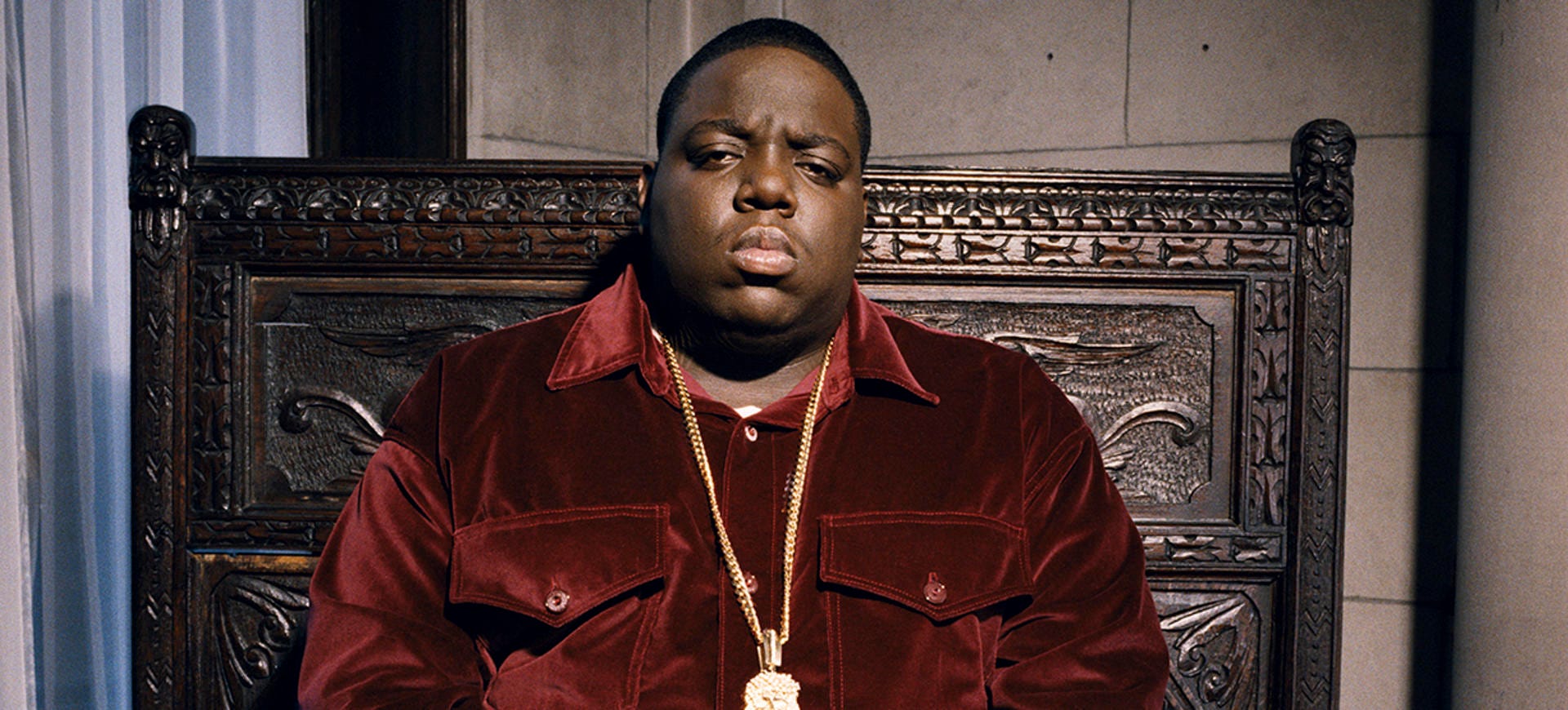
The Murder of Notorious B.I.G. in Los Angeles California
The murder of The Notorious B.I.G. remains one of the most painful and unforgettable tragedies in hip hop history. Born Christopher George Latore Wallace, the Brooklyn rapper known to the world as Biggie Smalls and The Notorious B.I.G. was killed on March 9, 1997, in Los Angeles, California. He was only 24 years old, yet he had already become one of the most important voices in rap music. His death shocked fans, devastated the music industry, and left behind a mystery that has continued to raise questions for decades.
Biggie’s killing happened during a tense period in hip hop. The culture was growing rapidly, becoming more visible, more profitable, and more influential than ever before. At the same time, the public conflict between artists and record labels from the East Coast and West Coast had created a dangerous atmosphere around the music. Biggie, a New York rapper signed to Bad Boy Records, was often placed at the center of that conflict, especially because of his complicated relationship with Tupac Shakur and the rivalry between Bad Boy Records and Death Row Records.
By March 1997, Tupac had already been murdered in Las Vegas on September 13, 1996, after being shot several days earlier. Biggie’s death came less than six months later, deepening the sense that hip hop had entered one of its darkest chapters. Two of the greatest rappers of their generation were gone before either reached the age of 26. Their deaths became tied together in the public imagination, even though both cases developed their own separate facts, rumors, and unanswered questions.
Who Was The Notorious B.I.G.?
Christopher Wallace was born on May 21, 1972, in Brooklyn, New York. Raised in the Bedford Stuyvesant neighborhood, Biggie grew up in an environment shaped by working class struggle, street life, ambition, survival, and creativity. His mother, Voletta Wallace, worked hard to provide for him, and Biggie later turned many of his real life experiences into vivid storytelling through music.
What made Biggie special was not just his voice or confidence. It was the way he could paint pictures with words. He had a smooth but commanding flow, a deep tone, clever punchlines, and a gift for making street stories feel cinematic. His lyrics could be raw, funny, emotional, threatening, reflective, and stylish all at once. He could describe hardship with detail, then switch into luxury rap with ease. He could make a club record, a street anthem, and a personal confession all on the same album.
His debut album, Ready to Die, was released in 1994 and quickly established him as one of rap’s most powerful new stars. Songs like Juicy, Big Poppa, Warning, and One More Chance showed his range. Ready to Die was more than a debut album. It was a statement from an artist who understood pain, fame, crime, dreams, and consequences. By the mid 1990s, Biggie had become the face of Bad Boy Records and one of the most recognized rappers in America.
The Tension Around Biggie Before His Death
Before Biggie was killed, hip hop was dealing with intense tension between the East Coast and West Coast scenes. The rivalry was fueled by media coverage, record label competition, personal disputes, and violent incidents that were often discussed in public. Biggie became closely associated with the East Coast, while Tupac Shakur became strongly associated with the West Coast through his connection to Death Row Records.
The relationship between Biggie and Tupac had once been friendly. Tupac was already famous when Biggie was still rising, and the two artists respected each other at one point. However, their relationship collapsed after Tupac was shot during a robbery at Quad Recording Studios in New York on November 30, 1994. Tupac later accused Biggie, Sean Combs, and others around Bad Boy Records of knowing more than they admitted about what happened. Biggie and those around him denied involvement.
The conflict grew more public after Tupac signed with Death Row Records and released songs that took direct aim at Biggie and Bad Boy. The most infamous was Hit Em Up, a record that intensified the feud and pushed the rivalry into dangerous territory. The media often framed the situation as a war between coasts, even though many artists and industry figures later argued that the narrative was exaggerated and destructive.
By the time Biggie traveled to Los Angeles in 1997, the atmosphere was still heavy. Tupac had been dead for months, but the pain, anger, and speculation surrounding his murder had not faded. Biggie’s presence in Los Angeles was significant because he was stepping into a city still connected to the West Coast side of the public feud. Some people believed the trip was risky. Others saw it as part of Biggie’s effort to move forward and promote his music.
Why Biggie Was in Los Angeles
Biggie was in Los Angeles in early March 1997 to promote his upcoming second album, Life After Death. The album was highly anticipated and was expected to make him an even bigger star. Biggie had already survived a serious car accident months earlier, which left him with injuries and forced him to use a cane during part of his recovery. Despite physical pain and public tension, he was still working, performing, recording, and preparing for the next stage of his career.
He attended events connected to the Soul Train Music Awards, which brought together many celebrities, artists, executives, and industry figures. Los Angeles was full of entertainment activity that weekend. Biggie appeared in public, gave interviews, and continued promoting Life After Death. Those around him later described him as focused on the album and ready for a new chapter.
On the night of March 8, 1997, Biggie attended a party at the Petersen Automotive Museum in Los Angeles. The event was filled with celebrities and industry insiders. Sean Combs, also known as Puff Daddy at the time, was there as well. The party was eventually shut down by authorities because it had grown crowded. After leaving the event, Biggie and his entourage got into a group of vehicles and drove away.
The Shooting on March 9, 1997
Shortly after midnight on March 9, 1997, Biggie was riding in a GMC Suburban near Wilshire Boulevard and Fairfax Avenue in Los Angeles. He was seated in the front passenger seat. The vehicle was part of a small caravan that included other members of his entourage. Sean Combs was reportedly in another vehicle nearby.
When Biggie’s SUV stopped at a red light, a dark Chevrolet Impala pulled up alongside it. The driver of that car opened fire. Several bullets struck Biggie. The attack happened quickly, and the shooter fled the scene. The people in Biggie’s vehicle rushed to get help, and he was taken to Cedars Sinai Medical Center.
Doctors tried to save him, but the wounds were too severe. Biggie was pronounced dead at approximately 1:15 a.m. on March 9, 1997. He was 24 years old.
The news spread quickly and stunned the music world. Fans who had followed Biggie’s rise from Brooklyn storyteller to rap superstar were left in disbelief. Artists, friends, family members, and listeners across the country mourned a talent who seemed to be entering his prime. The timing made the tragedy feel even more devastating because Life After Death was scheduled for release just days later.
The Investigation and Unanswered Questions
The investigation into Biggie’s murder became one of the most discussed unsolved cases in modern music history. From the beginning, questions surrounded the shooting. Who ordered it? Who pulled the trigger? Was it connected to Tupac’s murder? Was it tied to gang politics in Los Angeles? Was it connected to the music industry? Did anyone in law enforcement have knowledge of the plot or fail to act properly?
Over the years, different theories have circulated. Some have focused on retaliation for Tupac’s death. Others have focused on possible connections to Death Row Records, street gangs, or corrupt police officers. Some theories have been promoted in books, documentaries, lawsuits, interviews, and investigative reports. However, despite decades of attention, no one has been convicted for Biggie’s murder.
The lack of resolution has made the case even more painful for Biggie’s family and fans. His mother, Voletta Wallace, has spoken publicly about wanting justice for her son. The family pursued legal action related to the investigation, arguing that there were failures and possible misconduct that prevented the truth from coming out. Those legal efforts brought more attention to the case, but they did not lead to a final criminal conviction.
One of the most difficult parts of the case is the amount of rumor surrounding it. Because Biggie was such a major figure and because his death came so soon after Tupac’s, many people have tried to connect different pieces into one larger story. Some claims may be based on real leads, while others may be speculation. The truth remains that Biggie was killed in Los Angeles on March 9, 1997, and the case remains officially unsolved.
The Release of Life After Death
Just weeks after Biggie was killed, Life After Death was released on March 25, 1997. The album became a massive commercial and cultural success. It showed Biggie at the height of his power as a rapper and songwriter. The project included hit records like Hypnotize, Mo Money Mo Problems, Sky’s the Limit, Ten Crack Commandments, and Going Back to Cali.
Listening to the album after his murder gave the music a haunting weight. The title Life After Death already sounded prophetic, and many lyrics seemed even more intense because Biggie was no longer alive to explain, expand, or move beyond them. The album revealed where he was headed creatively. It had street records, radio hits, storytelling tracks, and collaborations that showed his ability to dominate multiple sounds.
Life After Death helped secure Biggie’s legacy as one of the greatest rappers of all time. It proved that his career was not slowing down. In fact, he seemed to be growing into an artist capable of shaping rap for years to come. His death robbed hip hop of that future.
The Impact on Hip Hop Culture
Biggie’s murder forced hip hop to confront the cost of its conflicts. The deaths of Tupac and Biggie were not just celebrity tragedies. They were cultural shocks that made artists, fans, executives, and journalists question how music rivalries could become connected to real violence. The East Coast and West Coast feud had been profitable for media attention, but after two young icons were dead, the tone changed.
Many artists began calling for unity. Hip hop leaders spoke about peace, responsibility, and the need to avoid letting business competition or lyrical battles become something deadly. The industry did not immediately change overnight, but the deaths of Tupac and Biggie became a warning that still echoes through rap culture.
Biggie’s influence continued to grow after his death. His flow became a blueprint for countless rappers. His storytelling style influenced artists from New York and beyond. His ability to balance street credibility with mainstream appeal helped shape the future of commercial rap. Even artists who came years later still studied his delivery, rhyme patterns, breath control, humor, and imagery.
A Mother’s Loss And a City’s Grief
Behind the fame, records, theories, and headlines was a grieving mother who lost her son. Voletta Wallace became one of the most important voices in preserving Biggie’s legacy. She spoke about him not just as a rap legend, but as Christopher, her child. That human side is sometimes overlooked when people discuss the mystery of the case or the drama around the era.
Brooklyn also mourned deeply. Biggie represented a particular kind of New York pride. He made Bedford Stuyvesant feel larger than life. He took local slang, neighborhood memories, and street observations and turned them into global music. His funeral procession in New York became a major moment of public grief. Crowds gathered to honor him, celebrate him, and say goodbye.
The grief was complicated because many fans felt they had watched his story unfold in real time. Ready to Die introduced them to his pain and ambition. Life After Death arrived after his murder and seemed to speak from beyond the grave. For many listeners, Biggie’s music became both entertainment and memorial.
Why The Case Still Matters
The murder of The Notorious B.I.G. still matters because it represents an unresolved wound in music history. It is about the loss of a brilliant artist, but it is also about justice, accountability, and the dangers of unchecked conflict. Biggie’s case continues to attract attention because people still want answers. They want to know who killed him and why. They want to know whether the truth was missed, hidden, or ignored.
For hip hop fans, Biggie’s death is also a reminder of how young he was. At 24, he had already released one classic album and was about to release another. He had become a father, a star, and a symbol of Brooklyn excellence. His career was still developing, and his voice was still evolving. The music world never got to hear what he would have done in his thirties, forties, or beyond.
His influence remains powerful because his catalog still feels alive. His songs continue to be played, sampled, quoted, and studied. His image remains part of hip hop history, and his name is still mentioned whenever people debate the greatest rappers of all time. Biggie did not have a long career, but the impact he made in a short time was enormous.
The Legacy of Christopher Wallace
The Notorious B.I.G. was more than a victim of a famous unsolved murder. He was a poet of Brooklyn life, a master of rhythm, a storyteller with rare detail, and an artist who changed the direction of rap music. His murder on March 9, 1997, in Los Angeles, California, ended his life but did not end his presence. His voice remains one of the most recognizable in hip hop, and his music continues to introduce new generations to his genius.
The tragedy of Biggie’s death is that the world remembers both the brilliance and the loss. He gave hip hop unforgettable records, but he was taken before his full story could unfold. The unanswered questions around his murder continue to haunt the culture, but his legacy is not defined only by the way he died. It is also defined by how powerfully he lived through his music.
Biggie once turned struggle into art, fear into rhythm, and ambition into timeless songs. Decades after his death, his name still carries weight because his talent was undeniable. The murder of The Notorious B.I.G. remains one of the most painful moments in rap history, but Christopher Wallace’s legacy remains larger than the tragedy. He became a legend not because he died young, but because he created music that still feels unforgettable.
Discover more from City Towner
Subscribe to get the latest posts sent to your email.