
25 Fun Facts About Amarillo Texas
Amarillo, Texas, is one of the most distinctive cities in the Lone Star State. Located in the Texas Panhandle, it stands in a region known for wide open skies, strong winds, ranching history, Route 66 nostalgia, cattle culture, canyon landscapes, and roadside attractions that feel larger than life. Amarillo is not the biggest city in Texas, but it has a personality that is hard to miss.
The city blends the spirit of the Old West with the energy of modern Texas. It has cowboys and coffee shops, steakhouses and art installations, historic highways and growing neighborhoods, natural wonders and quirky landmarks. Amarillo’s location has always shaped its identity. It sits on the High Plains, surrounded by open land, big skies, and a horizon that seems to stretch forever.
For travelers, Amarillo is often remembered as a classic stop along Route 66. For Texans, it represents the Panhandle’s toughness, pride, and independence. For locals, it is home, a place where the wind may blow hard, but community roots often run deep. Its fun facts tell the story of a city that is historic, unusual, creative, and deeply connected to the land around it.
A City Named for the Color Yellow
One of the most interesting facts about Amarillo begins with its name. Amarillo means yellow in Spanish. The name is often connected to the yellow soil, yellow wildflowers, or the color of nearby Amarillo Creek. The word gives the city a bright and memorable identity, even though many people who first hear the name may not immediately know what it means.
The Spanish influence in the name reflects the deeper history of the region. Long before Amarillo became a city, the Texas Panhandle was part of a larger landscape shaped by Native peoples, Spanish explorers, traders, ranchers, and settlers. The name Amarillo gives the city a sense of place that is both geographic and cultural.
The color yellow also fits the landscape in a poetic way. The Panhandle can appear golden in the right light, especially when the sun hits the plains, dry grasses, canyon walls, or dusty roads. Amarillo’s name is simple, but it carries a sense of the land itself.
A City Founded by the Railroad
Amarillo was founded in 1887, during an era when railroads were transforming the American West. The city grew because of its connection to the Fort Worth and Denver City Railway. In a region where distance was a major challenge, the railroad made Amarillo valuable. It allowed cattle, supplies, people, and goods to move more easily across the Panhandle.
The railroad helped turn Amarillo from a small settlement into a regional hub. Ranchers could ship livestock to market. Merchants could receive goods. Travelers could move through the plains with greater speed. Businesses opened near the rail line, and the city began to grow around transportation and trade.
Even today, Amarillo’s history as a railroad town remains important. Its role as a transportation center continued with highways, trucking, and aviation. The city’s location made it a natural crossroads, and that identity started with the railroad.
Amarillo Was Once Moved to Higher Ground
One unusual part of Amarillo’s early history is that the original townsite was not in the best location. The earliest settlement was placed in a low lying area near water, but flooding became a problem. As a result, businesses and residents began shifting to higher ground.
This move helped shape the Amarillo that developed afterward. It also shows how practical early settlers had to be. Building a city on the plains required constant attention to weather, water, land, and survival. The people who stayed had to adapt quickly.
The move to higher ground was one of the first major decisions in Amarillo’s growth. It gave the city a stronger foundation and allowed it to develop into a more stable commercial center.
Cadillac Ranch Made Amarillo Famous Worldwide
Cadillac Ranch is one of Amarillo’s most famous attractions. Created in 1974, it features Cadillac cars buried nose first in the ground at an angle. Over time, visitors began covering the cars in spray paint, turning the installation into an ever changing public artwork.
The attraction is strange, colorful, and unforgettable. It captures the spirit of roadside America and reflects Amarillo’s connection to Route 66 travel culture. People from around the world stop to take photos, add paint, and experience one of the most recognizable art installations in Texas.
Cadillac Ranch is more than a tourist stop. It is a symbol of creativity on the plains. In a wide open landscape, a row of half buried Cadillacs became an icon. That says a lot about Amarillo’s ability to turn the unexpected into something memorable.
Route 66 Runs Through Amarillo’s Identity
Amarillo is closely tied to Route 66, the legendary highway that connected Chicago to Los Angeles. The road brought generations of travelers through the Texas Panhandle, and Amarillo became one of the most important stops along the route.
Route 66 helped shape the city’s restaurant, motel, gas station, and roadside attraction culture. Travelers needed places to eat, sleep, refuel, and explore. Amarillo gave them all of that, along with a strong dose of Texas personality.
Today, the city still celebrates its Route 66 history. Historic districts, vintage signs, old storefronts, restaurants, antique shops, and entertainment spots keep that legacy alive. Amarillo’s Route 66 identity remains one of its biggest draws for visitors.
Palo Duro Canyon Is Nearby
One of Amarillo’s greatest natural treasures is Palo Duro Canyon, located south of the city. The canyon is often called one of the largest canyons in the United States, and it is one of the most dramatic landscapes in Texas. Its red rock formations, cliffs, trails, and wide views make it a major attraction for hikers, photographers, campers, and nature lovers.
The canyon adds a surprising element to the Amarillo experience. From the flat High Plains, the land suddenly opens into a deep and colorful canyon. This contrast makes Palo Duro especially powerful. Visitors who expect only open prairie are often amazed by the depth and beauty of the landscape.
Palo Duro Canyon has also played an important role in the history of the region. It is connected to Native history, military history, ranching, tourism, and outdoor recreation. Amarillo benefits from being the gateway to this remarkable place.
Amarillo Is Deeply Connected to Cattle Country
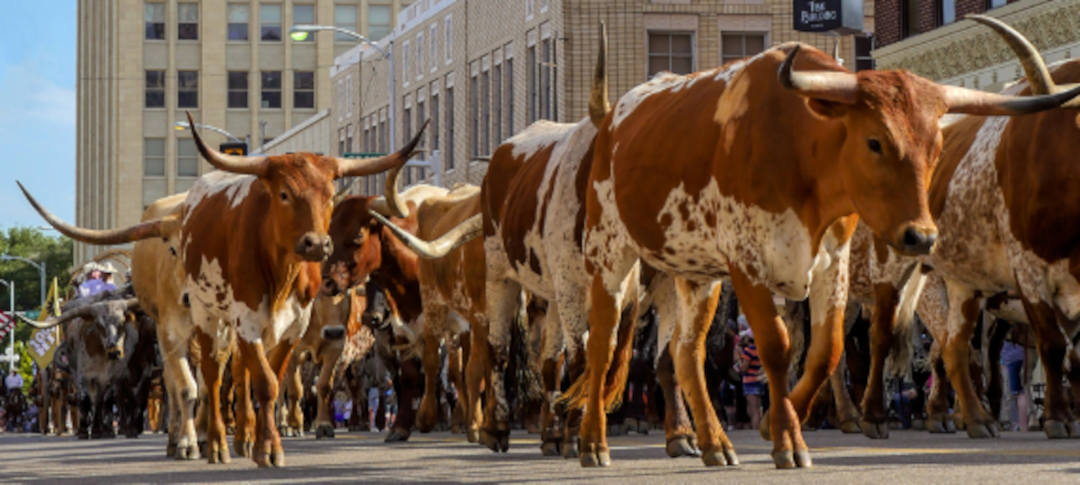
Amarillo’s identity has always been tied to cattle. The Texas Panhandle became a major ranching region after the Civil War, and Amarillo grew as a shipping and service center for the cattle industry. The open grasslands made the region ideal for ranching, and the railroad made it possible to move cattle to larger markets.
That heritage is still visible today. Amarillo has steakhouses, livestock related businesses, western traditions, rodeo culture, and a reputation for hearty beef centered meals. The city’s food scene, economy, and public image have all been shaped by cattle country.
For many people, Amarillo represents the classic image of Texas ranching. Big skies, wide land, cattle, horses, and western grit all remain part of the city’s character.
The Big Texan Steak Ranch Is a Landmark
The Big Texan Steak Ranch is one of the most famous restaurants in Amarillo. It is known for its western atmosphere, bright signs, tourist appeal, and massive steak challenge. For many travelers, eating there is part of the Amarillo experience.
The restaurant reflects the city’s larger than life style. It combines food, entertainment, roadside culture, and Texas showmanship. People do not visit only because they are hungry. They visit because it feels like an attraction.
The Big Texan also shows how Amarillo uses food as part of its identity. Steak is not just dinner in Amarillo. It is history, culture, and part of the city’s reputation.
The Weather Can Be Dramatic
Amarillo is known for dramatic weather. The city can experience strong winds, sudden temperature changes, thunderstorms, snow, hail, dust, and bright sunshine. Life on the High Plains often means being prepared for weather that can shift quickly.
The wind is especially famous. Amarillo’s open landscape gives the wind room to move, and residents are used to breezy conditions. This weather has helped shape the city’s personality. People in Amarillo often take pride in being able to handle the elements.
The dramatic sky is also part of the beauty of the area. Sunsets, storm clouds, clear blue mornings, and wide horizons create unforgettable views. Amarillo’s weather can be challenging, but it also gives the city much of its visual drama.
Amarillo Has a Strong Western Heritage
Western heritage is everywhere in Amarillo. It appears in ranching traditions, rodeos, museums, horse culture, cowboy imagery, local events, and the city’s overall attitude. Amarillo does not treat western history as something distant. It remains part of everyday identity.
The city’s western heritage comes from real history. Ranchers, cowboys, cattlemen, railroad workers, and settlers helped build the region. Their work shaped the economy and created traditions that continue today.
Amarillo’s western culture is not only for tourists. It is part of how the city understands itself. The connection to the land, cattle, horses, and hard work remains strong.
The City Has a Surprising Arts Scene
Although Amarillo is often associated with ranching and highways, it also has a meaningful arts scene. Cadillac Ranch is the best known example, but the city also has galleries, public art, music venues, theaters, museums, murals, and creative events.
The arts in Amarillo often reflect the region’s mix of western heritage, roadside culture, modern expression, and local pride. Artists use the plains, the city, and the history of the Panhandle as inspiration.
This creative side gives Amarillo more depth. It shows that the city is not only about cattle and highways. It is also a place where people create, perform, imagine, and preserve culture.
Amarillo Is a Regional Hub
Amarillo serves as a major center for the Texas Panhandle and surrounding areas. People from smaller towns travel to Amarillo for health care, shopping, education, work, entertainment, legal services, and transportation. Its influence reaches beyond city limits.
This regional role makes Amarillo important in a large part of the southern High Plains. It provides services that smaller communities depend on. Hospitals, colleges, stores, government offices, and businesses help make the city a central gathering point.
Amarillo’s importance as a hub is one reason it has continued to grow and adapt. It is more than a local city. It is a regional anchor.
Amarillo Has Strong Aviation and Military History
Amarillo has an important aviation and military history. During World War II, military aviation brought major activity to the city. Amarillo Army Air Field trained personnel and connected the city to the national war effort.
After the war, military presence continued to influence the local economy and population. Amarillo Air Force Base later became an important part of the city before it eventually closed. Even after the base closure, aviation and aerospace history remained part of Amarillo’s story.
This military chapter helped modernize the city and brought people from different places into the Panhandle. It is one of the reasons Amarillo’s twentieth century history is about more than ranching and railroads.
The City Is Known for Big Skies
Amarillo’s big skies are one of its most beautiful features. The flatness of the High Plains makes the sky feel enormous. Sunrises, sunsets, storm fronts, stars, and clouds can dominate the view in a way that feels almost cinematic.
The sky is part of daily life in Amarillo. It affects mood, photography, travel, weather awareness, and the overall feeling of the city. Visitors often notice how open everything feels.
This sense of space is one of Amarillo’s greatest natural assets. The land may be broad and open, but the sky is what makes it unforgettable.
Twenty Five Fun Facts About Amarillo, Texas
- Amarillo means yellow in Spanish, and the name is often linked to yellow soil, yellow flowers, or nearby Amarillo Creek.
- Amarillo was founded in 1887 as a railroad town.
- The city became an important cattle shipping center because of its railroad connections.
- Amarillo is located in the Texas Panhandle, a region known for wide open plains and strong ranching traditions.
- Cadillac Ranch was created in 1974 and has become one of the most famous roadside art installations in America.
- Visitors to Cadillac Ranch often bring spray paint and add their own layer of color to the cars.
- Amarillo was a major stop on historic Route 66.
- The city still has a historic Route 66 district with restaurants, shops, bars, antique stores, and vintage character.
- Palo Duro Canyon is located south of Amarillo and is one of the most famous natural attractions in Texas.
- Palo Duro Canyon is often described as one of the largest canyons in the United States.
- The Big Texan Steak Ranch is one of Amarillo’s best known restaurants.
- The Big Texan is famous for its huge steak challenge and western themed atmosphere.
- Amarillo has long been connected to the cattle industry and beef production.
- The city’s weather is known for strong winds and sudden changes.
- Amarillo can experience snow, heat, hail, thunderstorms, dust, and sunshine depending on the season.
- The city has a strong western heritage that includes ranching, rodeos, horses, and cowboy culture.
- Amarillo became more important during World War II because of military aviation training.
- Amarillo Air Force Base played a major role in the city’s twentieth century development before it closed.
- The city is a major regional hub for shopping, health care, education, and business in the Texas Panhandle.
- Amarillo’s location along Interstate 40 makes it an important stop for cross country travelers.
- Interstate 27 connects Amarillo southward toward Lubbock.
- Amarillo’s sunsets are famous because the flat plains create wide open views of the sky.
- The city has a growing arts scene that includes murals, galleries, music, theater, and public art.
- Amarillo’s food scene is known for steak, barbecue, Tex-Mex, diners, food trucks, and Route 66 style roadside flavor.
- Amarillo combines frontier history, highway culture, natural beauty, and modern Texas life in one unique Panhandle city.
Why Amarillo Stands Out
Amarillo stands out because it does not feel like every other Texas city. It has its own geography, culture, rhythm, and personality. It is not coastal like Houston, political like Austin, massive like Dallas, or historic in the same way as San Antonio. Amarillo belongs to the High Plains, and that gives it a different kind of identity.
The city’s story is shaped by distance and connection at the same time. It is surrounded by open land, yet it has always been a crossroads. Railroads, Route 66, interstate highways, cattle trails, military aviation, and modern commerce have all passed through Amarillo. This combination of isolation and movement makes the city fascinating.
Amarillo is also memorable because it embraces its unusual side. Cadillac Ranch, giant steaks, Route 66 nostalgia, canyon landscapes, western culture, and bold skies give the city a strong visual and cultural identity. It is a place where history and personality are easy to see.
The Lasting Appeal of Amarillo
The lasting appeal of Amarillo comes from its mix of authenticity and surprise. It is a city built on practical industries like ranching, agriculture, transportation, energy, and regional services. Yet it is also a place with roadside art, natural beauty, colorful history, and a sense of humor.
People who visit Amarillo often remember the same things: the sky, the wind, the steak, the canyon, the highway, the open land, and the feeling of being somewhere unmistakably Texan. Those memories are part of what makes the city special.
Amarillo, Texas, is more than a stop on the map. It is a city with a bold name, a deep history, and a personality shaped by the plains. Its fun facts show a place that is rugged, creative, welcoming, and full of character. From Cadillac Ranch to Palo Duro Canyon, from cattle country to Route 66, Amarillo remains one of the most interesting cities in the Texas Panhandle.
Discover more from City Towner
Subscribe to get the latest posts sent to your email.