History of Amarillo Texas
Amarillo, Texas, stands in the heart of the Texas Panhandle, a city shaped by open land, cattle trails, railroads, oil, agriculture, highways, aviation, and a strong frontier spirit. Long before Amarillo became a city, the area was part of a vast grassland that stretched across the southern High Plains. The region was home to Native peoples who understood the land, followed the movement of buffalo, and lived with the changing seasons of the plains.
The land around present day Amarillo was defined by distance, wind, sky, and survival. The plains offered little natural shelter, but they held rich grasslands that would later attract ranchers and cattlemen. Water was precious, weather could be harsh, and the open horizon gave the area a character that still shapes Amarillo today.
For centuries, the Texas Panhandle was connected to the larger story of the American West. Spanish explorers moved through parts of the region, and later traders, hunters, soldiers, and settlers crossed the plains. The area was not immediately settled in large numbers because of its remoteness, but its geography made it important. It sat between the older settled parts of Texas, New Mexico, Oklahoma, and Colorado, making it a natural corridor for movement, trade, and eventually transportation.
The Ranching Era and the Rise of Cattle Country
The modern history of Amarillo began with ranching. After the Civil War, cattle became one of the most important forces in the development of the Texas Panhandle. Large herds moved across the plains, and ranchers saw opportunity in the wide grasslands. The open range made the region ideal for cattle, and powerful ranching interests began to shape the economy and identity of the area.
One of the most important ranching operations in the region was the famous XIT Ranch, which covered millions of acres across the Texas Panhandle. The XIT helped define the scale of ranching in West Texas and brought attention to the economic possibilities of the plains. Cattle ranching was difficult work, but it created wealth, jobs, and communities. Cowboys, ranch hands, merchants, and railroad men all became part of the growing story of the Panhandle.
The ranching era also created a culture that Amarillo continues to celebrate. The image of cattle, horses, open plains, and hardworking people became part of the city’s identity. Even as Amarillo grew into a modern urban center, its connection to ranching remained visible in its economy, traditions, museums, and public image.
The Founding of Amarillo
Amarillo was founded in the late nineteenth century during a period of rapid settlement and railroad expansion. The city was first established in 1887, when J. T. Berry selected a site for a new town in Potter County. The location was chosen because of its relationship to the Fort Worth and Denver City Railway, which was pushing through the Panhandle and transforming isolated ranch country into connected commercial territory.
The original townsite was located in a low lying area near water, but flooding soon became a problem. As a result, the business district began shifting to higher ground. This move helped shape the future layout of Amarillo and placed the city in a better position for growth. The name Amarillo comes from the Spanish word for yellow, a reference often connected to the yellow wildflowers, yellow soil, or nearby Amarillo Creek.
In its earliest years, Amarillo was a rough but promising railroad town. It attracted settlers, merchants, cattlemen, saloon owners, land speculators, and workers looking for opportunity. The city quickly became a county seat and a regional center. Its location made it valuable, and its growth was tied directly to the movement of cattle and goods by rail.
The Railroad and Commercial Growth
The railroad changed Amarillo from a remote plains settlement into a transportation hub. Rail connections allowed cattle to be shipped efficiently to markets outside the region. This gave ranchers a faster and more profitable way to move livestock, and it made Amarillo a natural center for cattle shipping.
As the rail lines expanded, Amarillo became more than a ranching town. It became a place where goods, people, and information moved across the Panhandle. Warehouses, stockyards, hotels, banks, shops, and offices grew around the railroad economy. The city’s location made it a key point between Fort Worth, Denver, Kansas City, New Mexico, and other western markets.
The railroad also encouraged population growth. Families moved to Amarillo to work, open businesses, buy land, and build new lives. Churches, schools, newspapers, and civic organizations followed. By the early twentieth century, Amarillo had moved beyond its frontier beginnings and was becoming a structured city with ambitions for long term growth.
Agriculture and the Transformation of the Plains
While ranching was central to Amarillo’s early identity, agriculture also became increasingly important. Farmers learned to adapt to the climate and soil of the High Plains. Wheat, sorghum, corn, and other crops became part of the local economy. Irrigation and improved farming methods helped expand agricultural production, though drought and weather remained constant challenges.
The surrounding plains became a major agricultural region, and Amarillo served as a business and service center for farmers and ranchers. Grain elevators, equipment dealers, banks, feed businesses, and transportation companies supported the agricultural economy. Amarillo’s growth depended not only on what happened inside the city, but also on the productivity of the land around it.
The region’s agricultural history includes hardship as well as success. Drought, dust storms, market changes, and economic downturns affected families across the Panhandle. Still, the people of Amarillo and the surrounding area developed a reputation for resilience. Their ability to survive difficult seasons became part of the region’s character.
The Oil and Gas Boom
In the twentieth century, oil and natural gas became major forces in Amarillo’s development. The discovery and production of petroleum resources in the Texas Panhandle brought new money, new jobs, and new industries. Amarillo benefited from its position as a regional headquarters and service center for energy companies.
The oil and gas boom helped diversify the economy. Banks, law firms, construction companies, transportation businesses, and equipment suppliers all benefited from energy development. Wealth from petroleum also influenced civic life, supporting buildings, institutions, and cultural projects.
Energy gave Amarillo a more modern economic base. While cattle and agriculture remained important, oil and gas helped the city grow into a larger commercial center. The energy industry connected Amarillo to national markets and helped shape its twentieth century prosperity.
Amarillo During the Dust Bowl and Great Depression
The 1930s brought severe hardship to Amarillo and the Texas Panhandle. The Dust Bowl devastated much of the Great Plains, and the Panhandle was one of the areas most closely associated with dust storms, drought, and agricultural crisis. Winds carried huge clouds of dust across farms, roads, homes, and towns. Crops failed, livestock suffered, and families struggled to survive.
Amarillo experienced the Dust Bowl not only as an environmental disaster, but also as a social and economic crisis. People came to the city seeking work, assistance, and stability. Businesses faced difficult conditions, and rural families often had to make painful decisions about whether to stay or leave.
The Great Depression added another layer of struggle. Jobs were scarce, money was tight, and uncertainty shaped daily life. Yet Amarillo endured. New Deal programs brought some relief, public works projects improved infrastructure, and community organizations helped people through difficult times. The experience left a lasting mark on the region’s memory and reinforced the importance of perseverance.
World War II and Military Influence
World War II brought significant change to Amarillo. The city’s location, open land, and transportation connections made it useful for military purposes. Amarillo Army Air Field was established during the war and became an important training site. Thousands of military personnel passed through the city, bringing activity, growth, and new connections to the broader war effort.
The war years boosted the local economy. Housing, services, transportation, and businesses expanded to meet military needs. Amarillo became more connected to national events, and residents contributed through military service, war production, bond drives, volunteer work, and support for soldiers.
After the war, military influence continued in different forms. Amarillo Air Force Base later became an important part of the city’s economy and identity. Although the base eventually closed, its presence helped shape Amarillo’s postwar development, population growth, and aviation history.
The Growth of Route 66 Culture
Amarillo became one of the most famous Texas stops along Route 66, the legendary highway that connected Chicago to Los Angeles. As automobile travel grew in the twentieth century, Route 66 brought travelers, tourists, truckers, migrants, and entrepreneurs through the city. Motels, diners, gas stations, neon signs, roadside attractions, and service businesses became part of Amarillo’s landscape.
Route 66 helped Amarillo develop a distinct roadside culture. The city became a place where travelers stopped for food, fuel, lodging, and entertainment. This traffic supported local businesses and gave Amarillo national visibility. Even after interstate highways replaced much of the old route’s importance, Route 66 remained central to the city’s identity.
Today, Amarillo’s historic Route 66 district preserves part of that legacy. Old buildings, vintage signs, antique shops, restaurants, bars, and music venues help keep the spirit of the highway alive. The city’s connection to Route 66 is not just nostalgia. It reflects a major chapter in Amarillo’s history as a crossroads of American travel.
Cadillac Ranch and Modern Cultural Identity
One of Amarillo’s most recognizable landmarks is Cadillac Ranch, an outdoor art installation created in 1974. It features a row of Cadillac cars buried nose first in the ground, their bodies covered in layers of spray paint left by visitors. The installation became a symbol of roadside art, pop culture, and the unusual creativity of the American West.
Cadillac Ranch helped give Amarillo a modern cultural landmark that attracts visitors from around the world. It connects the city to Route 66 tourism, contemporary art, and the idea that the plains can be a canvas for bold public expression. The site is playful, strange, and memorable, which is part of its appeal.
Amarillo’s cultural identity also includes the Big Texan Steak Ranch, western heritage events, local music, museums, murals, and a growing arts scene. The city balances cowboy history with roadside Americana and modern creativity. That mix gives Amarillo a unique place in Texas culture.
Palo Duro Canyon and the Natural Landscape
No history of Amarillo is complete without recognizing the importance of Palo Duro Canyon, located south of the city. Often called one of the largest canyons in the United States, Palo Duro Canyon has long been central to the region’s geography, history, and tourism. Its colorful rock layers, dramatic cliffs, and wide views show a different side of the High Plains.
The canyon was important to Native peoples, military history, ranching, and later recreation. It became a state park and one of the most visited natural attractions in the region. For Amarillo, Palo Duro Canyon provides a powerful connection to the land itself. It reminds residents and visitors that the plains are not empty or plain, but full of hidden depth, beauty, and history.
Tourism connected to Palo Duro Canyon has supported Amarillo’s economy and helped define the city as a gateway to outdoor adventure. Hiking, camping, horseback riding, photography, and performances in the canyon all contribute to the area’s identity.
Amarillo as a Regional Center
Over time, Amarillo became the largest city in the Texas Panhandle and a major regional center for business, medicine, education, transportation, and culture. Its location made it important to communities across the Panhandle, eastern New Mexico, western Oklahoma, and parts of Kansas and Colorado.
Medical centers, colleges, retail districts, government offices, and professional services helped Amarillo serve a wide area. People from smaller towns traveled to the city for shopping, health care, entertainment, legal services, and education. This regional role strengthened Amarillo’s economy and helped it remain important even as rural populations shifted.
The city’s development was also shaped by highways. Interstate 40 and Interstate 27 helped connect Amarillo to national transportation networks. Trucking, logistics, tourism, and commerce all benefited from these connections. Amarillo continued to be a crossroads, just as it had been in the railroad era.
Changing Neighborhoods and Civic Development
As Amarillo grew, its neighborhoods changed. Early business districts expanded, residential areas spread outward, and new schools, parks, churches, and community institutions appeared. Like many American cities, Amarillo experienced periods of downtown growth, suburban expansion, economic transition, and renewed interest in revitalization.
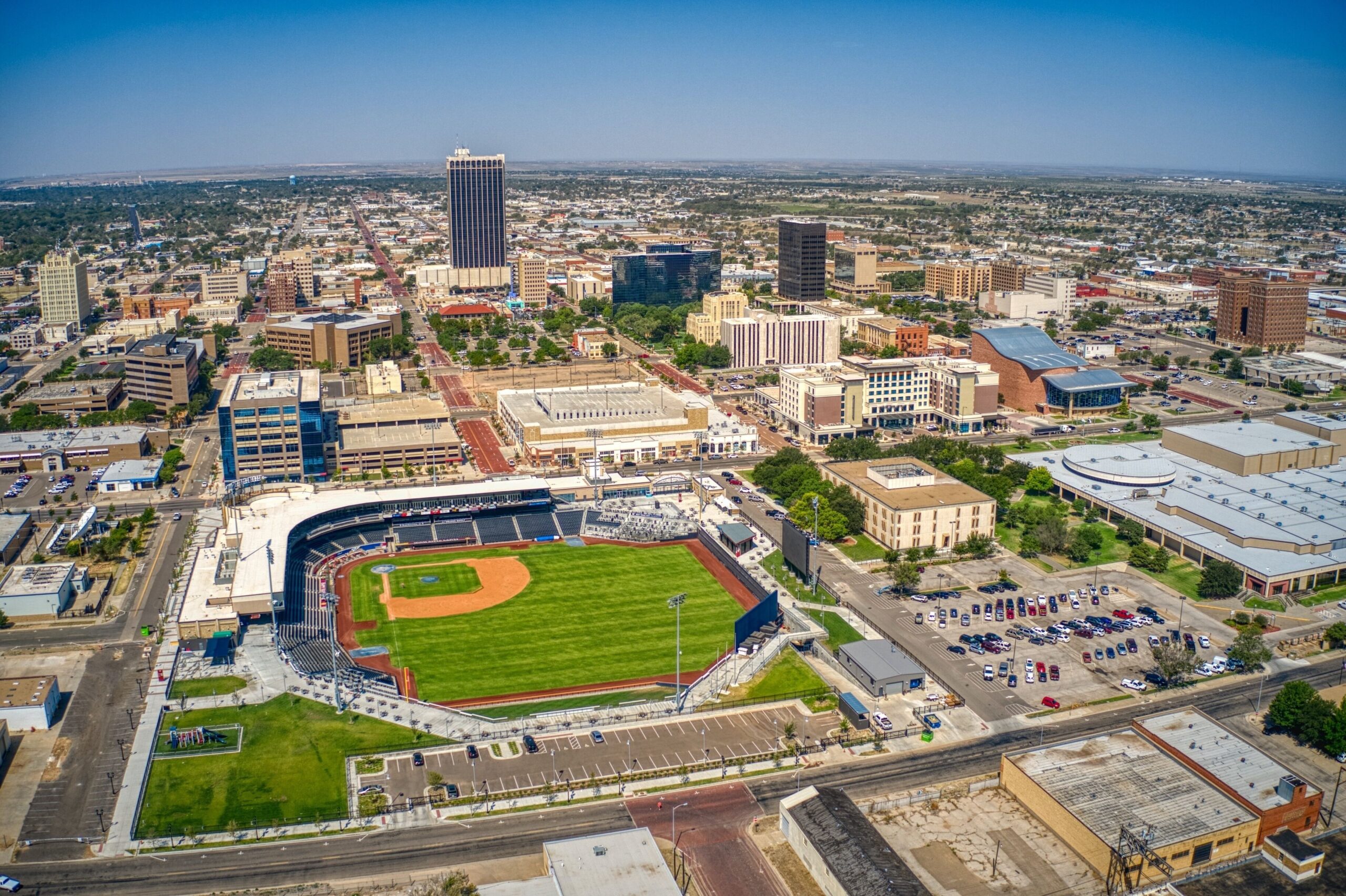
Downtown Amarillo has gone through many changes over the decades. Once the center of commerce, it faced challenges as retail and residential growth moved outward. In more recent years, downtown redevelopment efforts have focused on restoring historic buildings, improving public spaces, attracting businesses, and creating entertainment options.
The city’s civic life has also been shaped by local leadership, philanthropy, education, and public debate. Amarillo has often had to balance growth with preservation, economic development with quality of life, and tradition with change. These tensions are common in cities with deep roots and modern ambitions.
Diversity and Community Life
Amarillo’s population has become more diverse over time. The city has been shaped by people from many backgrounds, including Anglo, Hispanic, African American, Native American, Asian, immigrant, refugee, military, and rural communities. Each group has contributed to the city’s labor force, churches, schools, businesses, food culture, music, and neighborhoods.
Hispanic culture has had a particularly strong influence in Amarillo and the broader Panhandle. Mexican and Mexican American families have played major roles in agriculture, railroad work, construction, business, food, faith communities, and civic life. Their presence is part of the everyday identity of the city.
Amarillo’s community life has also been built through churches, schools, sports, local festivals, rodeos, arts events, nonprofit organizations, and family traditions. The city’s history is not only about railroads, ranches, and highways. It is also about ordinary people building homes, raising children, creating businesses, and forming community across generations.
The Economy of Modern Amarillo
Modern Amarillo has an economy rooted in several major sectors. Agriculture and cattle remain important, especially beef processing, feedlots, grain production, and agribusiness. The city remains closely connected to the food supply chain and the larger agricultural economy of the High Plains.
Energy continues to matter as well, including oil, natural gas, wind power, and related services. The Panhandle’s wide open land and wind resources have made renewable energy an increasingly visible part of the regional economy. Transportation, logistics, health care, education, government, manufacturing, and tourism also play major roles.
Amarillo’s economy reflects both tradition and adaptation. The same city that grew from cattle shipping and railroad commerce now participates in health care, advanced services, energy development, and tourism. Its ability to adjust has helped it remain a major city in a challenging but opportunity rich region.
Amarillo’s Place in Texas History
Amarillo holds a special place in Texas history because it represents the story of the High Plains. It is different from the older cities of East Texas, the Gulf Coast, Central Texas, and the borderlands. Amarillo’s story is one of distance, wind, cattle, railroads, highways, dust storms, military aviation, and wide open ambition.
The city reflects the toughness of the Panhandle. Its residents have faced droughts, blizzards, economic shifts, agricultural hardship, and geographic isolation. Yet Amarillo has continued to grow and adapt. It became a place where western heritage and modern industry meet.
Amarillo also helped define the image of Texas for many travelers. For people crossing the country on Route 66 or Interstate 40, Amarillo became a memorable stop filled with big skies, steakhouse signs, roadside art, and the feeling of the open West. That image continues to attract visitors and shape the city’s reputation.
The Legacy of Amarillo
The history of Amarillo, Texas, is the history of a city built from movement and endurance. It began on land shaped by Native peoples, buffalo, and the natural rhythms of the plains. It grew through ranching, railroads, cattle shipping, agriculture, oil, gas, military activity, highways, tourism, and regional commerce.
Amarillo has never been just one thing. It is a ranching city, a railroad city, a Route 66 city, an energy city, a military city, an agricultural city, and a modern regional center. Its identity is layered, and each era has left visible marks on the landscape.
The city’s story is also deeply human. It is about settlers who built homes on difficult land, ranchers who worked the open range, farmers who survived drought, workers who followed the railroad, soldiers who trained during wartime, business owners who served travelers, artists who turned Cadillacs into landmarks, and families who made Amarillo home.
Today, Amarillo remains a symbol of the Texas Panhandle. Its history can be seen in its cattle culture, historic districts, highways, museums, canyon landscapes, and strong sense of place. The city continues to stand where the plains stretch wide, the sky feels endless, and the past remains close to the surface.
Discover more from City Towner
Subscribe to get the latest posts sent to your email.