
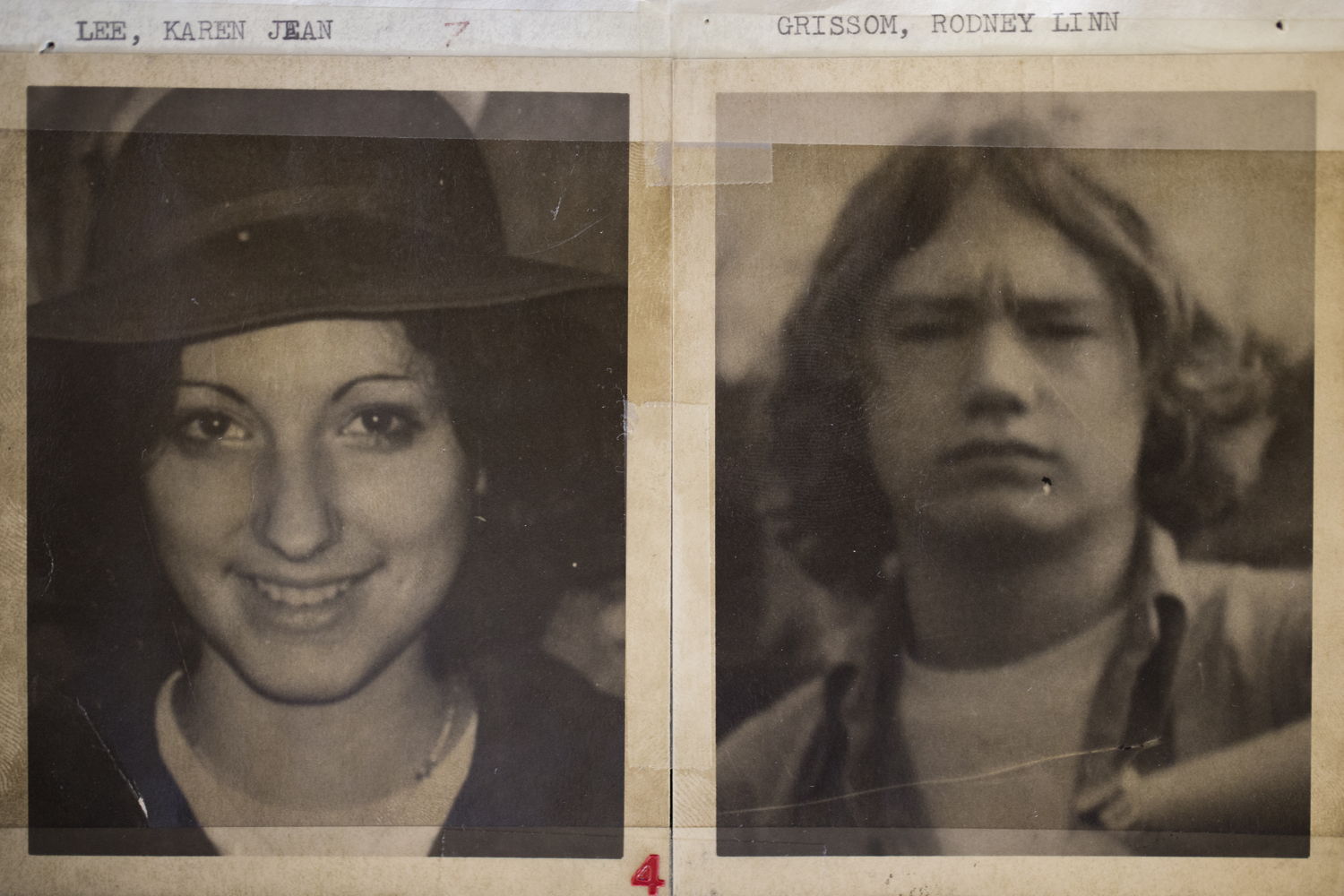
The Disappearance of Rodney Lynn Grissom and Karen Jean Lee in Lebanon Oregon
The disappearance of Rodney Lynn Grissom and Karen Jean Lee remains one of Oregon’s haunting unsolved missing persons cases. Rodney was only 14 years old, and Karen was 15, when the two teenagers vanished in May 1977 after reportedly planning to run away together. Their story began as a teenage escape, but it soon turned into a decades-long mystery involving a final phone call, a remote wooded area, and belongings found miles away from where they were last known to be.
Rodney Lynn Grissom is most often listed as missing as of May 24, 1977, while Karen Jean Lee is generally listed as missing as of May 26, 1977. Although the official missing dates and locations have sometimes varied across summaries, one of the most important places connected to the case is Lebanon, Oregon. That is where the teens made what is believed to be their final known contact before they disappeared completely.
Their case has continued to draw attention because of the unsettling details surrounding their disappearance. They were young, they were believed to be hitchhiking, and their possessions were later discovered in rugged terrain near the Highway 20 corridor in Linn County, Oregon. No confirmed remains have ever been found, and no one has ever been convicted in connection with what happened to them.
Two Teenagers Planning To Leave
Rodney Lynn Grissom was a teenager with ties to Oregon communities including Albany and Hillsboro. He was 14 years old when he disappeared. He was described as small in build, with brown hair and blue eyes. At the time he went missing, he was believed to have had a backpack with him, reportedly marked with his name or initials.
Karen Jean Lee was 15 years old and had ties to Cornelius, Oregon. She had moved to Oregon from Wisconsin and was described as a teenage girl who had struggled with the transition in her life. Like many teenagers, Karen wanted independence and a sense of control over her future. Rodney and Karen reportedly became close and discussed leaving Oregon together.
According to summaries of the case, the two teens planned to hitchhike to California. At that age, they may have believed they were heading toward freedom, adventure, or a new beginning. In reality, leaving home as young teenagers placed them in a dangerous situation. Hitchhiking was more common in the 1970s than it is today, but it also exposed young travelers to strangers, isolated roads, and unpredictable risks.
The case is often described as a runaway situation that turned suspicious. At first, Rodney and Karen may have been viewed as teens who chose to leave. But as time passed and no word came from either of them, the concern deepened. The discovery of their belongings in remote terrain later changed the tone of the case from a possible runaway episode to a suspected case of foul play.
The Final Phone Call From Lebanon
The most chilling detail in the disappearance of Rodney Lynn Grissom and Karen Jean Lee is the final phone call connected to them. After leaving, the pair reportedly made contact from a pay phone in Lebanon, Oregon. That call is considered the last known communication from either teenager.
During the call, Karen reportedly indicated that their ride had arrived. After that, the call ended, and neither Karen nor Rodney was ever heard from again.
That moment has become the center of the case. It suggests that Rodney and Karen may have accepted a ride from someone. If they were hitchhiking, they likely depended on strangers for transportation. The phrase about their ride arriving has been repeated in many accounts because it appears to mark the dividing line between a teenage runaway plan and a disappearance that has lasted for decades.
Lebanon, Oregon, is important because it places the teens near the Highway 20 area. Highway 20 stretches across Oregon and has been associated with several troubling cases over the years. While not every case along that highway is connected, the region has become a focus of speculation because of its long roads, wooded areas, and isolated stretches where vulnerable people could disappear without immediate witnesses.
The Search Begins
When Rodney and Karen did not return and did not contact family or friends again, concern grew. Families of missing teenagers often face a painful and confusing early stage. Investigators must determine whether a child left voluntarily, whether they are hiding, whether they are trying to avoid contact, or whether something more serious happened.
In this case, the ages of Rodney and Karen made the situation urgent. They were not adults choosing a new life. They were children. Even if they initially left by choice, they were still vulnerable and potentially in danger. They had limited resources, limited protection, and no way to safely navigate the risks of traveling with strangers.
As days turned into weeks and then months, the hope that they would simply return began to fade. There were no confirmed sightings that brought them home. There were no letters, no phone calls, and no evidence that the two successfully reached California. Their silence became one of the most troubling parts of the mystery.
Belongings Found in Remote Terrain
Months after the teens disappeared, items believed to be connected to them were discovered in a remote area of eastern Linn County, Oregon. The location was near Soda Fork Road and the Upper Soda Fork area, a rugged region not far from the Highway 20 corridor. The terrain was wooded, isolated, and difficult to search.
The discovery of belongings changed how the case was viewed. Items associated with Karen and Rodney were not found in a city, bus station, motel room, or location that suggested they had continued traveling. Instead, they were found in a remote outdoor area, far from normal public movement.
Some of Karen’s belongings reportedly included clothing, journal pages, and personal items. Rodney’s belongings were also later found in the same general area. Items connected to him reportedly included clothing, his wallet, identification, and other possessions. The fact that personal items were found without the teens themselves only deepened the mystery.
Investigators believed the belongings may have been deliberately placed. That detail matters because it suggests the items were not simply lost during a hike or accidentally dropped by runaway teenagers passing through. If the possessions were intentionally left or hidden, it raises disturbing questions about who placed them there and why.
Why Foul Play Is Suspected
Foul play is suspected in the disappearance of Rodney Lynn Grissom and Karen Jean Lee because of the circumstances surrounding their final contact and the later discovery of their belongings. Two teenagers vanished after saying their ride had arrived. They never contacted anyone again. Their personal items later appeared in a rugged, remote area.
That pattern does not fit a simple runaway case. Runaway teenagers often eventually resurface, contact friends, need money, seek shelter, or encounter law enforcement. Rodney and Karen vanished without a trace. They were young and had little ability to survive indefinitely without help. The longer they remained missing, the less likely it became that they had simply chosen a new life elsewhere.
The discovery of their belongings also suggests that something happened after they entered someone’s vehicle or after they reached the area near Highway 20. If the items were carried into the woods or placed deliberately, it raises the possibility that the teens were harmed and that their possessions were discarded afterward.
No confirmed remains have been recovered, which has made it difficult for investigators to determine exactly what happened. Without bodies, a crime scene, a confession, or direct physical evidence tying someone to their disappearance, the case has remained unresolved.
The Highway 20 Connection
The disappearance of Rodney Grissom and Karen Lee is often discussed in connection with Oregon’s Highway 20. The highway passes through areas of the state that include rural roads, wooded stretches, and remote landscapes. Over the years, other disappearances and crimes have been associated with parts of this region, creating public concern and speculation.
One name often mentioned in broader discussions of Highway 20 cases is John Arthur Ackroyd, a convicted killer who worked in areas connected to the highway. Some researchers and true crime observers have wondered whether he could have been involved in cases beyond those for which he was convicted or suspected. Rodney and Karen’s disappearance has sometimes been discussed in that wider context.
However, it is important to separate suspicion from proof. While the geography and timing have led some people to question whether Rodney and Karen may have crossed paths with a dangerous person, no one has been legally proven responsible for their disappearance. Their case remains unsolved, and theories about possible suspects remain theories unless supported by confirmed evidence.
The Highway 20 connection remains significant because it gives context to the danger of the area during that era. It also explains why the case still receives attention from researchers, searchers, and people familiar with Oregon’s unsolved mysteries.
The Pain Left Behind
Behind every missing persons case are families and loved ones left with unanswered questions. For Rodney and Karen’s families, the pain was not only the loss of two young people, but the absence of certainty. Not knowing what happened can be a lifelong burden.
Families in these cases often live between hope and grief. They may hope for answers, even when the possibility of finding their loved one alive has faded. They may search for remains, records, witnesses, or one small detail that could finally explain what happened. In Rodney and Karen’s case, decades have passed, but the need for answers has not gone away.
The belongings found in the woods may have confirmed that the teens did not simply vanish into a new life, but they did not provide the full truth. They did not reveal who picked them up, where they went after the phone call, whether they were harmed immediately, or why their possessions ended up where they did.
That uncertainty is part of what makes the case so painful. Rodney and Karen were children. Their lives were still forming. Their disappearance froze them in time as teenagers, leaving behind families who had to grow older without them.
Continuing Search Efforts
The disappearance of Rodney Lynn Grissom and Karen Jean Lee has not been completely forgotten. Over the years, researchers, advocates, and searchers have continued to study the case. Some have focused on the remote area where belongings were discovered, hoping that modern search methods may uncover evidence missed in earlier decades.
Searches in rugged terrain can be extremely difficult. Forest growth changes over time. Weather, animals, erosion, and decades of seasonal change can alter a landscape. Items that were visible in 1977 or 1982 may be buried, scattered, or destroyed many years later. Still, searchers continue because even a small discovery could matter.
Modern missing persons work sometimes benefits from improved mapping, better forensic methods, DNA databases, and renewed public attention. Cases that once seemed impossible to solve have sometimes been reopened because someone came forward, a piece of evidence was retested, or remains were identified years later.
For Rodney and Karen, any new answer would be significant. It could bring long-delayed closure to surviving family members. It could also help clarify whether their case was connected to a known offender, a stranger who was never identified, or another set of circumstances entirely.
A Case That Still Raises Questions
The disappearance of Rodney Lynn Grissom and Karen Jean Lee continues to raise many questions. Who gave them a ride after the Lebanon phone call? Did they know the person, or was it a stranger? Did they ever make it beyond Lebanon? Were they taken directly toward the remote area near Soda Fork Road, or were their belongings moved there later? Why were some items found in one location and others discovered years later nearby?
The timeline is also difficult because Rodney’s listed missing date is May 24, 1977, while Karen’s is May 26, 1977. Some sources describe Rodney as leaving first and Karen disappearing afterward. Others focus on the Lebanon phone call as the final shared moment. The exact sequence of their movements may never be fully known unless new evidence appears.
What is clear is that two teenagers disappeared after a plan to leave Oregon, and the evidence later found in the woods strongly suggests they encountered danger. Their youth, their final phone call, and the discovery of their belongings have kept the case alive in public memory.
Remembering Rodney and Karen
Rodney Lynn Grissom and Karen Jean Lee should be remembered as more than names in a missing persons database. They were teenagers with personalities, families, struggles, hopes, and futures that were never allowed to unfold. Their case is often discussed through the lens of mystery, suspicion, and possible foul play, but at the center of it are two young people who vanished before they had the chance to become adults.
Their disappearance on and around May 24, 1977, with the final known contact tied to Lebanon, Oregon, remains a painful reminder of how quickly a life can disappear from view. What may have begun as a teenage decision to run away became one of Oregon’s long-running unsolved cases.
The absence of final answers does not make their story less important. If anything, it makes it more important to keep their names known. Rodney and Karen have been missing for decades, but their case still matters. Somewhere, there may still be a memory, a record, a forgotten statement, or a piece of evidence that could help explain what happened after that final phone call.
Until then, the disappearance of Rodney Lynn Grissom and Karen Jean Lee remains unresolved. It is a story of two teenagers, one final ride, and a mystery that has lasted far too long.
Discover more from City Towner
Subscribe to get the latest posts sent to your email.