
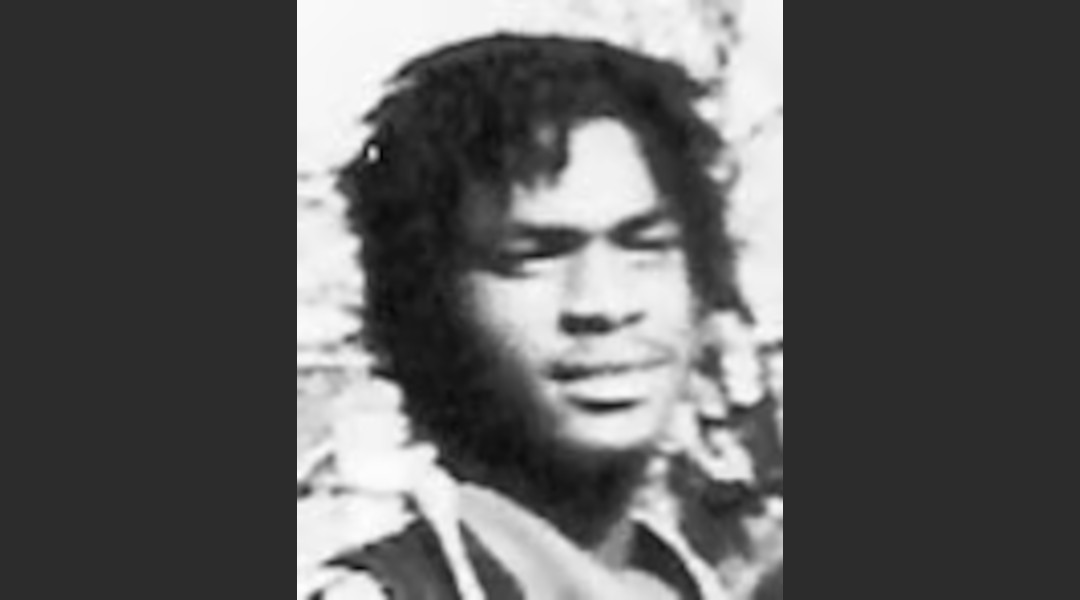
Darren Lorenzo Brown Shot & Killed in New Orleans Louisiana
Darren Lorenzo Brown, known to relatives and friends as “Lil Darren” or “Dee,” was 19 years old when he was shot and killed in New Orleans, Louisiana, on September 9, 2012. His body was discovered late at night near a neighborhood bar at the intersection of Cherry Street and Apricot Street in the Hollygrove community.
Darren had been shot multiple times in the head and body. He was pronounced dead at the scene, leaving his family to confront a sudden and devastating loss. Publicly available information about the homicide remains limited, and no confirmed motive, suspect or arrest has been announced.
The murder occurred only a short distance from the neighborhood where Darren had been raised. Although the circumstances surrounding his life before the shooting have generated speculation about possible retaliation, authorities have not publicly established why he was targeted or who was responsible.
More than a decade after the killing, Darren’s case remains unresolved. His family continues to carry the pain of losing a young man whose life ended before he had the opportunity to fully enter adulthood.
Darren’s Life in New Orleans
Darren Lorenzo Brown was born into a large New Orleans family. His father was Darren Clark, and his mother was Carol Brown. Much of his upbringing was provided by his grandmother, who played a central role in his life and attempted to guide him as he grew older.
Family members and friends called him “Lil Darren” or “Dee.” Those names reflected the personal identity behind the formal name later recorded in reports about his death.
Darren grew up in the Hollygrove community, a residential neighborhood in New Orleans. He was familiar with the streets, people and daily life of the area. The location where he was eventually killed was reportedly only a few blocks from where he had been raised.
At 19, Darren was still at the beginning of adulthood. Like many young people, he had made choices that concerned his family and had become involved with individuals whom his grandmother believed were influencing him in a harmful direction.
His grandmother reportedly described him as a sweet child. As he became older, however, she grew increasingly worried about the people around him and the dangers he faced in the neighborhood.
Her concern would later become one of the most haunting aspects of the case.
The Legal Trouble Before His Death
Before the fatal shooting, Darren had been incarcerated for his involvement in a nonfatal shooting. He reportedly received an 18 month sentence in Orleans Parish Prison.
The circumstances of that earlier incident have not been fully described in the public information connected to his murder. Darren’s exact role, the identity of the person who was injured and the events leading to the shooting are not clearly documented in the available case summaries.
Darren was scheduled to be released before serving the entire sentence. His grandmother believed that returning to the streets early would place him in serious danger.
She reportedly contacted the judge and asked that Darren be required to remain in custody until the completion of his sentence. Her request was unusual because family members generally seek an incarcerated relative’s early release. In this instance, she believed prison offered protection from people who might want revenge.
Her request was unsuccessful, and Darren was released early. She later recalled fearing that someone would kill him after he returned home.
That fear became reality when Darren was fatally shot.
The timing has caused some people to suspect that his murder was retaliation for the previous shooting. However, that possibility has never been publicly confirmed by investigators. His grandmother’s concern provides important context, but it does not prove the motive for his death.
The Night of September 9, 2012
At approximately 11:00 p.m. on September 9, 2012, authorities responded to reports of a shooting in the Hollygrove section of New Orleans.
Darren was found lying in the street near a neighborhood bar at the corner of Cherry Street and Apricot Street. He had suffered multiple gunshot wounds to his head and body.
His injuries were fatal, and he was pronounced dead at the scene.
The available public record does not explain whether Darren had been inside the bar, standing outside it or simply traveling through the area. It is also unknown whether he arrived alone or was accompanied by friends.
No verified account describes an argument, confrontation or other event immediately before the gunfire. The number of attackers, the type of weapon used and the manner in which the shooter escaped have not been publicly established.
The attack occurred late at night, when visibility would have been limited. A person could have approached Darren, fired the shots and fled before nearby residents understood what had happened.
Although the shooting occurred near a business and homes, no publicly identified witness has provided a complete account of the crime.
The Hollygrove Crime Scene
Cherry Street and Apricot Street meet in a residential portion of Hollygrove. The community includes houses, neighborhood businesses and streets traveled by residents who know the area well.
The presence of a bar near the scene suggests that other people may have been nearby when Darren was shot. Patrons, workers, residents or passing drivers may have heard the gunfire or observed activity before and after the attack.
Hearing shots, however, is different from seeing a shooter. Someone inside a building may not have looked outside until the gunman was already gone. A witness may have seen only a person running or a vehicle leaving the area.
Police investigators likely secured the location, documented Darren’s position and searched for shell casings, bullets and other physical evidence. They may have examined nearby vehicles and buildings for bullet damage or attempted to determine the direction from which the shots were fired.
The public has not been provided with a detailed description of what investigators recovered. There is no confirmed information stating whether a weapon was found or whether ballistic evidence connected the murder to another crime.
The nighttime conditions, outdoor setting and movement of emergency personnel may have complicated the collection of evidence. Physical material found on a public street can be difficult to connect conclusively to a particular person.
The Question of Retaliation
The possibility of retaliation remains one of the most discussed theories surrounding Darren’s death. His previous involvement in a nonfatal shooting provided an obvious area for detectives to examine.
If someone believed Darren was responsible for injuring a relative or friend, that person may have viewed his release as an opportunity to seek revenge. His grandmother’s warning suggests that she knew of threats or feared that unresolved anger existed within the community.
However, no official statement has confirmed that the earlier shooting and Darren’s murder were connected. The victim of the earlier incident has not been publicly identified in the available information, and no evidence has been released showing that anyone associated with that case targeted Darren.
Other explanations remain possible. Darren may have become involved in a separate dispute after his release. The shooting could have resulted from a personal disagreement, an attempted robbery or a conflict unrelated to his criminal history.
It is also possible that Darren was targeted because of associations investigators never disclosed publicly.
Without a confession, reliable witness statement or law enforcement announcement, retaliation must remain a theory rather than a documented fact.
An Unknown Motive
Understanding the motive behind a killing can help police identify the people most likely to have been involved. In Darren’s case, the absence of a publicly confirmed motive leaves several possibilities open.
If the murder involved revenge, investigators would likely examine the earlier shooting, Darren’s court records and the relationships surrounding that case.
If the attack resulted from a personal conflict, detectives would review his recent conversations, friendships and activities after his release.
If robbery was involved, investigators would determine whether money, jewelry, a telephone or other property was missing. No public account confirms that anything was taken from Darren.
The number and location of the gunshot wounds may suggest that the attack was intentional and directed specifically at him. Multiple shots to the head and body can indicate that a shooter wanted to ensure the victim did not survive.
That interpretation remains an inference. The publicly known evidence does not establish what the attacker intended beyond the obvious violence of the shooting.
The Search for Witnesses
Witness cooperation is often the deciding factor in solving a neighborhood homicide. A person may see the victim shortly before the shooting, recognize the attacker or hear someone discuss the crime afterward.
In Darren’s case, people near the bar may have noticed whom he was speaking with or whether someone appeared to be following him. Residents may have observed an unfamiliar vehicle or heard an argument before the shots.
Even a partial description could have helped investigators. The color of a car, the direction in which someone ran or a nickname heard in conversation might connect with other evidence.
Fear frequently prevents people from speaking openly about violent crimes. Witnesses may worry that the shooter or the shooter’s associates will retaliate against them.
Others may distrust the criminal justice system or believe that police cannot protect them. Some may remain silent because they have relationships with the people involved.
The code of silence surrounding neighborhood violence can leave investigators with evidence that explains how someone died but not enough information to prove who caused the death.
As time passes, witnesses may become more willing to cooperate. Relationships change, fear decreases and people who were young at the time may develop a different understanding of what their silence has cost a victim’s family.
The Challenges Facing Investigators
A shooting can occur within seconds, giving police only a small amount of evidence from which to reconstruct the crime.
Shell casings may reveal the type of firearm used and can sometimes be compared with evidence from other shootings. However, those casings do not identify the person who pulled the trigger unless investigators recover the weapon or obtain additional proof.
DNA and fingerprints can also be difficult to use at an outdoor scene. Objects found on a public street may have been touched by many people, and environmental conditions can damage biological evidence.
Witness memories can become less reliable over time. Stress, darkness and confusion may cause people to remember details differently.
Investigators must also distinguish truthful information from rumors. In a community homicide, detectives may hear multiple stories about motives and suspects, but those stories cannot support an arrest unless they are backed by credible evidence.
Even when police strongly suspect someone, prosecutors must be able to prove the case beyond a reasonable doubt. A theory without cooperative witnesses, forensic support or reliable admissions may not be enough to file charges.
A Grandmother’s Warning
Darren’s grandmother occupies a painful place in the story of his final months. She reportedly recognized the danger surrounding him and tried to prevent his early release.
Her request that Darren remain incarcerated was not a rejection of him. It was an attempt to protect him in the only way she believed was available.
She feared that freedom would expose him to people who wanted to harm him. When he was later murdered, her earlier warning became a source of grief and frustration.
Family members often struggle with guilt after a violent death, questioning whether they could have done more. In this case, Darren’s grandmother had already taken an extraordinary step to express her fear.
She could not control the court’s decision, Darren’s choices or the actions of the person who killed him.
Her story illustrates how families in communities affected by violence may see dangers that formal systems cannot or do not prevent.
The Funeral and Burial
Darren’s funeral was held on September 17, 2012, at D.W. Rhodes Funeral Home on Washington Avenue in New Orleans. The service took place eight days after his death.
Relatives and friends gathered to remember the young man they knew as Lil Darren and Dee. Reverend Norman Francis officiated, and Darren was buried at Providence Memorial Park.
Messages left by people who knew him reflected grief, disbelief and affection. They remembered him as a family member, friend and familiar presence in the Hollygrove neighborhood.
For his relatives, the funeral marked the reality of his death but did not provide answers about the crime. They buried Darren without knowing who had killed him or whether anyone would be held responsible.
An unresolved murder creates an ongoing wound. Anniversaries, birthdays and family gatherings can bring back the questions that remain unanswered.
Remembering Darren Beyond His Mistakes
Darren’s earlier legal trouble is part of the case, but it should not become the only way his life is understood. A person’s mistakes do not remove the value of that person’s life or make an unlawful killing acceptable.
He was 19 years old, an age when many people are still developing judgment and learning from their decisions. He did not have the opportunity to grow older, change direction or repair the harm connected to his past.
His grandmother remembered the sweet child she had raised. His relatives knew him through experiences and memories that cannot be captured in a brief account of his criminal record.
The person who killed Darren denied him the possibility of becoming something different. The shooting also transferred the consequences of that violence to his family.
Every unsolved homicide represents more than a police file. It represents birthdays missed, relationships ended and futures erased.
The Possibility of a Future Breakthrough
Darren’s murder may still be solved if someone provides information that investigators can verify.
A person who witnessed the shooting may eventually decide to speak. Someone who heard the killer confess may reveal what was said. A former friend or associate may provide details after relationships change.
Ballistic evidence can also produce new leads. If the weapon used in Darren’s murder was connected to another shooting or later recovered, investigators may be able to link the cases.
Cold case reviews can uncover inconsistencies in earlier interviews or identify information that did not appear important in 2012. New investigators may analyze the evidence with different methods and fresh perspectives.
The passage of time creates difficulties, but it can also weaken the alliances that once protected a suspect.
A successful prosecution would require more than neighborhood rumor. Detectives would need reliable testimony, physical evidence or admissions that could withstand examination in court.
A Murder Still Waiting for Justice
The known facts of Darren Brown’s murder are limited but deeply troubling. He was found near a bar at Cherry Street and Apricot Street in New Orleans at approximately 11:00 p.m. on September 9, 2012.
He had been shot multiple times in the head and body and died at the scene. He was only 19 years old.
Darren had recently returned to the community after serving part of an 18 month sentence related to a nonfatal shooting. His grandmother feared that someone would retaliate against him and had asked that he remain incarcerated for his own safety.
Her prediction makes the circumstances of his death especially haunting, but it does not establish the identity or motive of the killer.
No publicly confirmed suspect has been identified, and no arrest has been reported. The person responsible has not been publicly held accountable.
Darren’s case remains a reminder that an unsolved murder continues long after the crime scene is cleared. His family buried him, but their questions remained.
Someone may know why Darren was at that corner, whom he met and who fired the fatal shots. Until that person speaks or new evidence emerges, the murder of Lil Darren will remain unresolved.
His family deserves the truth. Darren deserves to be remembered as more than his mistakes, and the person who ended his life should be brought to justice.
Discover more from City Towner
Subscribe to get the latest posts sent to your email.